Universal Compatibility and Straightforward Installation Process
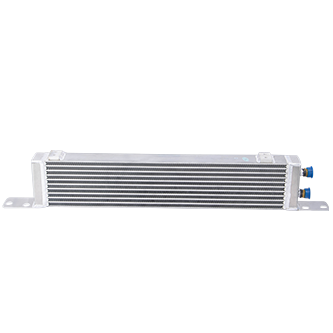
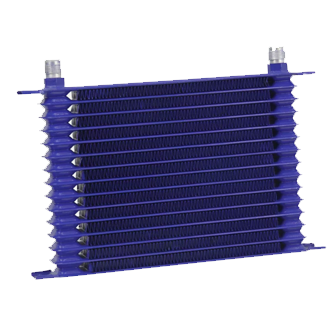
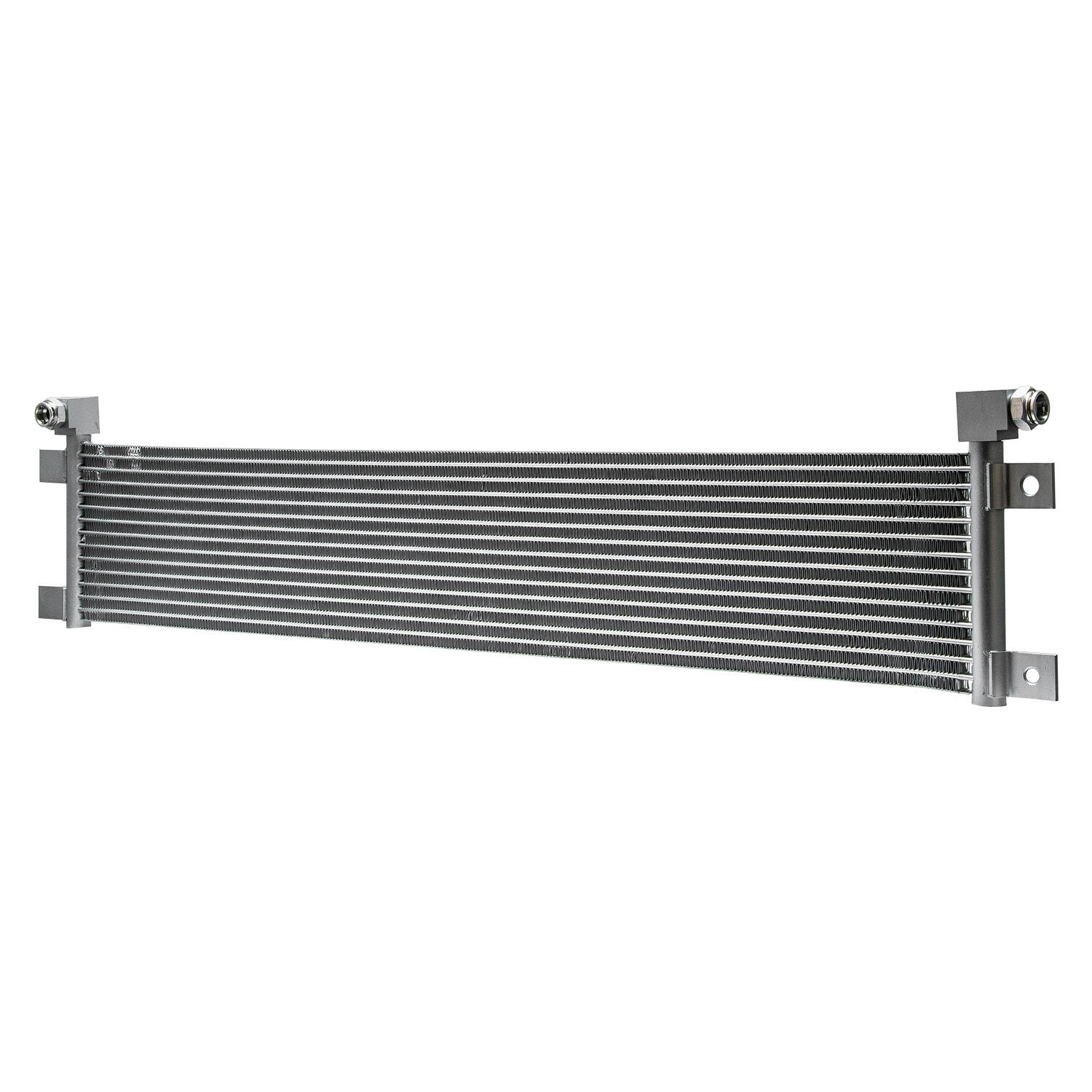
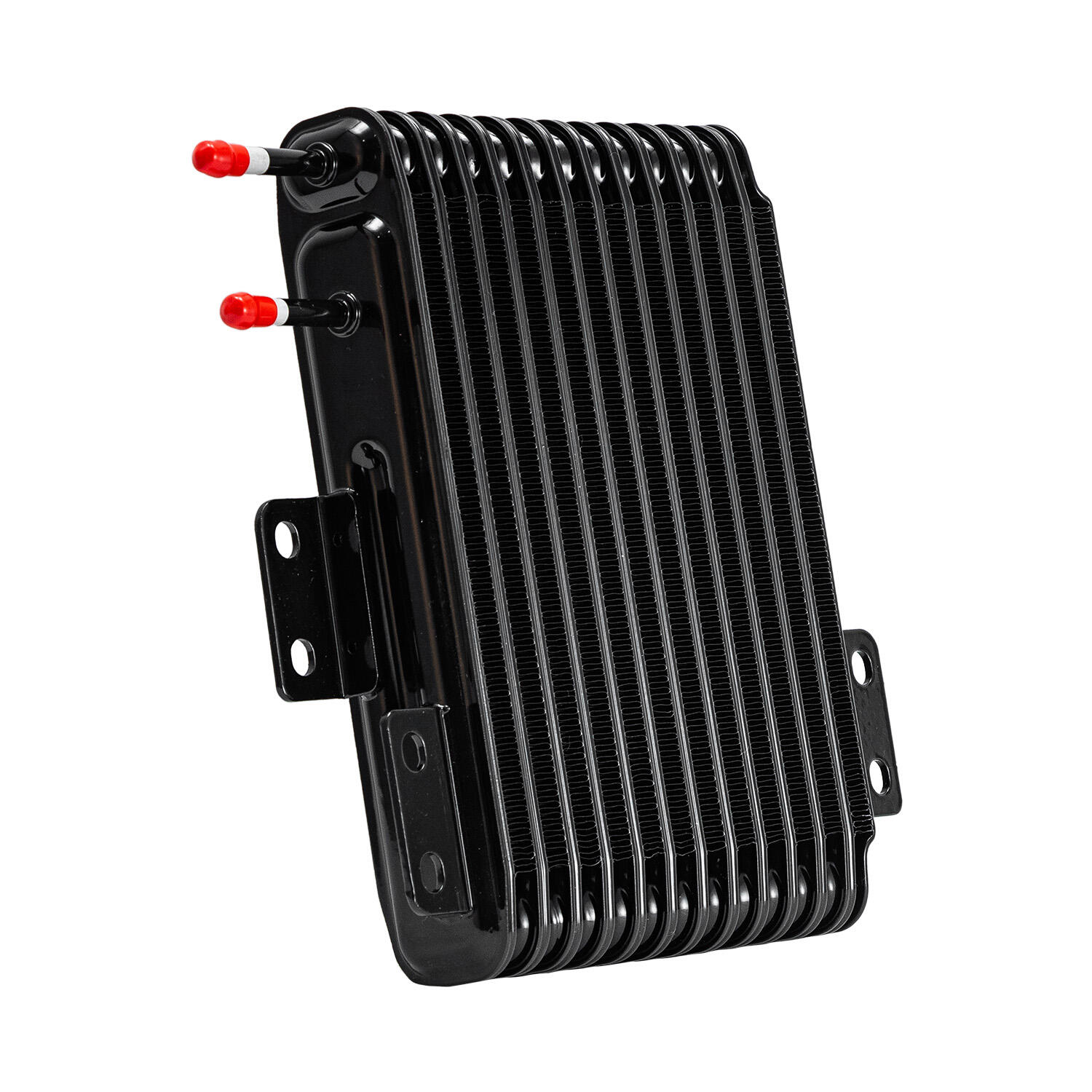
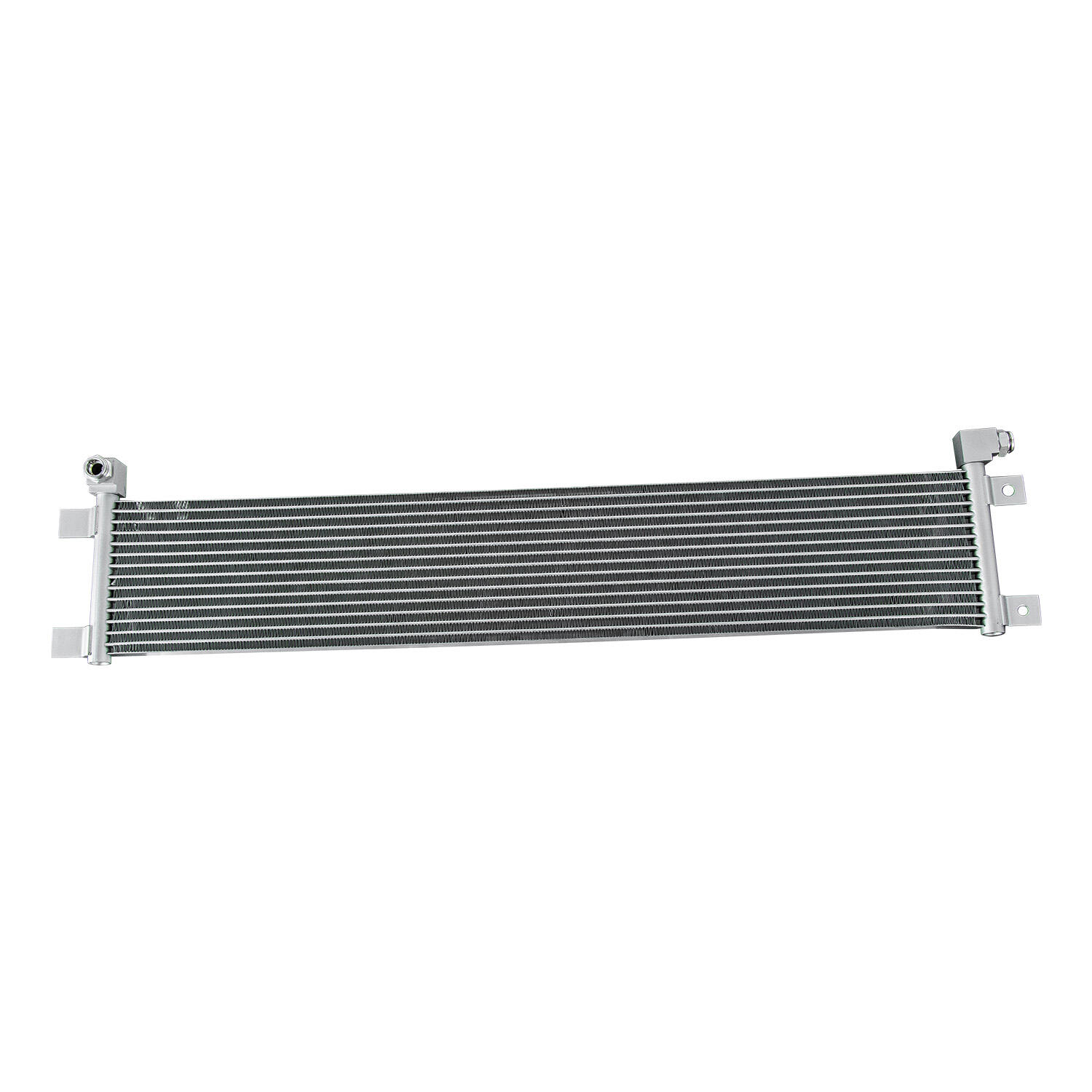
One of the most appealing aspects of transmission fluid coolers is their adaptability to virtually any vehicle platform, from compact cars to full-size trucks and SUVs. Manufacturers design these coolers with universal mounting provisions that accommodate different installation locations and vehicle configurations, giving installers flexibility in choosing the optimal position for maximum cooling effectiveness. The typical installation process involves selecting a mounting location with good airflow exposure, such as in front of the radiator or air conditioning condenser, then securing the cooler using the provided brackets and hardware. Most transmission fluid coolers come with comprehensive installation kits that include mounting brackets, hose fittings, clamps, and detailed instructions that guide users through each step of the process. The cooler connects to the transmission cooling circuit using flexible hoses that route from the transmission to the cooler inlet, then from the cooler outlet back to the transmission or to the factory cooler if maintaining the original cooling system. This inline installation method means the aftermarket cooler works in conjunction with existing cooling components rather than replacing them, providing additive cooling capacity without eliminating factory safeguards. For mechanically inclined vehicle owners, installation typically requires only basic hand tools and can be completed in a few hours, making it an accessible upgrade that does not demand specialized equipment or professional expertise. The universal nature of transmission fluid coolers extends to their compatibility with different transmission types, including traditional automatic transmissions, continuously variable transmissions, and dual-clutch automated manual transmissions. Each of these transmission designs generates heat during operation and benefits from enhanced cooling capacity, though the specific installation details may vary based on transmission configuration and vehicle layout. Professional installers appreciate the straightforward nature of transmission fluid cooler installation, as it represents a bolt-on modification that does not require transmission disassembly, computer reprogramming, or complex fabrication work. The cooler simply integrates into the existing fluid circuit, immediately beginning to provide cooling benefits without affecting transmission operation or warranty coverage in most cases. Vehicle manufacturers increasingly recognize the value of auxiliary transmission cooling, with many offering factory-installed transmission fluid coolers as optional equipment on trucks and SUVs rated for towing. Aftermarket coolers provide similar or superior cooling capacity at a fraction of the cost of factory options, making them an economical choice for owners who did not originally specify the towing package but later discovered the need for enhanced cooling. The installation flexibility extends to mounting orientation, as most coolers can be positioned horizontally, vertically, or at an angle to fit available space and optimize airflow patterns around other components.