Durable Construction Ensures Long-Term Reliability
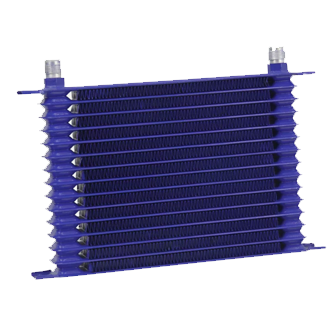
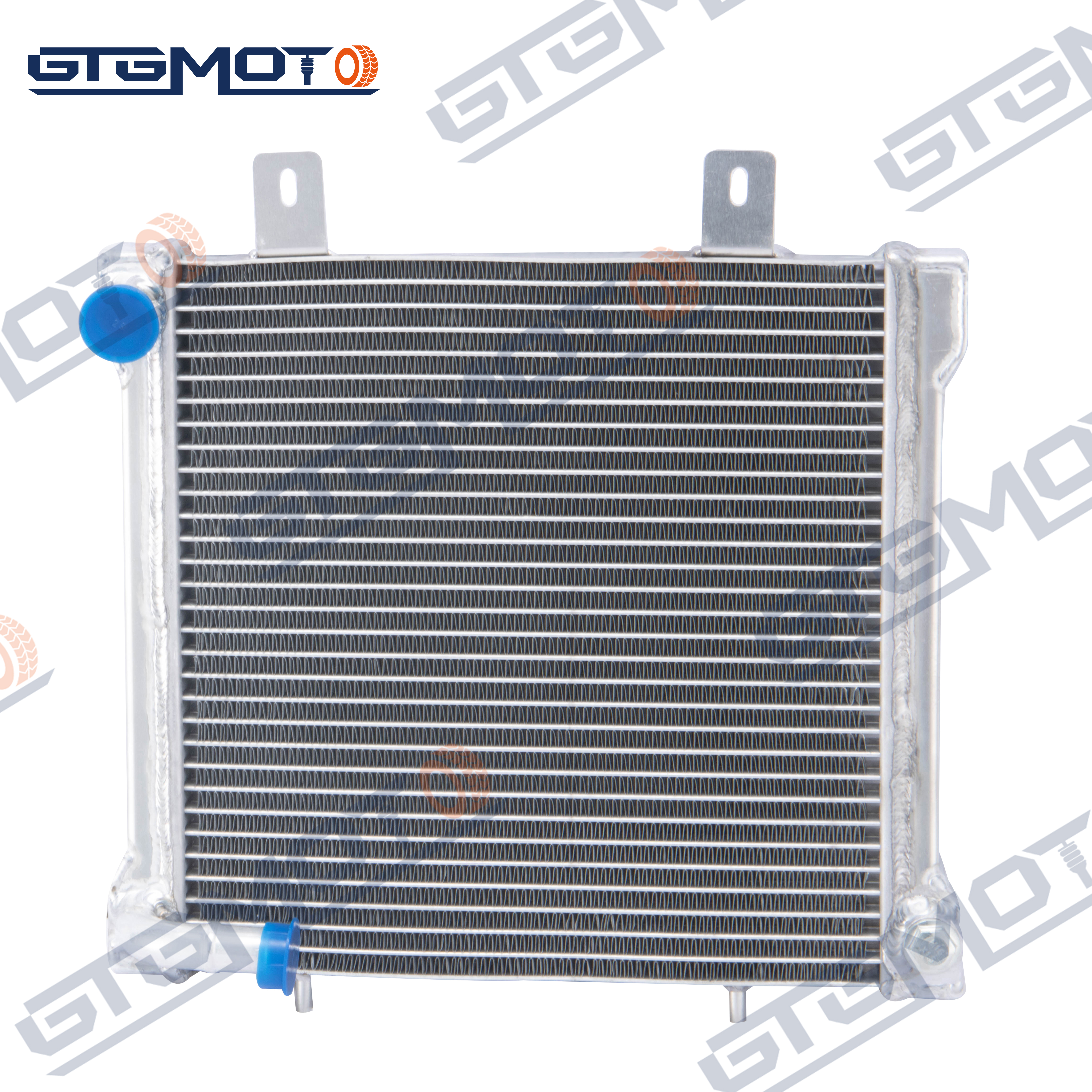
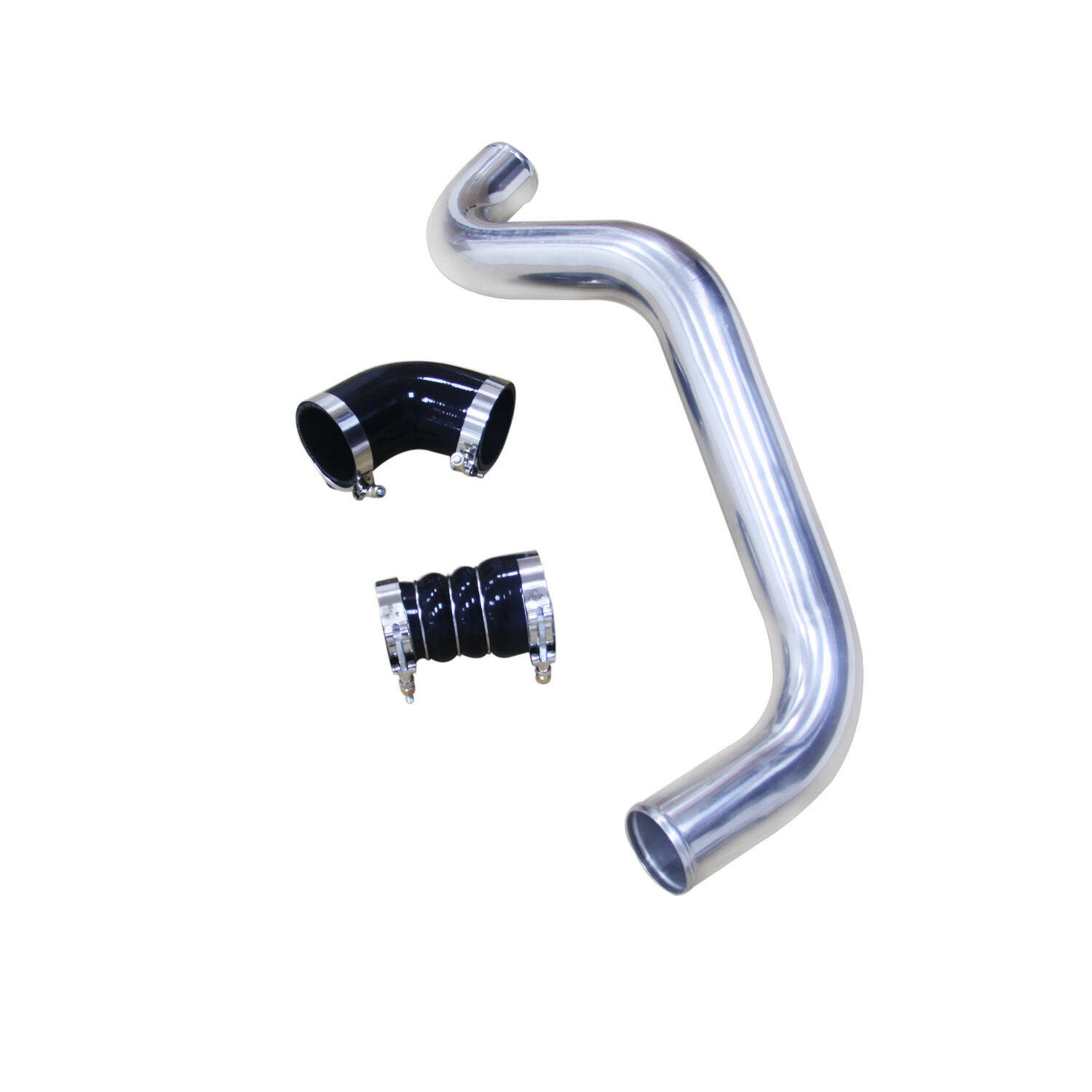
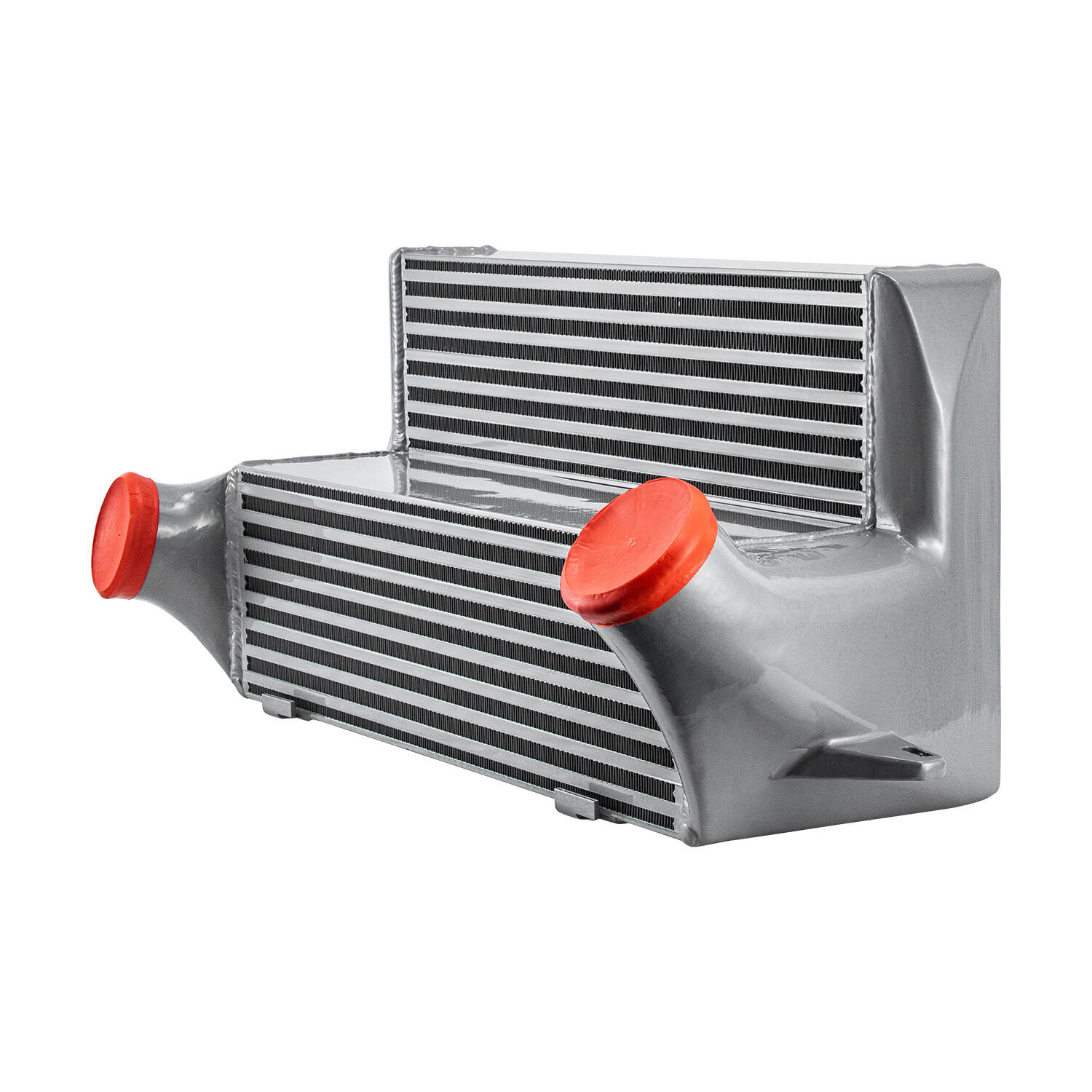
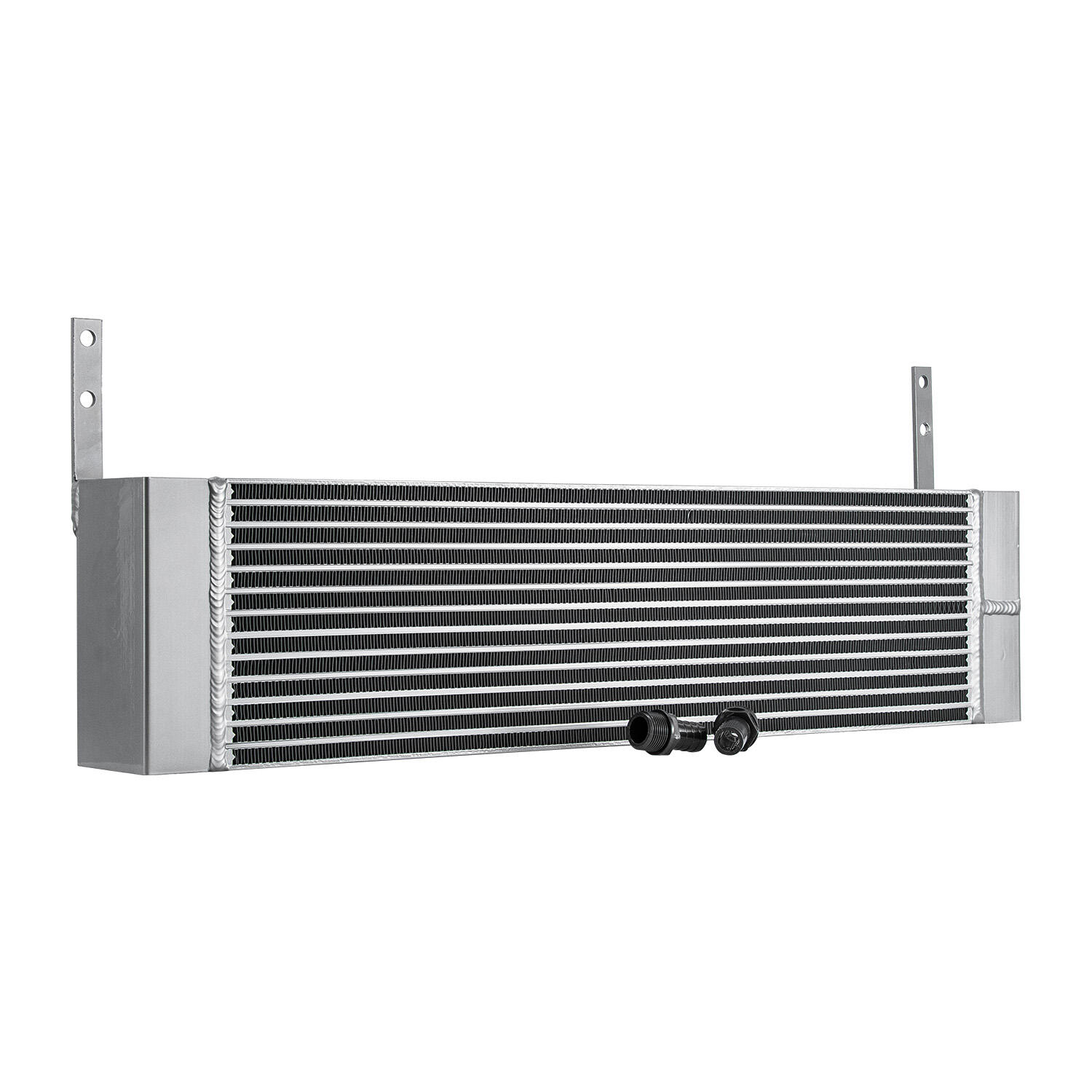
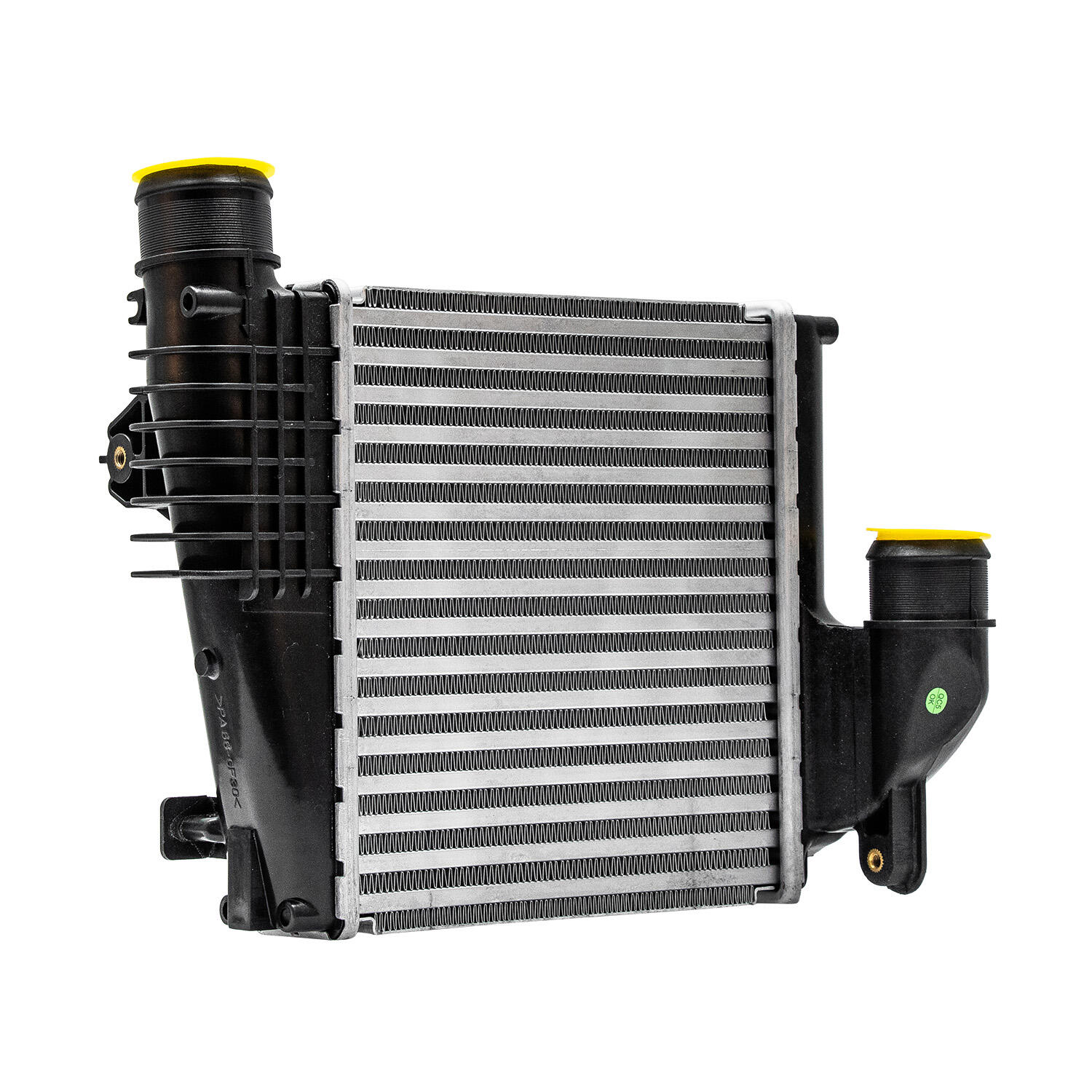
The demanding environment in which a performance intercooler operates requires construction quality that withstands extreme conditions while maintaining consistent performance over years of service. Unlike many automotive components that operate in relatively stable conditions, intercoolers face constant thermal cycling, vibration, pressure fluctuations, and exposure to road debris, moisture, and corrosive elements. Quality performance intercoolers address these challenges through robust construction methods and material selections that prioritize longevity alongside performance. The core itself must withstand repeated expansion and contraction as temperatures fluctuate from ambient to over 300 degrees Fahrenheit during operation, then back to ambient during cooling. This thermal cycling can fatigue inferior materials or weak joints, leading to leaks or structural failure. Performance intercoolers employ furnace-brazed construction where all joints between tubes, fins, and tanks are simultaneously bonded in a controlled atmosphere furnace, creating uniform, high-strength connections throughout the entire assembly. This manufacturing process produces joints stronger than the base materials themselves, eliminating weak points that could fail under stress. The aluminum alloys used in construction are specifically selected for their combination of thermal conductivity, strength, and corrosion resistance, with many manufacturers applying additional protective coatings to enhance durability in harsh environments. End tanks receive reinforcement in high-stress areas, particularly around inlet and outlet connections where pressure loads concentrate. Some performance intercoolers feature cast aluminum end tanks that provide superior strength compared to welded sheet metal alternatives, though quality welded designs using appropriate techniques and materials also deliver excellent durability. The mounting system receives equal attention, with robust brackets and hardware designed to secure the intercooler firmly while accommodating the slight movements that occur during engine operation. Vibration isolation where appropriate prevents stress concentration that could lead to fatigue failures. Pressure testing during manufacturing ensures each performance intercooler can safely handle boost levels well beyond typical operating pressures, providing a safety margin that protects against failure even under extreme conditions. Many manufacturers test their units to 100 PSI or higher, far exceeding the boost pressures encountered in most applications. The external finish, whether powder coating, anodizing, or specialized coatings, protects against corrosion from road salt, moisture, and environmental exposure. This attention to durability means a quality performance intercooler represents a one-time investment that continues delivering benefits throughout the vehicle's lifetime, maintaining its cooling efficiency and structural integrity through countless heat cycles and years of demanding service.