High-Performance Engine Intercoolers - Advanced Cooling Technology for Turbocharged Engines

All Categories

Get a Free Quote

Our representative will contact you soon.
Email
Name
Company Name
WhatsApp
Message
0/1000

engine intercooler

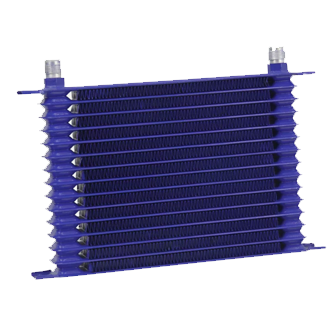
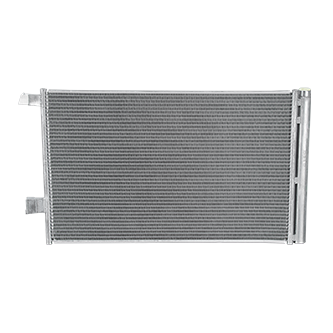
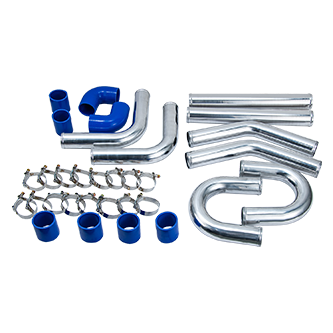
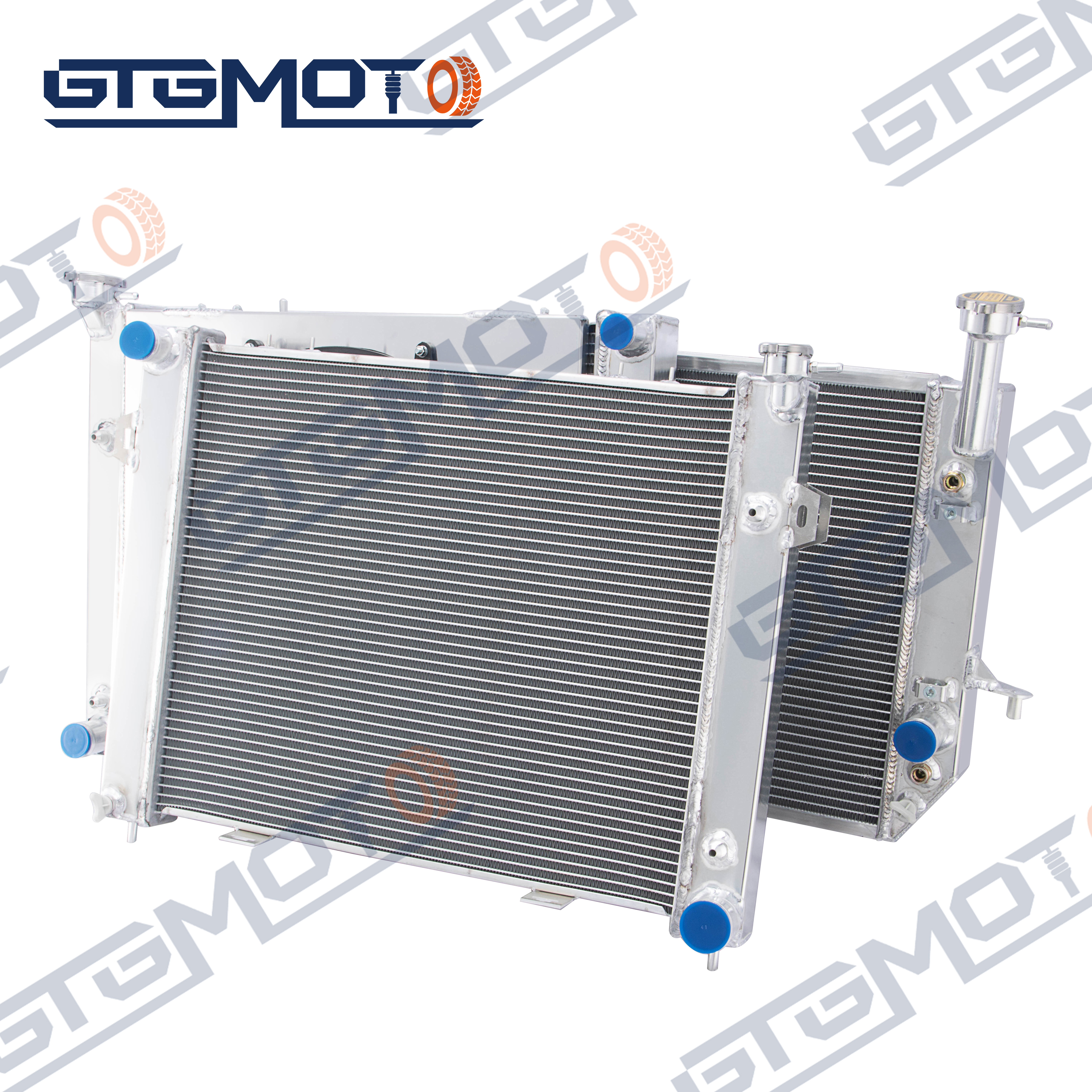
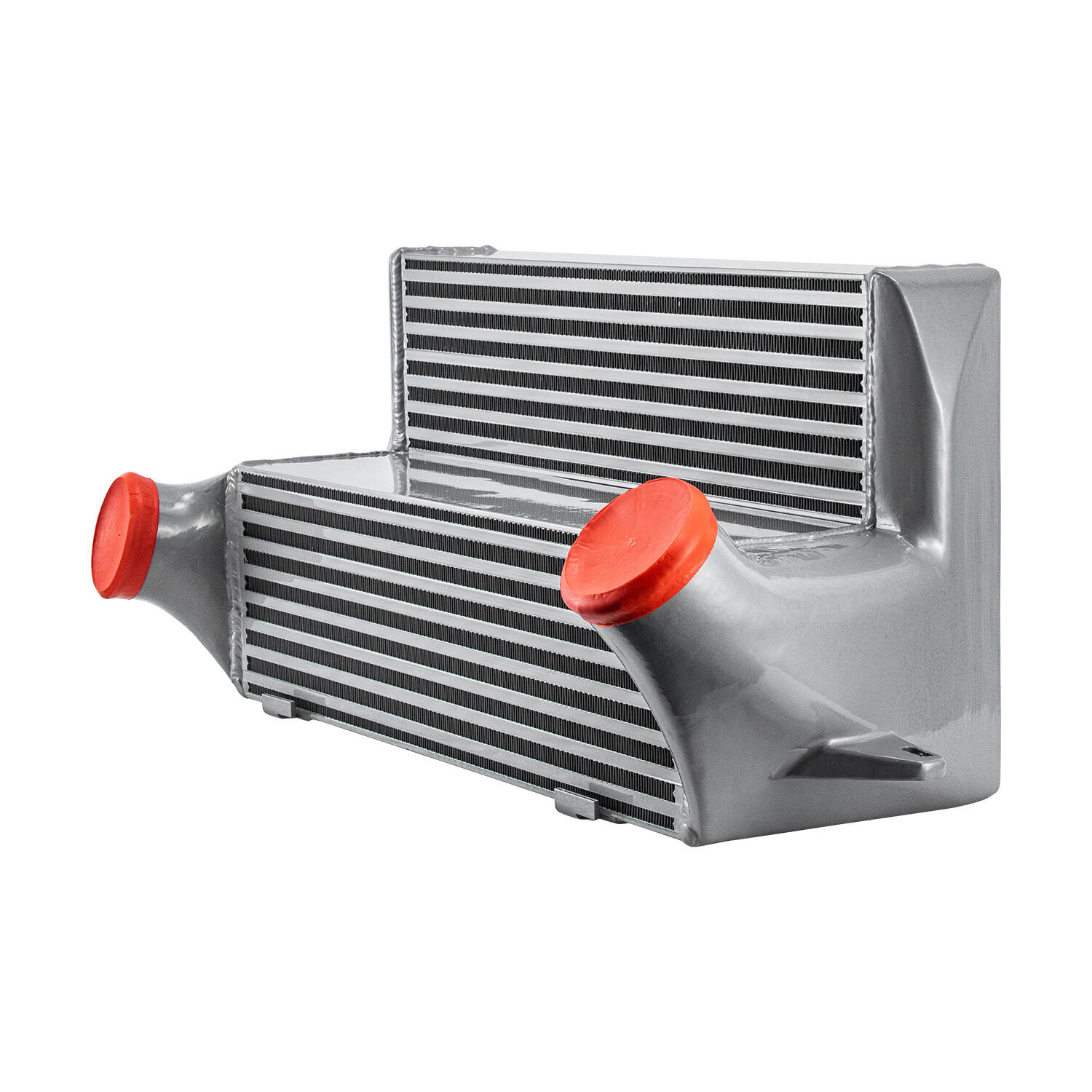
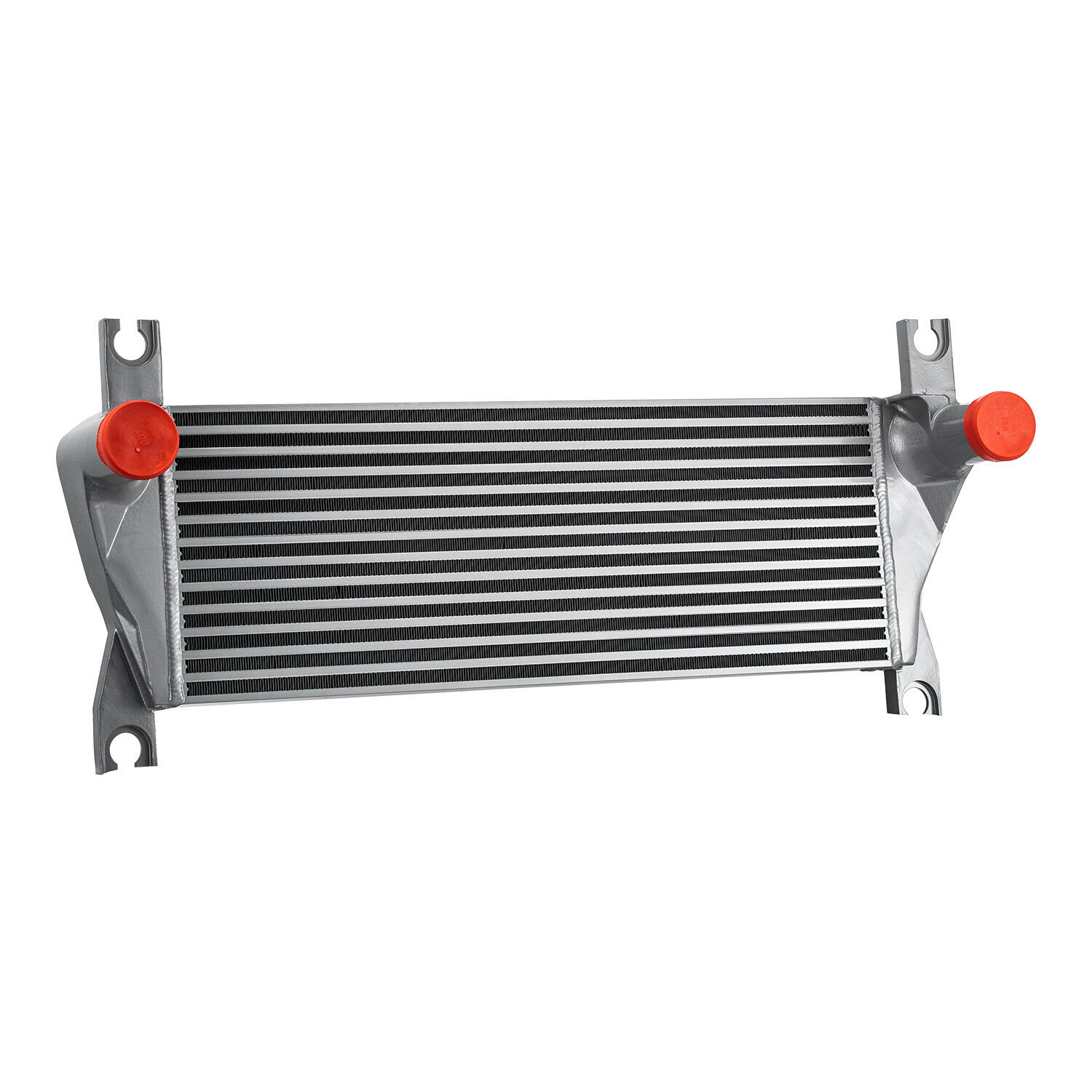
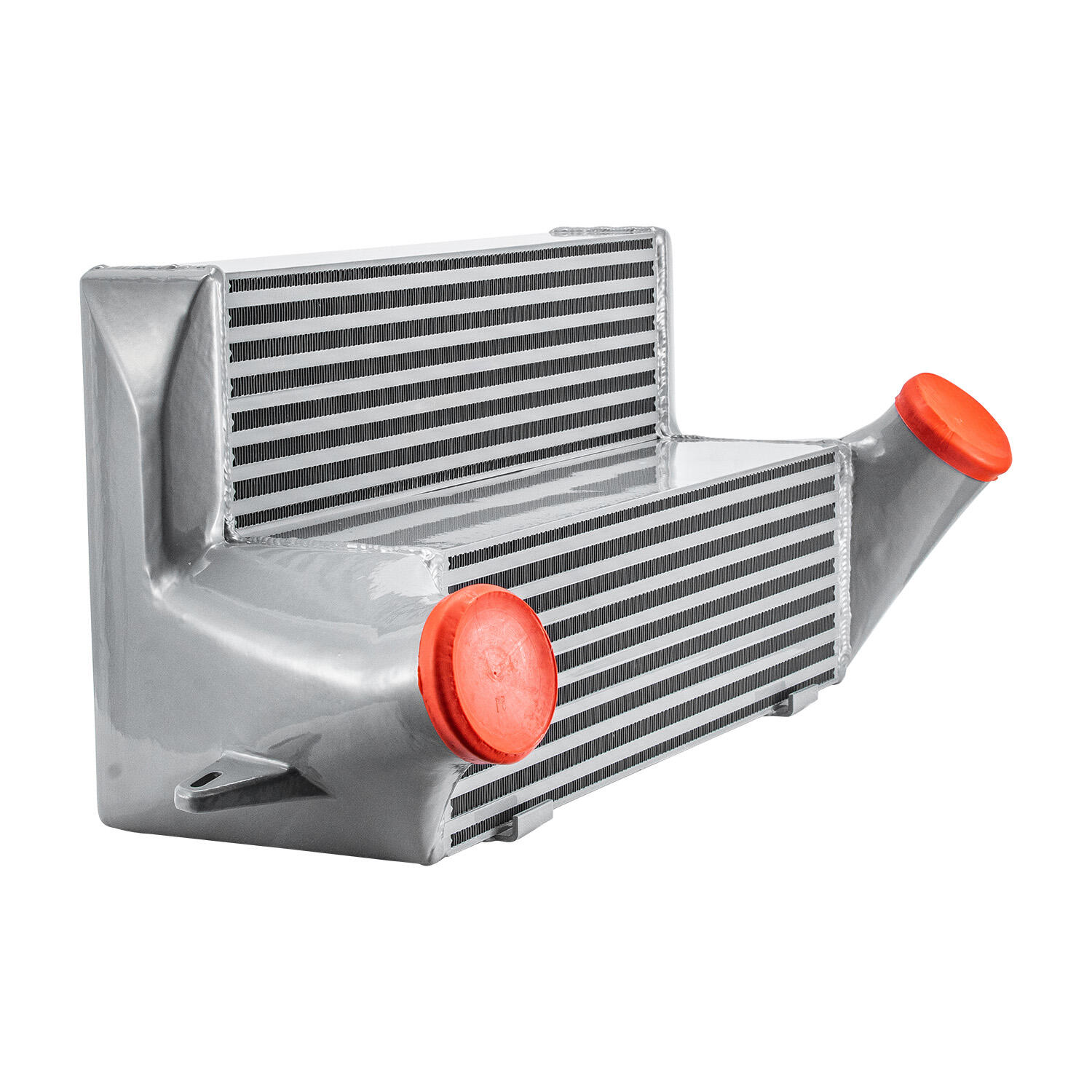
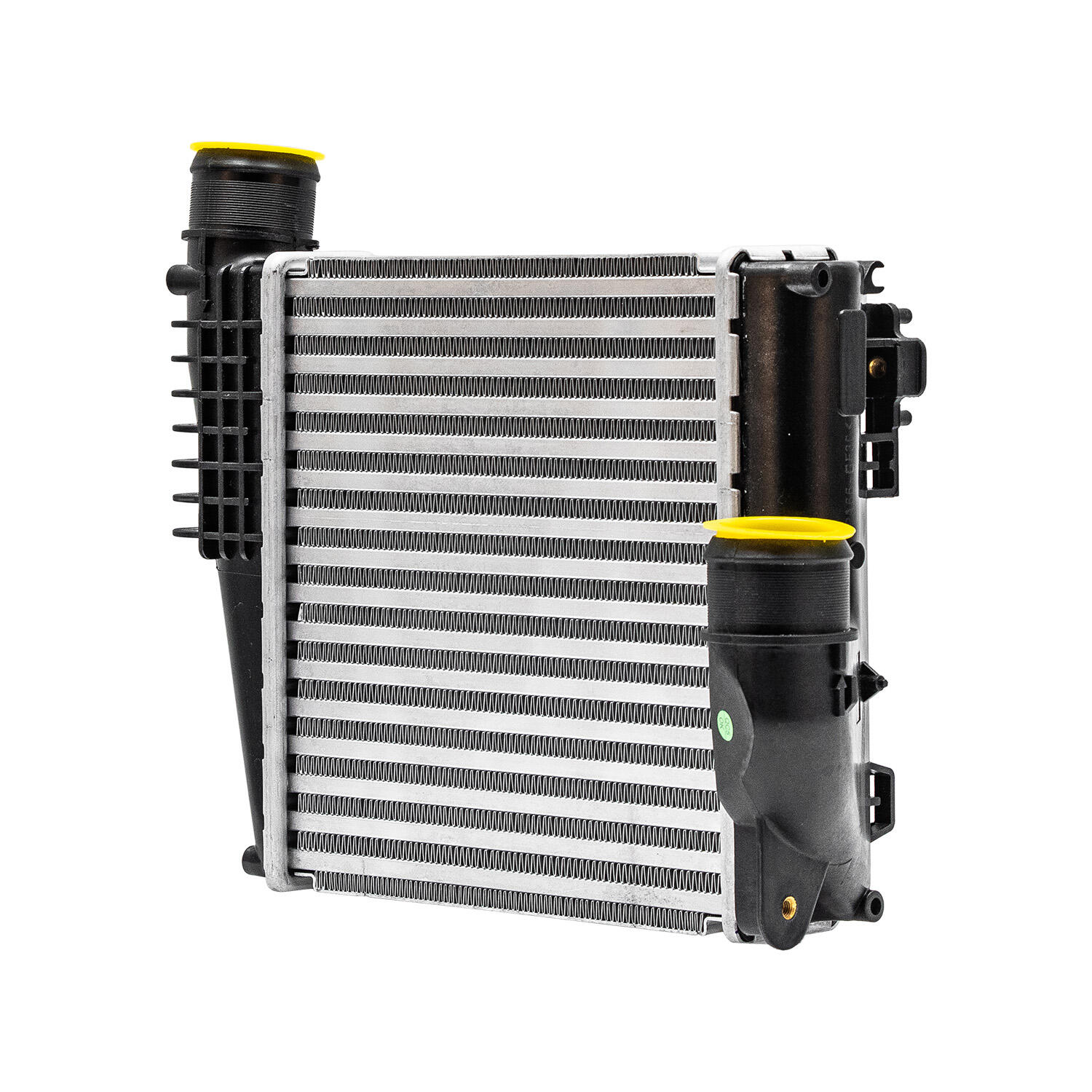
An engine intercooler serves as a critical component in turbocharged and supercharged engines, designed to enhance performance by cooling compressed air before it enters the combustion chamber. This heat exchanger device plays a vital role in maximizing engine efficiency and power output while maintaining optimal operating temperatures. The primary function of an engine intercooler involves reducing the temperature of compressed air that becomes heated during the turbocharging or supercharging process. When air passes through a turbocharger or supercharger, compression naturally increases its temperature, which reduces air density and oxygen content. The engine intercooler addresses this challenge by cooling the compressed air, thereby increasing its density and oxygen concentration, resulting in more efficient combustion and improved power generation. Technologically, engine intercoolers utilize advanced heat exchange principles, typically featuring aluminum construction with internal fin designs that maximize surface area contact with the compressed air. Most modern engine intercoolers employ either air-to-air or air-to-water cooling methods. Air-to-air intercoolers use ambient airflow to dissipate heat, while air-to-water systems utilize coolant circulation for temperature reduction. The internal structure consists of precisely engineered tubes and fins that create optimal airflow patterns while minimizing pressure drops across the system. Applications for engine intercoolers span numerous industries and vehicle types, including automotive performance vehicles, heavy-duty trucks, marine engines, industrial equipment, and motorsport applications. In automotive applications, engine intercoolers are essential for turbocharged gasoline and diesel engines, enabling manufacturers to achieve higher power outputs from smaller displacement engines while maintaining fuel efficiency standards. Commercial vehicles benefit significantly from engine intercooler technology, as it allows for increased torque delivery and improved pulling capacity under demanding operating conditions.

New Product Releases

Engine intercoolers deliver substantial benefits that directly impact vehicle performance, fuel economy, and engine longevity. Understanding these advantages helps potential customers make informed decisions about upgrading their engine systems. The most significant benefit of an engine intercooler is the dramatic increase in engine power output. By cooling compressed air before combustion, the intercooler increases air density, allowing more oxygen molecules to enter each cylinder. This oxygen-rich mixture burns more completely, generating significantly more power from each combustion cycle. Drivers experience noticeable improvements in acceleration, pulling power, and overall engine responsiveness, particularly during high-demand situations like highway merging or heavy load hauling. Fuel efficiency represents another major advantage of engine intercooler systems. Cooler, denser air creates more efficient combustion, meaning engines extract more energy from each drop of fuel. This improved combustion efficiency translates to better miles per gallon ratings and reduced operating costs over time. Fleet operators and individual vehicle owners alike benefit from these fuel savings, which compound significantly over thousands of miles of operation. Engine protection constitutes a crucial benefit that extends equipment lifespan and reduces maintenance expenses. The engine intercooler prevents excessive combustion temperatures that can damage pistons, valves, and cylinder heads. By maintaining optimal temperature ranges, intercoolers reduce thermal stress on engine components, minimizing wear and preventing costly repairs. This protective function is especially valuable in commercial applications where engine replacement costs can reach tens of thousands of dollars. Performance consistency under varying conditions represents another key advantage. Without an engine intercooler, compressed air temperatures fluctuate based on ambient conditions and engine load, creating inconsistent power delivery. Intercoolers stabilize intake air temperatures, ensuring predictable engine performance regardless of weather conditions or operating demands. This reliability is essential for applications requiring consistent power output, such as emergency vehicles, construction equipment, and transportation services. Installation flexibility makes engine intercoolers attractive for various applications. Modern intercooler designs accommodate different mounting configurations and space constraints, allowing integration into existing engine bays without extensive modifications. This adaptability enables cost-effective performance upgrades for both new and existing vehicles.

Tips And Tricks

2025 Control Arm Buying Guide: OEM vs Performance Options

27

Aug

2025 Control Arm Buying Guide: OEM vs Performance Options

Understanding the Critical Role of Control Arms in Vehicle Suspension Control arms serve as one of the most fundamental components in your vehicle's suspension system, acting as the crucial link between the frame and steering knuckle. This vital part...
View More
AI-Assisted Control Arm Diagnostics: 2025 Repair Trends

27

Aug

AI-Assisted Control Arm Diagnostics: 2025 Repair Trends

The Evolution of Automotive Suspension Diagnostics The automotive repair industry stands at the cusp of a revolutionary transformation as artificial intelligence reshapes control arm diagnostics. Traditional methods of identifying suspension issues a...
View More
2025 Intercooler Technology: Cooling Solutions for Turbo EVs

19

Oct

2025 Intercooler Technology: Cooling Solutions for Turbo EVs

Revolutionizing EV Performance with Advanced Cooling Systems The automotive industry stands at the cusp of a major transformation as intercooler technology evolves to meet the unique demands of turbocharged electric vehicles. Traditional cooling syst...
View More
What criteria should fleet buyers use when sourcing AC condensers?

27

Jan

What criteria should fleet buyers use when sourcing AC condensers?

Fleet managers face critical decisions when sourcing automotive components, particularly when it comes to air conditioning systems. The ac condenser represents one of the most essential components in vehicle climate control, directly impacting driver...
View More

Get a Free Quote

Our representative will contact you soon.
Email
Name
Company Name
WhatsApp
Message
0/1000

engine intercooler

Advanced Heat Exchange Technology for Maximum Cooling Efficiency

Advanced Heat Exchange Technology for Maximum Cooling Efficiency

The engineering excellence behind modern engine intercooler design centers on sophisticated heat exchange technology that maximizes cooling efficiency while minimizing airflow restrictions. This advanced technology employs precision-manufactured aluminum cores with optimized fin configurations that create maximum surface area contact between the hot compressed air and the cooling medium. The internal structure features carefully designed tube geometries that promote turbulent airflow patterns, ensuring thorough heat transfer throughout the entire intercooler core. These engineering innovations result in temperature reductions of up to 200 degrees Fahrenheit, transforming hot compressed air into cool, dense charge air that dramatically improves combustion efficiency. The fin design utilizes computational fluid dynamics modeling to achieve optimal heat dissipation while maintaining minimal pressure drop across the intercooler system. This balance is crucial because excessive pressure drop would negate the benefits of intercooling by reducing the amount of air reaching the engine. Advanced manufacturing techniques ensure consistent fin spacing and precise tube dimensions that maintain peak performance under varying operating conditions. The cooling efficiency extends beyond simple temperature reduction, as the engine intercooler technology actively manages air density to maximize oxygen content per unit volume. This density increase directly correlates to power output improvements, as engines can burn more fuel efficiently when supplied with oxygen-rich intake air. The heat exchange process also removes moisture from the compressed air, preventing potential engine knock and detonation issues that can cause severe engine damage. Furthermore, the advanced heat exchange technology incorporated in modern engine intercoolers includes anti-corrosion treatments and protective coatings that ensure long-term durability in harsh operating environments. These protective measures prevent degradation from road salt, moisture, and temperature cycling, maintaining peak cooling performance throughout the intercooler's service life. The result is a reliable cooling solution that consistently delivers performance benefits while requiring minimal maintenance intervention.
Robust Construction for Long-Term Durability and Performance

Robust Construction for Long-Term Durability and Performance

Engine intercooler construction quality determines both immediate performance capabilities and long-term reliability, making robust design essential for demanding applications. Premium engine intercoolers feature heavy-duty aluminum construction that withstands extreme temperature variations, vibration, and pressure fluctuations inherent in turbocharged engine operation. The aluminum material selection provides excellent thermal conductivity properties while maintaining lightweight characteristics that minimize impact on vehicle weight distribution and fuel economy. Structural integrity begins with precision welding techniques that create leak-proof connections between all intercooler components. These welded joints undergo rigorous pressure testing to ensure they maintain seal integrity under boost pressures that can exceed 30 PSI in high-performance applications. The welding process utilizes advanced techniques that prevent heat-affected zone weakening, ensuring joint strength matches or exceeds base material specifications. End tank construction represents a critical durability factor, as these components experience the highest stress concentrations during operation. Robust engine intercooler designs incorporate reinforced end tanks with internal support structures that distribute stress loads evenly across the entire assembly. These tanks feature smooth internal surfaces that promote optimal airflow while eliminating sharp edges that could create turbulence or restriction. The mounting system design considers real-world installation challenges and operational stresses. Heavy-duty mounting brackets distribute loads across multiple attachment points, preventing stress concentration that could lead to cracking or failure. Vibration isolation features protect the intercooler core from engine vibrations that could cause fatigue failure over time. Quality control processes ensure every engine intercooler meets stringent durability standards through comprehensive testing procedures. These tests simulate years of operation under extreme conditions, including thermal cycling, pressure cycling, and vibration exposure. Only intercoolers that successfully complete these durability tests receive approval for commercial distribution. The robust construction approach extends to internal component design, where reinforced tube walls resist collapse under high boost pressures while maintaining optimal heat transfer characteristics. This attention to structural detail ensures consistent performance throughout the intercooler's operational life, providing customers with reliable return on their performance investment.
Versatile Applications Across Multiple Industries and Vehicle Types

Versatile Applications Across Multiple Industries and Vehicle Types

The versatility of modern engine intercooler technology enables successful implementation across diverse industries and vehicle types, from passenger cars to heavy industrial equipment. This adaptability stems from scalable design principles that accommodate varying displacement engines, boost pressure requirements, and space constraints while maintaining optimal cooling performance. Automotive applications represent the largest market segment, where engine intercoolers enhance turbocharged gasoline and diesel engines in passenger vehicles, SUVs, and light trucks. These installations improve daily driving performance while meeting increasingly stringent emissions regulations through more efficient combustion processes. Performance enthusiasts benefit from aftermarket engine intercooler upgrades that unlock additional power potential in modified vehicles, while original equipment manufacturers integrate intercoolers to achieve downsized engine targets without sacrificing performance expectations. Commercial trucking applications demonstrate the critical importance of engine intercooler technology in heavy-duty operations. Long-haul trucks equipped with intercooled engines deliver superior fuel economy and power output, directly impacting transportation company profitability. The enhanced torque characteristics provided by intercooling technology enable trucks to maintain highway speeds on steep grades while pulling maximum legal loads, improving delivery schedules and reducing operating costs. Marine applications present unique challenges where engine intercooler systems must function reliably in corrosive saltwater environments while providing consistent power for propulsion and auxiliary systems. Marine-specific intercooler designs incorporate additional corrosion protection and specialized mounting systems that accommodate engine room space constraints and vibration characteristics unique to watercraft installations. Industrial and construction equipment benefit significantly from engine intercooler technology, where consistent power output and fuel efficiency directly impact productivity and operating costs. Excavators, bulldozers, generators, and other heavy machinery equipped with intercooled engines maintain peak performance under demanding load conditions while extending service intervals and reducing maintenance requirements. Agricultural applications represent another growing market where engine intercooler technology improves tractor and harvester performance during peak seasonal demands. The ability to maintain consistent power output during extended operating periods helps farmers complete critical tasks within tight scheduling windows. Motorsport applications push engine intercooler technology to extreme performance limits, where cooling efficiency and minimal pressure drop directly influence competitive success. Racing intercoolers incorporate cutting-edge materials and manufacturing techniques that eventually find their way into consumer applications.
Get a Quote Get a Quote Email Email WhatsApp WhatsApp WeChat WeChat
WeChat
TopTop

Get a Free Quote

Our representative will contact you soon.
Email
Name
Company Name
WhatsApp
Message
0/1000

Get a Free Quote

Our representative will contact you soon.
Email
Name
Company Name
WhatsApp
Message
0/1000

Get a Free Quote

Our representative will contact you soon.
Email
Name
Company Name
WhatsApp
Message
0/1000