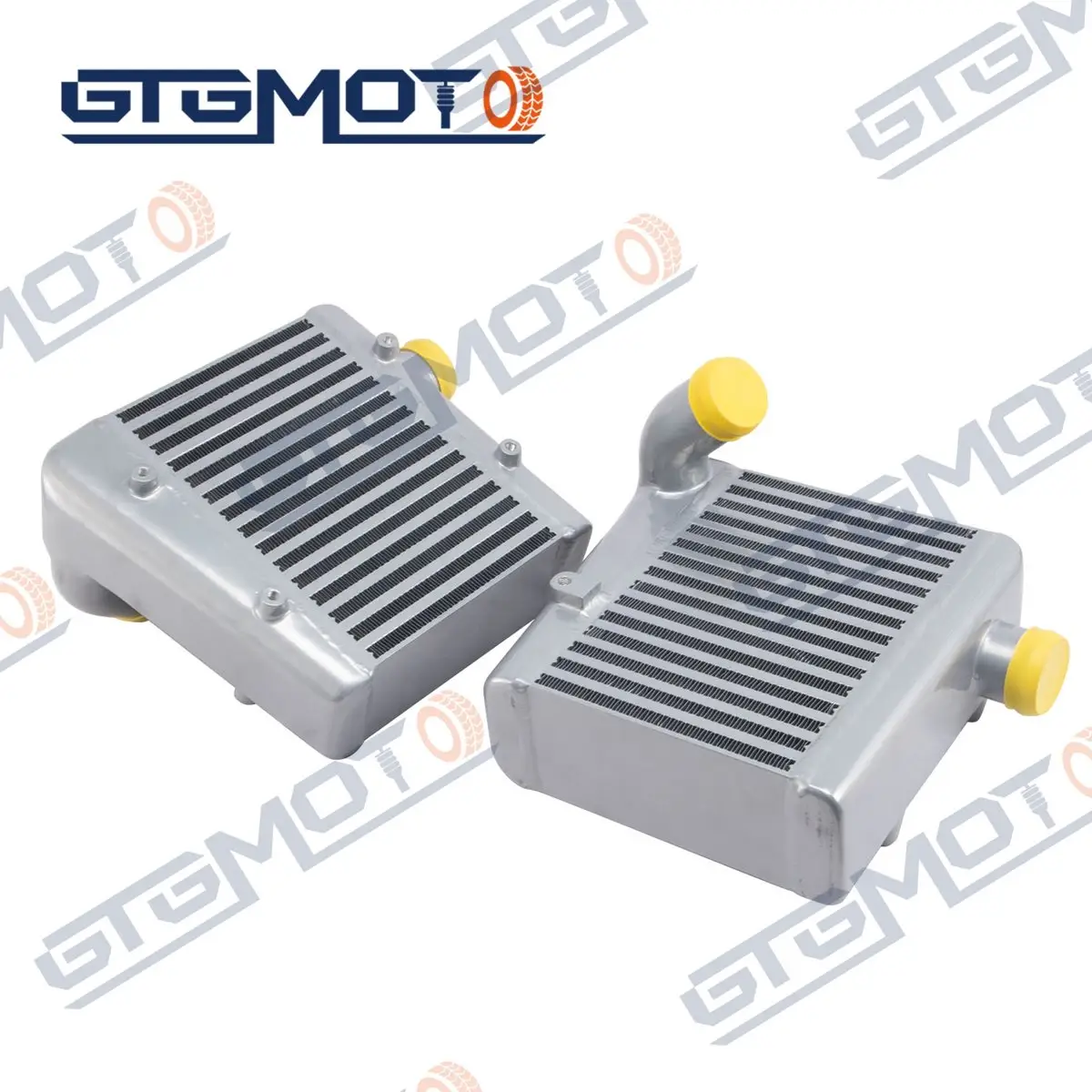
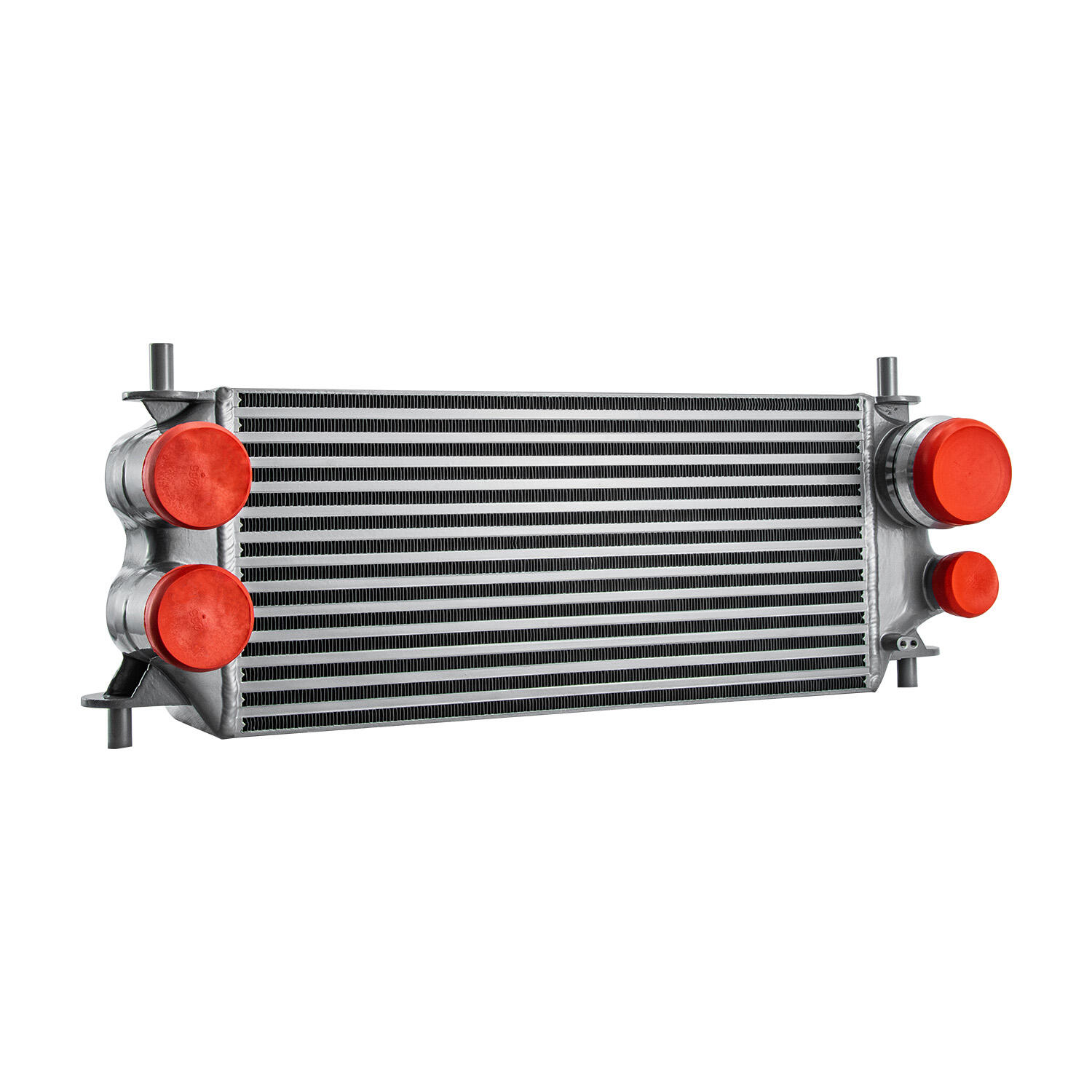
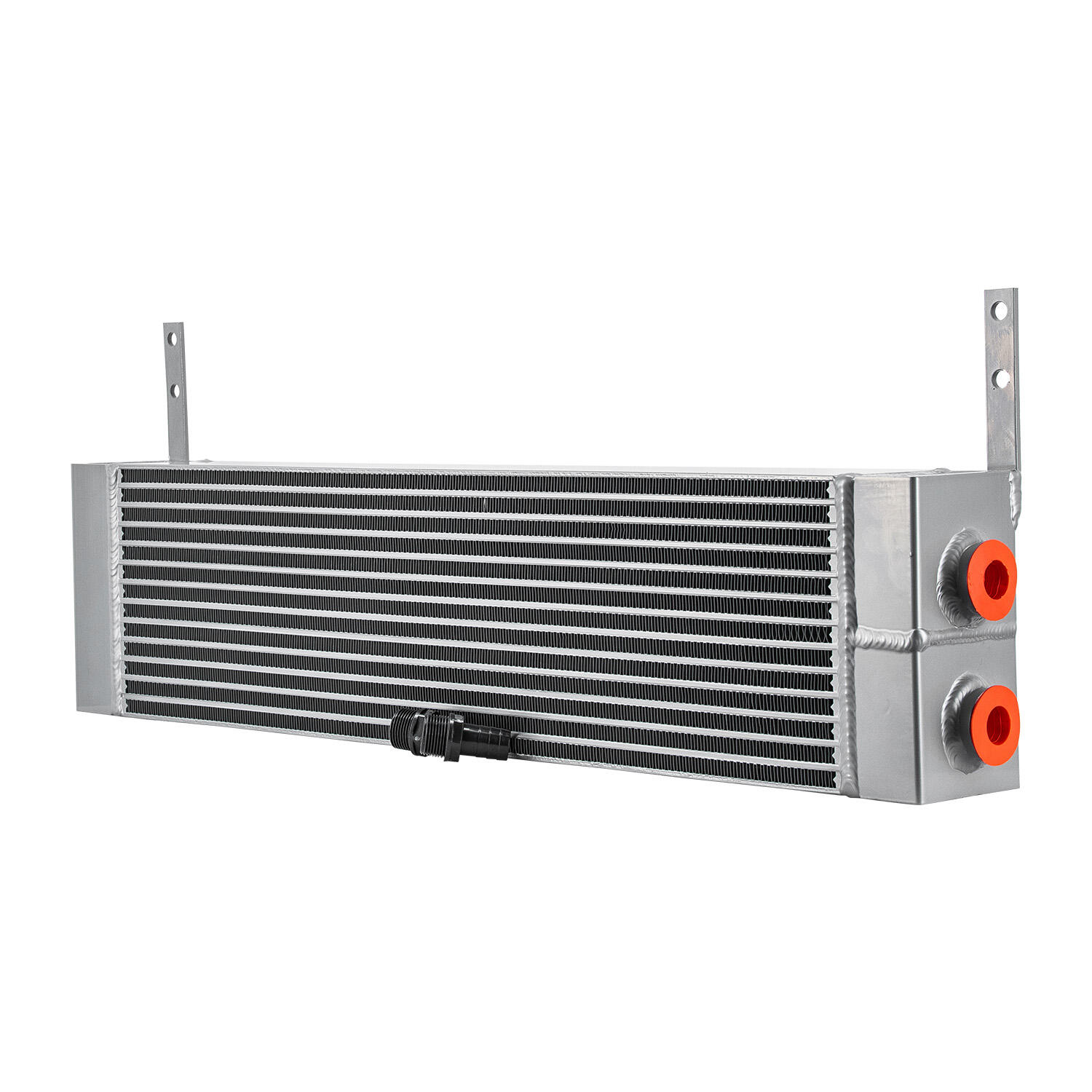
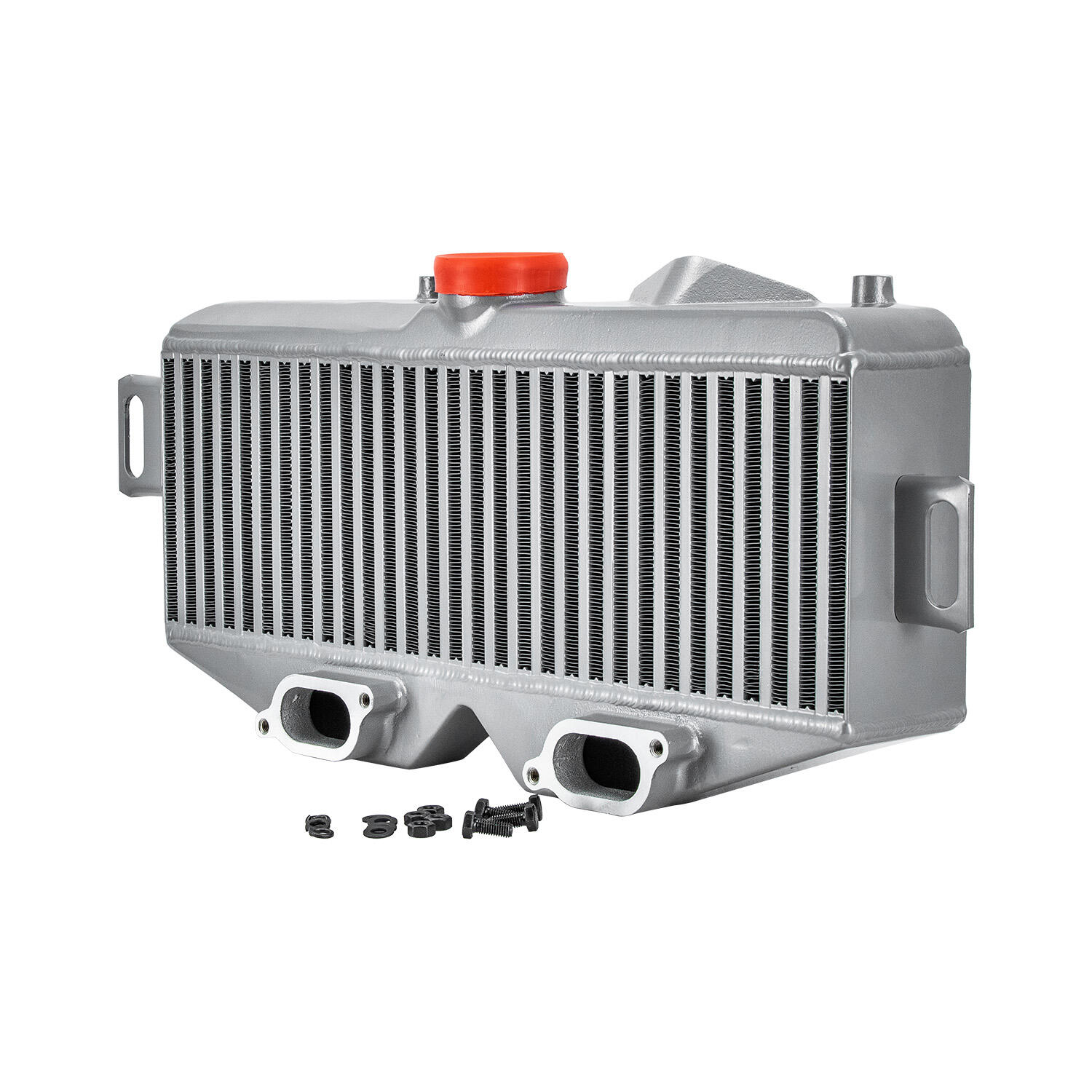
water cooled intercooler
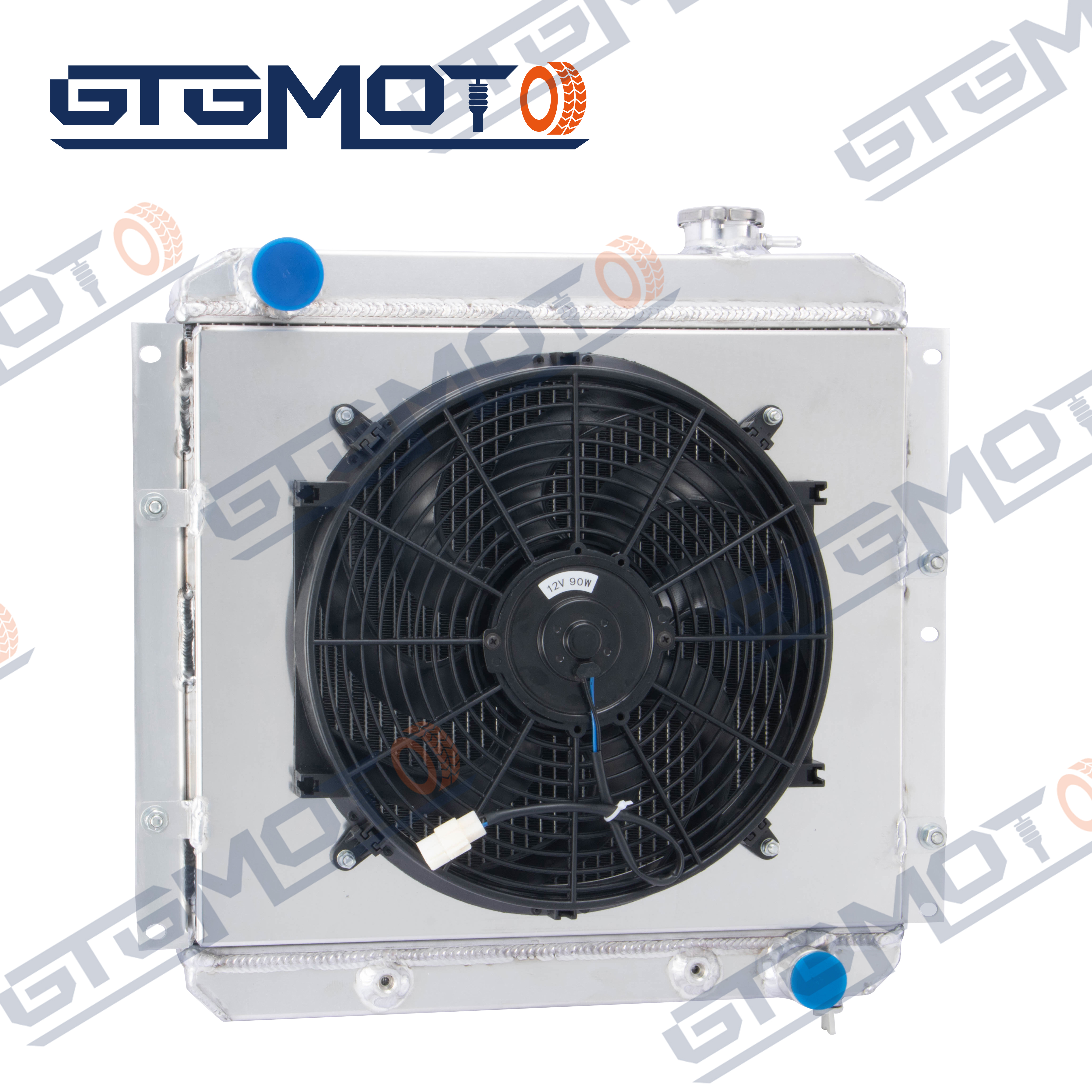
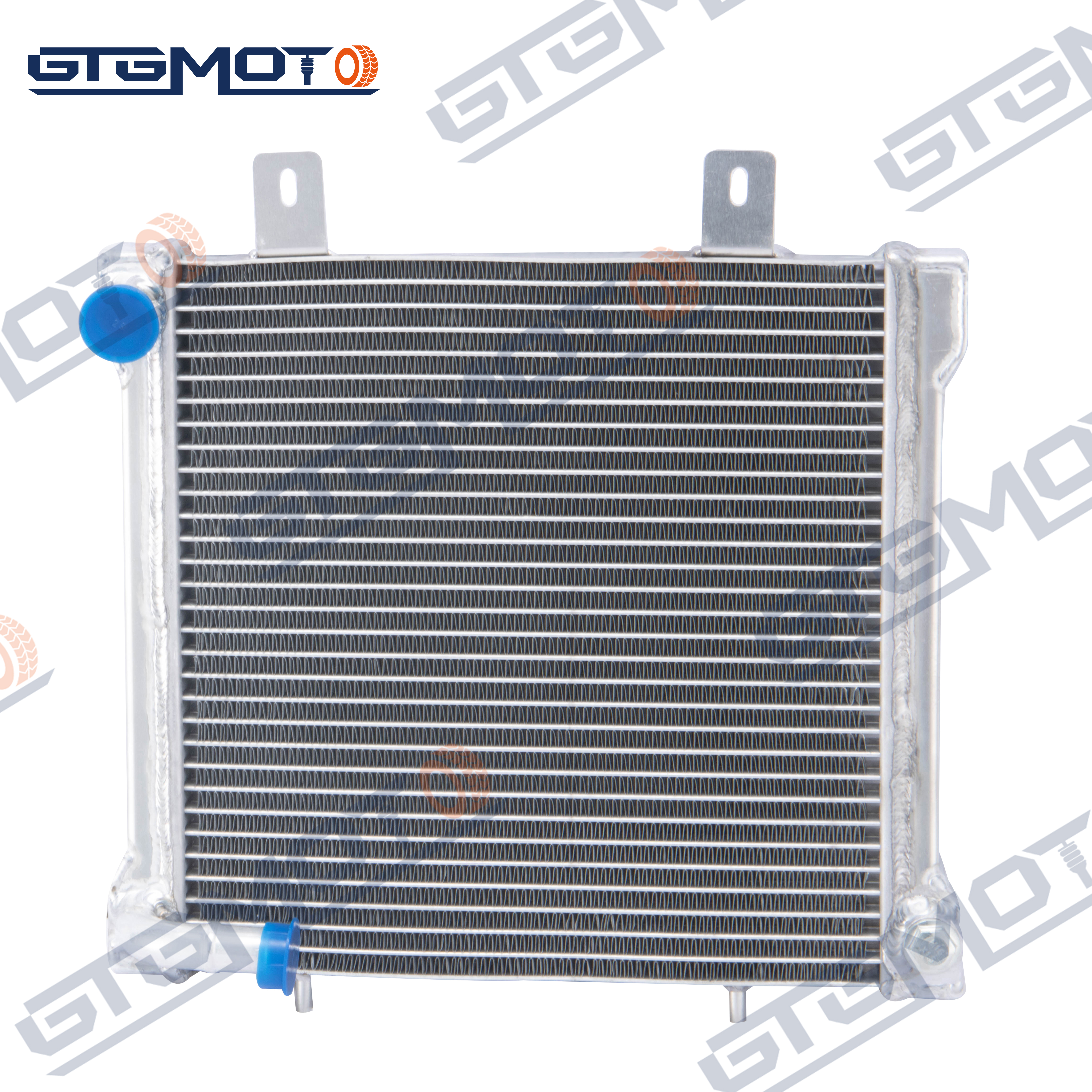
A water cooled intercooler represents an advanced thermal management solution designed to reduce the temperature of compressed air in turbocharged and supercharged engines. Unlike traditional air-to-air intercoolers that rely on ambient airflow, this system uses coolant liquid as the heat transfer medium, creating a more efficient cooling process. The primary function involves extracting heat from the pressurized intake air before it enters the engine combustion chamber, which directly improves engine performance, fuel efficiency, and overall reliability. The water cooled intercooler operates through a closed-loop cooling circuit where coolant absorbs heat from the hot compressed air passing through the heat exchanger core. This heated coolant then flows to a separate radiator where it releases the absorbed thermal energy to the atmosphere. The technological design incorporates precision-engineered passages that maximize surface contact between the intake air and the cooling medium, ensuring optimal heat transfer rates. Modern water cooled intercooler systems feature compact dimensions that allow flexible mounting locations within the engine bay, making them particularly valuable for vehicles with limited space or specific aerodynamic requirements. The applications span across high-performance automotive vehicles, racing cars, marine engines, industrial machinery, and commercial trucks where consistent cooling performance matters regardless of vehicle speed or ambient conditions. This cooling technology proves especially beneficial in stop-and-go traffic situations, low-speed operations, or stationary applications where traditional intercoolers struggle due to insufficient airflow. The water cooled intercooler maintains stable intake temperatures even during extended periods of high boost pressure, protecting engine components from heat-related stress and detonation risks. Installation typically integrates with the existing cooling system infrastructure, utilizing the engine's coolant reservoir and pump to circulate the cooling fluid through the intercooler core and dedicated heat exchanger.