Extended Engine Longevity Through Comprehensive Thermal Protection
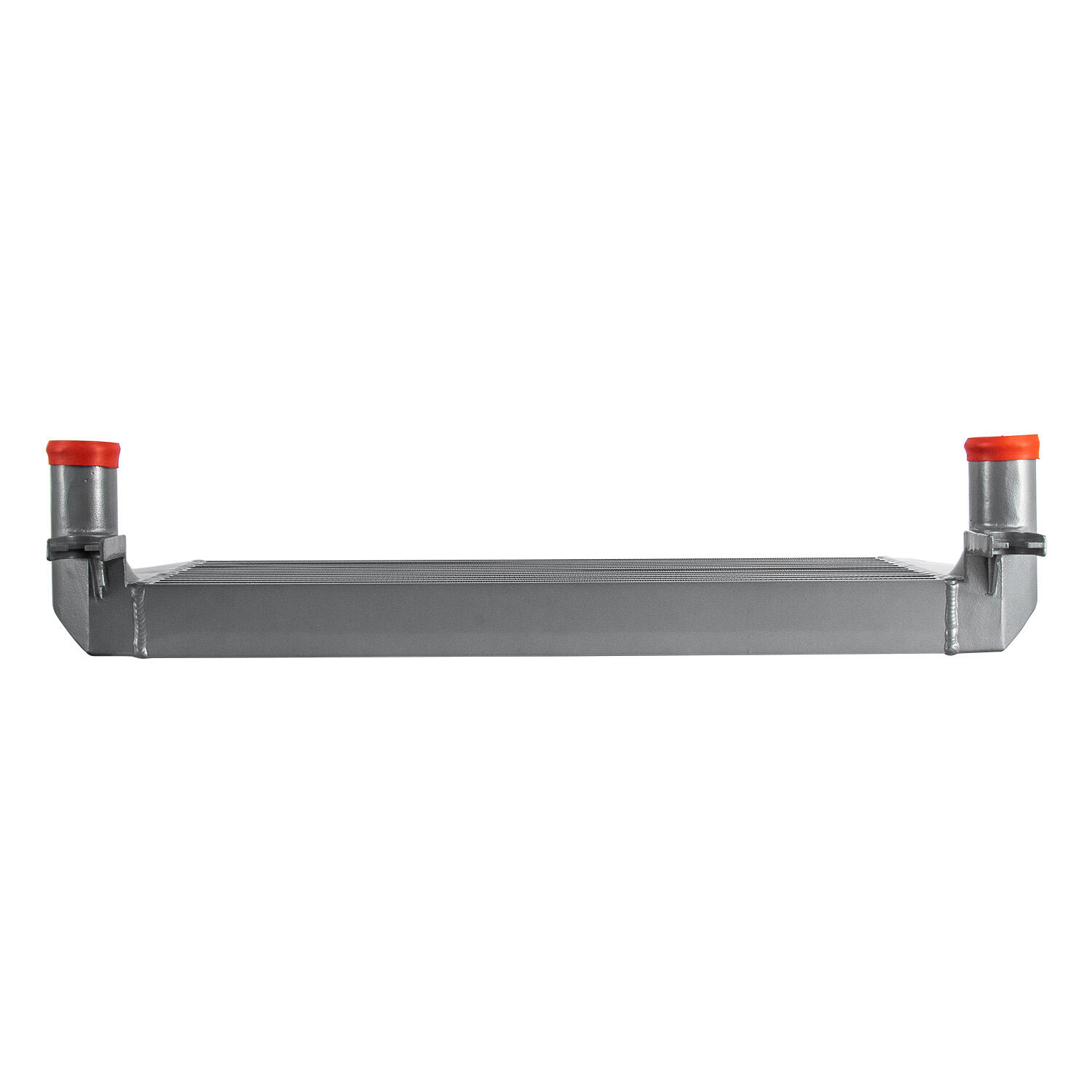
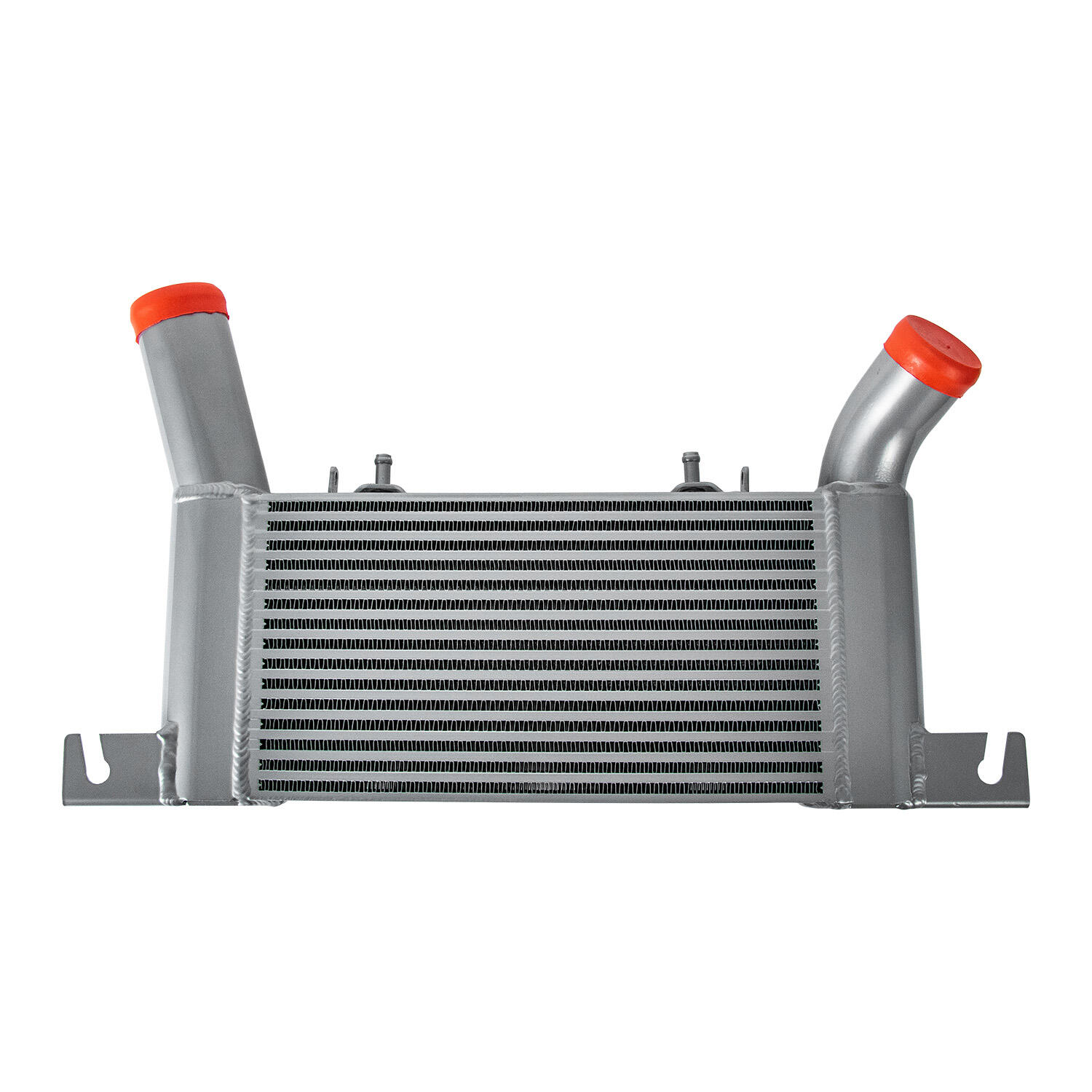
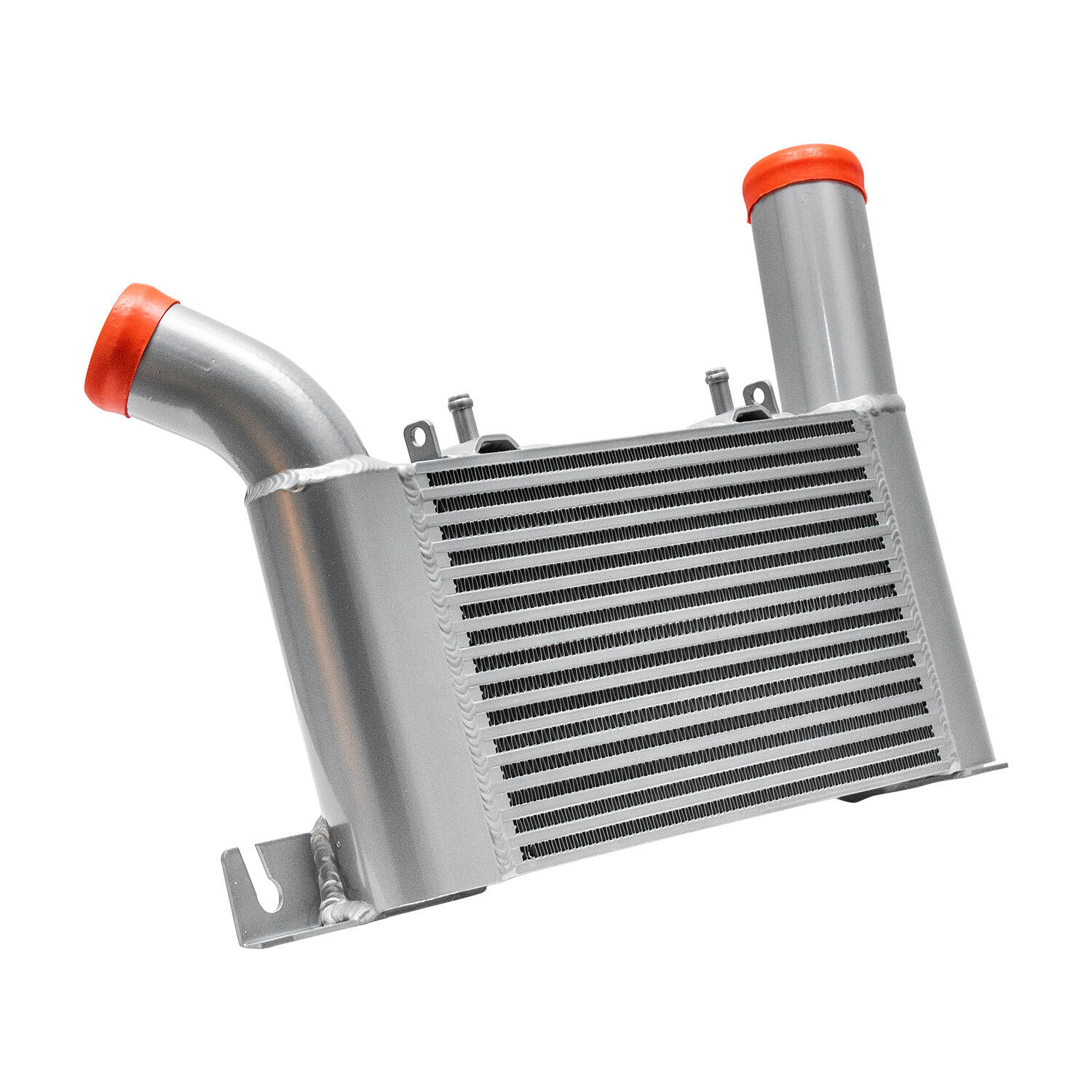
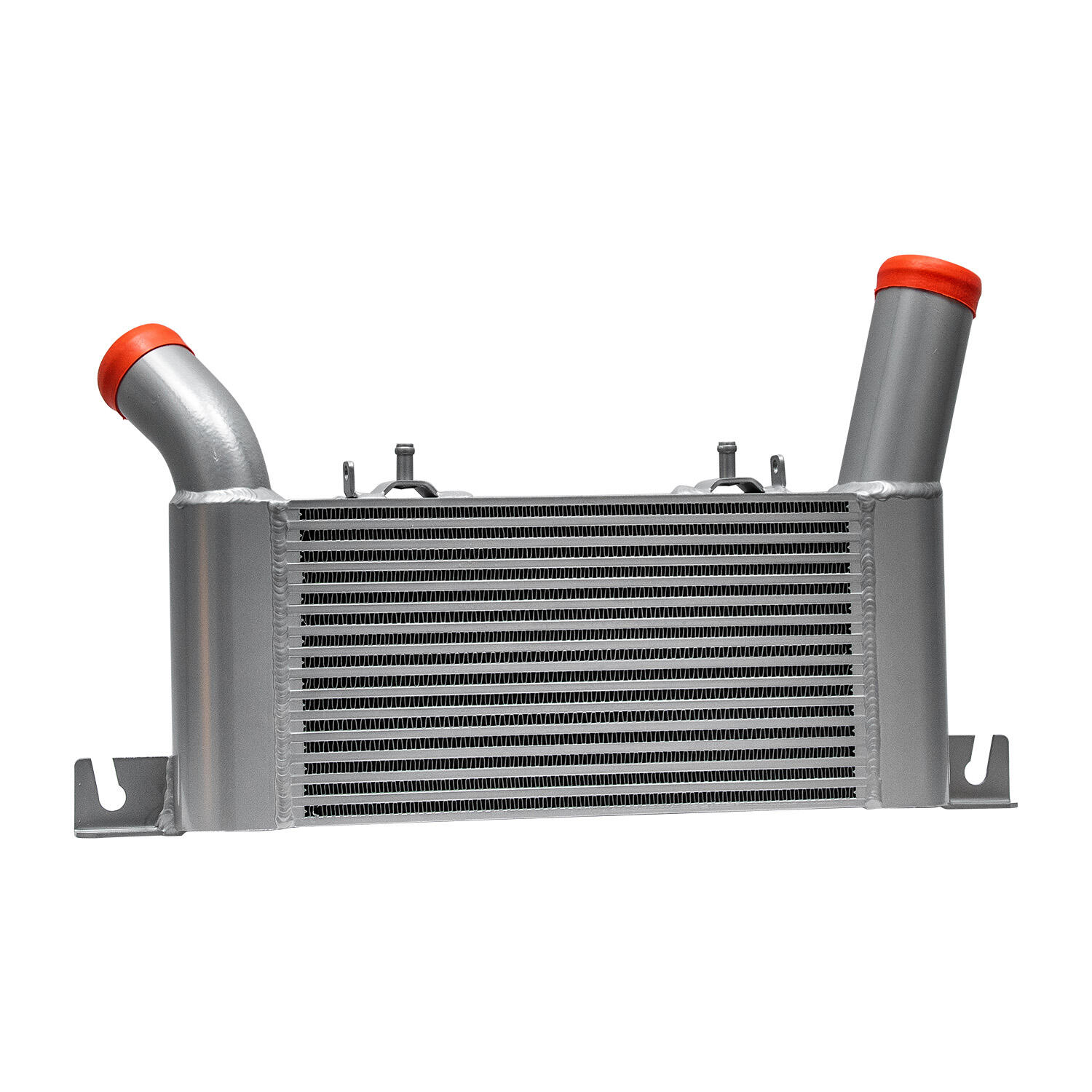
The intake intercooler serves as a vital safeguard that protects expensive engine components from heat-related damage and premature wear. Excessive intake air temperatures create multiple failure modes that compromise engine reliability and longevity. When hot compressed air enters combustion chambers, it increases the likelihood of detonation, a destructive phenomenon where fuel ignites spontaneously before the spark plug fires. Detonation generates shock waves that hammer pistons, connecting rods, and bearings with forces far exceeding normal combustion pressures. Over time, this abuse causes piston ring land fractures, bearing failures, and cylinder head gasket breaches that require costly repairs. The intake intercooler prevents these scenarios by maintaining intake temperatures within safe operating ranges that eliminate detonation risk. Additionally, cooler intake air reduces overall combustion temperatures, which decreases thermal stress on valves, valve seats, and exhaust components. Exhaust valves particularly benefit from lower combustion temperatures, as these components operate at extreme temperatures and rely on heat dissipation through valve seats for cooling. By reducing peak combustion temperatures, the intake intercooler extends valve life and reduces the frequency of valve-related maintenance. The turbocharger itself experiences less thermal stress when the intake intercooler functions effectively, because efficient combustion produces lower exhaust gas temperatures. This thermal relief preserves turbocharger bearings, seals, and turbine wheels, which are expensive components prone to failure under sustained high-temperature operation. Engine oil also benefits from the intake intercooler's thermal management, as lower overall engine temperatures reduce oil degradation rates and extend service intervals. The cumulative effect of these protective benefits translates to significantly lower total cost of ownership for turbocharged vehicles. Owners experience fewer unexpected breakdowns, reduced maintenance expenses, and longer intervals between major service requirements. Fleet operators particularly value the intake intercooler's contribution to vehicle uptime and reliability, as unplanned maintenance disrupts operations and increases costs substantially.