High-Performance Intercooler Radiator Solutions - Advanced Engine Cooling Technology

All Categories

Get a Free Quote

Our representative will contact you soon.
Email
Name
Company Name
WhatsApp
Message
0/1000

intercooler radiator

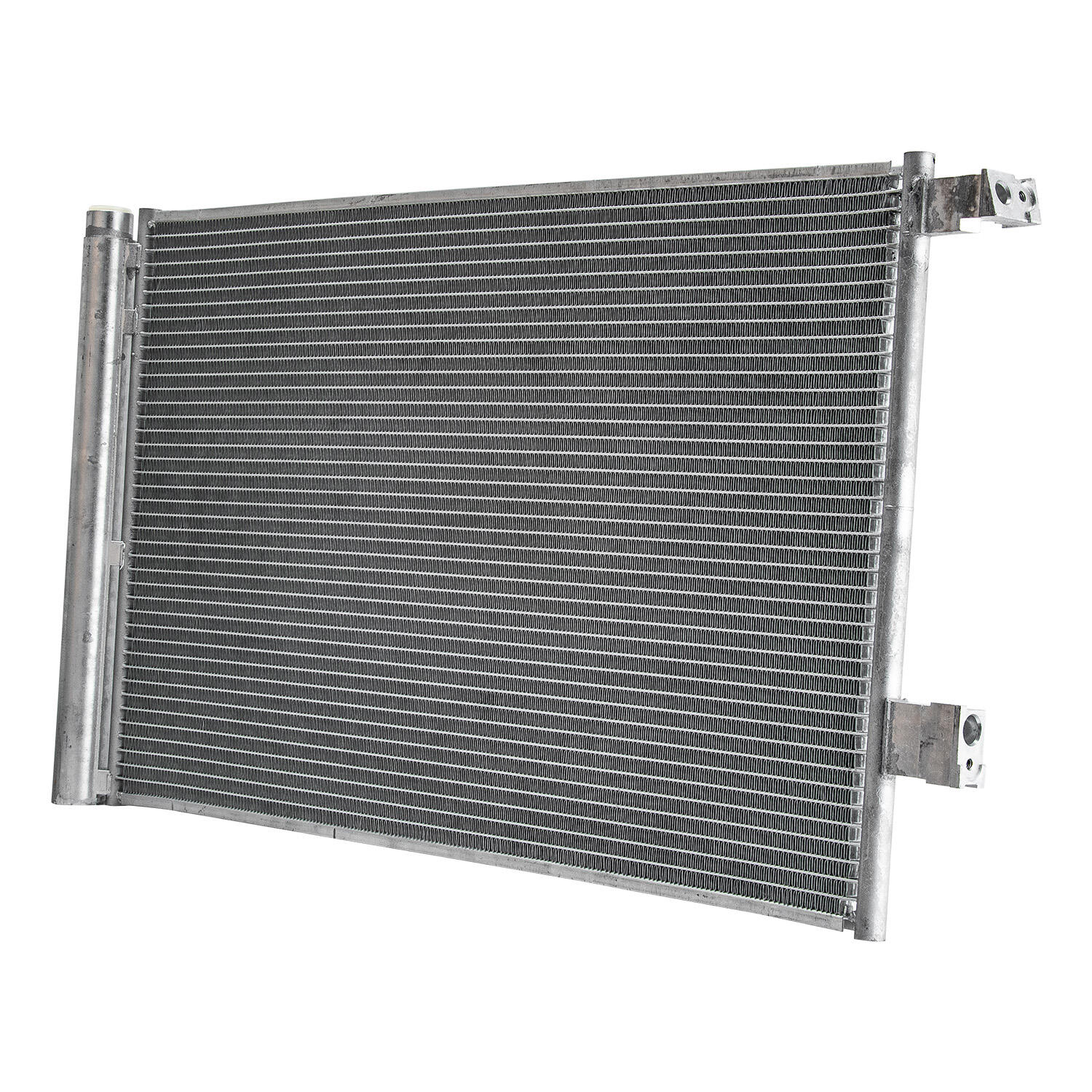
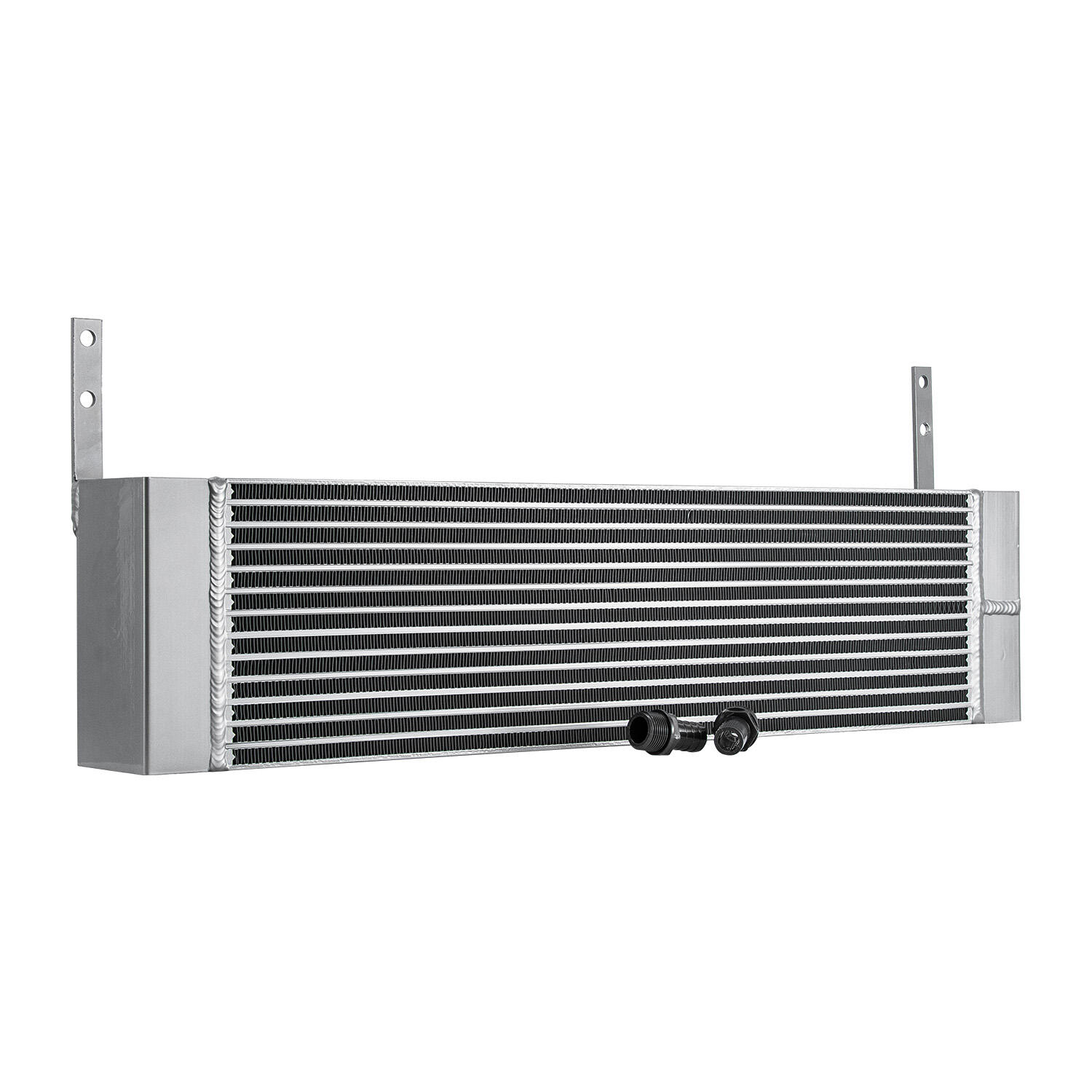
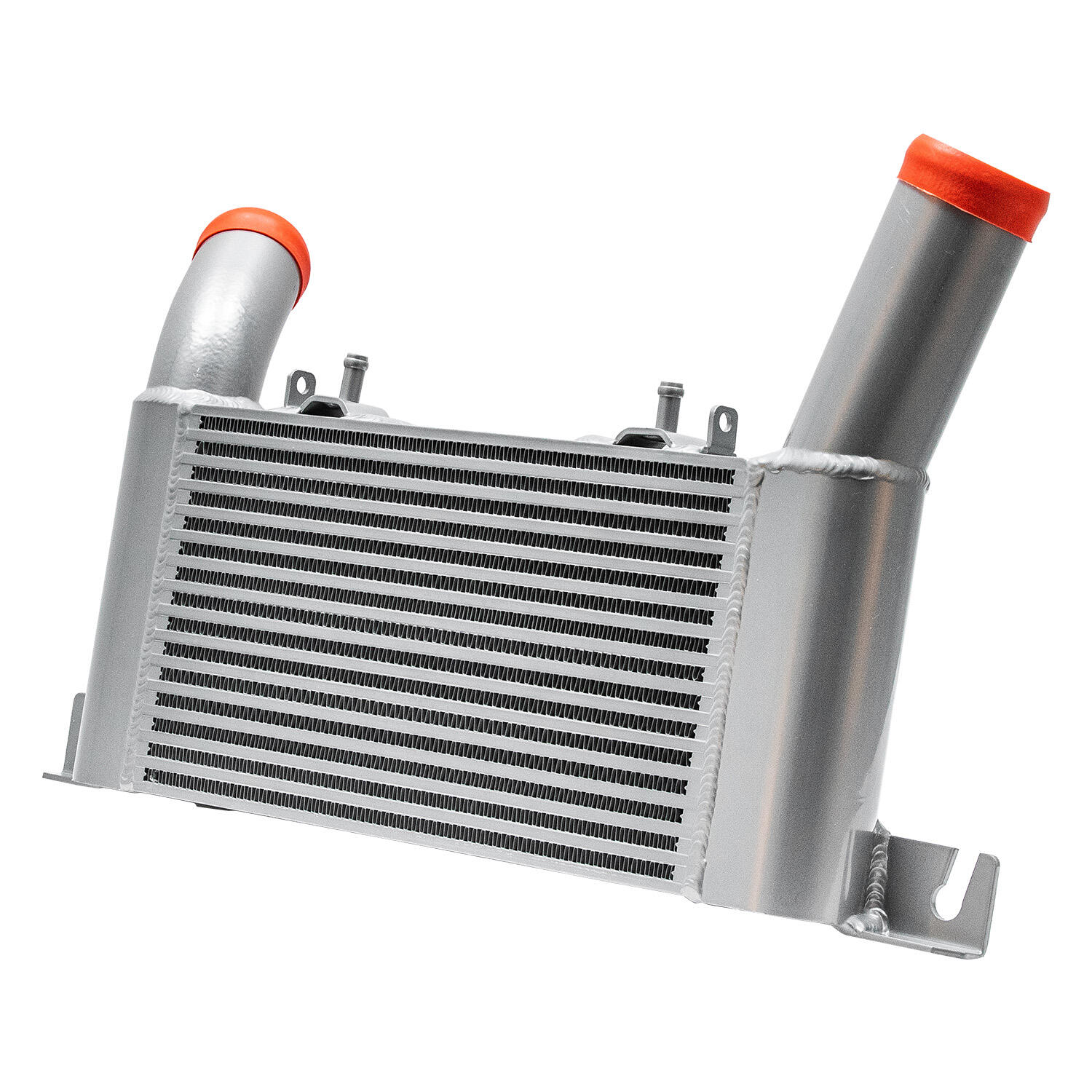
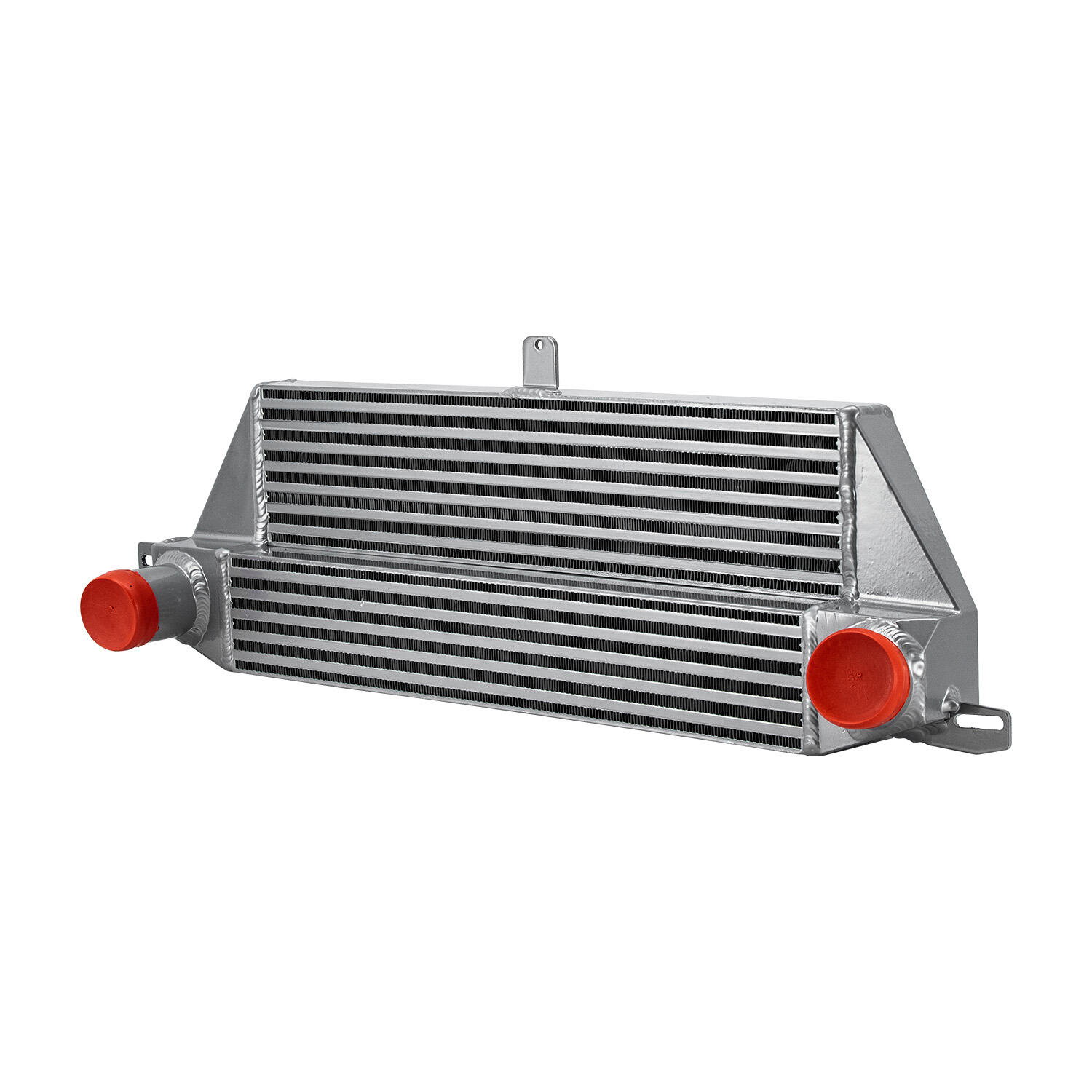
The intercooler radiator stands as a critical component in modern automotive and industrial cooling systems, designed to optimize engine performance through efficient heat management. This sophisticated device combines the functionality of a traditional radiator with the specialized cooling requirements of turbocharged and supercharged engines. At its core, the intercooler radiator works by reducing the temperature of compressed air before it enters the engine's combustion chamber, thereby increasing air density and improving overall power output. The system operates on the fundamental principle that cooler air contains more oxygen molecules per unit volume, enabling more complete fuel combustion and enhanced engine efficiency. Modern intercooler radiators feature advanced aluminum construction with precisely engineered fin designs that maximize heat dissipation while minimizing pressure drop across the cooling matrix. These units incorporate multi-pass cooling circuits that ensure optimal heat transfer through extended contact time between the hot compressed air and the cooling medium. The technological framework includes carefully calculated core dimensions, strategic placement of cooling tubes, and aerodynamically designed end tanks that facilitate smooth airflow distribution. Contemporary intercooler radiators utilize computer-aided design principles to optimize internal flow patterns, reducing turbulence and maintaining consistent cooling performance across varying operating conditions. The integration of these systems with vehicle thermal management requires precise calibration of coolant flow rates, fan operation, and ambient air utilization. Quality intercooler radiators demonstrate exceptional durability through corrosion-resistant coatings, robust mounting systems, and materials that withstand extreme temperature cycling. Applications span across passenger vehicles, commercial trucks, marine engines, and stationary power generation equipment, where consistent thermal regulation remains paramount for operational reliability and longevity.

New Product Releases

The intercooler radiator delivers substantial performance improvements that directly translate into measurable benefits for vehicle owners and operators. Enhanced engine power represents the most immediate advantage, as cooler intake air allows engines to produce significantly more horsepower and torque compared to systems without proper intercooling. This power increase typically ranges from 10 to 25 percent, depending on the specific application and operating conditions. Fuel efficiency improvements follow naturally from better combustion characteristics, as the denser, cooler air enables more complete fuel burning, reducing waste and optimizing energy conversion. Vehicle owners frequently report fuel economy gains of 5 to 15 percent when upgrading to high-quality intercooler radiator systems. The intercooler radiator also provides crucial engine protection by preventing detonation and knock conditions that can cause severe internal damage. By maintaining intake air temperatures within safe operating ranges, these systems extend engine life and reduce maintenance requirements significantly. Reduced emissions represent another compelling advantage, as improved combustion efficiency leads to lower production of harmful exhaust gases, helping vehicles meet increasingly strict environmental regulations. The intercooler radiator enables consistent performance across varying ambient conditions, ensuring reliable operation whether driving in hot desert climates or cold mountain regions. Installation versatility allows these systems to retrofit existing vehicles or integrate seamlessly into new designs without major modifications to surrounding components. Cost-effectiveness becomes apparent through reduced fuel consumption, extended component life, and decreased maintenance intervals, typically providing return on investment within the first year of operation. Reliability improvements stem from robust construction and proven thermal management principles that minimize system failures and unexpected downtime. The intercooler radiator also supports higher boost pressures in forced induction applications, enabling tuners and performance enthusiasts to safely extract additional power from their engines. Compatibility with various coolant types and concentrations provides flexibility for different operating environments and maintenance schedules, while standardized mounting configurations simplify installation and replacement procedures across multiple vehicle platforms.

Practical Tips

AC Condenser Maintenance Guide 2025: Extend Your Unit's Lifespan

27

Aug

AC Condenser Maintenance Guide 2025: Extend Your Unit's Lifespan

Essential Guide to Maintaining Your Air Conditioning System's Heart The condenser unit is the beating heart of your air conditioning system, working tirelessly to keep your space cool and comfortable. Regular AC condenser maintenance isn't just about...
View More
How Hub Bearing Design is Changing for 2025 Performance Cars

26

Sep

How Hub Bearing Design is Changing for 2025 Performance Cars

The Evolution of Automotive Hub Bearing Technology The automotive industry stands on the cusp of a significant transformation in hub bearing design, with 2025 performance cars leading the charge toward unprecedented innovations. As vehicles become mo...
View More
How Intercooler Efficiency Impacts 2025 Hybrid Vehicle Performance

19

Oct

How Intercooler Efficiency Impacts 2025 Hybrid Vehicle Performance

The Evolution of Thermal Management in Modern Hybrid Powertrains As automotive technology races forward into 2025, intercooler efficiency has emerged as a critical factor in determining hybrid vehicle performance. The integration of advanced intercoo...
View More
3D-Printed Intercooler Pipes: The Future of 2025 Performance Mods

19

Oct

3D-Printed Intercooler Pipes: The Future of 2025 Performance Mods

Revolutionizing Automotive Performance Through Advanced Manufacturing The automotive aftermarket industry is witnessing a groundbreaking transformation with the emergence of 3D-printed intercooler pipes. This innovative technology is reshaping how we...
View More

Get a Free Quote

Our representative will contact you soon.
Email
Name
Company Name
WhatsApp
Message
0/1000

intercooler radiator

Advanced Heat Transfer Technology

Advanced Heat Transfer Technology

The intercooler radiator incorporates cutting-edge heat transfer technology that sets it apart from conventional cooling solutions through innovative design elements and materials science applications. The core structure features precisely engineered aluminum fins with optimized geometry that maximizes surface area contact while maintaining efficient airflow characteristics. These fins utilize advanced manufacturing techniques including vacuum brazing and controlled atmosphere processing to ensure superior thermal conductivity and long-term durability. The heat exchanger design employs multi-pass cooling circuits that create extended residence time for heated air, allowing for more complete heat extraction before the air enters the engine's intake manifold. Computational fluid dynamics modeling guides the internal flow path design, eliminating dead zones and ensuring uniform temperature distribution across the entire cooling matrix. The intercooler radiator's advanced technology includes specialized end tank configurations that promote smooth air entry and exit, reducing pressure losses that could negatively impact engine performance. Micro-channel cooling tubes provide enhanced heat transfer coefficients while maintaining structural integrity under high-pressure conditions typical in turbocharged applications. The thermal management system integrates seamlessly with existing vehicle cooling circuits, utilizing optimized coolant flow rates and temperature differentials to achieve maximum efficiency. Advanced materials including high-grade aluminum alloys and specialized coatings resist corrosion and thermal cycling effects that commonly degrade lesser cooling systems. The intercooler radiator's technology platform supports both air-to-air and air-to-liquid cooling configurations, providing flexibility for various installation requirements and performance objectives. Temperature sensors and monitoring capabilities built into premium intercooler radiator systems enable real-time performance tracking and predictive maintenance scheduling. The advanced design also incorporates provisions for future upgrades and modifications, ensuring compatibility with evolving engine technologies and performance enhancement requirements. Quality control processes during manufacturing guarantee consistent performance characteristics and reliability standards that exceed industry expectations for thermal management equipment.
Superior Durability and Construction Quality

Superior Durability and Construction Quality

The intercooler radiator demonstrates exceptional build quality through premium materials selection and manufacturing processes that ensure reliable operation under demanding conditions. Aerospace-grade aluminum construction provides optimal strength-to-weight ratios while delivering superior thermal conductivity properties essential for efficient heat dissipation. The manufacturing process utilizes precision welding techniques and controlled atmosphere brazing that create permanent, leak-proof joints capable of withstanding high-pressure cycling and thermal stress. Corrosion protection systems include multi-layer protective coatings that resist salt spray, road chemicals, and environmental contaminants commonly encountered in automotive applications. The intercooler radiator's robust mounting system features reinforced brackets and vibration-dampening components that maintain secure installation despite engine movement and road-induced stress loads. Quality assurance protocols include comprehensive pressure testing, thermal cycling validation, and accelerated aging procedures that verify long-term performance reliability before product release. The construction methodology incorporates redundant sealing systems and fail-safe design principles that prevent catastrophic failures and maintain operational integrity even under extreme operating conditions. Precision manufacturing tolerances ensure consistent flow characteristics and heat transfer performance across production batches, while standardized quality control procedures verify dimensional accuracy and material specifications. The intercooler radiator's durable construction enables extended service intervals and reduced maintenance requirements compared to conventional cooling systems. Impact resistance features protect against road debris and installation mishaps, while flexible mounting options accommodate various chassis configurations and space constraints. Advanced metallurgy techniques create grain structures that resist fatigue cracking and thermal expansion stress, contributing to exceptional service life expectations. The construction quality extends to internal components including turbulators, baffles, and flow directors that maintain their geometry and effectiveness throughout the product lifecycle. Environmental testing validates performance across temperature ranges from arctic cold to desert heat, ensuring consistent operation regardless of climate conditions. The intercooler radiator's superior construction quality provides peace of mind for customers seeking reliable thermal management solutions that deliver consistent performance over extended operational periods.
Versatile Application Compatibility

Versatile Application Compatibility

The intercooler radiator offers exceptional versatility through comprehensive compatibility with diverse vehicle types, engine configurations, and operating environments, making it an ideal solution for various thermal management applications. Universal mounting systems accommodate different chassis designs and installation requirements, while standardized connections ensure compatibility with existing cooling system components and plumbing arrangements. The intercooler radiator's modular design philosophy enables customization for specific performance requirements, space constraints, and aesthetic preferences without compromising thermal efficiency or reliability. Compatibility extends across gasoline, diesel, and alternative fuel engine platforms, providing consistent cooling performance regardless of combustion technology or fuel delivery systems. The system integrates seamlessly with both factory and aftermarket forced induction systems, supporting various turbocharger and supercharger configurations while maintaining optimal operating temperatures. Installation flexibility allows for front-mount, top-mount, and side-mount configurations, enabling optimal placement for maximum cooling efficiency while accommodating vehicle-specific packaging constraints. The intercooler radiator supports both stock and modified engine applications, providing thermal management capabilities that scale with power increases and performance modifications. Coolant compatibility encompasses standard ethylene glycol mixtures, extended-life coolants, and specialized racing formulations, ensuring proper operation across different maintenance schedules and operating conditions. The versatile design accommodates varying ambient temperature ranges and altitude conditions, maintaining consistent performance from sea level to high-altitude mountain driving. Marine and stationary power applications benefit from corrosion-resistant materials and sealed construction that withstand harsh environmental conditions including salt spray, humidity, and chemical exposure. The intercooler radiator's compatibility with electronic cooling fans, mechanical fan drives, and natural convection cooling provides flexibility for different thermal management strategies and power consumption requirements. Retrofit applications benefit from comprehensive dimension databases and installation guides that simplify integration with older vehicle platforms and custom installations. The system's versatility extends to commercial vehicle applications including trucks, buses, and construction equipment where reliable thermal management remains critical for operational efficiency and equipment longevity. Racing and high-performance applications receive dedicated support through specialized configurations that prioritize maximum heat dissipation and weight optimization without sacrificing durability or reliability standards.
Get a Quote Get a Quote Email Email WhatsApp WhatsApp WeChat WeChat
WeChat
TopTop

Get a Free Quote

Our representative will contact you soon.
Email
Name
Company Name
WhatsApp
Message
0/1000

Get a Free Quote

Our representative will contact you soon.
Email
Name
Company Name
WhatsApp
Message
0/1000

Get a Free Quote

Our representative will contact you soon.
Email
Name
Company Name
WhatsApp
Message
0/1000