Versatile Applications Across Multiple Industries
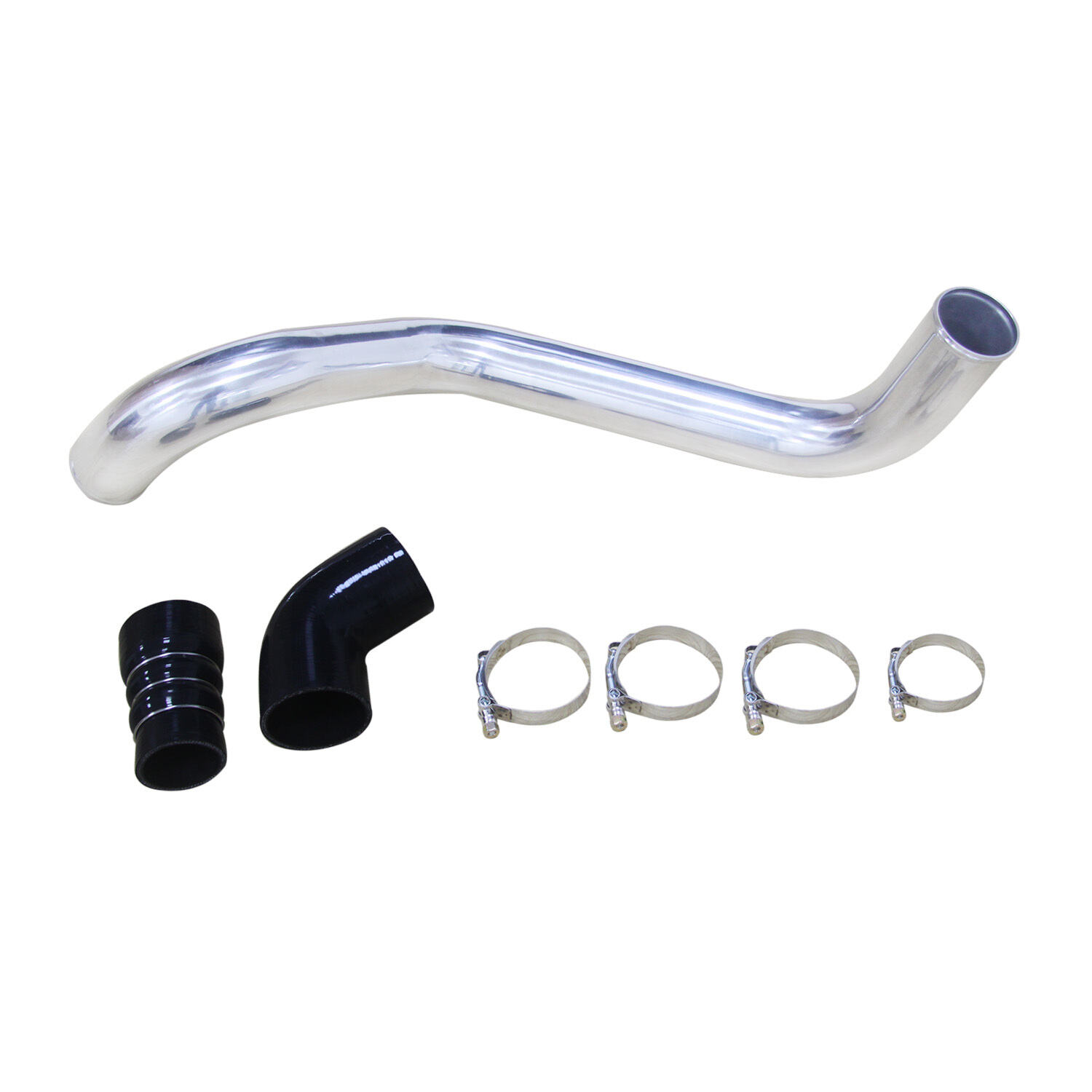
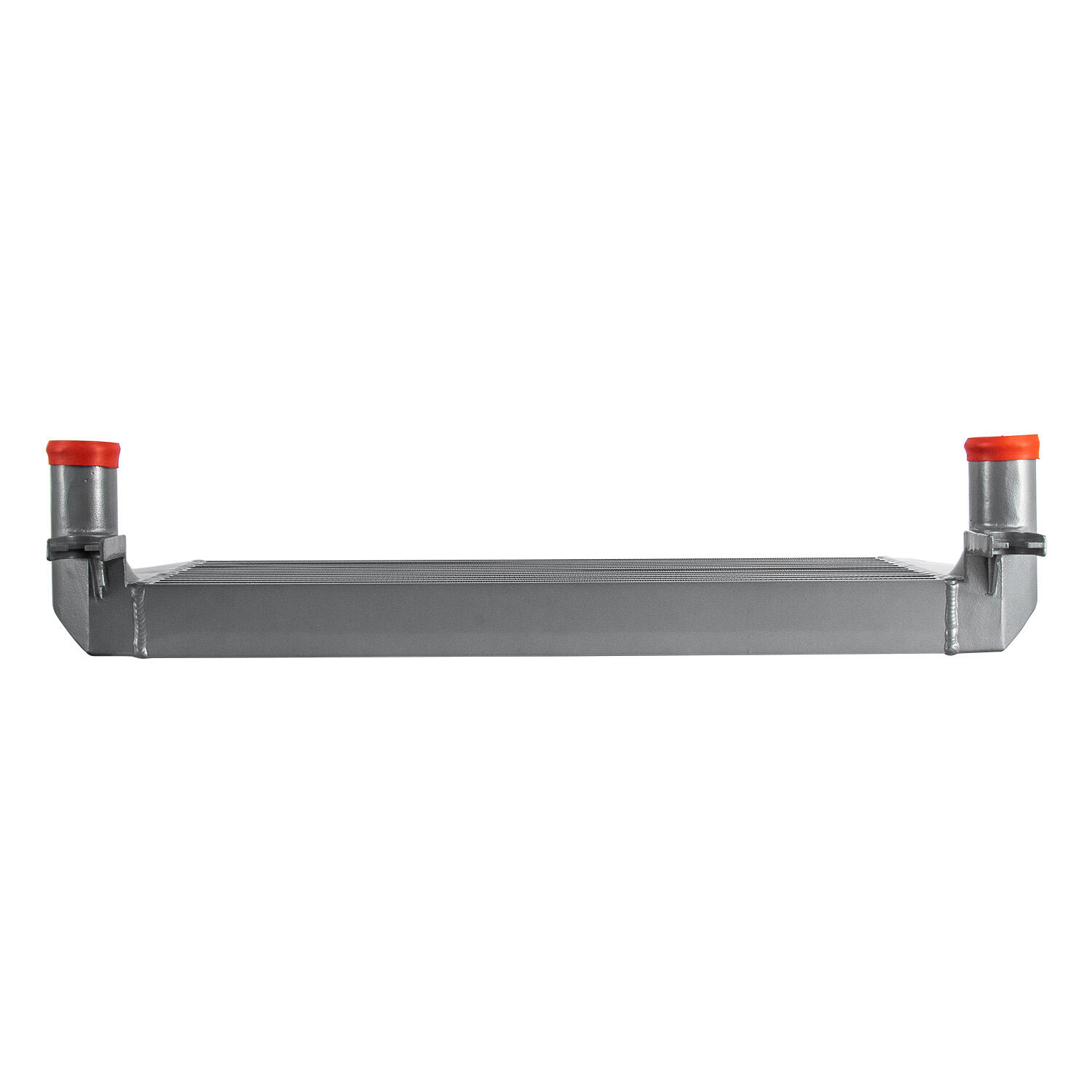
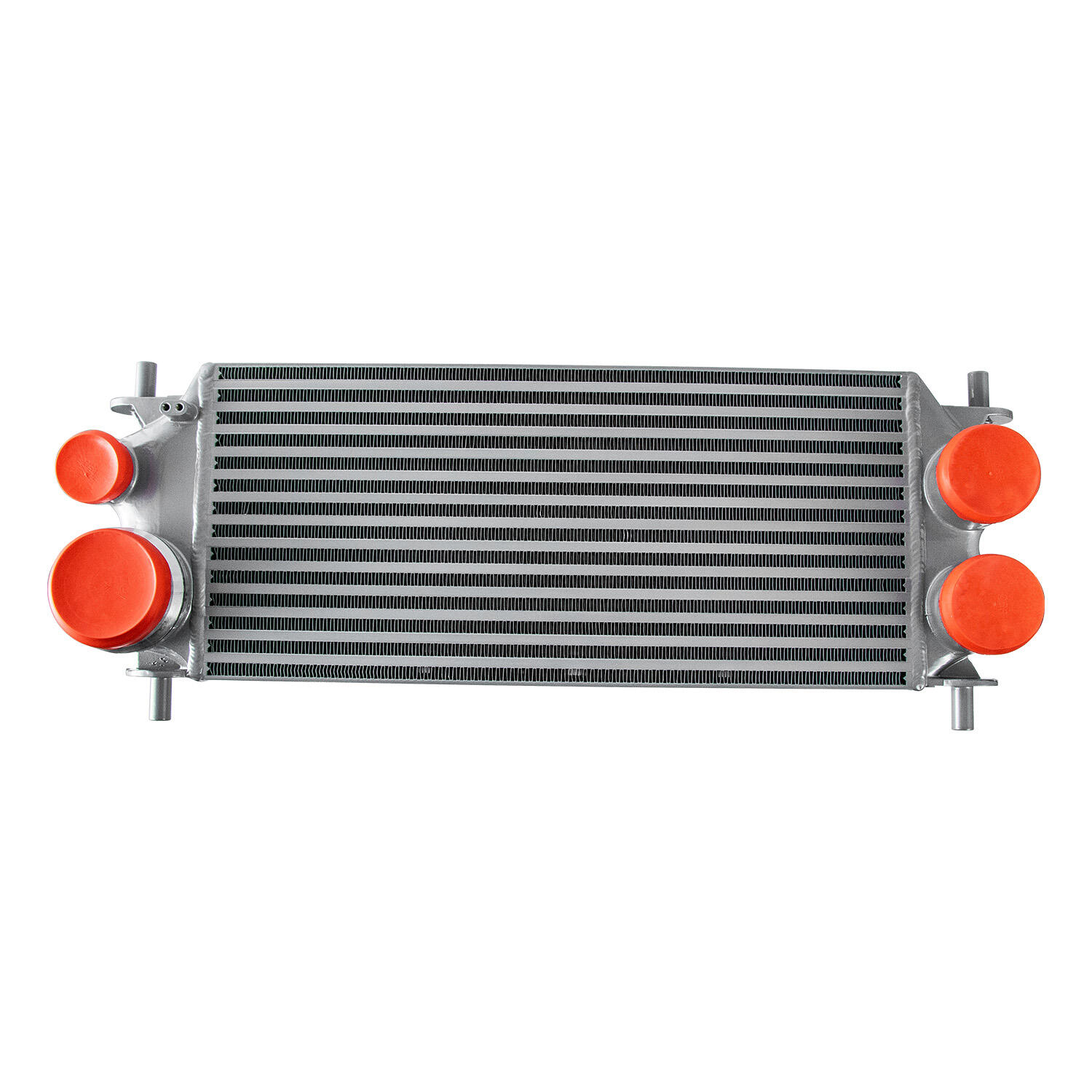
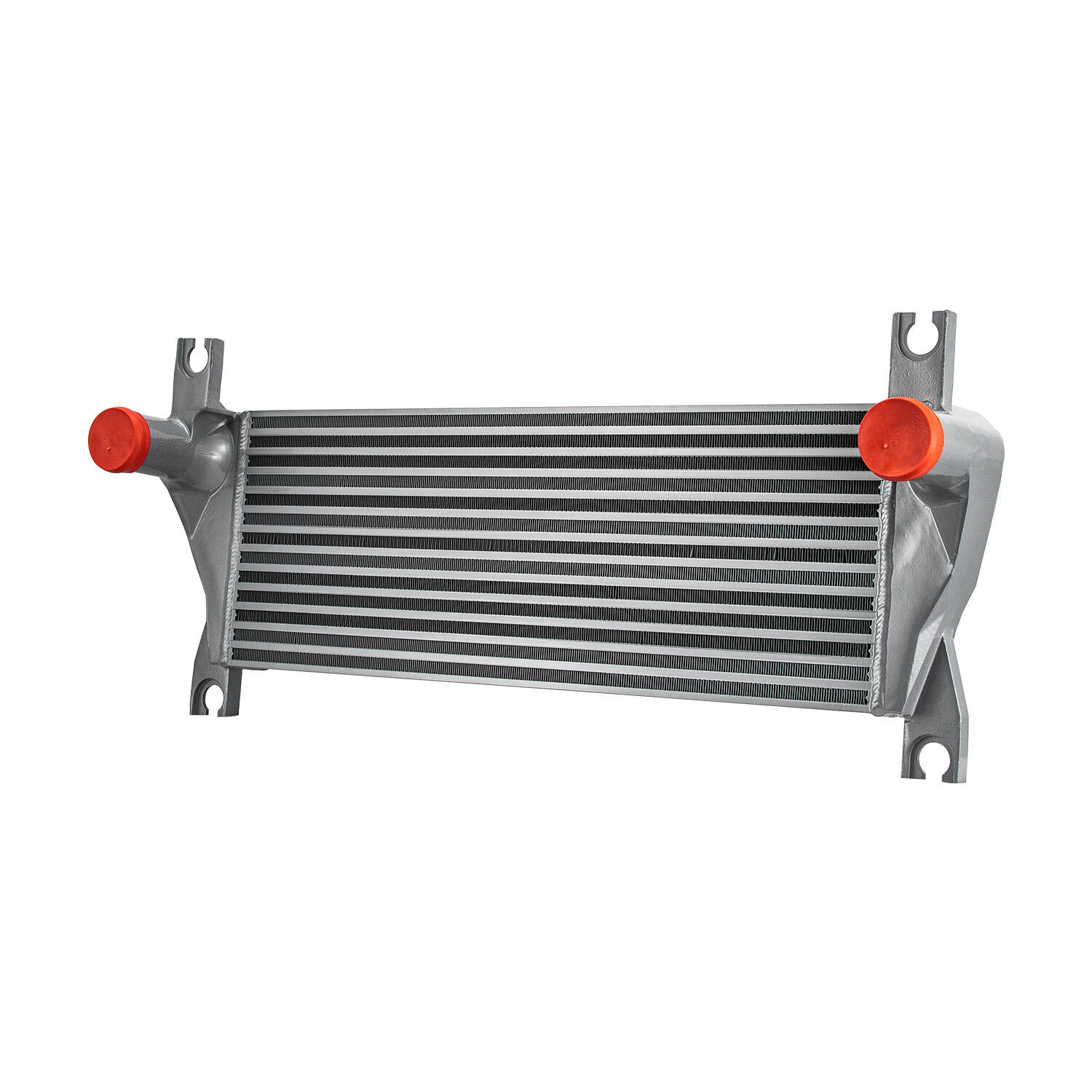
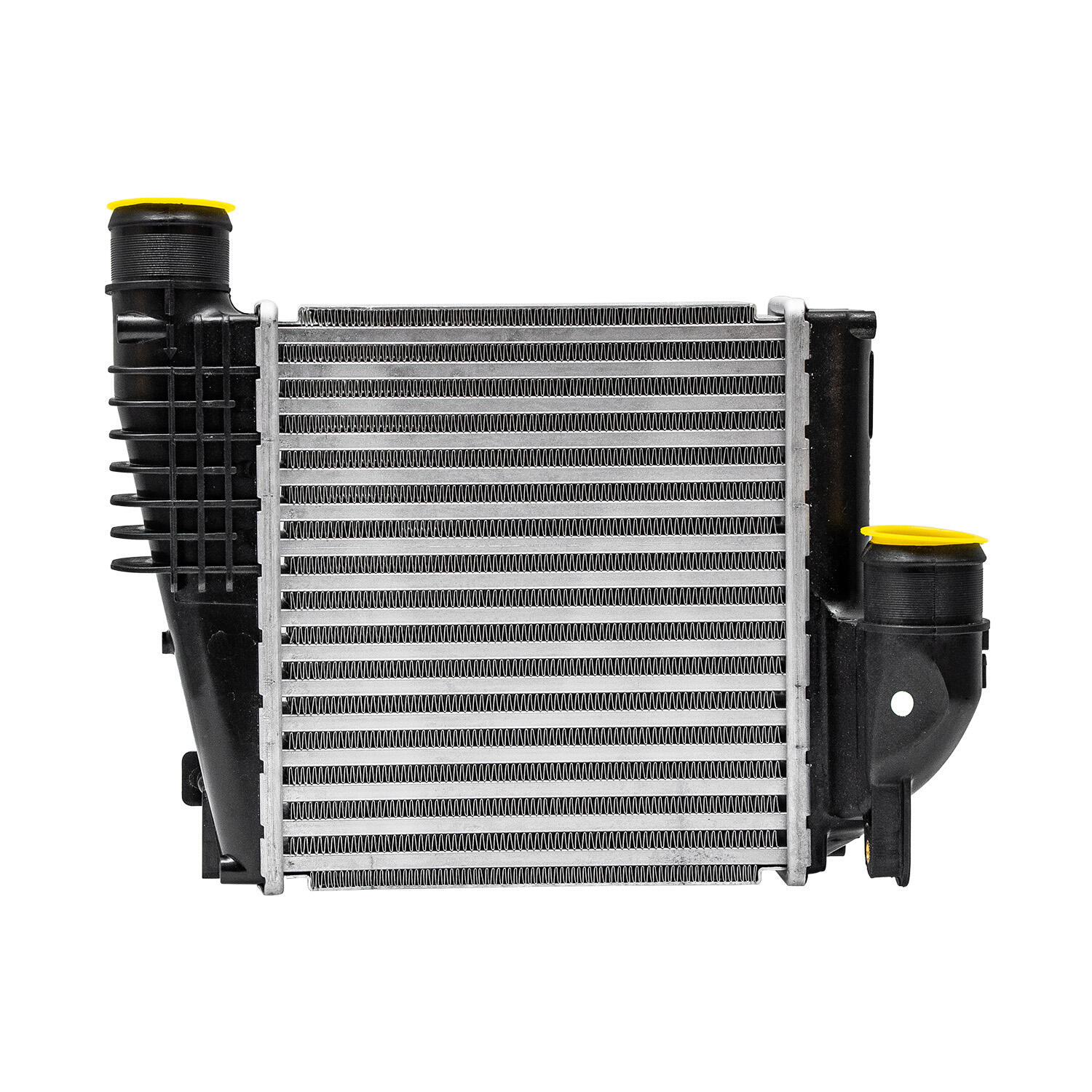
The diesel turbo intercooler demonstrates remarkable versatility, serving critical functions across diverse applications from heavy commercial vehicles to high-performance automotive platforms, agricultural equipment, and marine propulsion systems. This broad applicability stems from the fundamental benefits the diesel turbo intercooler provides: increased power density, improved efficiency, and enhanced reliability, qualities valued across all diesel engine applications. In commercial trucking, the diesel turbo intercooler enables modern diesel engines to meet demanding performance requirements while complying with strict emission standards. Long-haul trucks equipped with advanced diesel turbo intercooler systems maintain consistent power output during extended highway operation, deliver strong pulling power for mountain grades, and achieve fuel economy targets that directly impact operating profitability. Fleet operators recognize that vehicles with properly functioning diesel turbo intercooler systems require less frequent maintenance, experience fewer breakdowns, and deliver lower total cost of ownership over their service lives. Agricultural machinery benefits enormously from diesel turbo intercooler technology, where tractors, combines, and other equipment must deliver maximum power during critical seasonal operations. The diesel turbo intercooler allows these machines to maintain full power output even during sustained high-load operations in dusty, hot field conditions where engine cooling presents significant challenges. Farmers depend on this consistent performance during narrow harvest windows when equipment downtime translates directly to crop losses and reduced profitability. Construction equipment similarly relies on diesel turbo intercooler systems to deliver the robust, sustained power needed for excavation, material handling, and site development work. The diesel turbo intercooler enables compact equipment designs that deliver impressive power-to-weight ratios, allowing manufacturers to build machines that combine portability with capability. Marine applications present unique challenges that the diesel turbo intercooler addresses effectively, providing reliable cooling even in humid, salt-laden environments while maintaining the sustained power output required for propulsion and auxiliary systems. Recreational and commercial vessels both benefit from the improved fuel efficiency and reduced emissions that diesel turbo intercooler systems enable. High-performance automotive applications represent another growing market, where enthusiasts and competitive drivers install upgraded diesel turbo intercooler systems to extract maximum performance from turbocharged diesel engines, achieving power levels previously impossible from diesel platforms while maintaining street drivability and reliability.