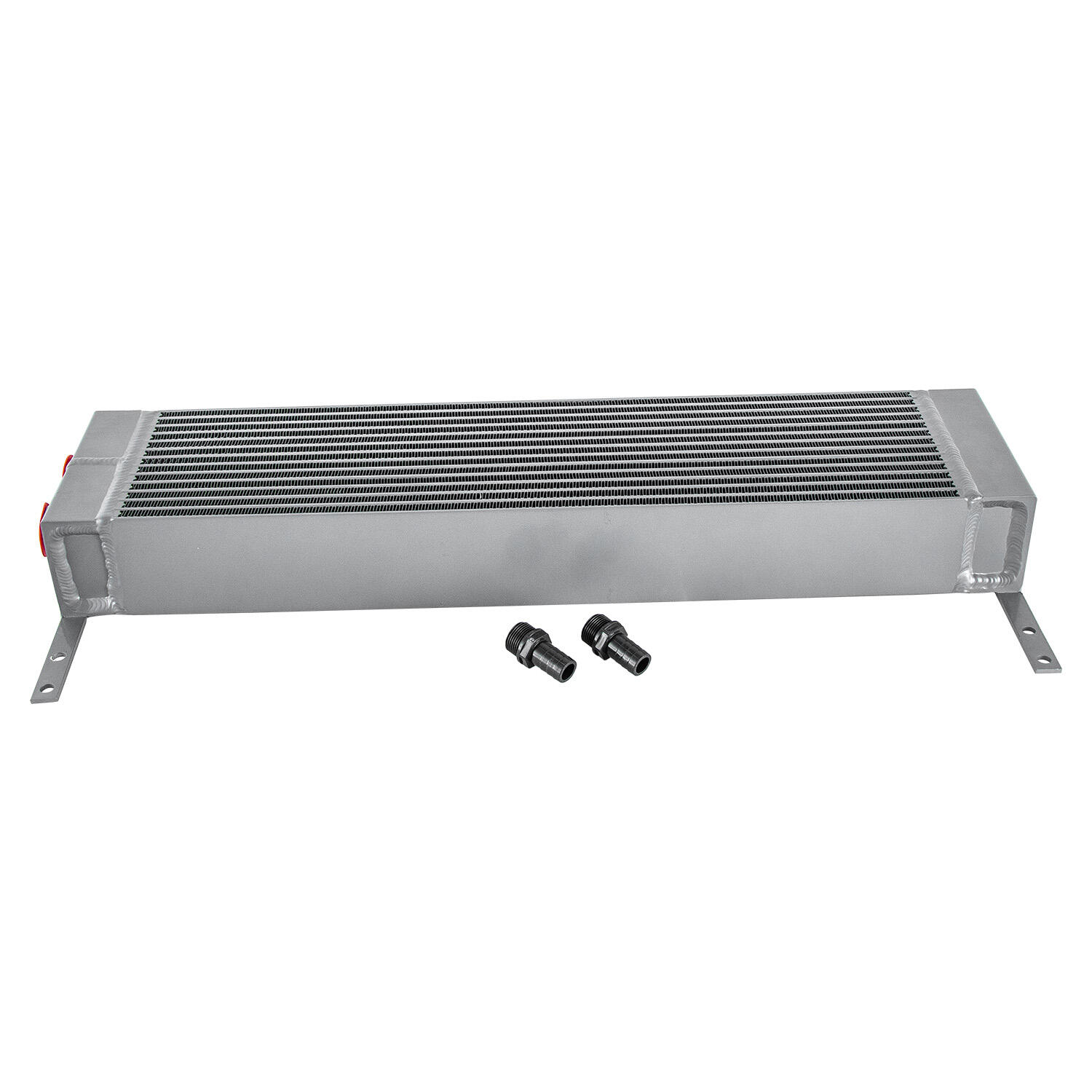
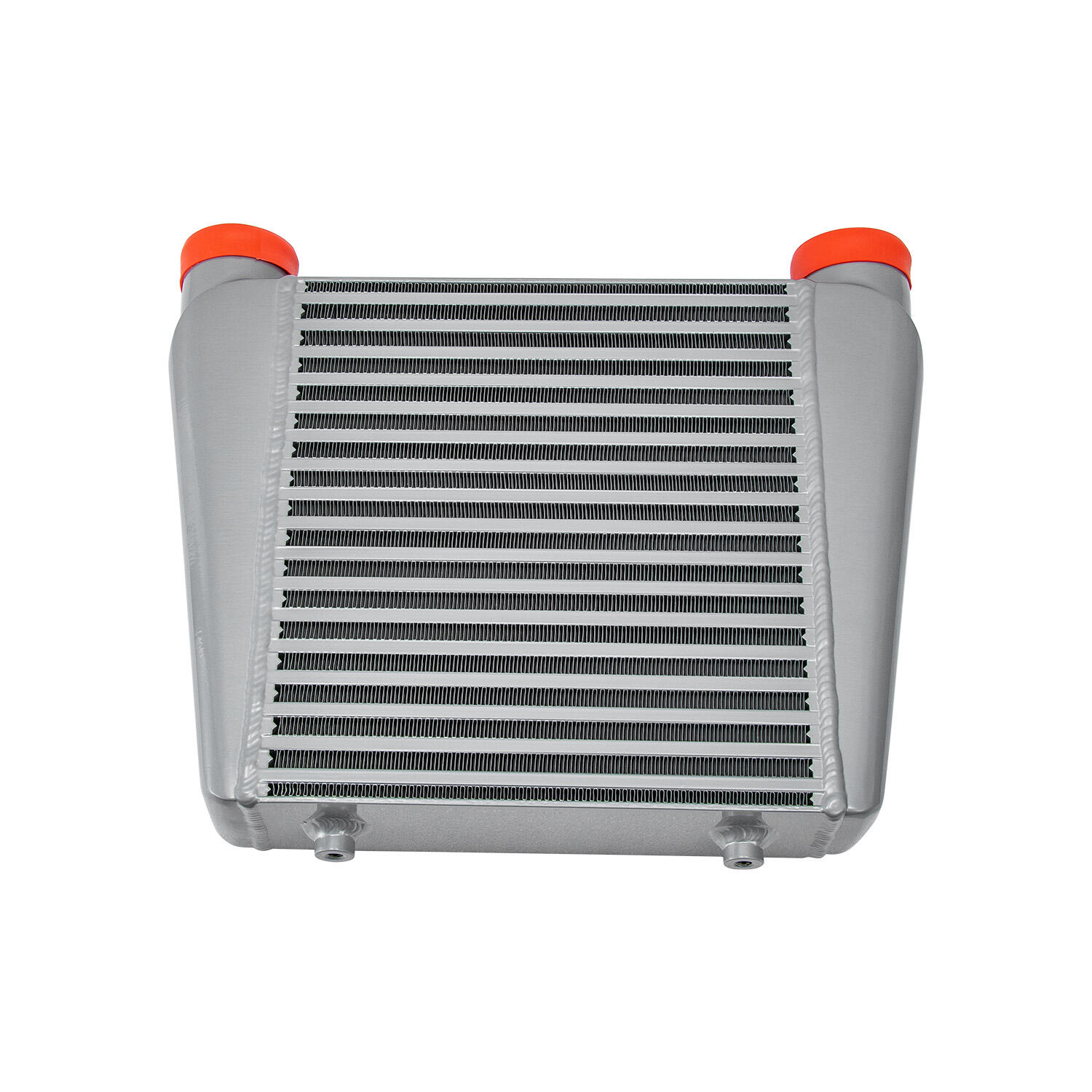
Robust Construction and Durability for Long-Term Reliability
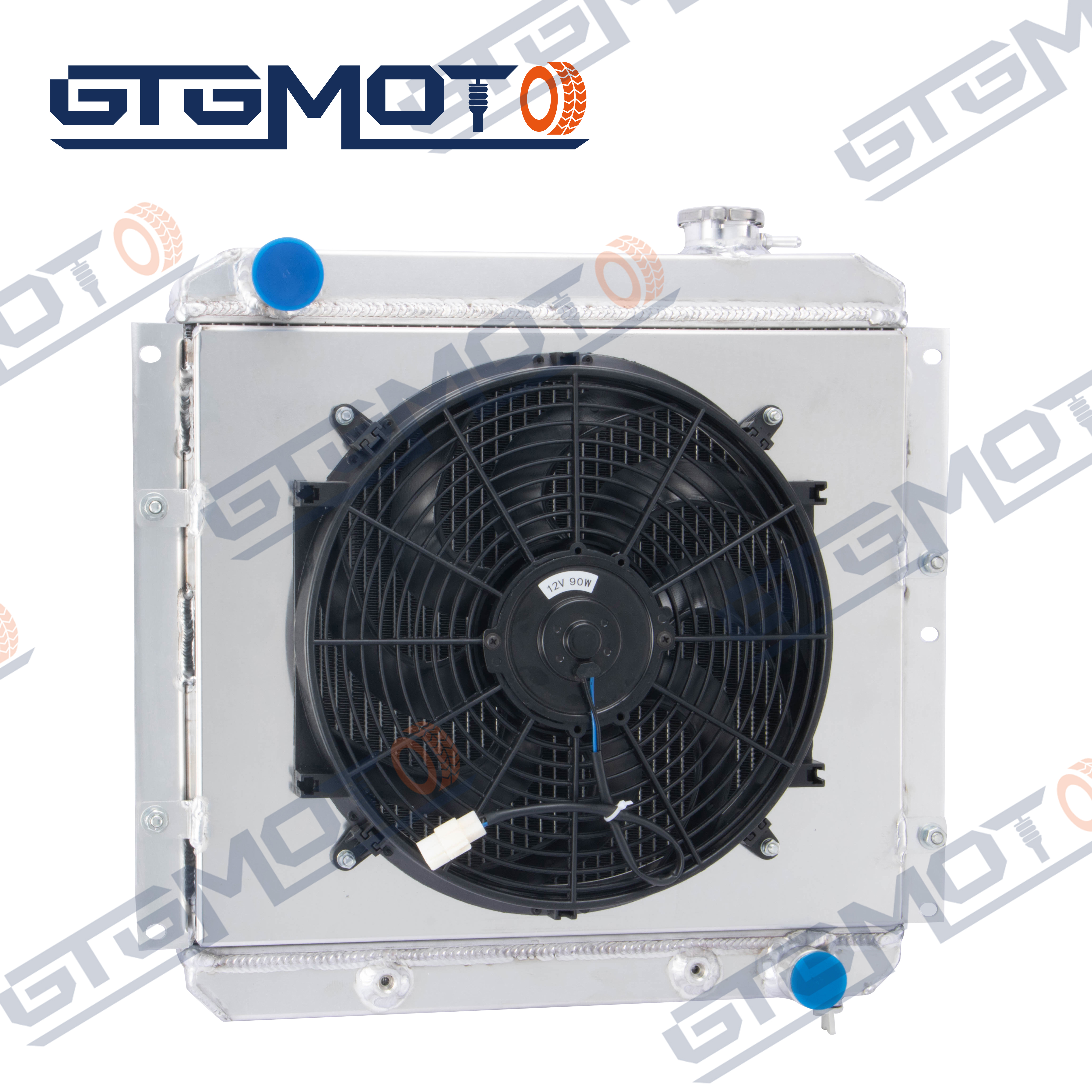
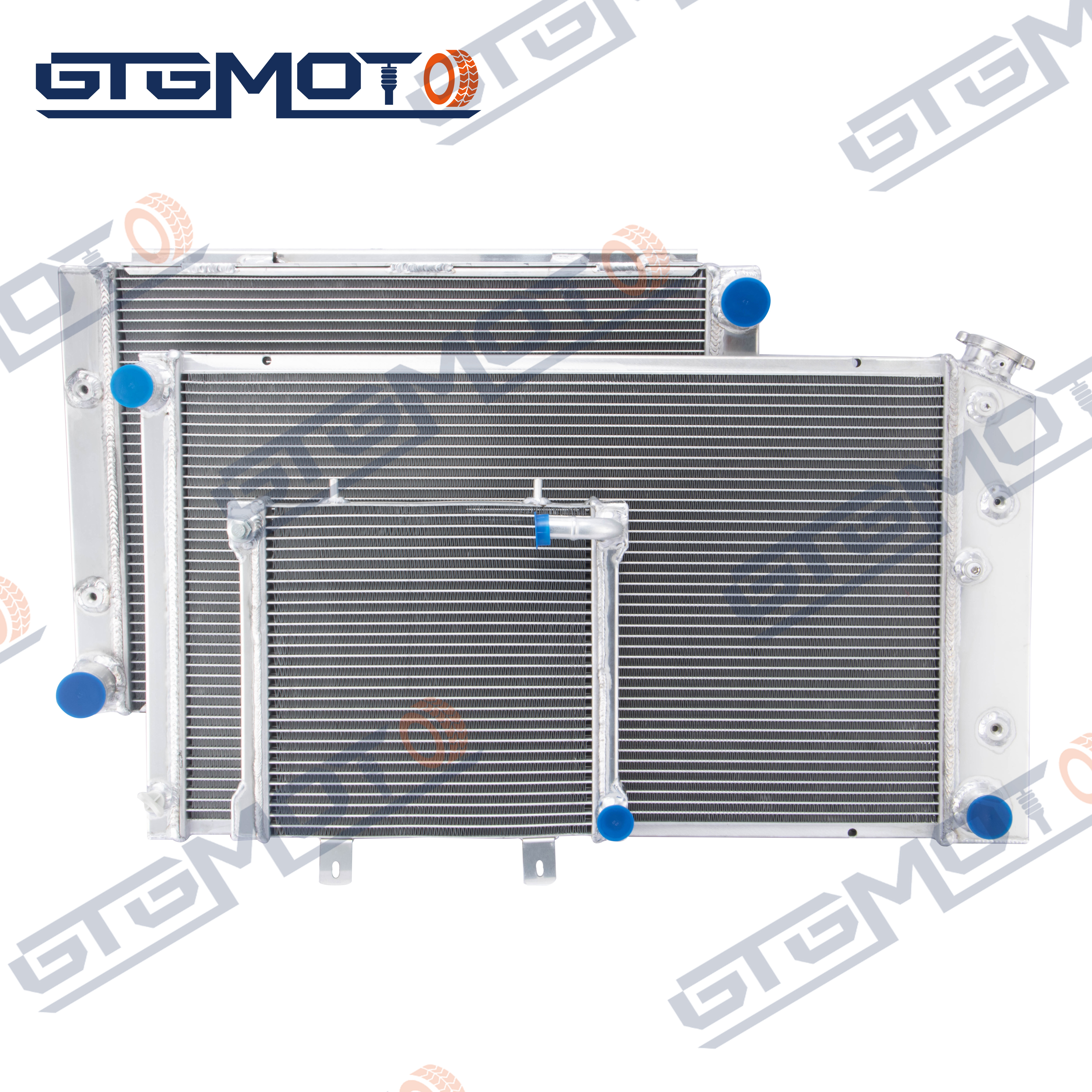
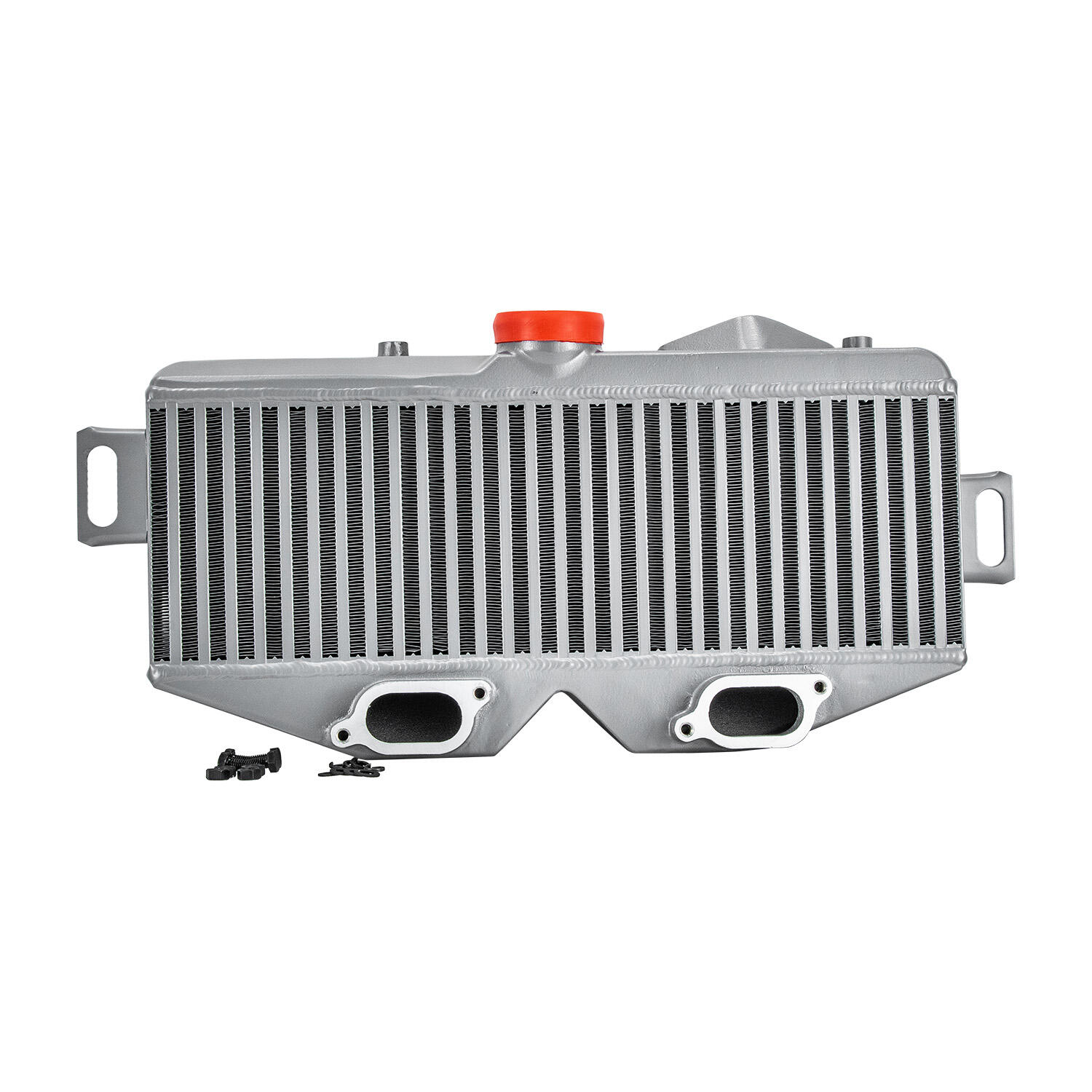
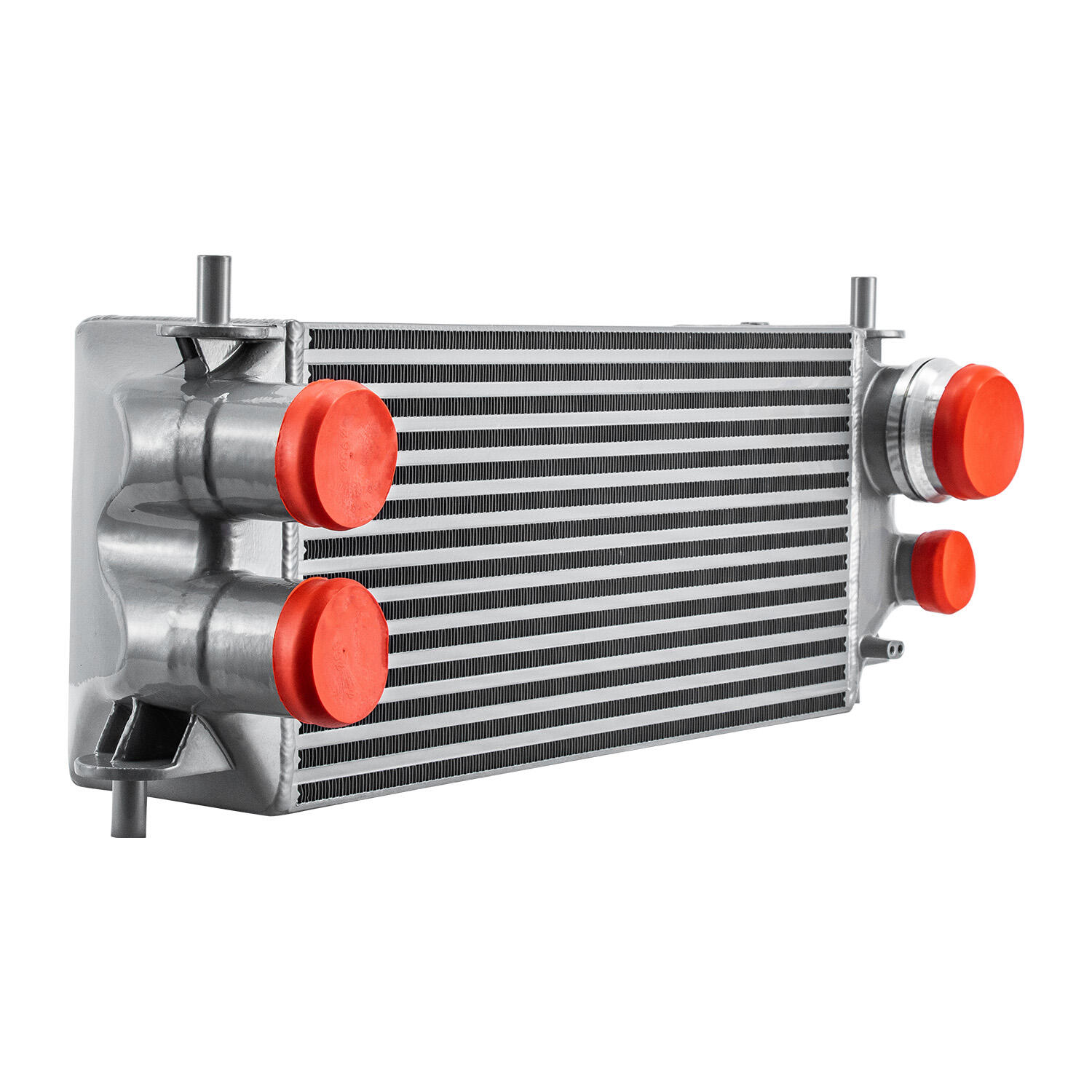
The structural integrity and longevity of intercooler and radiator systems depend entirely on construction quality and material selection, factors that separate premium components from budget alternatives. Understanding these construction differences helps buyers make informed decisions that balance initial cost against long-term value and reliability. Modern intercooler and radiator cores utilize brazed aluminum construction, a manufacturing process that fuses all components into a single unified structure. During brazing, the entire assembly is heated in a controlled atmosphere furnace where a filler material melts and bonds tubes, fins, and tanks together at the molecular level. This creates joints stronger than the base materials themselves, eliminating the weak points found in mechanically assembled designs. Brazed construction also eliminates the rubber gaskets and crimped joints that deteriorate over time, causing leaks and failures in older radiator designs. The aluminum alloys selected for intercooler and radiator construction balance strength, weight, and thermal properties. Tubes typically use alloys optimized for pressure resistance and corrosion protection, while fins employ thinner alloys that maximize surface area without adding excessive weight. Tanks may incorporate reinforced alloys or composite materials that withstand thermal expansion cycles and mounting stress. This material specialization ensures each component performs its specific function optimally. Tank design represents another critical durability factor. Plastic tanks, common in original equipment radiators, offer cost advantages but become brittle with age and crack under thermal stress. Aluminum tanks provide superior durability and eliminate the plastic-to-metal interface where many radiator leaks originate. Some high-performance intercooler and radiator systems feature welded aluminum tanks with integrated mounting provisions, creating a robust assembly that withstands vibration and impact. Pressure testing during manufacturing ensures structural integrity before components leave the factory. Quality intercooler and radiator systems undergo testing at pressures exceeding normal operating conditions, identifying any weak points or manufacturing defects. This quality control step prevents premature failures and ensures consistent performance across production runs. Corrosion resistance extends service life significantly, especially in harsh environments. Protective coatings on external surfaces resist road salt, chemicals, and moisture that cause deterioration. Internal passages may receive special treatments that prevent electrolytic corrosion when different metals contact coolant. These protective measures maintain heat transfer efficiency and structural integrity throughout the component's service life. Mounting provisions also affect long-term durability. Reinforced mounting tabs distribute stress across larger areas, preventing cracks at attachment points. Rubber isolation bushings absorb vibration, reducing fatigue on the core structure. Proper mounting design ensures the intercooler and radiator remain securely positioned despite engine movement and road shock. The combination of advanced materials, precision manufacturing, and thoughtful engineering creates intercooler and radiator systems that deliver reliable performance for years or even decades. This durability translates to lower total cost of ownership, fewer roadside breakdowns, and peace of mind knowing your cooling system will perform when needed most.