Diesel Intercooler Systems: Advanced Engine Cooling Technology for Enhanced Performance and Efficiency

All Categories

Get a Free Quote

Our representative will contact you soon.
Email
Name
Company Name
WhatsApp
Message
0/1000

diesel intercooler

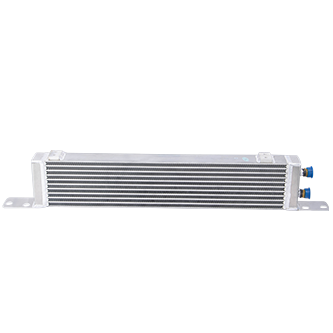
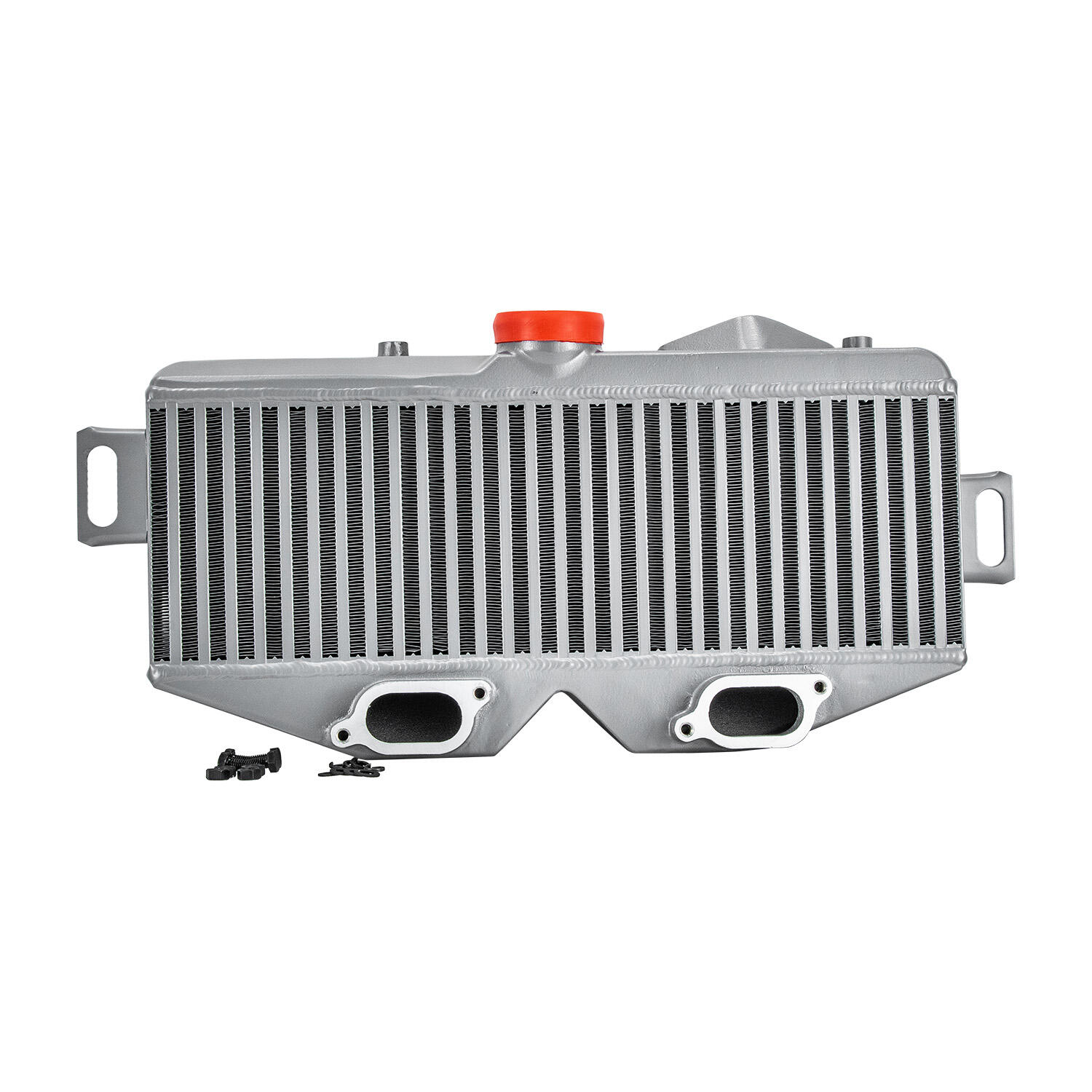
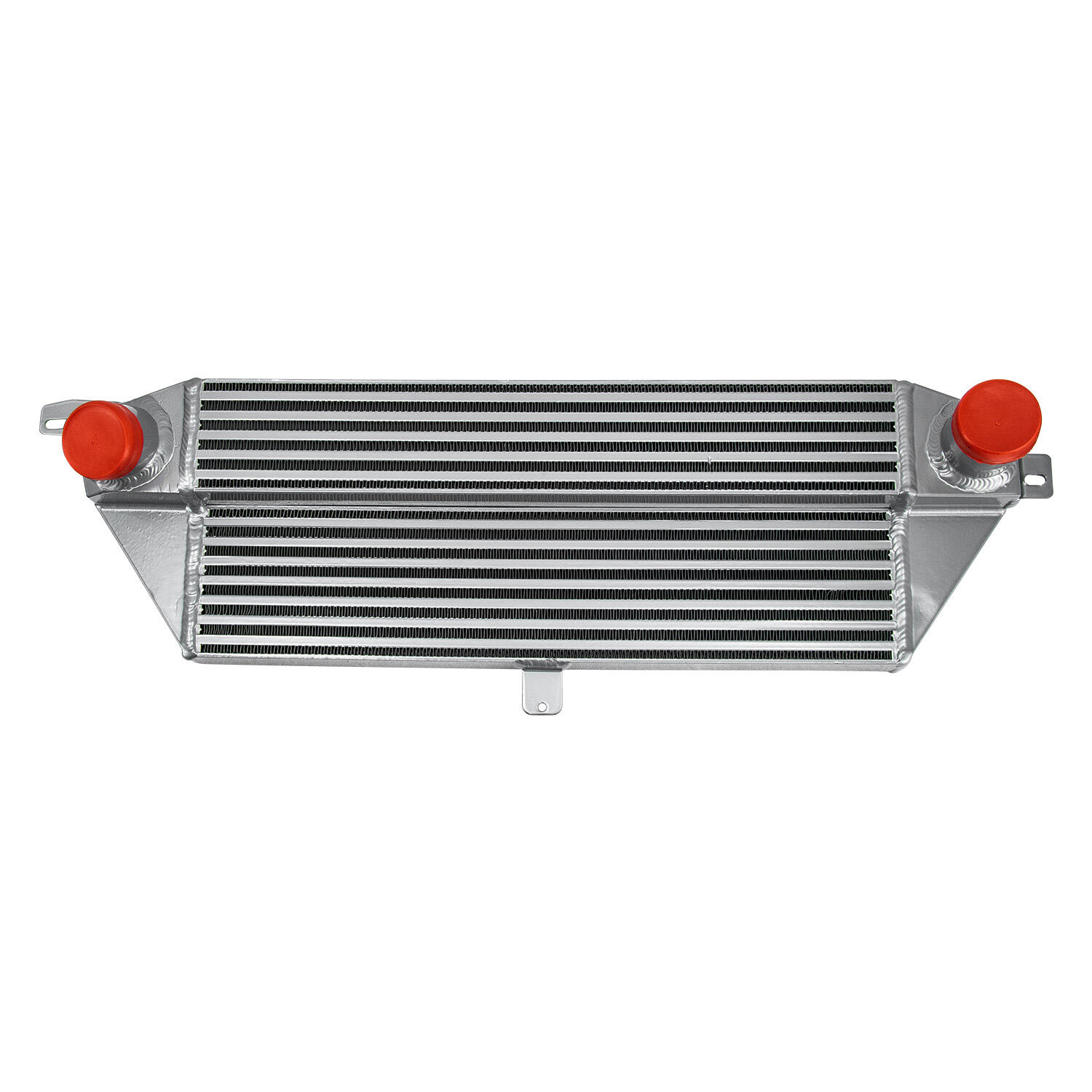
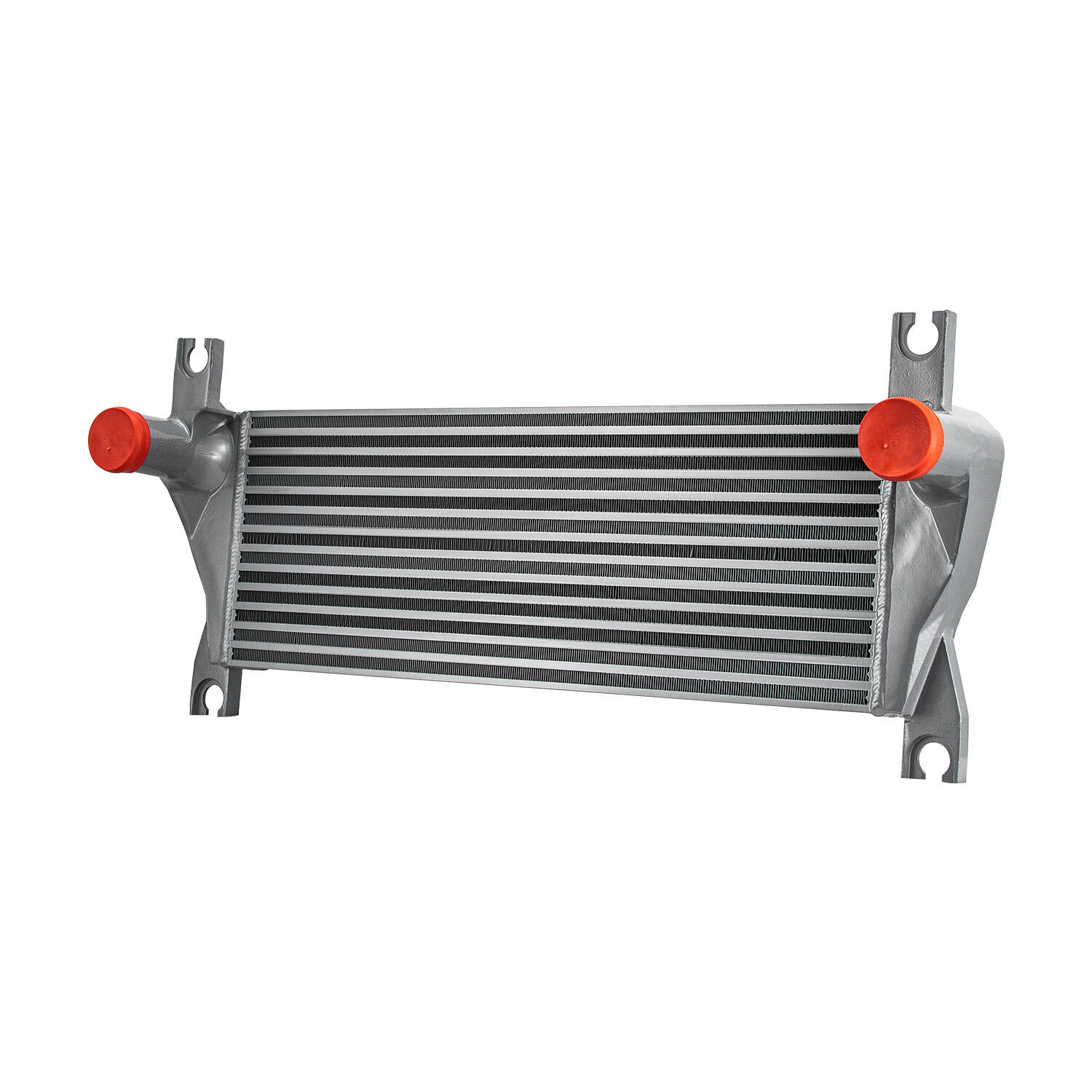
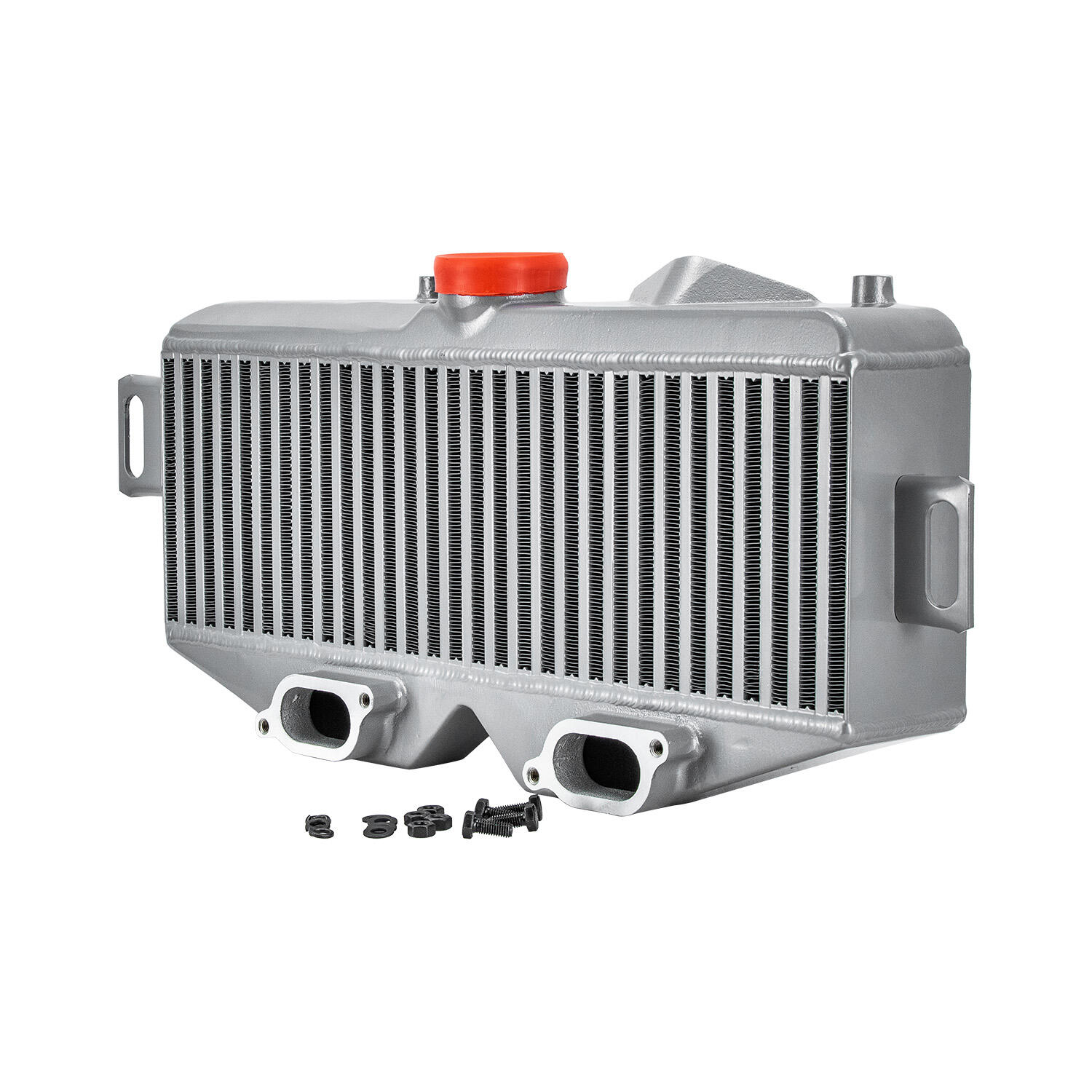
A diesel intercooler represents a critical component in modern diesel engine systems, designed to enhance performance by cooling compressed air before it enters the combustion chamber. This sophisticated heat exchange device operates as an intermediary cooling system between the turbocharger and engine intake manifold. The diesel intercooler functions by reducing the temperature of compressed air delivered by the turbocharger, thereby increasing air density and oxygen content available for combustion. When air gets compressed by the turbocharger, it naturally becomes heated, which reduces its density and limits the amount of oxygen molecules per unit volume. The diesel intercooler addresses this challenge by transferring heat from the compressed air to either ambient air or engine coolant, depending on the specific design configuration. Two primary types of diesel intercooler systems exist: air-to-air and air-to-water configurations. Air-to-air diesel intercooler units utilize ambient airflow to dissipate heat from compressed intake air, making them particularly effective in highway driving conditions where consistent airflow is available. Air-to-water diesel intercooler systems use engine coolant as the heat transfer medium, offering more precise temperature control and compact installation options. The technological features of modern diesel intercooler designs include optimized fin configurations, enhanced tube layouts, and advanced materials that maximize heat transfer efficiency while minimizing pressure drop. These components typically feature aluminum construction for optimal heat conductivity and corrosion resistance. The diesel intercooler applications span across various sectors including automotive, marine, agricultural, and industrial equipment. Heavy-duty trucks, passenger vehicles with turbocharged diesel engines, construction machinery, and power generation systems all benefit from diesel intercooler technology. The strategic placement of the diesel intercooler within the engine bay ensures maximum cooling effectiveness while maintaining compact dimensions suitable for various vehicle configurations.

New Product Recommendations

The implementation of a diesel intercooler delivers substantial performance improvements that translate directly into tangible benefits for vehicle operators and equipment owners. First and foremost, the diesel intercooler significantly increases engine power output by enabling more efficient combustion processes. When compressed air passes through the diesel intercooler, the cooling effect increases air density by up to 25 percent, allowing the engine to draw in considerably more oxygen per intake cycle. This enhanced oxygen availability enables more complete fuel combustion, resulting in increased horsepower and torque production without requiring larger engine displacement or additional fuel consumption. The diesel intercooler also contributes to improved fuel economy by optimizing the air-fuel mixture ratio. Cooler, denser air allows for more precise fuel injection timing and quantities, reducing wasted fuel and improving overall combustion efficiency. Vehicle owners typically experience fuel savings ranging from 5 to 15 percent after installing a high-quality diesel intercooler system. Beyond performance gains, the diesel intercooler provides crucial engine protection benefits by reducing combustion temperatures and preventing knock or detonation conditions that could damage internal engine components. Lower intake air temperatures help maintain optimal cylinder head temperatures and reduce thermal stress on pistons, valves, and other critical engine parts. This protection extends engine lifespan and reduces maintenance costs over time. The diesel intercooler also enables engines to maintain consistent performance across varying environmental conditions. Whether operating in hot desert climates or cold mountain regions, the diesel intercooler helps stabilize intake air temperatures, ensuring reliable engine performance regardless of ambient conditions. Additionally, the reduced exhaust gas temperatures resulting from more efficient combustion help minimize emissions production, making diesel intercooler-equipped engines more environmentally friendly. The installation process for most diesel intercooler systems requires minimal modifications to existing engine configurations, making them accessible upgrades for both new installations and retrofitting older equipment. Modern diesel intercooler designs incorporate user-friendly mounting systems and standardized connection interfaces that facilitate straightforward installation procedures. The return on investment for diesel intercooler systems becomes apparent quickly through reduced fuel costs, improved productivity, and decreased maintenance requirements, making them economically advantageous for both commercial and personal vehicle applications.

Latest News

AC Condenser Maintenance Guide 2025: Extend Your Unit's Lifespan

27

Aug

AC Condenser Maintenance Guide 2025: Extend Your Unit's Lifespan

Essential Guide to Maintaining Your Air Conditioning System's Heart The condenser unit is the beating heart of your air conditioning system, working tirelessly to keep your space cool and comfortable. Regular AC condenser maintenance isn't just about...
View More
How Intercooler Efficiency Impacts 2025 Hybrid Vehicle Performance

19

Oct

How Intercooler Efficiency Impacts 2025 Hybrid Vehicle Performance

The Evolution of Thermal Management in Modern Hybrid Powertrains As automotive technology races forward into 2025, intercooler efficiency has emerged as a critical factor in determining hybrid vehicle performance. The integration of advanced intercoo...
View More
3D-Printed Intercooler Pipes: The Future of 2025 Performance Mods

19

Oct

3D-Printed Intercooler Pipes: The Future of 2025 Performance Mods

Revolutionizing Automotive Performance Through Advanced Manufacturing The automotive aftermarket industry is witnessing a groundbreaking transformation with the emergence of 3D-printed intercooler pipes. This innovative technology is reshaping how we...
View More
How does an AC condenser improve vehicle cooling system performance?

27

Jan

How does an AC condenser improve vehicle cooling system performance?

Modern vehicle air conditioning systems rely on several critical components working together to maintain optimal cabin temperatures, with the ac condenser serving as one of the most essential elements in this complex cooling process. Understanding ho...
View More

Get a Free Quote

Our representative will contact you soon.
Email
Name
Company Name
WhatsApp
Message
0/1000

diesel intercooler

Enhanced Combustion Efficiency Through Advanced Heat Exchange Technology

Enhanced Combustion Efficiency Through Advanced Heat Exchange Technology

The diesel intercooler revolutionizes engine performance through its sophisticated heat exchange capabilities that fundamentally transform the combustion process. At the core of this technology lies the principle of thermodynamics, where the diesel intercooler strategically reduces compressed air temperature to maximize combustion efficiency. When turbochargers compress ambient air, the compression process inevitably generates significant heat, often raising air temperatures to 150-200 degrees Celsius or higher. This elevated temperature severely reduces air density, limiting the oxygen molecules available for fuel combustion within the engine cylinders. The diesel intercooler counteracts this limitation by implementing advanced fin and tube configurations that facilitate rapid heat transfer from the compressed air to the surrounding environment. The internal design features precisely engineered airflow passages that create optimal turbulence patterns, ensuring maximum contact between the heated air and cooling surfaces. This contact maximizes heat transfer efficiency while minimizing pressure loss through the system. The result is compressed air that maintains high pressure while achieving significantly lower temperatures, typically reducing intake air temperature by 50-100 degrees Celsius compared to non-intercooled systems. This temperature reduction directly correlates to increased air density, with cooler air containing up to 25 percent more oxygen molecules per unit volume. The enhanced oxygen availability enables more complete and efficient fuel combustion, extracting maximum energy from each fuel injection cycle. The diesel intercooler technology also incorporates advanced materials science, utilizing high-conductivity aluminum alloys and optimized surface treatments that enhance heat dissipation while resisting corrosion and fouling. The precise engineering of internal flow dynamics ensures that the diesel intercooler maintains consistent cooling performance across varying engine load conditions and environmental temperatures. This consistency translates to reliable power output and fuel efficiency improvements that vehicle operators can depend upon during demanding applications. Furthermore, the enhanced combustion efficiency achieved through diesel intercooler implementation reduces the formation of harmful emissions, as more complete fuel burning minimizes unburned hydrocarbons and particulate matter production.
Superior Durability and Engine Protection Features

Superior Durability and Engine Protection Features

The diesel intercooler serves as a critical protective component that significantly extends engine lifespan while reducing maintenance costs through multiple protective mechanisms. The primary protection benefit stems from the diesel intercooler's ability to reduce overall combustion temperatures, which directly impacts the thermal stress experienced by internal engine components. When intake air temperatures are lowered through intercooling, the resulting combustion process generates less heat, reducing cylinder head temperatures and minimizing thermal expansion stress on critical components such as pistons, valves, cylinder heads, and gaskets. This temperature control prevents the development of hot spots that could lead to component failure or reduced service life. The diesel intercooler also plays a vital role in preventing engine knock or detonation, conditions that occur when fuel ignites prematurely due to excessive compression temperatures. By maintaining lower intake air temperatures, the diesel intercooler ensures that compression temperatures remain within optimal ranges, preventing destructive knock conditions that could damage pistons, connecting rods, or cylinder walls. The consistent temperature control provided by the diesel intercooler enables engines to operate reliably under heavy load conditions without exceeding safe thermal limits. Modern diesel intercooler designs incorporate robust construction materials and manufacturing techniques that ensure long-term durability under harsh operating conditions. The aluminum cores feature corrosion-resistant treatments that withstand exposure to road salt, industrial chemicals, and extreme weather conditions. The reinforced tank construction and secure mounting systems ensure that the diesel intercooler maintains structural integrity during high-vibration applications such as off-road equipment or heavy-duty trucking. Additionally, the diesel intercooler design includes integrated drain systems that prevent moisture accumulation, which could lead to corrosion or freeze damage in cold climates. The improved engine protection offered by diesel intercooler systems translates directly into reduced maintenance costs and extended service intervals. Engines equipped with effective diesel intercooler systems typically require fewer repairs related to thermal damage, experience longer periods between major overhauls, and maintain more consistent performance characteristics throughout their operational lifespan. This reliability factor makes diesel intercooler systems particularly valuable for commercial applications where vehicle downtime represents significant financial losses.
Versatile Installation and Compatibility Across Multiple Applications

Versatile Installation and Compatibility Across Multiple Applications

The diesel intercooler demonstrates exceptional versatility through its adaptable design characteristics that accommodate diverse installation requirements across various vehicle types and industrial applications. Modern diesel intercooler systems feature modular construction approaches that facilitate integration into existing engine bay configurations without requiring extensive modifications to vehicle structures or cooling systems. The compact form factors available in contemporary diesel intercooler designs enable installation in space-constrained environments while maintaining optimal cooling performance. Engineers have developed multiple mounting configurations including front-mount, top-mount, and side-mount options that adapt to different vehicle layouts and aerodynamic requirements. Front-mount diesel intercooler installations maximize cooling efficiency by positioning the heat exchanger in direct airflow paths, while top-mount configurations offer installation convenience and reduced plumbing complexity for certain engine types. The diesel intercooler compatibility extends across various engine sizes and turbocharger configurations, from small passenger vehicle applications to large industrial and marine engines. Standardized connection interfaces ensure that diesel intercooler systems integrate seamlessly with existing turbocharger outlet and intake manifold connections, minimizing installation complexity and reducing the need for custom fabrication work. The versatility of diesel intercooler applications spans multiple industries including automotive, construction, agriculture, marine, and power generation sectors. Heavy-duty trucking operations benefit from diesel intercooler installations that improve fuel efficiency during long-haul transportation, while construction equipment operators gain enhanced performance for demanding job site conditions. Agricultural machinery equipped with diesel intercooler systems maintains consistent power output during extended operating periods, improving productivity during critical seasonal work periods. Marine applications particularly benefit from diesel intercooler technology due to the consistent cooling water availability and the demanding performance requirements of maritime operations. The installation flexibility of diesel intercooler systems also accommodates retrofit applications, allowing older equipment to benefit from modern cooling technology without requiring complete engine replacement. Comprehensive installation kits include all necessary hardware, gaskets, and connection components, ensuring that installation procedures remain straightforward for qualified technicians. The universal appeal of diesel intercooler systems stems from their ability to deliver measurable performance improvements across diverse applications while maintaining compatibility with existing engine management systems and emissions control equipment.
Get a Quote Get a Quote Email Email WhatsApp WhatsApp WeChat WeChat
WeChat
TopTop

Get a Free Quote

Our representative will contact you soon.
Email
Name
Company Name
WhatsApp
Message
0/1000

Get a Free Quote

Our representative will contact you soon.
Email
Name
Company Name
WhatsApp
Message
0/1000

Get a Free Quote

Our representative will contact you soon.
Email
Name
Company Name
WhatsApp
Message
0/1000