Compact Integration and Mounting Versatility
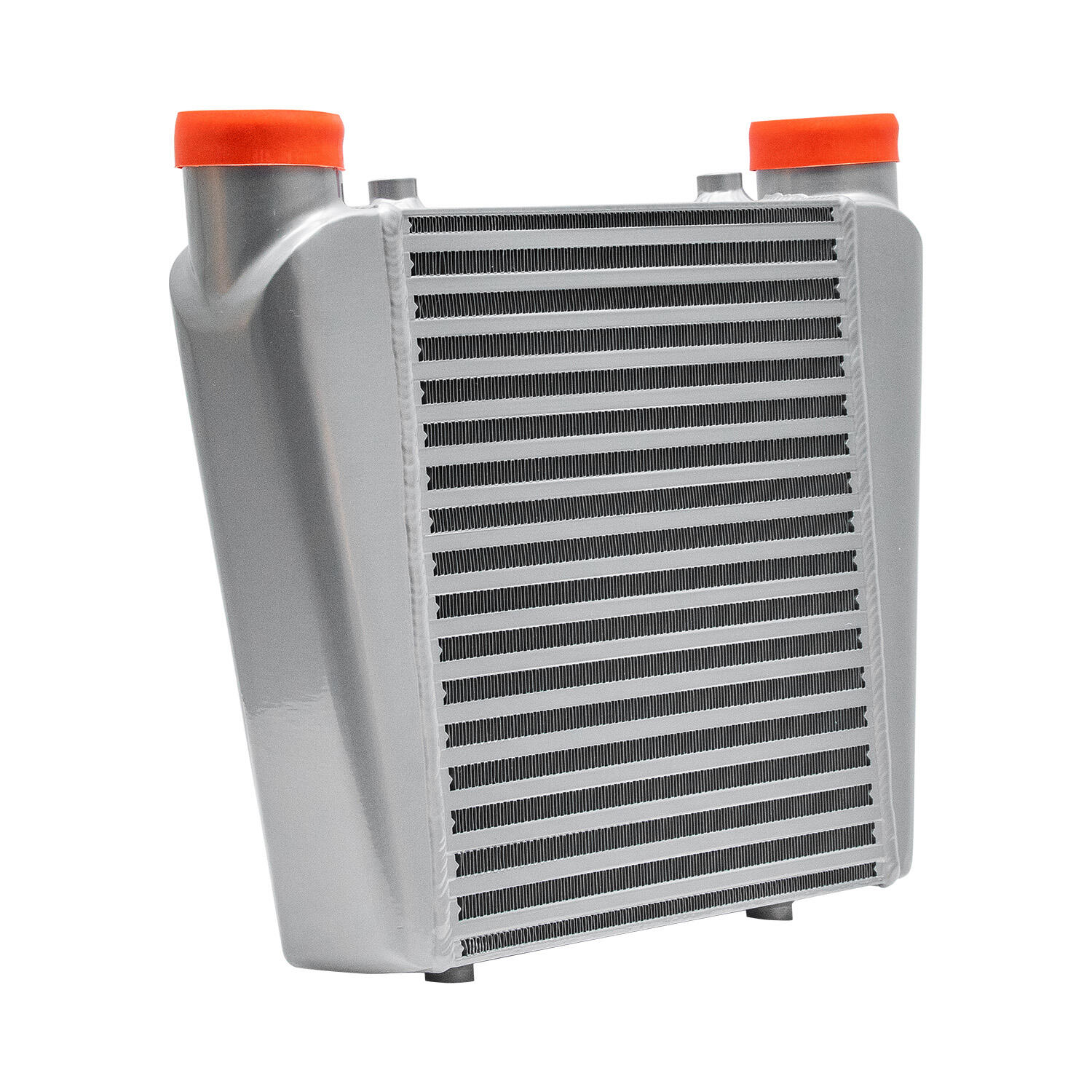
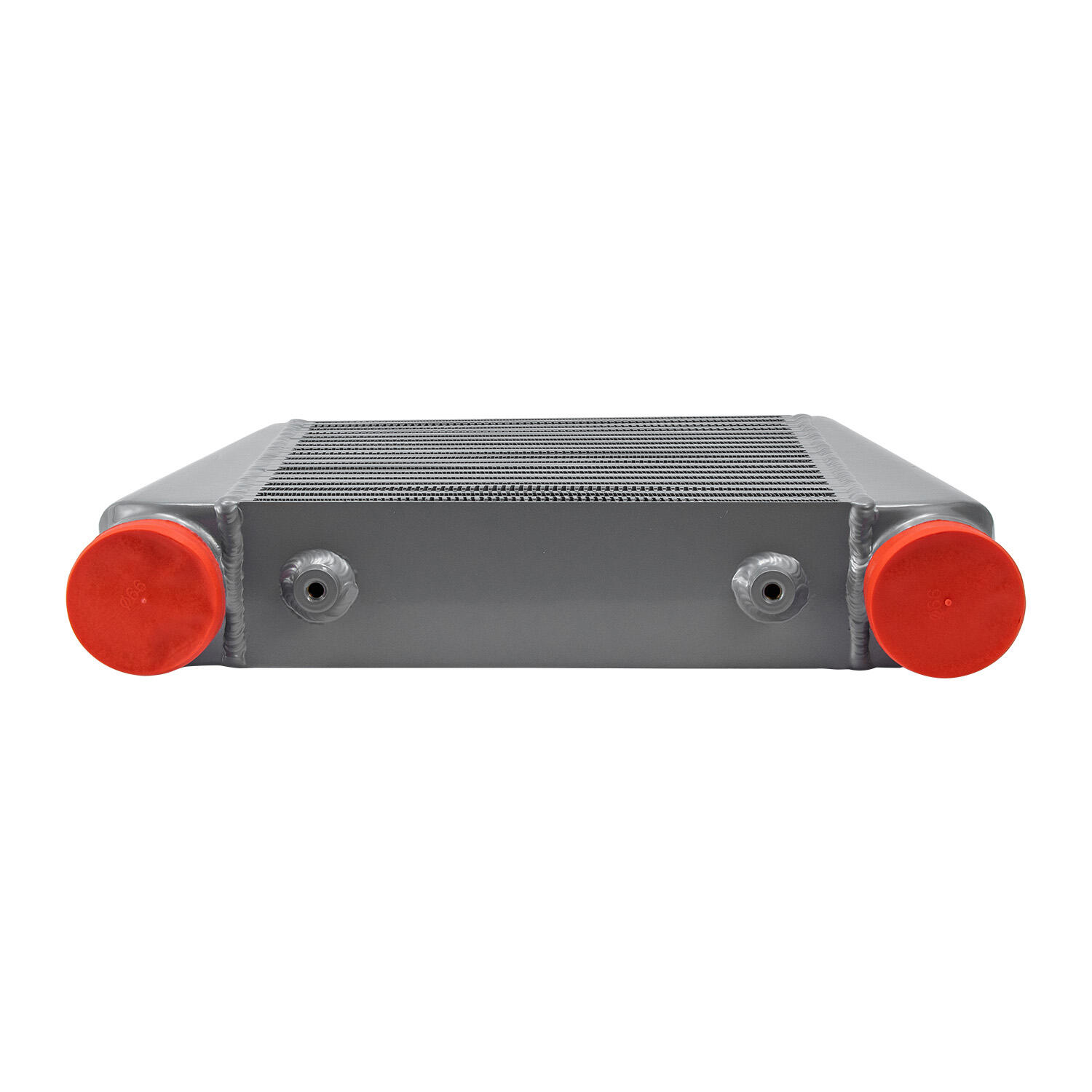
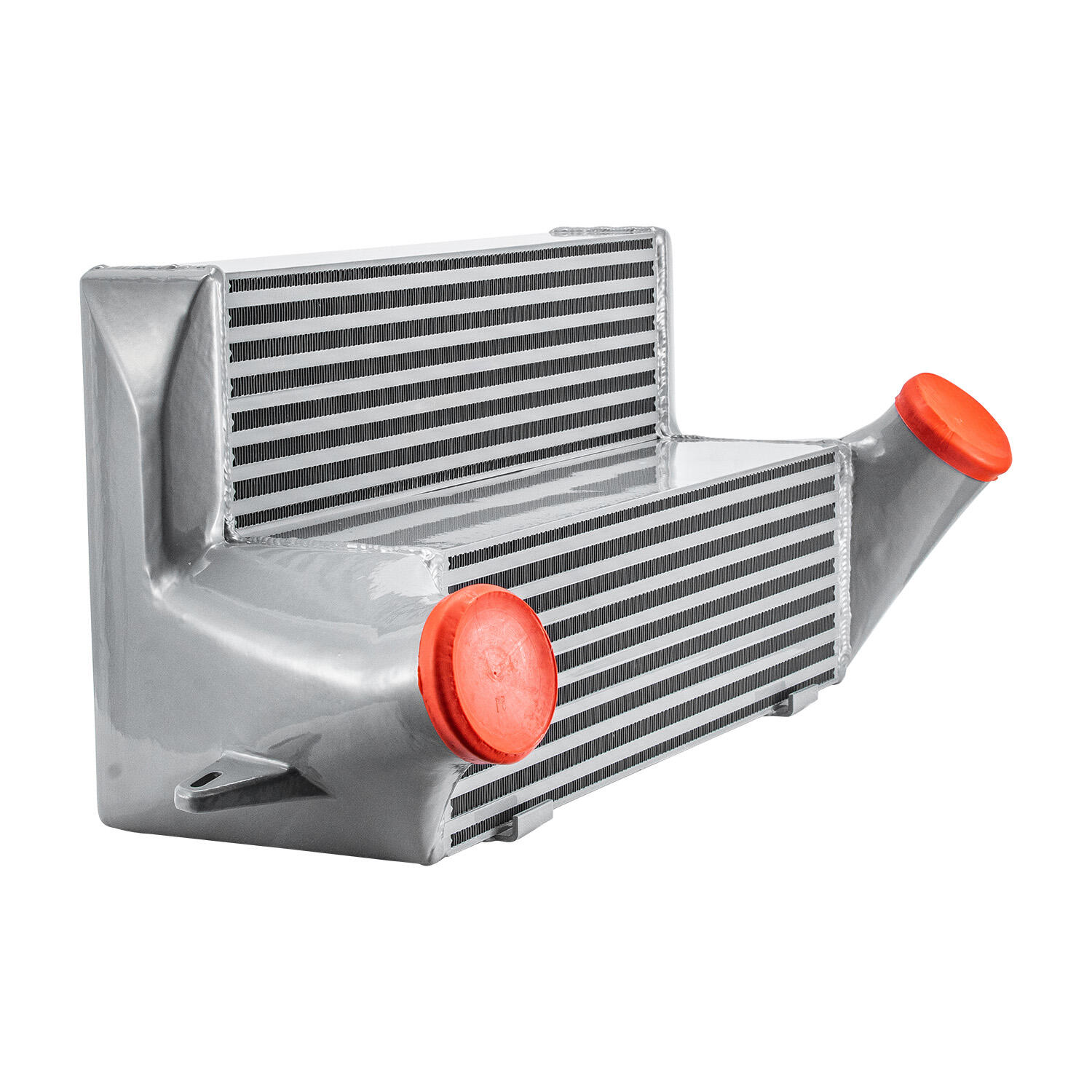
The motorcycle intercooler distinguishes itself through innovative compact design and mounting versatility that addresses the unique spatial constraints and aesthetic considerations of motorcycle chassis architecture. Unlike automotive applications where abundant engine bay space permits large intercooler installations, motorcycle intercoolers must deliver maximum cooling performance within severely limited packaging envelopes while maintaining proper weight distribution and preserving the visual appeal that riders demand. Manufacturers achieve this challenging balance through advanced core designs that optimize fin density, passage geometry, and overall dimensions to extract maximum thermal performance from minimal volume, often utilizing computer-aided design tools to model airflow patterns and heat transfer characteristics before physical prototyping begins. Mounting location options for motorcycle intercoolers vary based on specific motorcycle architecture, with popular positions including beneath the fuel tank where the intercooler benefits from airflow channeled through frame openings, alongside frame rails where side fairings can direct cooling air across the core, or integrated into custom belly pan assemblies that capture ram air during forward motion. Each mounting approach presents distinct advantages regarding cooling efficiency, installation complexity, and visual integration, allowing builders and riders to select configurations that best match their performance objectives and aesthetic preferences. The physical mounting hardware for motorcycle intercoolers typically includes custom-fabricated brackets, vibration-isolating rubber bushings, and secure fastening systems that prevent movement during aggressive riding while accommodating the thermal expansion that occurs during operation. Intake piping routing represents a critical aspect of motorcycle intercooler integration, requiring careful planning to minimize bend angles, maintain smooth radius transitions, and keep overall piping length as short as practical to reduce pressure drop and throttle response lag. Quality motorcycle intercooler kits include precision-mandrel-bent aluminum piping, high-temperature silicone couplers, and stainless steel T-bolt clamps that ensure leak-free connections capable of withstanding boost pressures exceeding 20 psi without failure. The installation process for motorcycle intercoolers demands mechanical aptitude and attention to detail, typically requiring several hours for completion as builders remove bodywork, fabricate or install mounting brackets, route intake piping, secure all connections, and verify proper clearances before reassembling exterior components. Professional installation services are available for riders who prefer expert assembly, ensuring optimal placement, secure mounting, and proper integration with existing engine management systems for immediate performance benefits without trial-and-error experimentation.