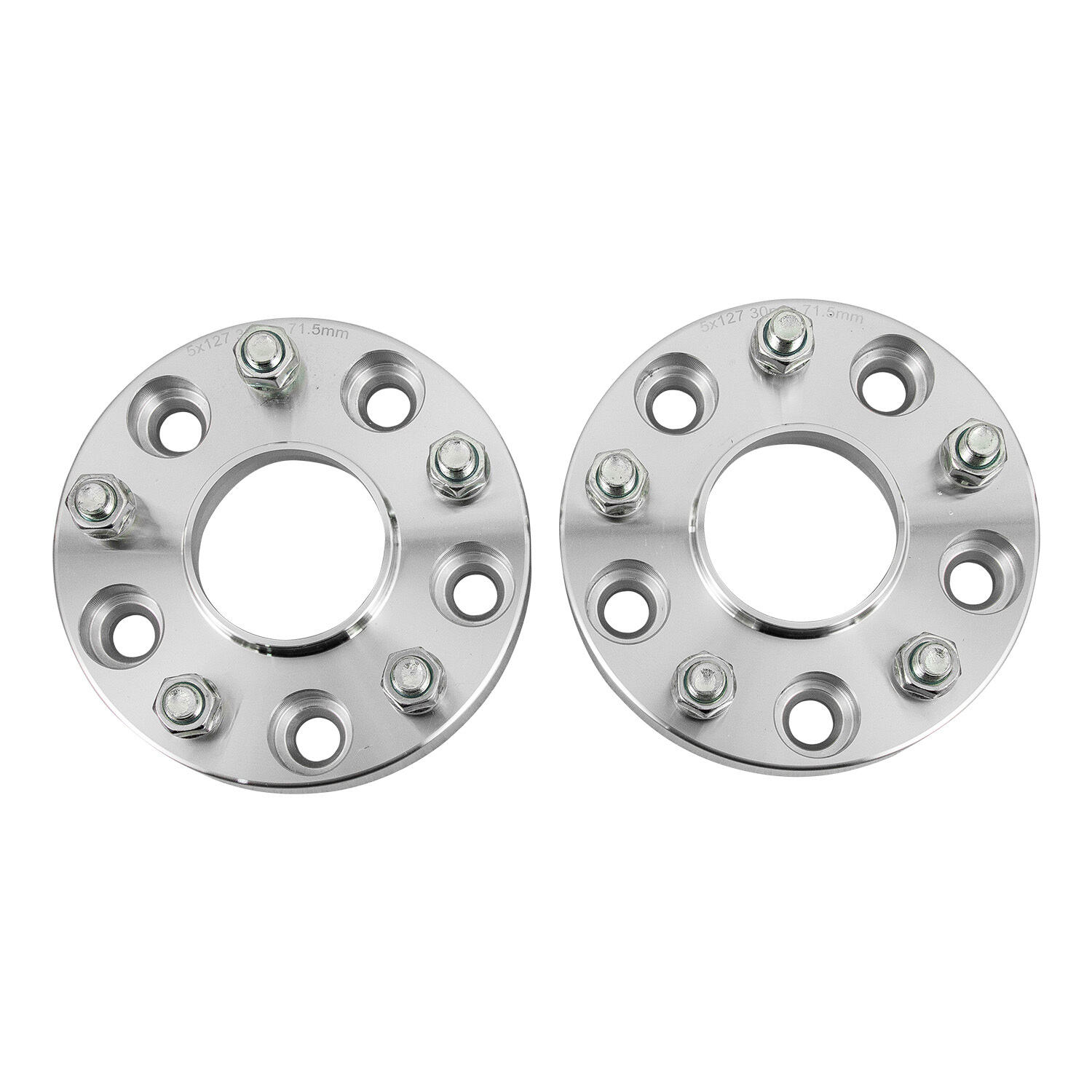
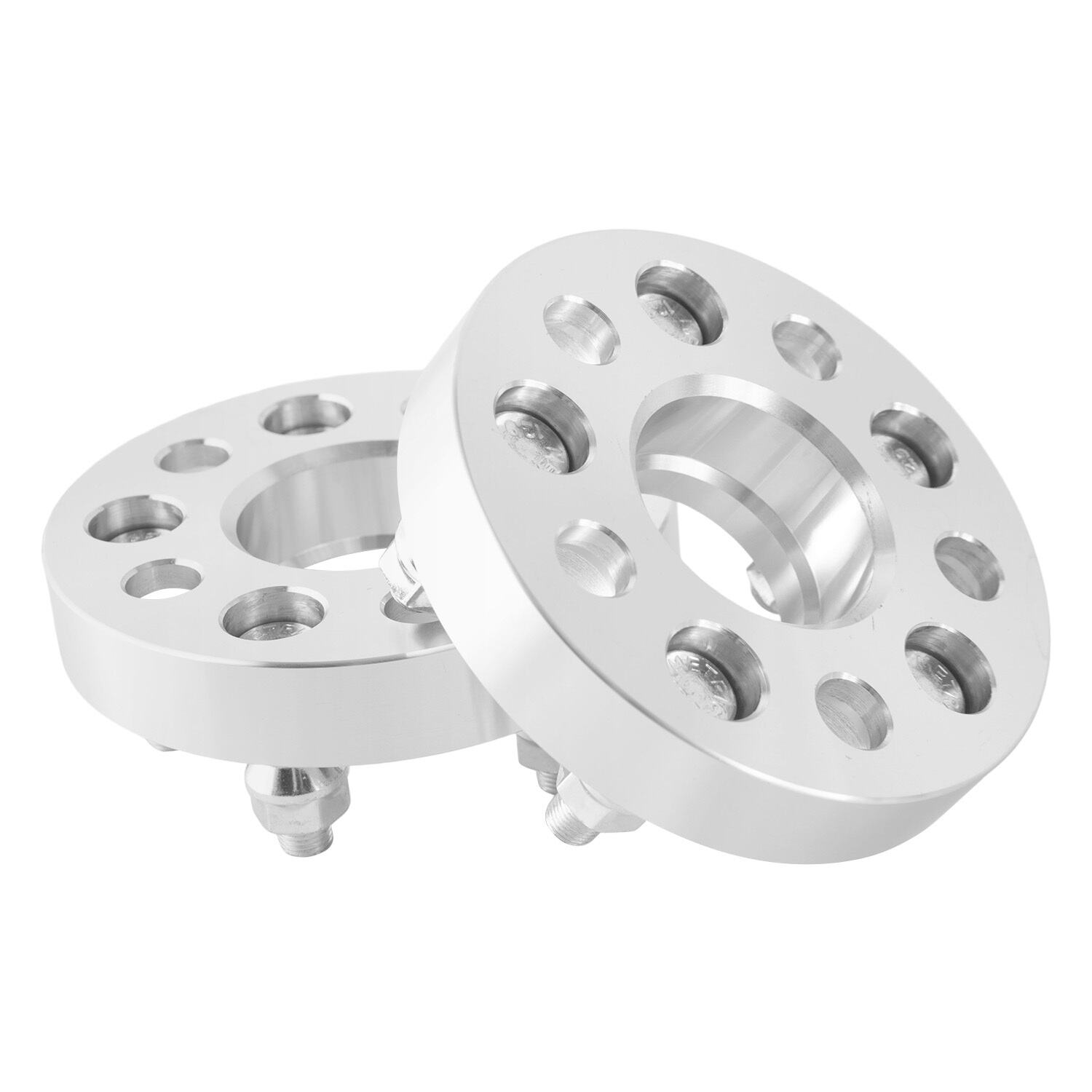
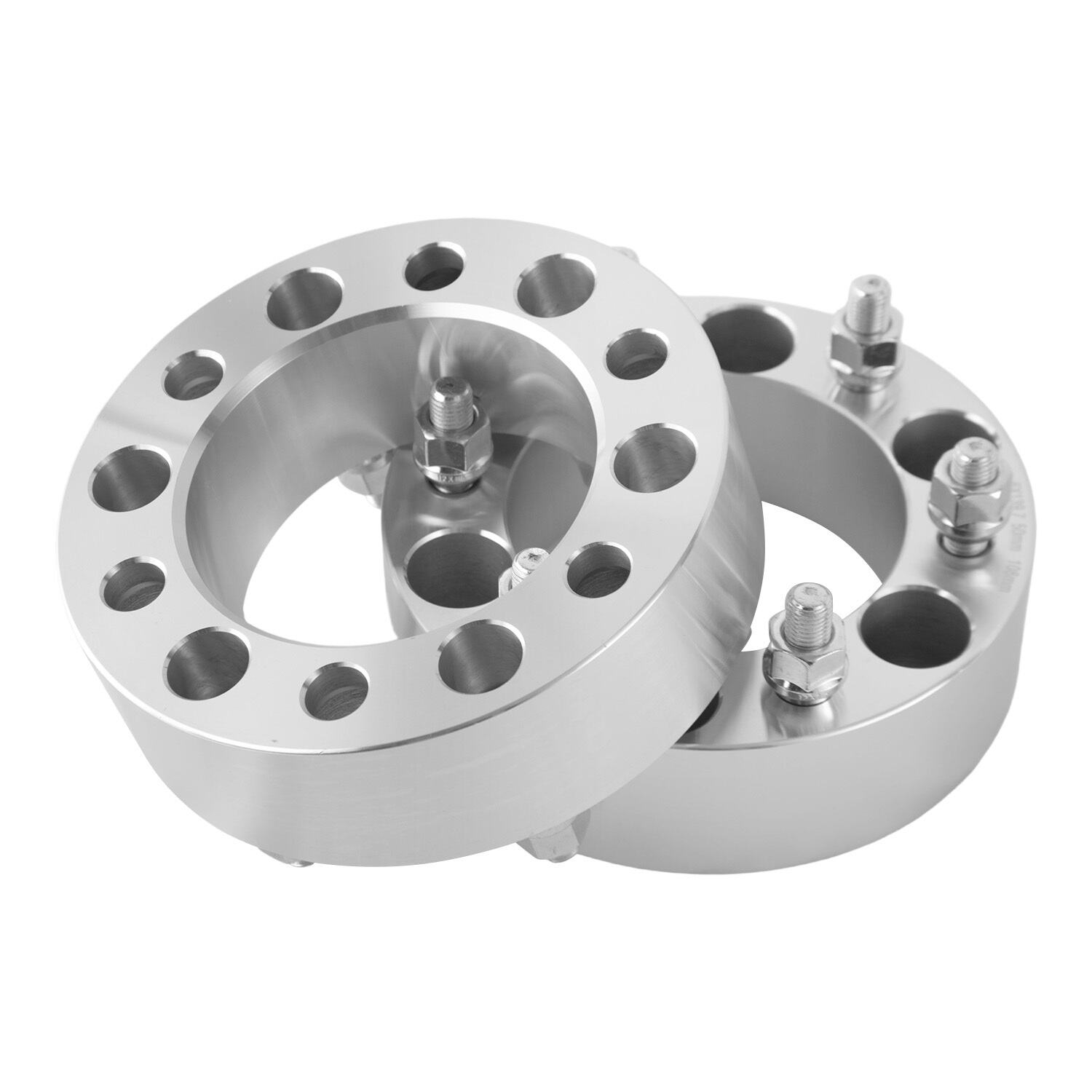
Versatile Fitment Solutions and Cost-Effective Customization Options
The versatility of 8x170 wheel spacers makes them an invaluable tool for truck owners seeking to achieve specific fitment goals without the substantial expense of purchasing new wheels or making permanent modifications to their vehicles. This adaptability stems from the availability of multiple thickness options, typically ranging from one inch to three inches, which allows users to dial in the precise offset adjustment needed for their particular application, whether that involves clearing larger brake calipers, accommodating wider tires, or simply achieving a desired aesthetic stance. The ability to select different thicknesses for front and rear axles provides even greater flexibility, enabling owners to compensate for factory stagger or create custom stance configurations that suit their preferences and functional requirements. This modular approach to fitment adjustment represents a significant cost advantage compared to purchasing wheels with custom offset specifications, which can easily cost thousands of dollars and limit future flexibility if your needs or preferences change. With 8x170 wheel spacers, you retain your existing wheels while gaining the ability to modify your fitment as needed, and the spacers can be removed or replaced with different thicknesses if you decide to change tire sizes, install a lift kit, or simply want to experiment with different looks. The reversibility of this modification is particularly valuable for truck owners who lease their vehicles or plan to return to stock configuration before selling, as the spacers can be removed without leaving permanent alterations that might affect resale value or violate lease agreements. For enthusiasts who participate in multiple activities with their trucks, the ability to swap between different spacer thicknesses provides practical benefits, such as running narrower track widths for tight trail situations and wider configurations for high-speed desert running or towing stability. The installation process for quality 8x170 wheel spacers requires only basic hand tools and mechanical aptitude, making this modification accessible to do-it-yourself enthusiasts who want to save on installation costs while gaining hands-on experience with their vehicles. The straightforward bolt-on installation means you can complete the project in your driveway or garage within a few hours, and the process provides an excellent opportunity to inspect your brake components, wheel bearings, and suspension parts while the wheels are removed. This accessibility democratizes vehicle customization, allowing truck owners to achieve professional-quality results without requiring specialized equipment or professional installation services that add significantly to the total project cost.