Superior Build Quality and Long-Term Durability
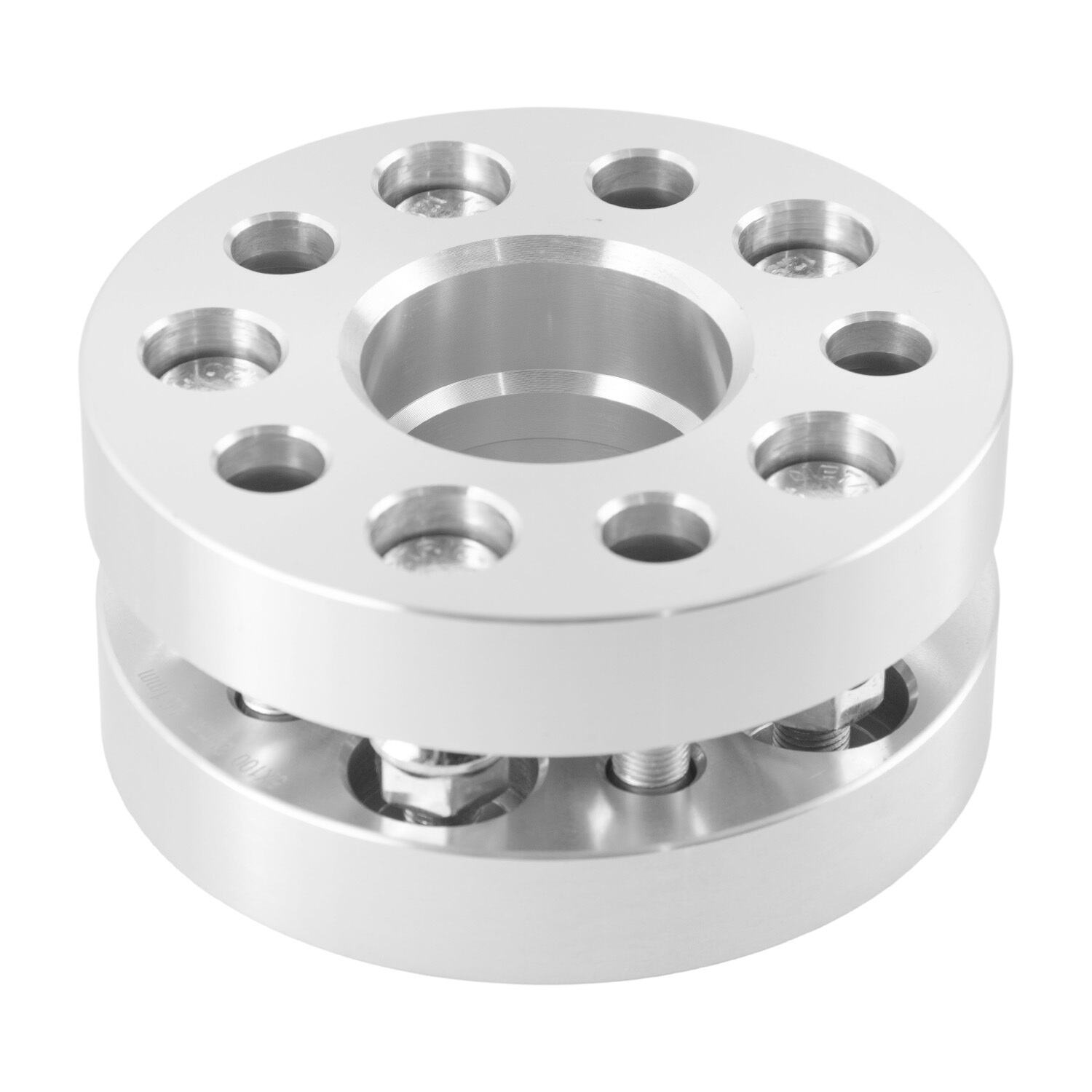
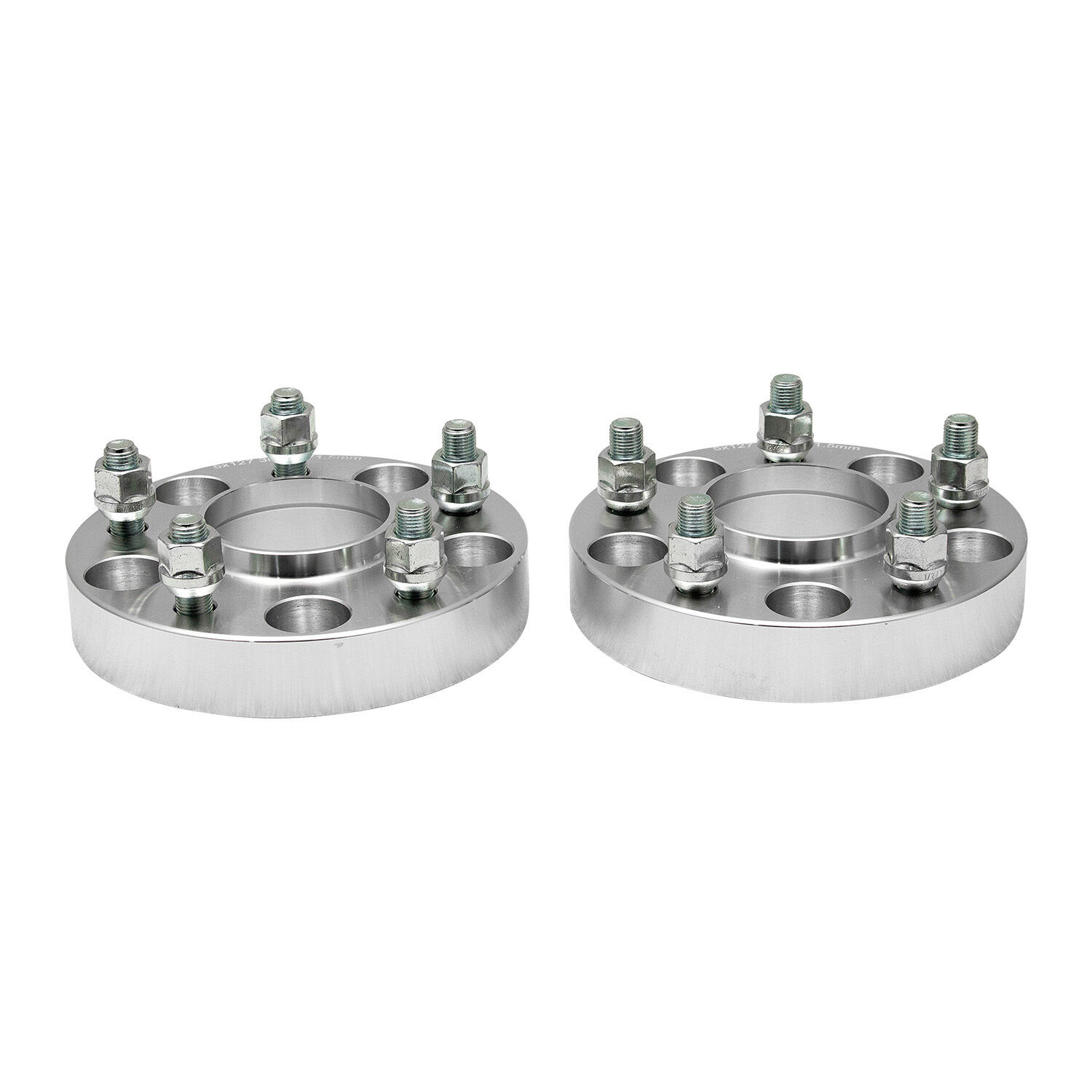
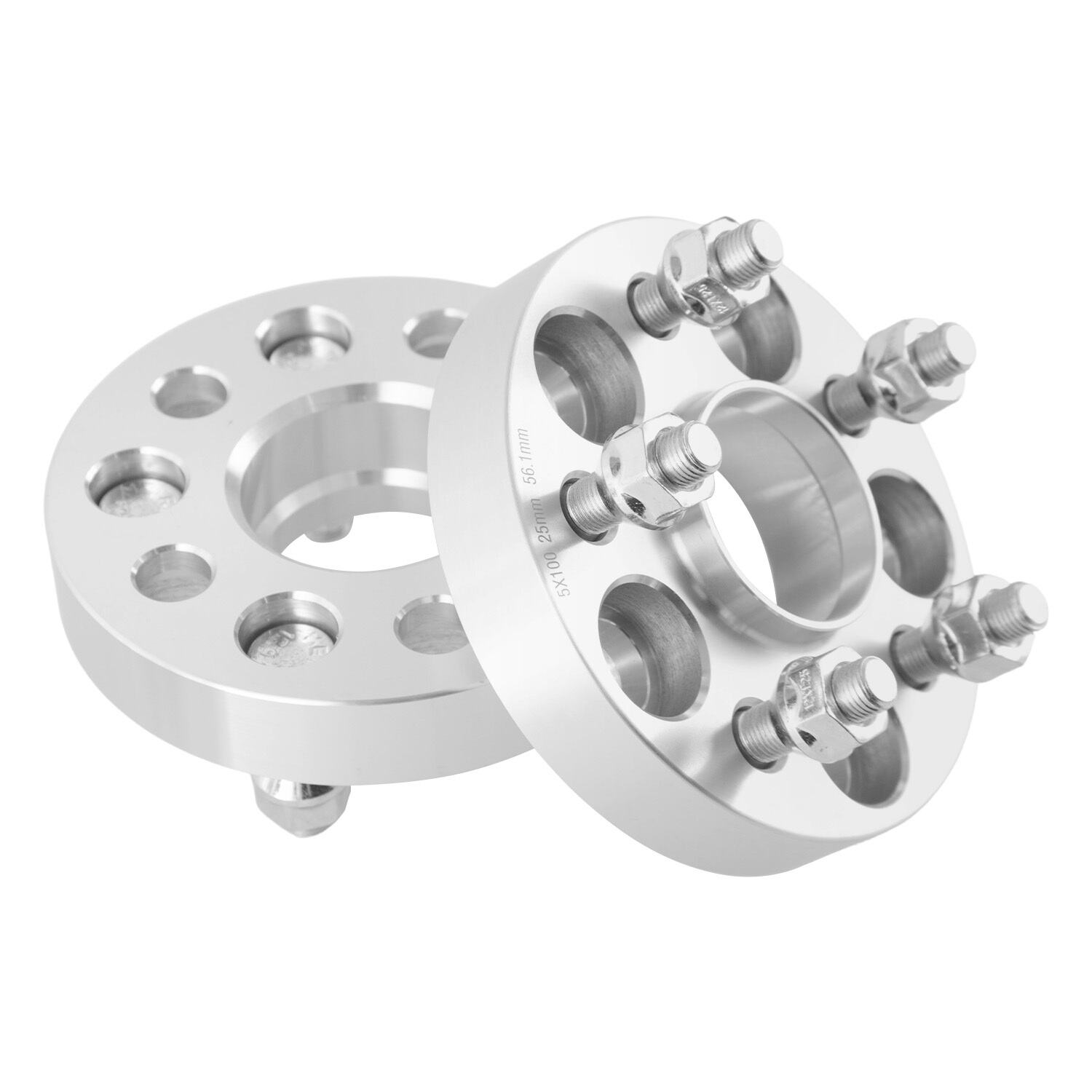
The engineering and manufacturing quality of premium ford ranger wheel spacers sets them apart as a modification that delivers reliable performance over years of demanding use without degradation or failure. Understanding the materials and construction methods used in quality spacers helps explain why they represent a worthwhile investment rather than a risky shortcut. The best ford ranger wheel spacers are CNC-machined from billet aluminum alloy, typically 6061-T6 specification, which offers an exceptional strength-to-weight ratio and natural corrosion resistance. This aerospace-grade material undergoes precision machining to tolerances measured in thousandths of an inch, ensuring perfect fitment with your Ford Ranger's hub assembly and wheel mounting surfaces. The hub-centric design is particularly important, as it means the spacer's center bore matches your truck's hub diameter exactly, allowing the hub to support the wheel's weight rather than placing all stress on the wheel studs. This design prevents vibration, maintains proper wheel balance, and ensures safe operation even under extreme conditions. Some manufacturers offer steel spacers for applications requiring maximum strength, such as heavy-duty towing or extreme off-road use, though these add more weight than aluminum alternatives. The surface treatment and finishing processes applied to quality ford ranger wheel spacers provide additional protection against the elements. Hard anodizing creates a durable oxide layer that resists scratching, corrosion, and chemical damage from road salt, brake dust, and cleaning products. This finish maintains its appearance over time, preventing the unsightly corrosion and pitting that can affect lower-quality spacers or improperly finished components. The hardware included with premium spacer kits is equally important to long-term reliability. High-tensile strength wheel studs or bolts, typically grade 10.9 or higher, provide the clamping force necessary to secure wheels safely while resisting fatigue and stress cracking over thousands of miles. Thread-locking compounds or prevailing torque features prevent loosening from vibration, though regular torque checks remain part of responsible maintenance. Installation considerations also impact durability, as proper torque specifications and sequence must be followed to ensure even clamping force distribution. Quality ford ranger wheel spacers include detailed instructions specifying torque values and tightening patterns, along with recommendations for re-torquing after the first fifty to one hundred miles of driving. This initial settling period allows components to seat properly, after which the installation remains stable for the life of the spacers. Real-world testing and validation separate premium spacers from budget alternatives, with reputable manufacturers conducting extensive durability testing including vibration analysis, fatigue cycling, and corrosion exposure to ensure their products meet or exceed OEM standards. This testing validates that ford ranger wheel spacers will perform reliably through temperature extremes, road salt exposure, off-road impacts, and the constant stress cycling of daily driving without compromising safety or functionality.