Enhanced Performance and Tire Compatibility
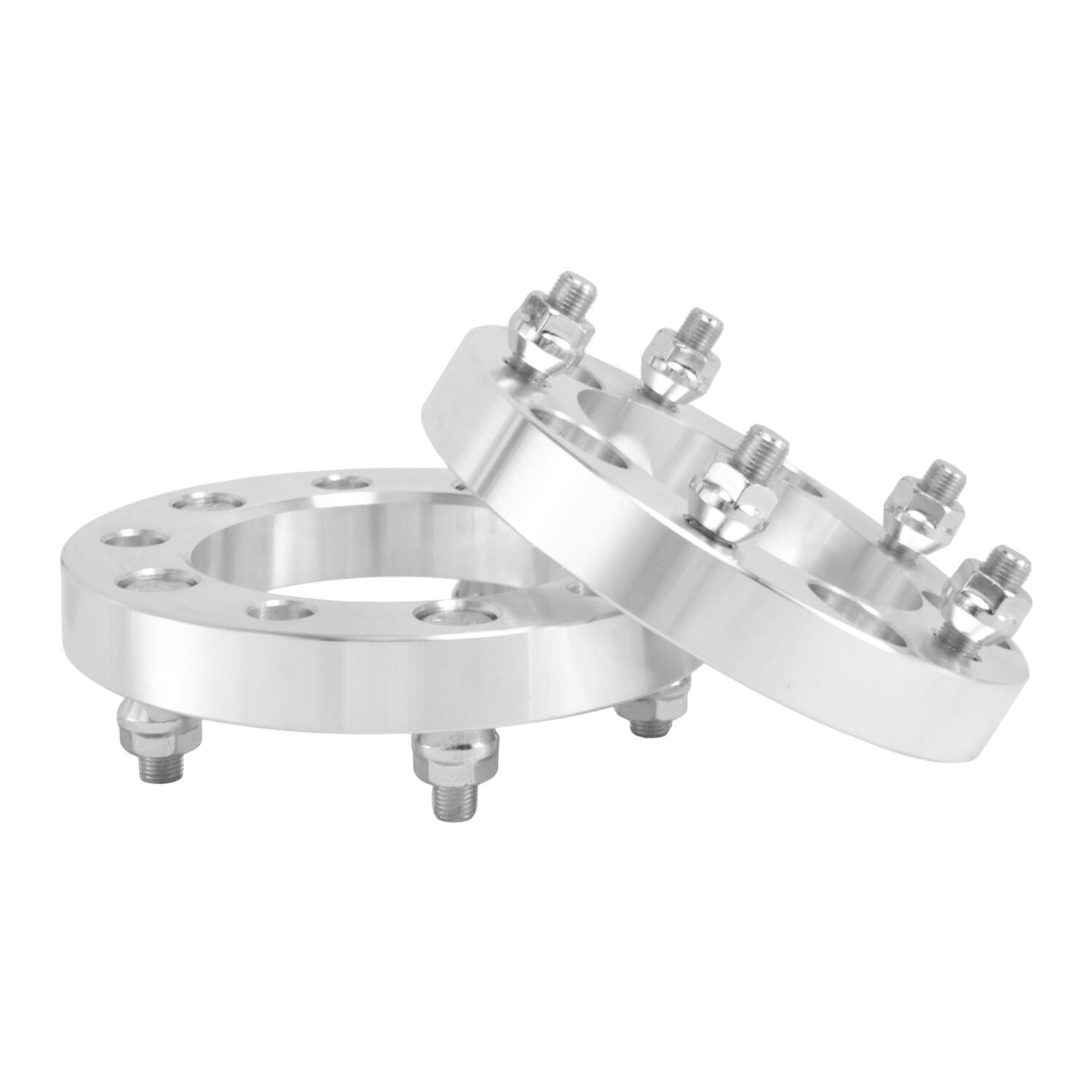
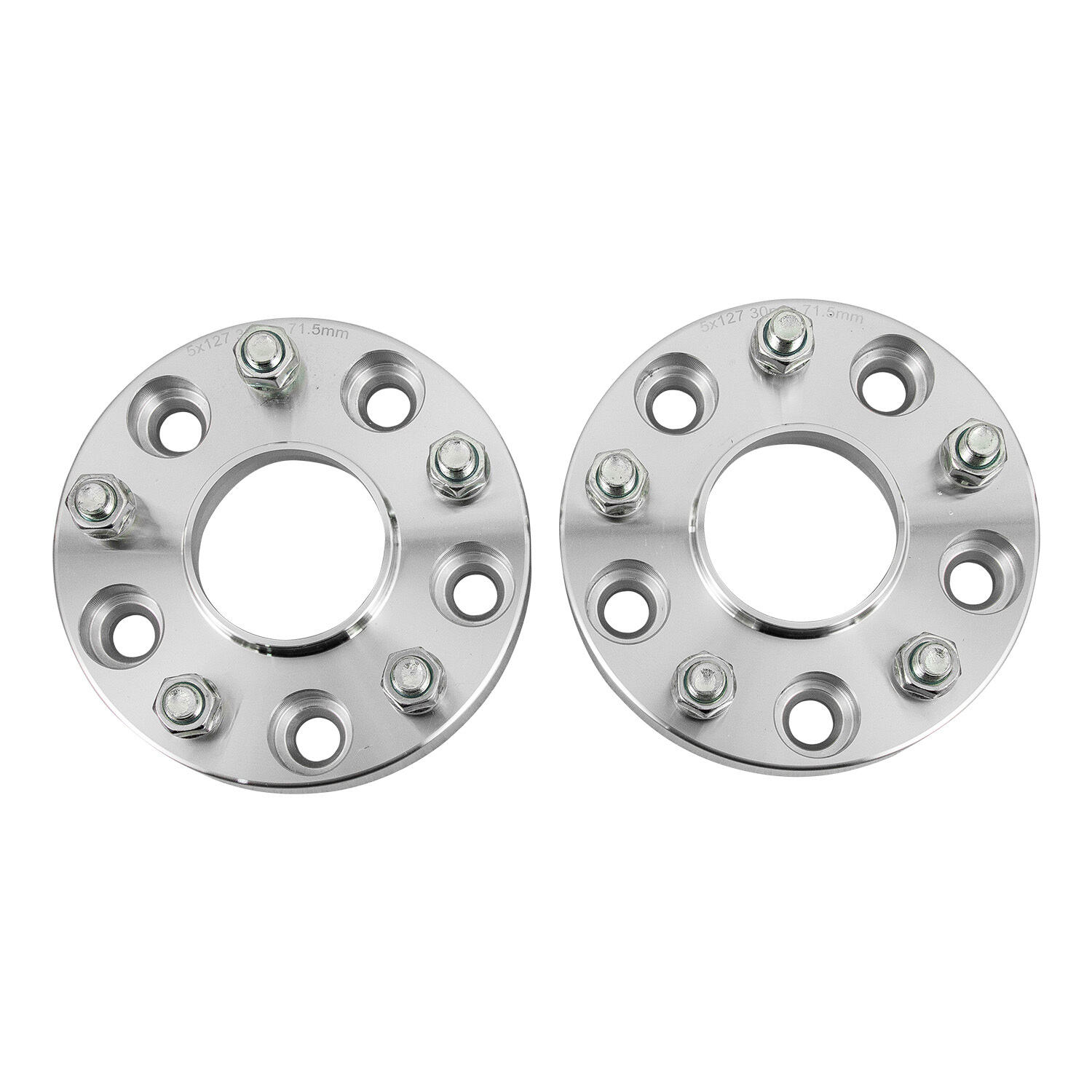
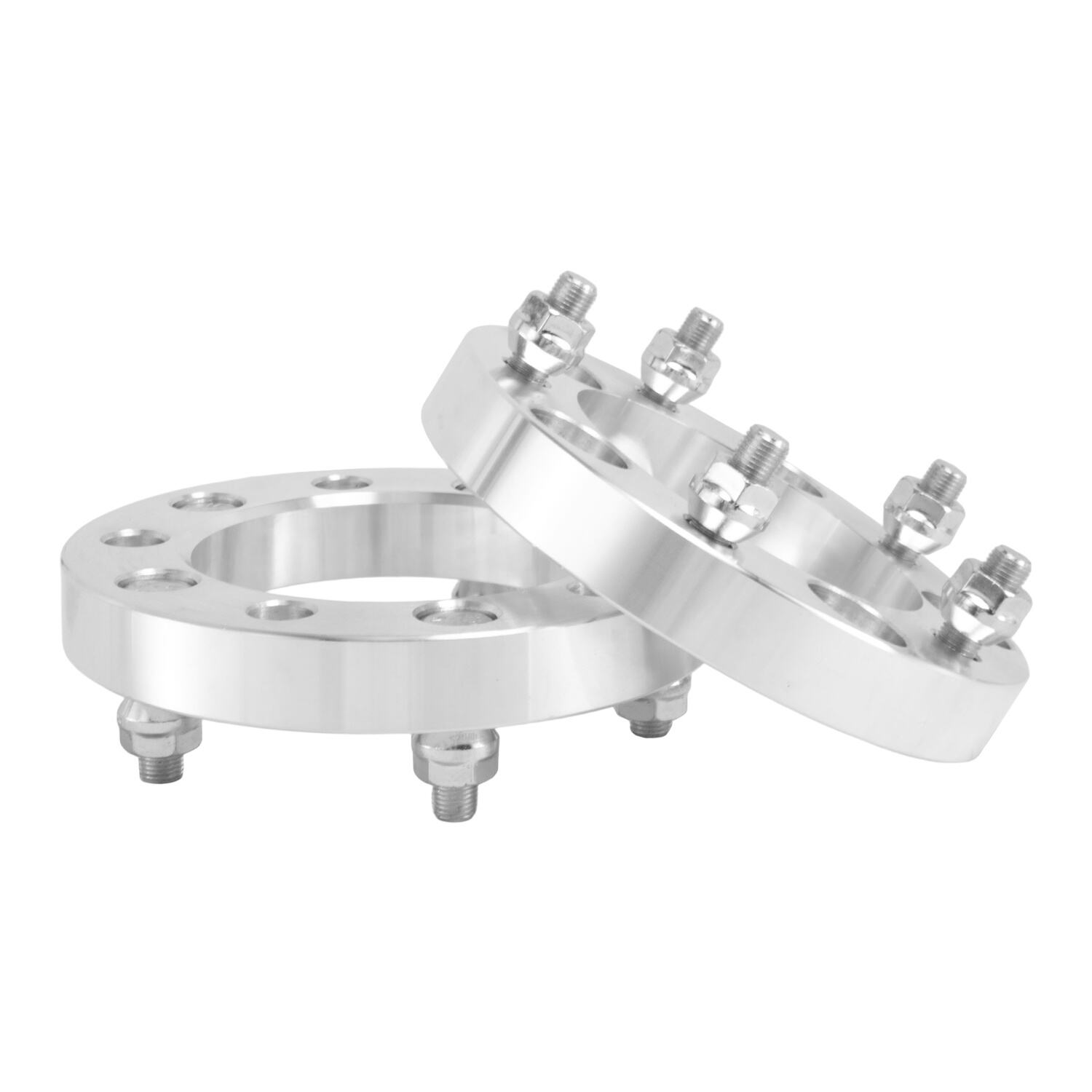
The performance benefits delivered by golf cart wheel spacers extend far beyond visual improvements, fundamentally enhancing how your vehicle interacts with various terrain types and operating conditions. By widening the track width, spacers increase the scrub radius and contact patch distribution, which improves mechanical grip during acceleration, braking, and cornering maneuvers. This enhanced grip translates into shorter stopping distances on loose or slippery surfaces, providing an important safety margin when operating in wet conditions or on gravel paths. The improved weight distribution across a wider footprint reduces ground pressure under each tire, which minimizes turf damage on golf courses and prevents the cart from sinking into soft ground or sand. This characteristic proves valuable for groundskeepers and course maintenance staff who need to access sensitive areas without leaving visible tire tracks or damaging carefully maintained grass. The additional clearance provided by wheel spacers eliminates the frustrating problem of tire rub, which occurs when wheels contact suspension components, fenders, or the cart body during compression or steering input. This clearance becomes essential when installing lift kits, as the altered suspension geometry often brings tires closer to the cart body, creating interference that spacers effectively resolve. Owners seeking maximum off-road capability find that spacers allow the installation of aggressive tread patterns and larger tire sizes that dramatically improve traction on mud, sand, rocks, and steep inclines. The wider stance also improves stability when carrying heavy loads or towing trailers, as the increased track width provides better resistance to lateral weight shifts that can destabilize narrow-track vehicles. Performance enthusiasts appreciate how spacers complement other modifications like upgraded motors, controllers, and gear ratios, ensuring the chassis can handle increased power without compromising stability. The improved handling characteristics reduce driver fatigue during extended use, as the cart requires less constant steering correction to maintain a straight line or navigate through turns smoothly. This ease of operation proves particularly beneficial for commercial applications where operators spend entire shifts driving golf carts for maintenance, security, or hospitality services.