Enhanced Safety Through Proper Installation and Quality Components
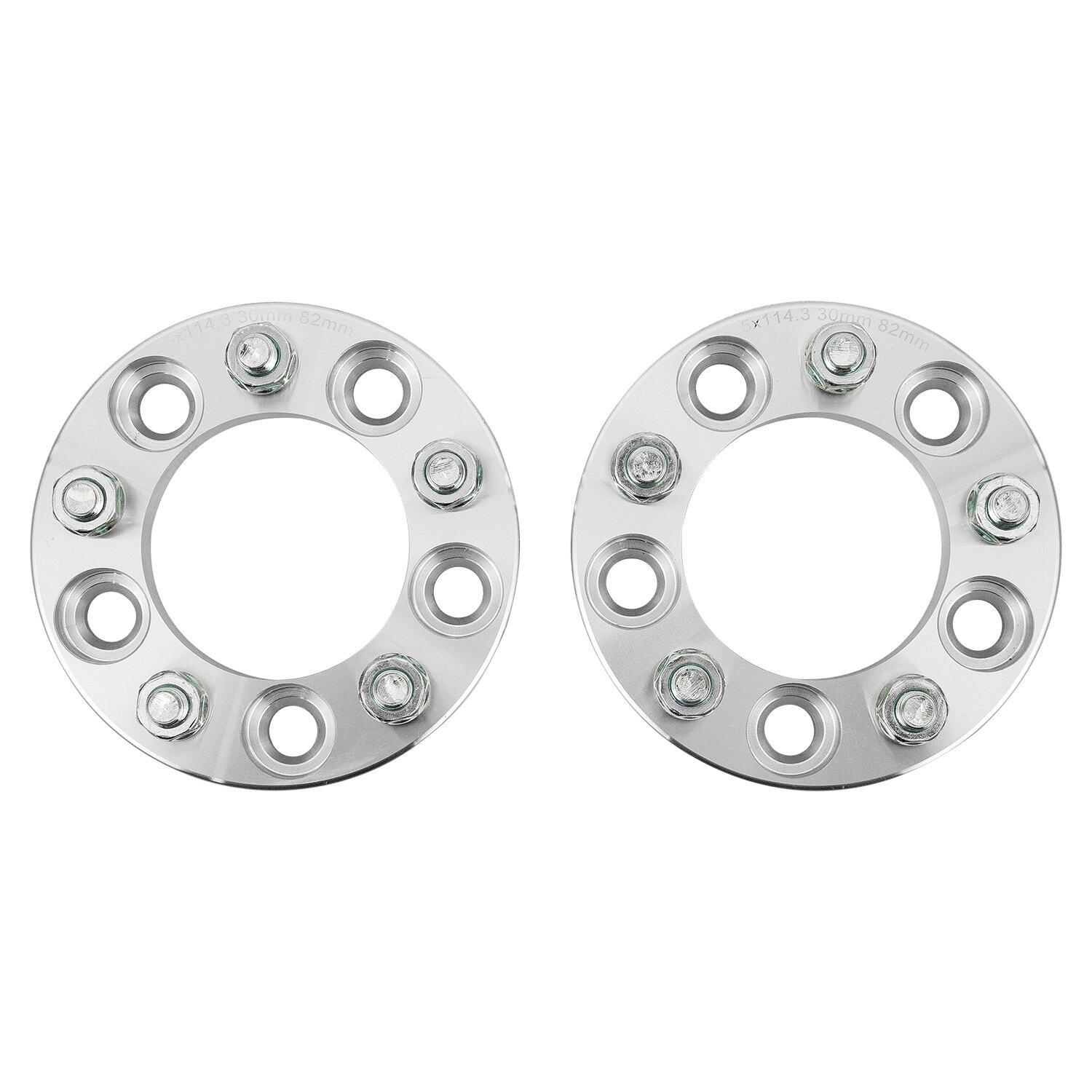
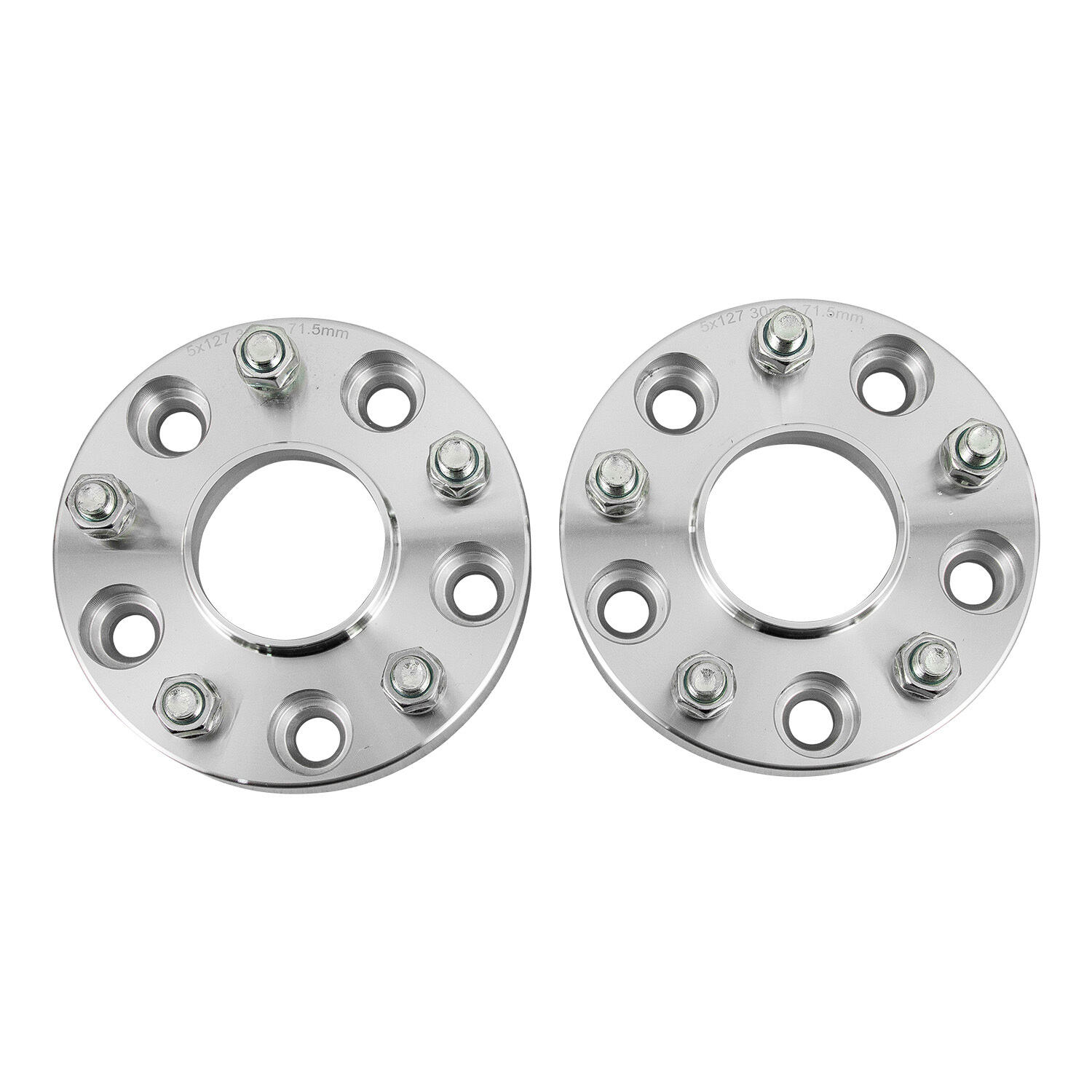
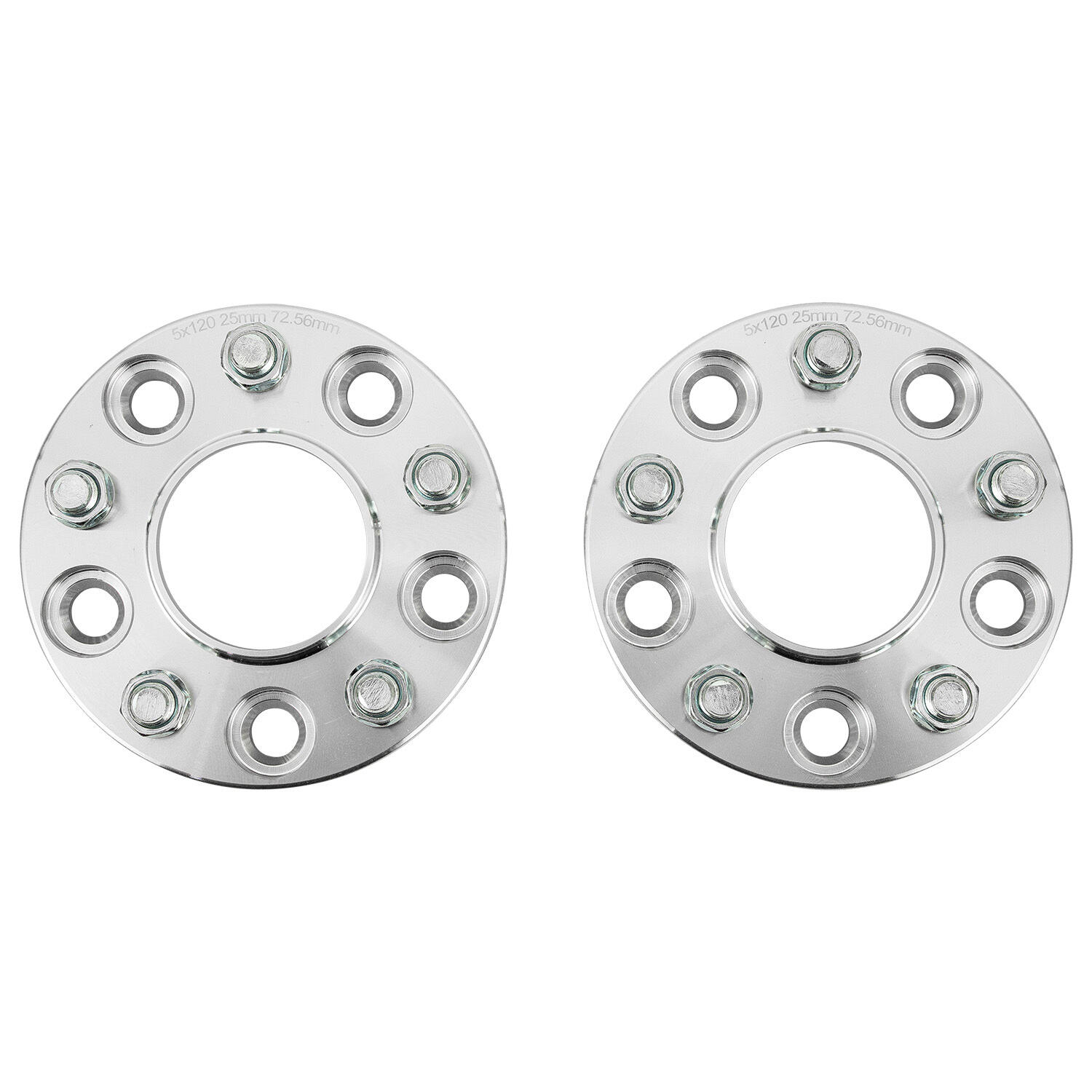
Safety considerations surrounding wheel adapters demand attention to proper selection, installation procedures, and ongoing maintenance practices that ensure reliable long-term performance. Quality wheel adapters from reputable manufacturers undergo rigorous testing protocols that verify their structural integrity under extreme conditions exceeding normal operating loads. Finite element analysis during the design phase identifies potential stress concentrations, allowing engineers to optimize material distribution and eliminate weak points before production begins. Physical testing subjects wheel adapters to cyclic loading that simulates years of driving in compressed timeframes, revealing any fatigue characteristics or failure modes that require design modifications. The proper selection of wheel adapters requires careful attention to specifications that match your vehicle's requirements and intended use. Thickness measurements determine how far wheels space outward from factory positions, affecting suspension geometry, scrub radius, and steering characteristics. Insufficient thickness may fail to provide necessary clearance for brake calipers or suspension components, while excessive thickness can place wheel bearings under side loads they were not designed to handle. Bolt pattern specifications must precisely match both your vehicle's hub pattern and your wheel's mounting pattern, with no tolerance for approximation or forced fitment. Load ratings represent critical safety specifications that must meet or exceed your vehicle's requirements, particularly for trucks, SUVs, and vehicles used for towing or hauling. Installation procedures for wheel adapters follow specific sequences and torque specifications that ensure proper clamping force and load distribution. Mounting surfaces on both the vehicle hub and wheel adapter must be thoroughly cleaned to remove any rust, dirt, or debris that could prevent full contact and create stress risers. Fasteners should be installed in a star pattern, gradually tightening in multiple stages to achieve even clamping force around the entire circumference. Torque specifications provided by adapter manufacturers must be followed precisely, as under-tightening allows movement and wear while over-tightening can stretch studs beyond their elastic limit, causing permanent deformation and reduced clamping force. Thread-locking compounds appropriate for automotive applications should be applied to fasteners to prevent loosening from vibration, though care must be taken to use removable-strength formulations that allow future disassembly. Maintenance requirements for wheel adapters include periodic inspection and re-torquing to ensure continued safe operation. Initial installation should be followed by re-torquing after the first 50-100 miles of driving, as components settle and achieve full contact. Subsequent inspections every 5,000 miles or during routine tire rotations allow early detection of any loosening, wear, or damage. Visual inspection should check for cracks, deformation, or corrosion that could compromise structural integrity, with any questionable components replaced immediately rather than risking failure.