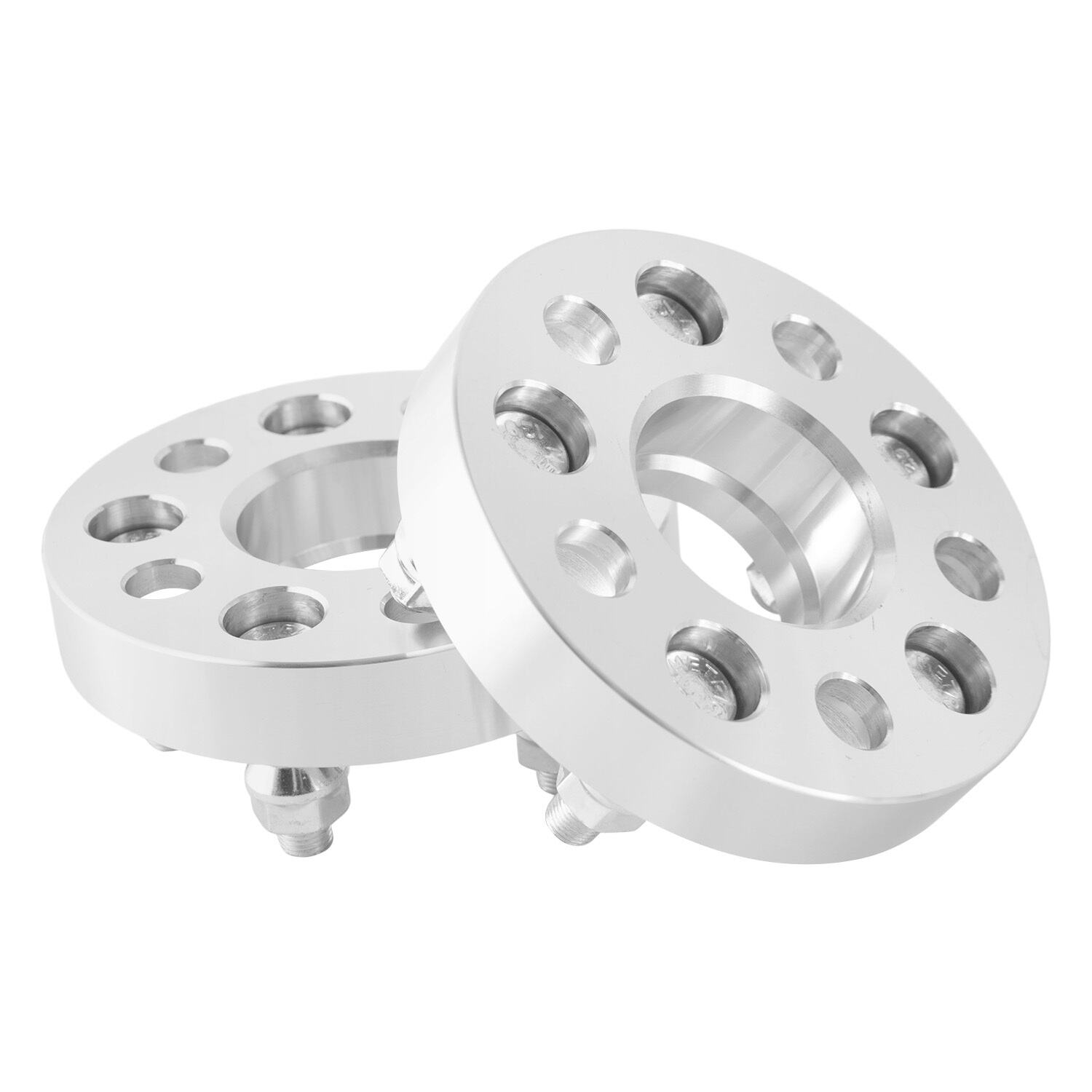
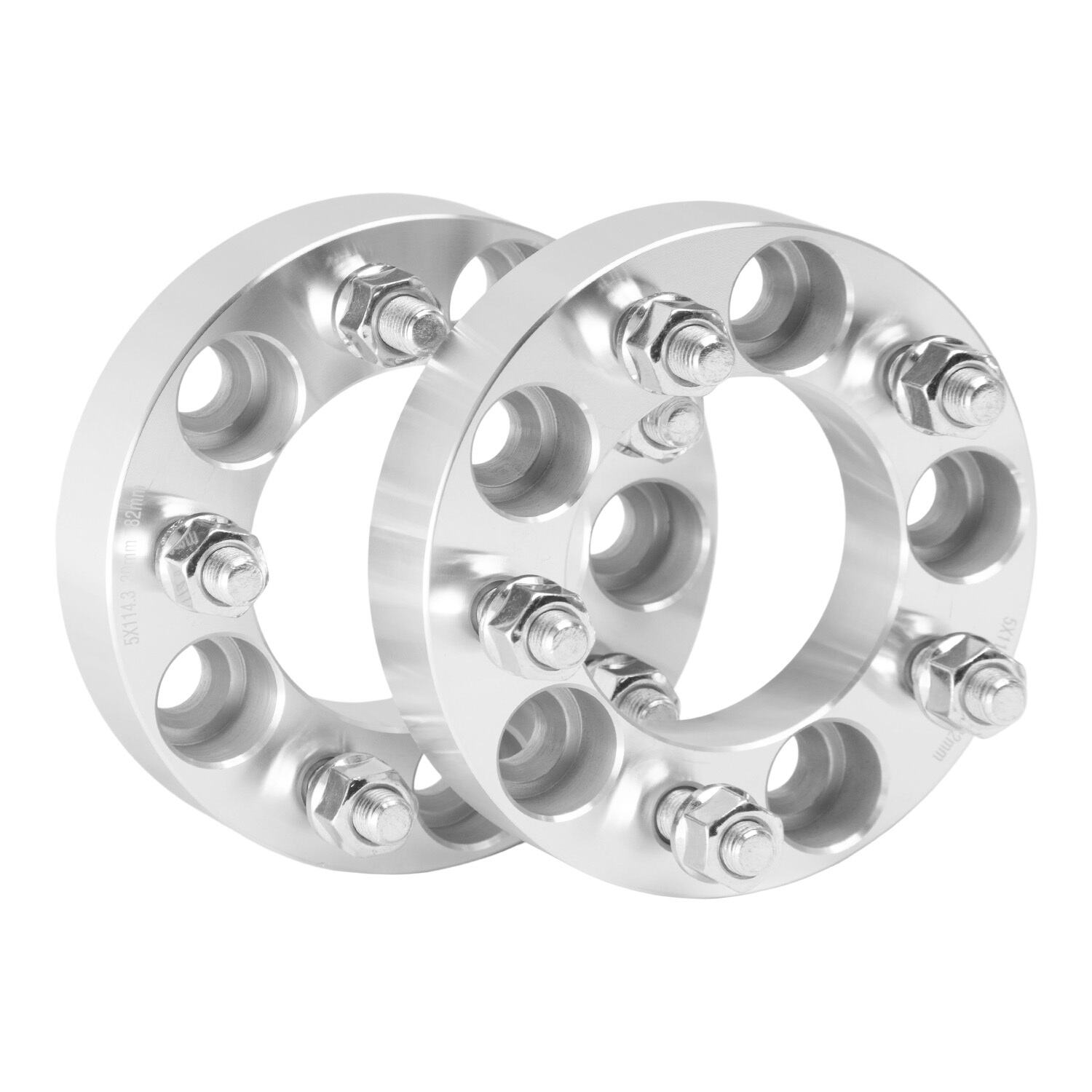
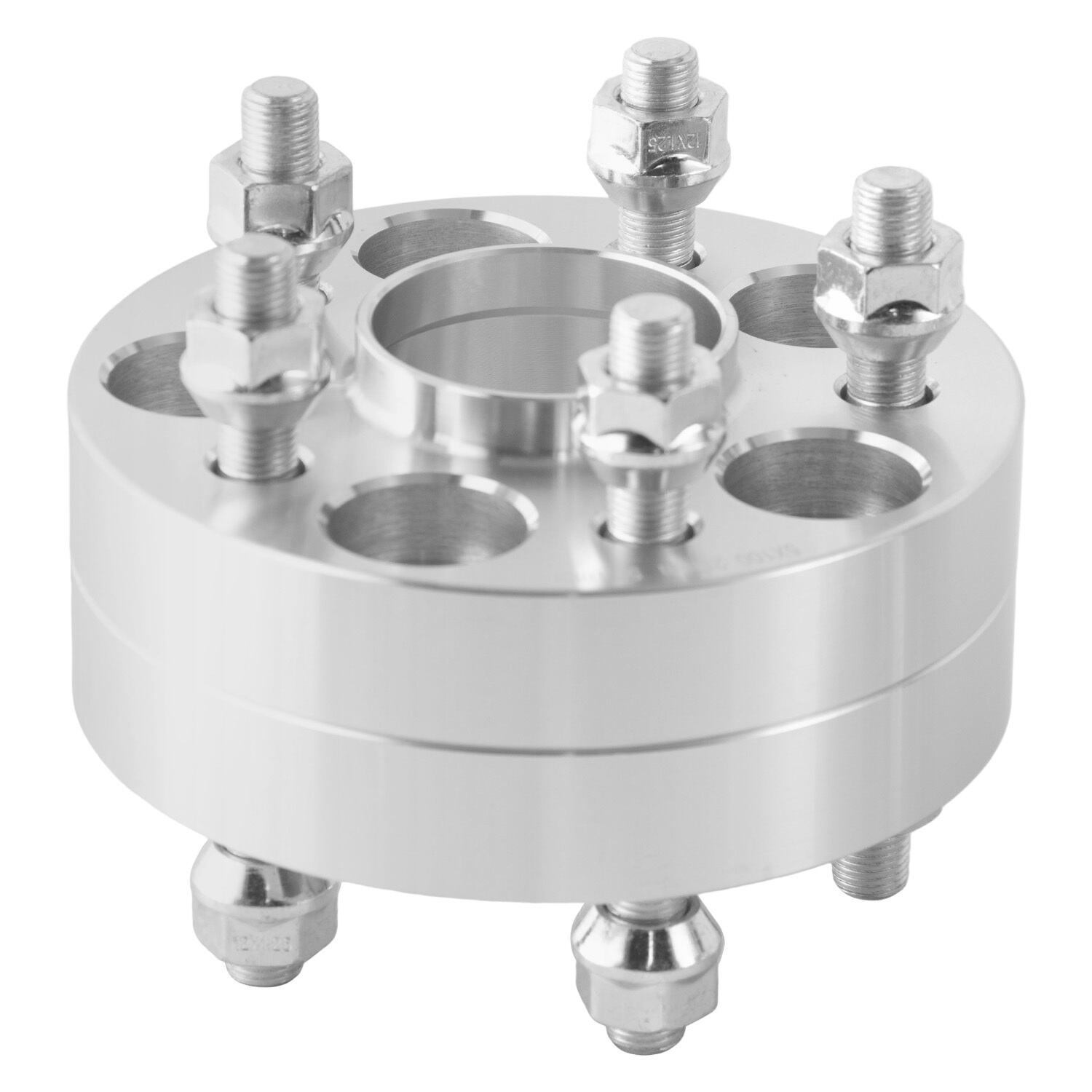
5x112 wheel spacers
The 5x112 wheel spacers represent a precision-engineered automotive component designed to modify the offset and stance of vehicles equipped with a 5x112 bolt pattern. This specific bolt pattern, commonly found on European vehicles including Audi, Volkswagen, Mercedes-Benz, and certain Porsche models, features five bolt holes arranged in a 112mm diameter circle. These wheel spacers serve as intermediary components that mount between the vehicle's hub and the wheel, effectively pushing the wheels outward from the vehicle's body. The primary function of 5x112 wheel spacers involves creating additional clearance between the wheel assembly and various suspension components, brake calipers, or the vehicle's fender wells. This modification proves essential when installing aftermarket wheels with insufficient offset, upgrading to larger brake systems, or achieving a more aggressive aesthetic stance. Modern 5x112 wheel spacers incorporate advanced manufacturing techniques, typically constructed from high-grade aluminum alloy or forged steel to ensure structural integrity under demanding conditions. The technological features include precision-machined hub-centric rings that maintain proper wheel centering, preventing vibrations and ensuring smooth operation at highway speeds. Quality 5x112 wheel spacers feature corrosion-resistant coatings or anodized finishes that protect against environmental elements, extending their operational lifespan. The applications extend beyond aesthetic enhancements, as these components can improve vehicle handling characteristics by widening the track width, which increases stability during cornering and enhances overall driving dynamics. Installation typically requires vehicle-specific hardware, with bolt-on designs offering straightforward fitment while slip-on variants provide versatility for various wheel configurations. The thickness options range from conservative 5mm spacers for minor adjustments to aggressive 25mm or larger spacers for dramatic stance modifications, allowing vehicle owners to customize their setup according to specific requirements and preferences.