Premium Construction and Safety Features for Reliable Performance
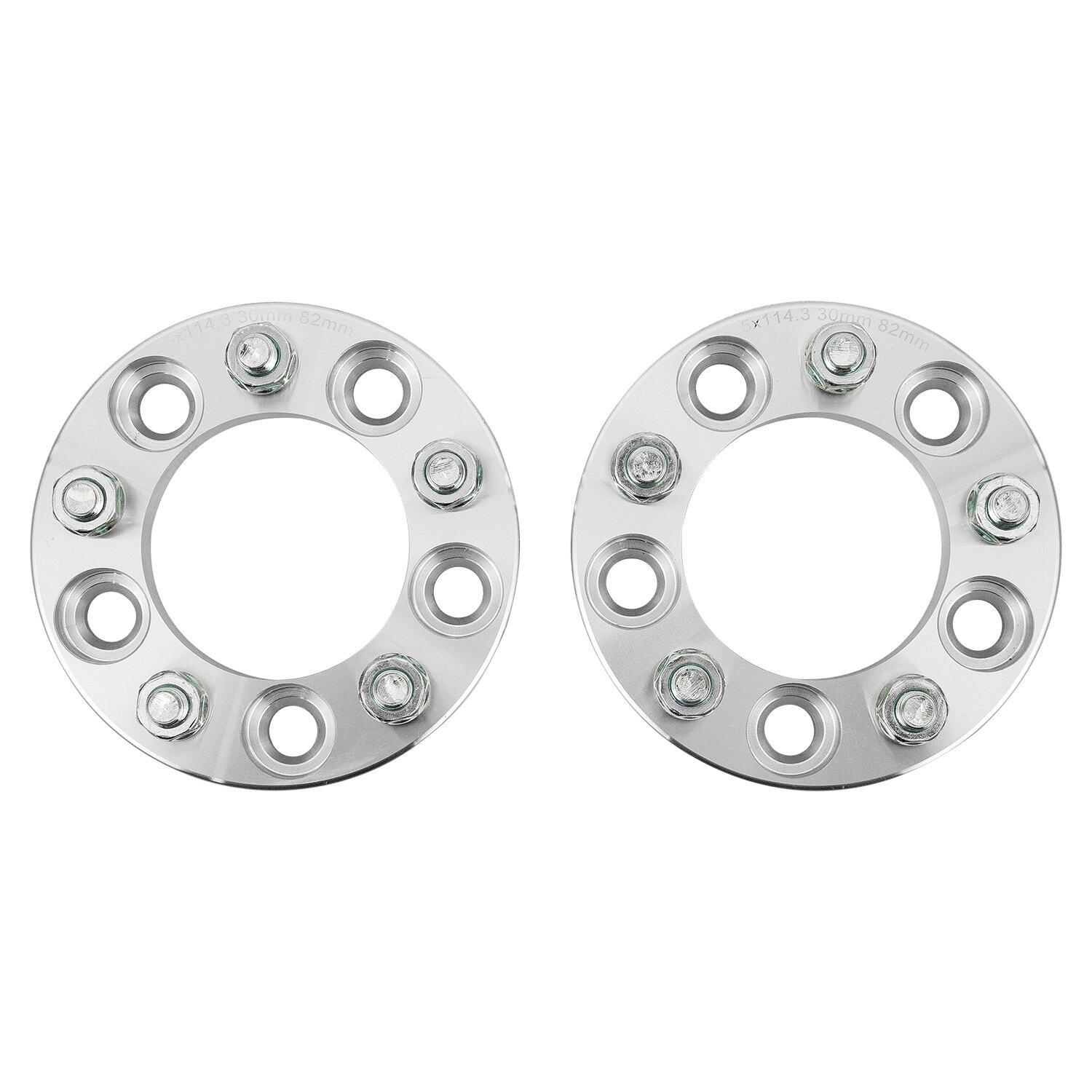
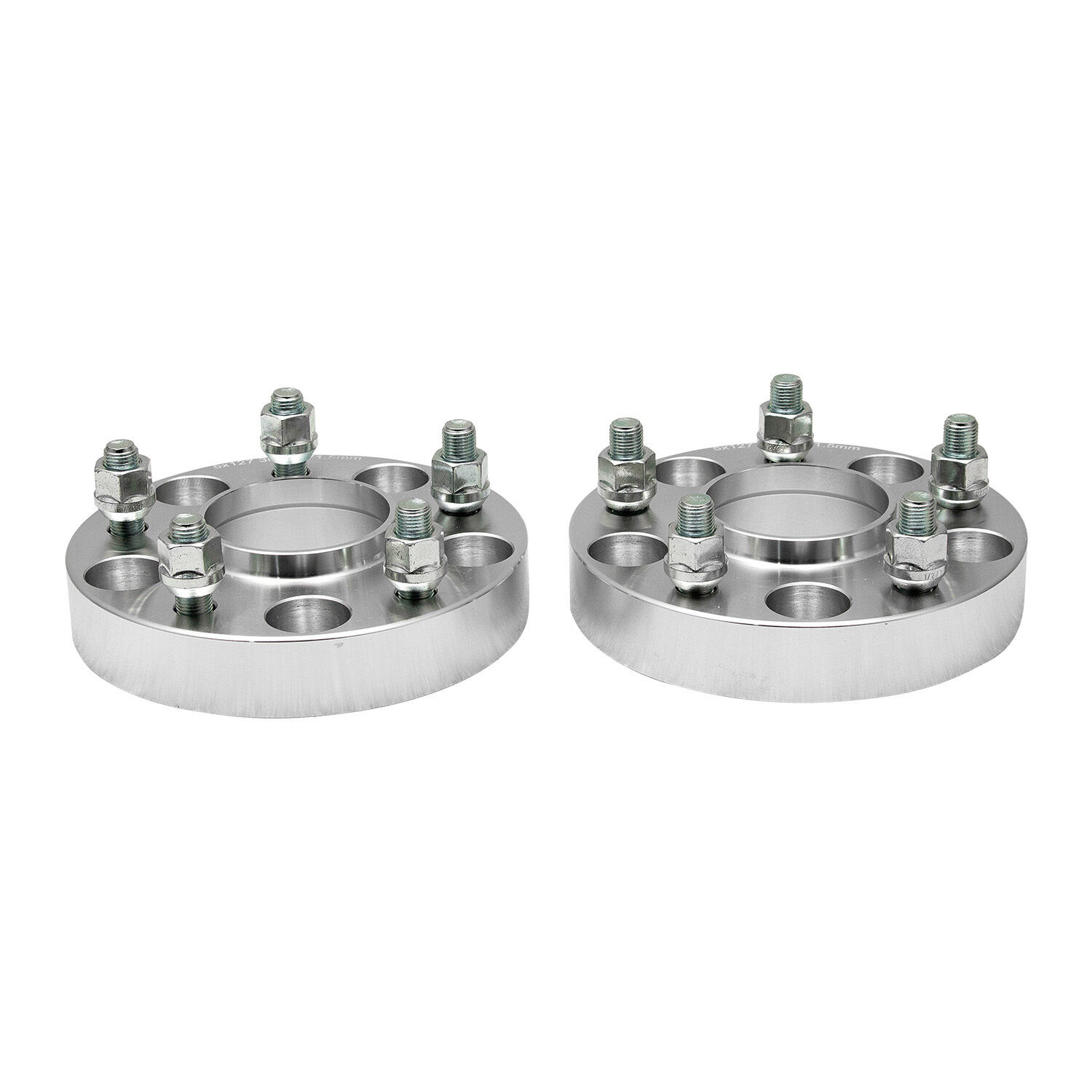
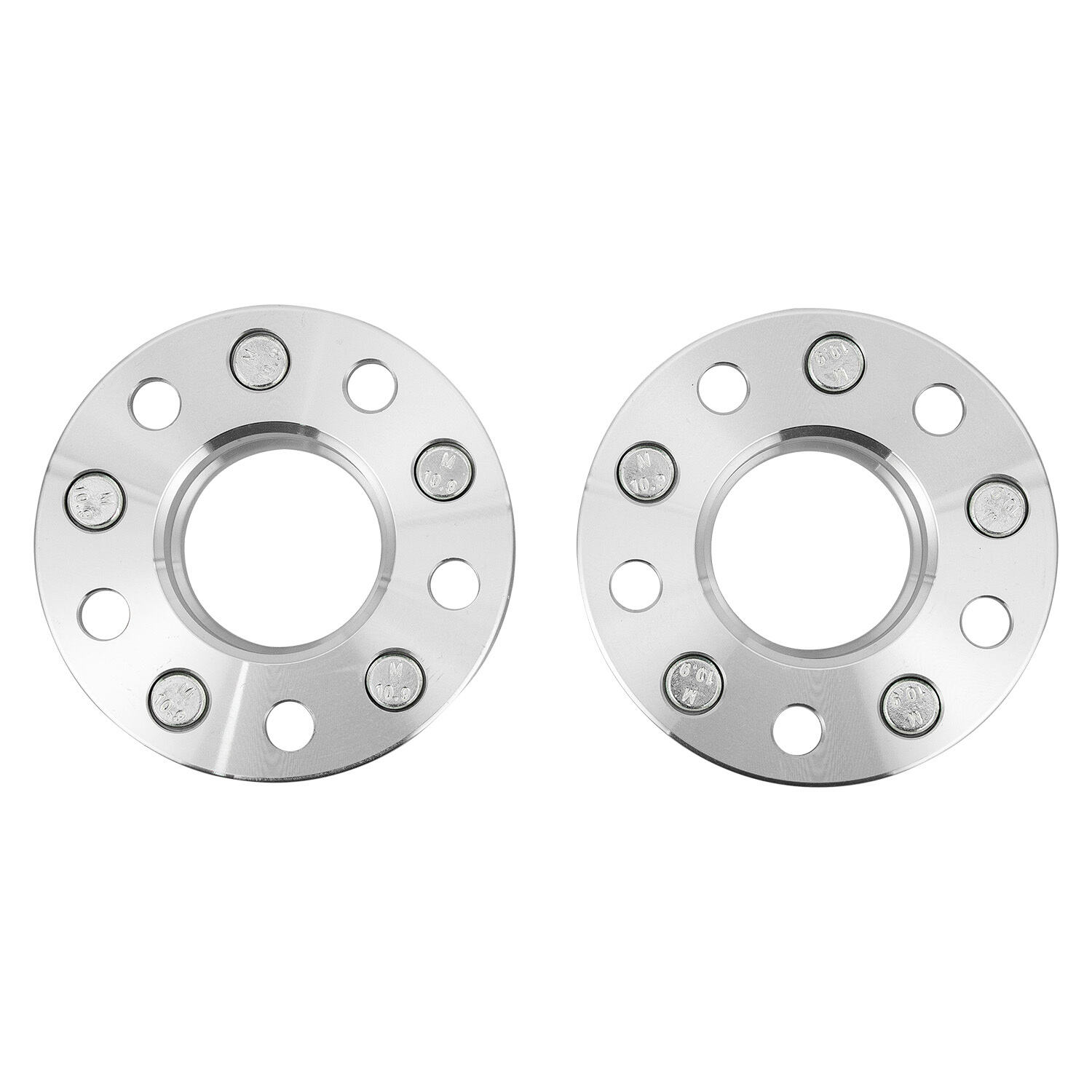
The engineering and manufacturing quality of tire spacers directly determines their safety, reliability, and longevity. Premium tire spacers distinguish themselves through material selection, precision manufacturing processes, and thoughtful design features that ensure they perform flawlessly under demanding conditions. Understanding these quality factors helps vehicle owners make informed decisions when selecting tire spacers for their applications. Material composition forms the foundation of tire spacer quality. The finest tire spacers utilize aerospace-grade aluminum alloys, specifically 6061-T6 or 7075-T6 specifications. These aluminum grades offer exceptional strength-to-weight ratios, combining the durability necessary to withstand suspension loads with minimal added unsprung weight. The T6 temper designation indicates that the aluminum has undergone solution heat treatment and artificial aging, processes that maximize material strength and dimensional stability. Some applications demand even greater strength, particularly for heavy-duty trucks and commercial vehicles. For these scenarios, forged steel tire spacers provide superior load-bearing capacity. The forging process aligns the metal's grain structure, creating components that resist fatigue and deformation under extreme stress. Steel tire spacers handle the substantial forces generated by heavy payloads and aggressive off-road use without compromising safety margins. Precision manufacturing separates quality tire spacers from inferior alternatives. CNC machining centers produce tire spacers with tolerances measured in thousandths of an inch, ensuring perfect parallelism between mounting surfaces and accurate bolt hole positioning. This precision proves critical for maintaining proper wheel balance and preventing vibration. Any deviation from perfect flatness or concentricity introduces imbalance that manifests as steering wheel vibration and accelerated tire wear. Surface finishing receives careful attention in premium tire spacers. Anodizing processes create a hard, corrosion-resistant surface layer on aluminum spacers that withstands road salt, moisture, and temperature extremes. This protective coating extends service life significantly compared to bare aluminum, which can corrode when exposed to harsh environmental conditions. The anodizing process also allows for attractive color options while maintaining the functional benefits of surface protection. Thread quality represents another critical quality indicator. Tire spacers that incorporate their own wheel studs must feature precisely cut threads that engage wheel lug nuts smoothly and securely. High-quality studs utilize rolled threads rather than cut threads, a manufacturing process that work-hardens the material and creates stronger, more fatigue-resistant fasteners. The stud material itself typically consists of heat-treated alloy steel with tensile strength ratings that exceed original equipment specifications, providing additional safety margins. Installation hardware included with premium tire spacers reflects the manufacturer's commitment to proper function and safety. Quality kits include appropriate length wheel studs or bolts, ensuring adequate thread engagement for secure wheel attachment. Some designs incorporate safety features like integrated locking mechanisms or specialized fasteners that prevent loosening under vibration and thermal cycling.