Wheel Bearing Spindle: High-Performance Hub Assembly for Automotive and Industrial Applications

All Categories

Get a Free Quote

Our representative will contact you soon.
Email
Name
Company Name
WhatsApp
Message
0/1000

wheel bearing spindle

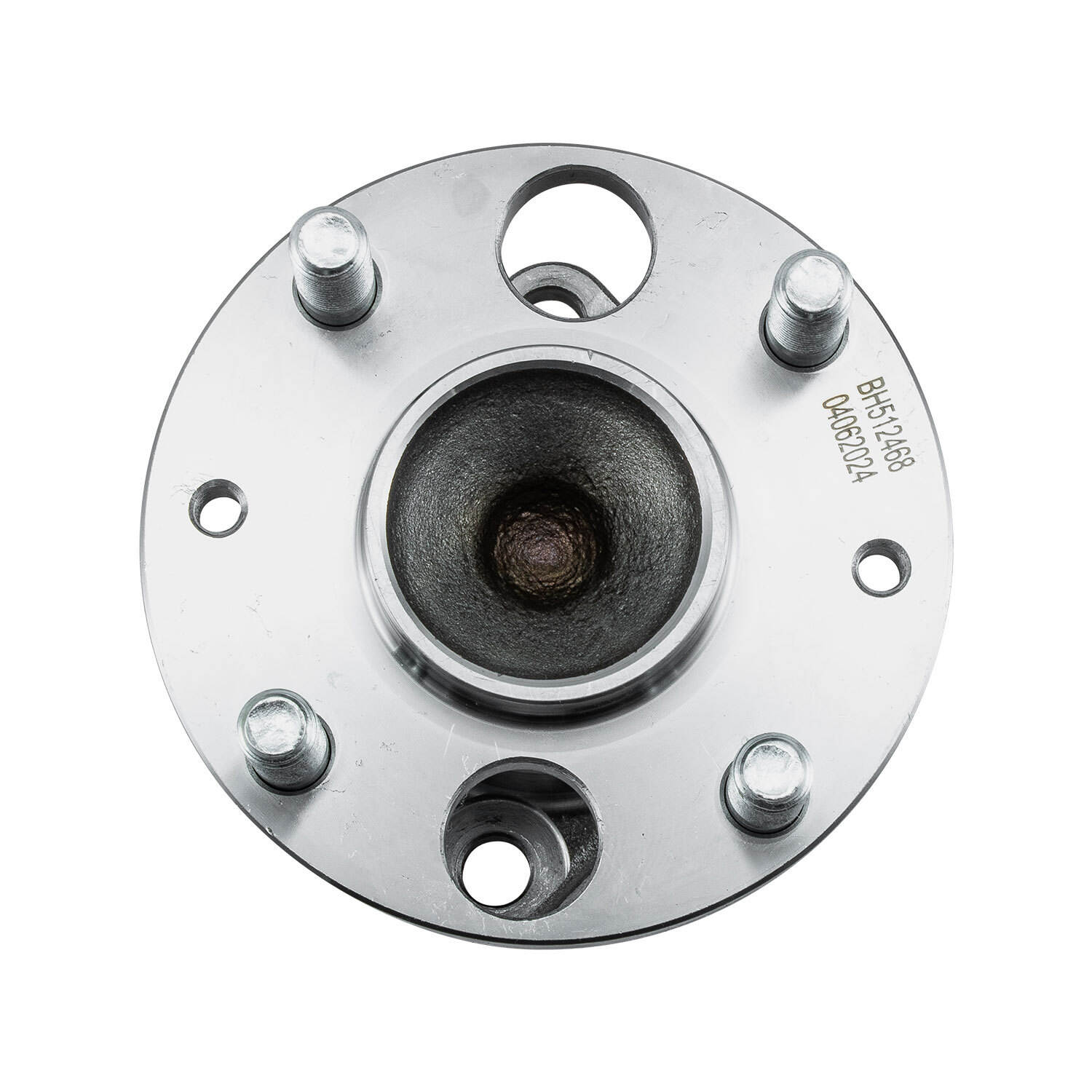
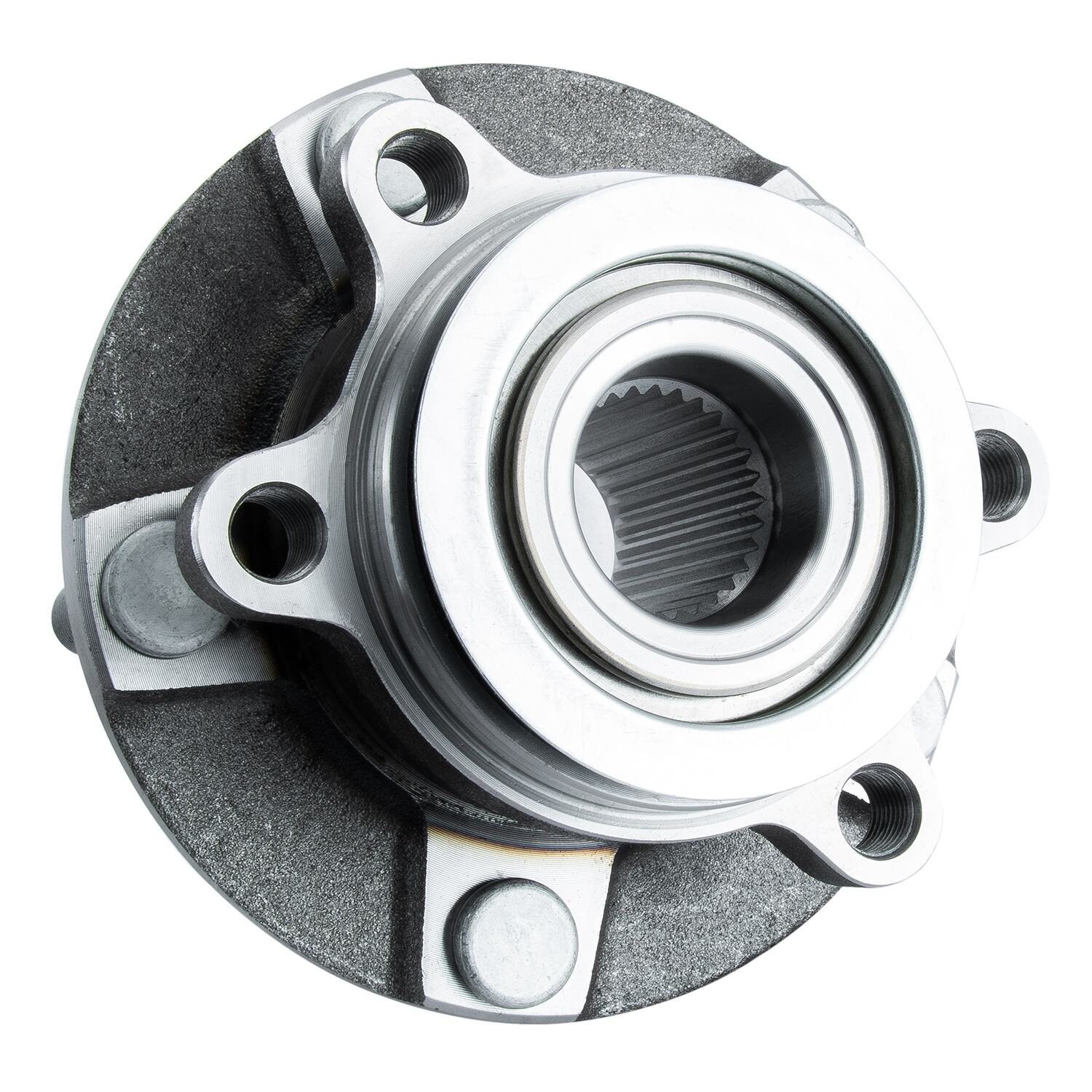
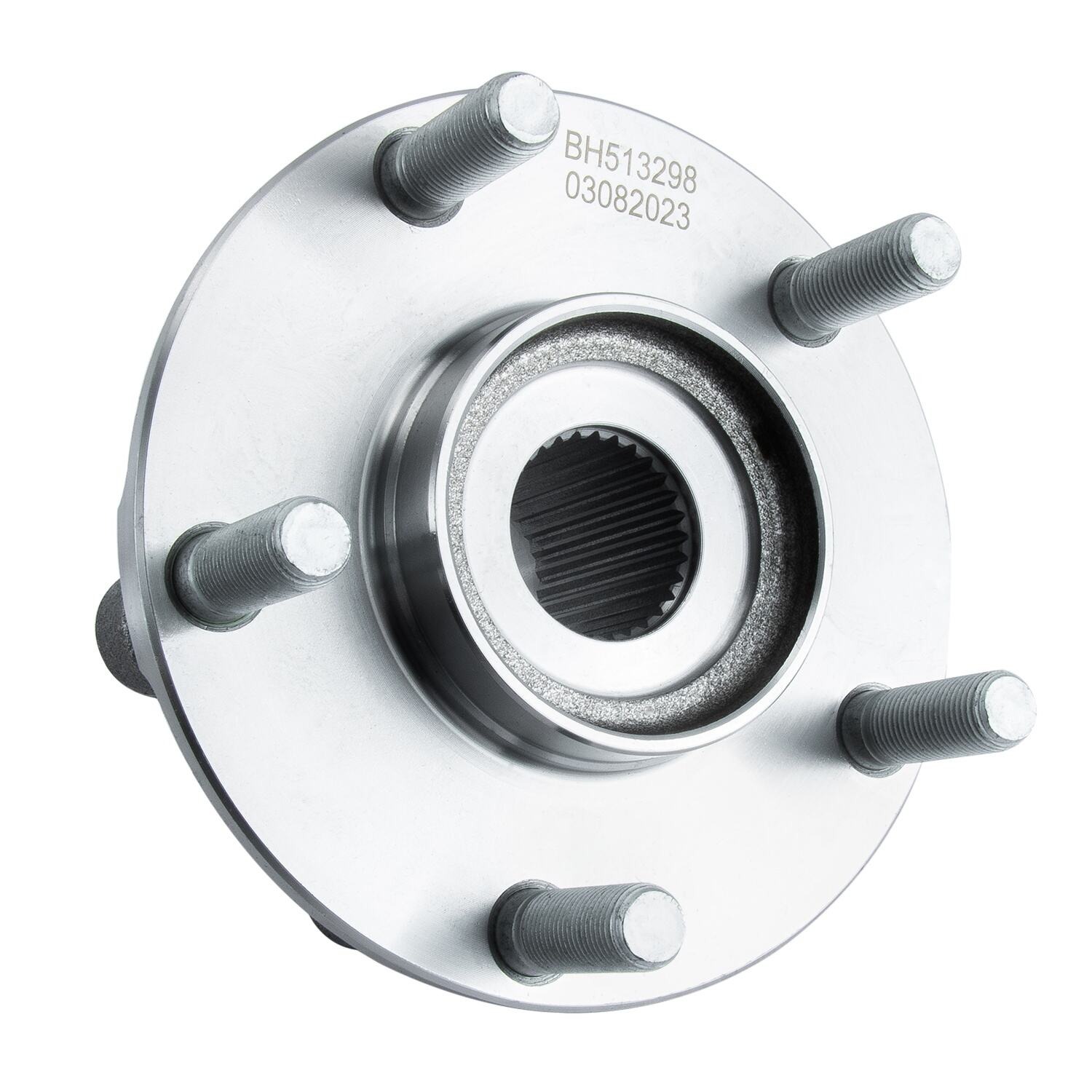
The wheel bearing spindle represents a critical component in modern automotive and industrial machinery systems, serving as the fundamental connection point between rotating wheels and stationary vehicle structures. This precision-engineered assembly integrates the bearing housing with the spindle shaft, creating a unified system that supports wheel rotation while maintaining structural integrity under demanding operational conditions. The wheel bearing spindle functions as the primary load-bearing element that transfers vehicle weight from the chassis to the wheels while simultaneously allowing smooth rotational movement. Its design incorporates advanced metallurgical properties and precise geometric tolerances to ensure reliable performance across varying speed ranges and load conditions. The component manages multiple force vectors including radial loads from vehicle weight, axial loads during cornering, and moment loads generated during acceleration and braking events. Modern wheel bearing spindle designs utilize integrated sensor capabilities for monitoring rotational speed and detecting potential failure conditions before they compromise vehicle safety. The assembly typically features sealed bearing arrangements that protect internal components from environmental contaminants such as water, dust, and road debris. Manufacturing processes for wheel bearing spindles involve sophisticated heat treatment procedures, precision grinding operations, and rigorous quality control protocols to achieve the dimensional accuracy required for optimal performance. Applications span across passenger vehicles, commercial trucks, agricultural equipment, construction machinery, and specialized industrial systems where reliable wheel support proves essential. The wheel bearing spindle design varies according to specific application requirements, with configurations ranging from simple pressed assemblies to complex integrated hub units featuring multiple bearing rows and advanced sealing systems.

Popular Products

The wheel bearing spindle delivers substantial operational benefits that directly impact vehicle performance, maintenance costs, and overall reliability. First and foremost, this integrated design reduces the total number of individual components required for wheel mounting, which simplifies assembly procedures and decreases the potential points of failure within the system. Maintenance intervals extend significantly compared to traditional separate bearing and spindle arrangements because the sealed design prevents lubricant contamination and eliminates the need for periodic greasing in most applications. Vehicle owners experience lower total cost of ownership through reduced maintenance frequency and simplified replacement procedures that require less specialized labor and fewer tools. The precision manufacturing tolerances inherent in wheel bearing spindle construction ensure consistent rotational smoothness, which translates to improved fuel efficiency through reduced rolling resistance and enhanced ride comfort from minimized vibration transmission. Safety performance receives a substantial boost from the robust structural design that maintains wheel alignment integrity even under severe loading conditions encountered during emergency maneuvers or rough terrain navigation. The integrated sensor capabilities available in modern wheel bearing spindle designs enable advanced vehicle safety systems including anti-lock braking, traction control, and stability management functions that rely on accurate wheel speed data. Installation time decreases dramatically because the pre-assembled nature of the wheel bearing spindle eliminates the need for bearing preload adjustment and reduces the skill level required for proper installation. Diagnostic procedures become more straightforward since technicians can quickly identify wheel bearing spindle issues through standardized testing protocols rather than troubleshooting multiple separate components. The sealed bearing arrangement protects internal elements from harsh environmental conditions, extending service life in applications exposed to water crossings, muddy conditions, or corrosive road treatments. Weight optimization in wheel bearing spindle designs contributes to overall vehicle efficiency by reducing unsprung mass, which improves suspension response and handling characteristics. The standardized mounting interfaces facilitate easier replacement and reduce inventory complexity for service facilities that support multiple vehicle platforms. Noise reduction represents another practical advantage as the precision-manufactured components minimize the vibration and acoustic emissions associated with wheel rotation, creating a quieter cabin environment for passengers.

Latest News

Which core designs affect aluminium intercooler cooling efficiency?

30

Mar

Which core designs affect aluminium intercooler cooling efficiency?

The core design of an aluminium intercooler represents the most critical factor determining cooling efficiency in turbocharged and supercharged engines. Modern automotive applications demand precise understanding of how different core configurations ...
View More
How are aluminium intercoolers customized for different engine setups?

30

Mar

How are aluminium intercoolers customized for different engine setups?

Customizing aluminium intercoolers for different engine setups requires precise engineering to match thermal performance, airflow characteristics, and physical dimensions to specific engine requirements. Modern turbocharged and supercharged engines d...
View More
How do factories test aluminium intercoolers for performance consistency?

21

Apr

How do factories test aluminium intercoolers for performance consistency?

Manufacturing facilities employ rigorous testing protocols to ensure aluminium intercoolers deliver consistent performance across production batches. These comprehensive evaluation procedures combine thermal analysis, pressure testing, and flow rate ...
View More
How are intercooler tubes customized for different engine platforms?

21

Apr

How are intercooler tubes customized for different engine platforms?

Engine platform diversity in modern automotive manufacturing requires highly specialized cooling solutions, particularly when it comes to forced induction systems. Intercooler tubes serve as critical pathways for compressed air between turbochargers ...
View More

Get a Free Quote

Our representative will contact you soon.
Email
Name
Company Name
WhatsApp
Message
0/1000

wheel bearing spindle

Superior Load Management and Structural Integrity

Superior Load Management and Structural Integrity

The wheel bearing spindle excels in managing complex loading scenarios that occur during vehicle operation, providing unmatched structural integrity that ensures safe and reliable performance across diverse operating conditions. This component handles simultaneous radial forces from vehicle weight distribution, axial forces generated during cornering maneuvers, and moment loads created by acceleration, braking, and uneven road surfaces. The engineering behind the wheel bearing spindle incorporates advanced finite element analysis to optimize material distribution, ensuring adequate strength where stress concentrations occur while minimizing unnecessary weight in lower-stress regions. High-grade alloy steels undergo specialized heat treatment processes that create a hardened surface layer capable of withstanding the contact stresses between rolling elements and raceways, while maintaining a tough, ductile core that resists impact damage and fatigue crack propagation. The geometric design of the wheel bearing spindle features precisely calculated raceway profiles that distribute loads evenly across multiple rolling elements, preventing localized stress concentrations that could lead to premature failure. Multiple bearing rows in advanced wheel bearing spindle configurations provide redundant load paths, enhancing safety margins and allowing continued operation even if one bearing row experiences degradation. The mounting flange design incorporates optimized bolt patterns and surface finishes that ensure uniform load transfer to the suspension components, preventing stress risers that could compromise long-term durability. Rigorous testing protocols validate wheel bearing spindle performance under extreme conditions including sustained high-speed operation, severe shock loading from pothole impacts, and cyclic loading that simulates years of service in compressed timeframes. The robust construction resists deformation under load, maintaining precise wheel alignment geometry that proves critical for tire wear patterns, steering response, and overall vehicle handling characteristics. Quality control procedures during manufacturing verify that each wheel bearing spindle meets stringent dimensional tolerances and material property specifications, ensuring consistent performance across production volumes.
Advanced Sealing Technology and Environmental Protection

Advanced Sealing Technology and Environmental Protection

The wheel bearing spindle incorporates sophisticated sealing systems that provide exceptional protection against environmental contaminants, dramatically extending service life and eliminating maintenance requirements in most applications. Modern seal designs utilize multi-lip configurations with precisely engineered contact pressures that create effective barriers against water, dust, sand, and other particulates while minimizing friction that could reduce efficiency or generate excessive heat. The seal materials represent advanced elastomer compounds formulated to maintain flexibility and sealing effectiveness across extreme temperature ranges from arctic cold to desert heat, ensuring reliable protection regardless of climate conditions. Strategic placement of seals within the wheel bearing spindle assembly creates a labyrinth effect that forces contaminants through multiple barriers before reaching critical bearing surfaces, providing defense-in-depth against environmental intrusion. The sealed design retains factory-installed lubricants throughout the service life of the wheel bearing spindle, eliminating the need for periodic regreasing that traditional open bearing arrangements require and removing the risk of improper lubrication that represents a common failure mode. Specialized grease formulations within sealed wheel bearing spindle units resist oxidation, maintain viscosity stability, and provide corrosion protection for internal components even during extended storage periods or intermittent use patterns. The sealing system prevents lubricant leakage that could contaminate brake components or create unsightly deposits on wheels, maintaining clean operation throughout the service interval. Testing protocols subject wheel bearing spindle seals to water immersion, pressure washing, salt spray exposure, and dust ingestion scenarios that simulate decades of harsh environmental exposure, validating long-term sealing effectiveness. The elimination of external grease fittings and the sealed construction prevent tampering or incorrect maintenance procedures that could compromise bearing performance, ensuring that the wheel bearing spindle operates as designed throughout its intended service life. Environmental protection extends to preventing the escape of bearing materials into the environment, supporting sustainability initiatives and reducing the ecological impact of vehicle operation.
Integrated Sensor Technology and Smart Functionality

Integrated Sensor Technology and Smart Functionality

Modern wheel bearing spindle designs incorporate integrated sensor technology that enables advanced vehicle safety systems and provides predictive maintenance capabilities, representing a significant evolution beyond simple mechanical wheel support functions. Magnetic encoder rings embedded within the wheel bearing spindle generate precise rotational speed signals that anti-lock braking systems, traction control modules, and electronic stability programs require for effective operation, with signal quality that remains consistent across the full speed range from initial vehicle movement to highway cruising. The integration of sensors directly into the wheel bearing spindle eliminates separate speed sensor installations, reducing component count, simplifying wiring harnesses, and improving system reliability by removing potential connection points where failures could occur. Advanced wheel bearing spindle designs feature multi-axis load sensing capabilities that measure the forces acting on the wheel in real-time, providing data that sophisticated vehicle dynamics control systems use to optimize suspension settings, adjust torque distribution in all-wheel-drive applications, and enhance overall handling performance. Temperature monitoring functionality within intelligent wheel bearing spindle assemblies detects abnormal heat generation that indicates developing problems such as inadequate lubrication, seal failure, or bearing damage, enabling predictive maintenance strategies that prevent unexpected breakdowns and reduce total ownership costs. The sensor signals from wheel bearing spindle units support emerging autonomous vehicle technologies that require precise knowledge of wheel behavior for path planning, obstacle avoidance, and safe navigation in complex traffic environments. Diagnostic capabilities built into sensor-equipped wheel bearing spindle designs allow service technicians to quickly assess component condition using standard scan tools, reducing troubleshooting time and improving repair accuracy compared to traditional visual and auditory inspection methods. The digital signals generated by wheel bearing spindle sensors enable data logging and analysis that fleet operators use to optimize maintenance schedules, identify vehicles requiring attention before failures occur, and reduce unplanned downtime that impacts operational efficiency. Manufacturing processes for sensor-integrated wheel bearing spindle assemblies include calibration procedures that ensure signal accuracy across production volumes, with traceability systems that document performance characteristics for each individual unit.

Get a Quote Get a Quote Email Email WhatsApp WhatsApp WeChat WeChat
WeChat
TopTop

Get a Free Quote

Our representative will contact you soon.
Email
Name
Company Name
WhatsApp
Message
0/1000

Get a Free Quote

Our representative will contact you soon.
Email
Name
Company Name
WhatsApp
Message
0/1000

Get a Free Quote

Our representative will contact you soon.
Email
Name
Company Name
WhatsApp
Message
0/1000