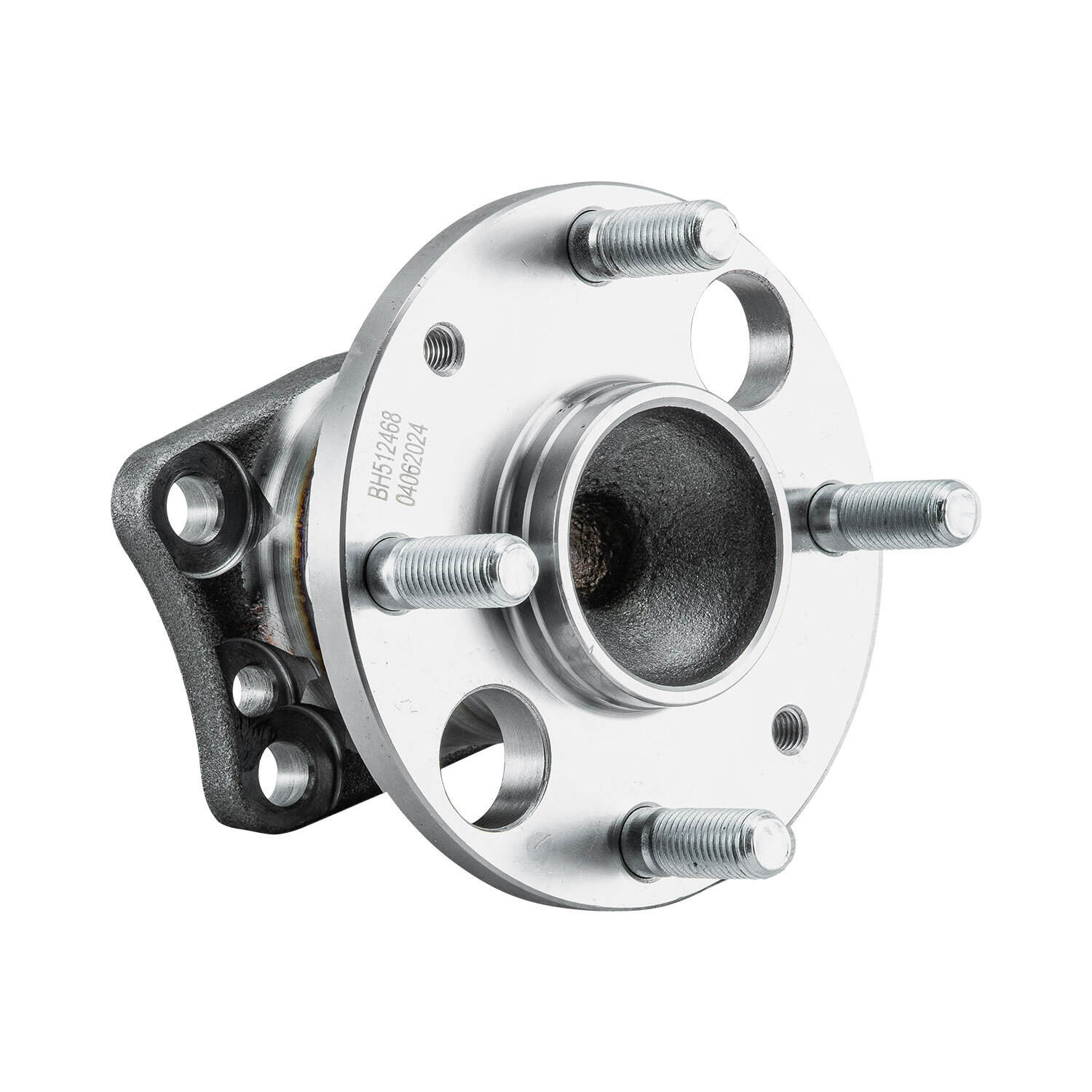
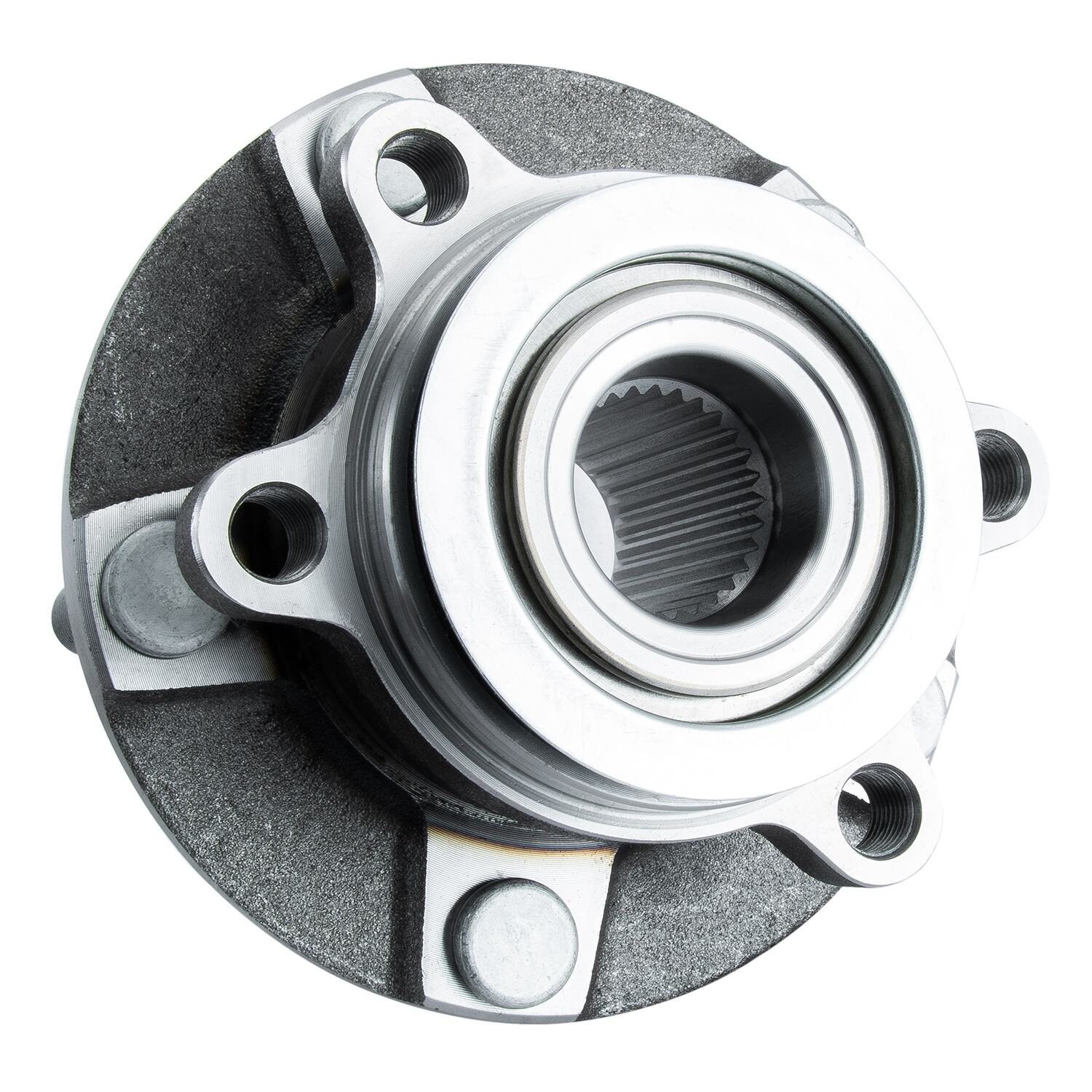
Advanced Sealing Technology for Extended Service Life
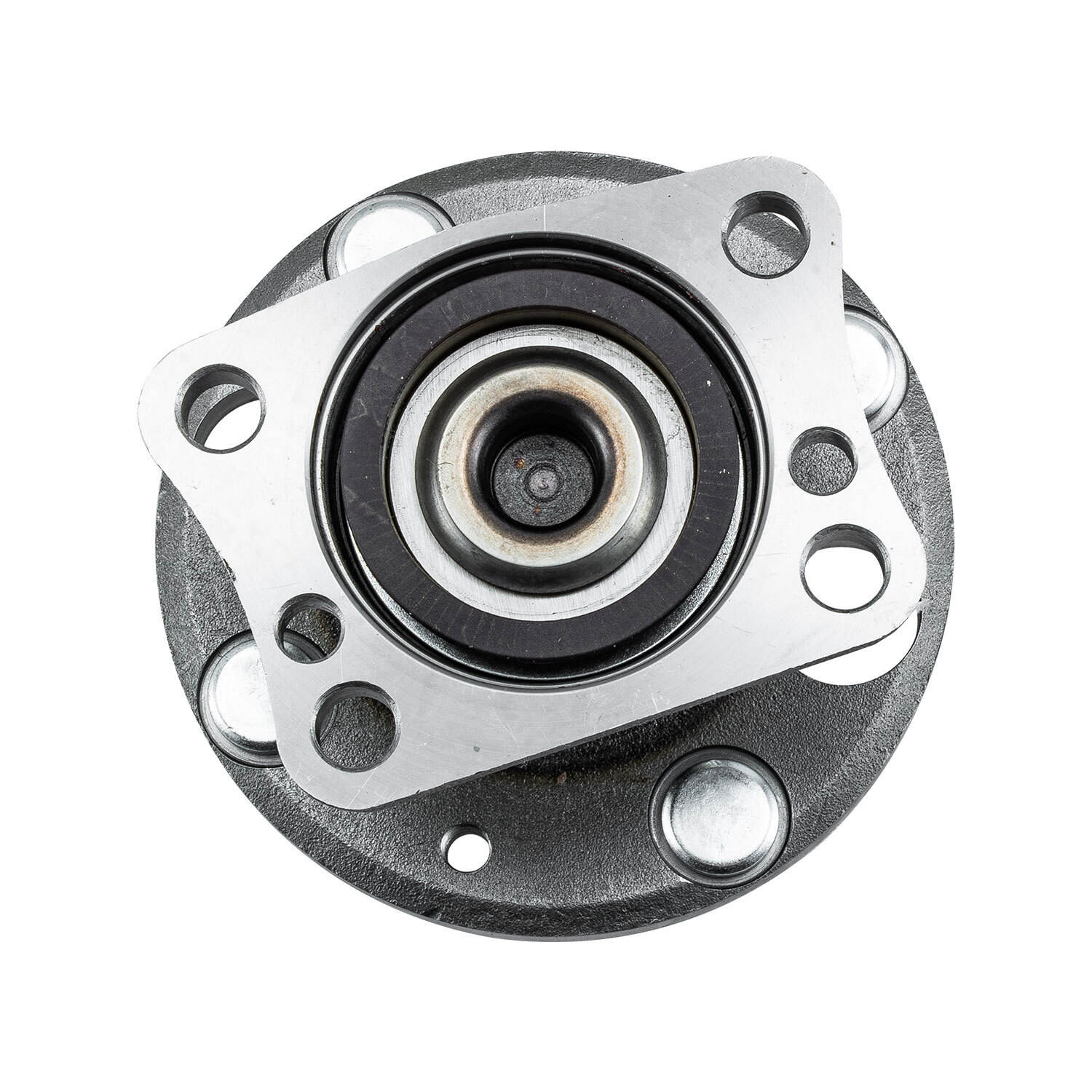
The longevity and reliability of any rear hub bearing depend critically on effective sealing systems that protect internal components from environmental contamination while retaining lubricant. Modern sealing technology represents a significant advancement over traditional designs, incorporating multiple barriers and sophisticated materials engineered for specific performance characteristics. The primary seal faces the external environment, blocking water spray, road debris, and corrosive chemicals from reaching the bearing interior. These seals utilize elastomeric compounds formulated to maintain flexibility across extreme temperature ranges while resisting degradation from ozone, ultraviolet exposure, and chemical attack. The seal lip maintains contact with a precisely machined sealing surface, creating a dynamic barrier that accommodates shaft runout and misalignment without compromising effectiveness. Engineers design seal geometry to generate a pumping action that actively repels contaminants attempting to migrate past the sealing interface. Secondary seals provide additional protection layers, creating a labyrinth effect that traps particles before they reach critical rolling surfaces. The rear hub bearing assembly incorporates grease-filled cavities that remain sealed throughout the component's service life, eliminating maintenance requirements and ensuring consistent lubrication. Specialized greases formulated for automotive wheel bearings maintain viscosity and protective properties across temperature ranges from negative forty degrees to over three hundred degrees Fahrenheit. The grease composition includes base oils, thickening agents, and additive packages that provide rust protection, extreme pressure performance, and oxidation resistance. Seal design must balance sealing effectiveness against friction generation, as excessive seal drag increases rotational resistance and reduces fuel efficiency. Advanced computational fluid dynamics modeling optimizes seal lip geometry and contact pressure to minimize friction while maintaining sealing integrity. The integration of magnetic seals in some designs provides non-contact sealing for ABS sensor rings, eliminating wear concerns while maintaining signal quality. Testing protocols subject sealed rear hub bearing assemblies to accelerated life testing under conditions simulating years of operation, validating seal performance before production release. The sealed design prevents moisture ingress that causes corrosion and lubricant contamination, addressing the primary failure mode of traditional serviceable bearings.