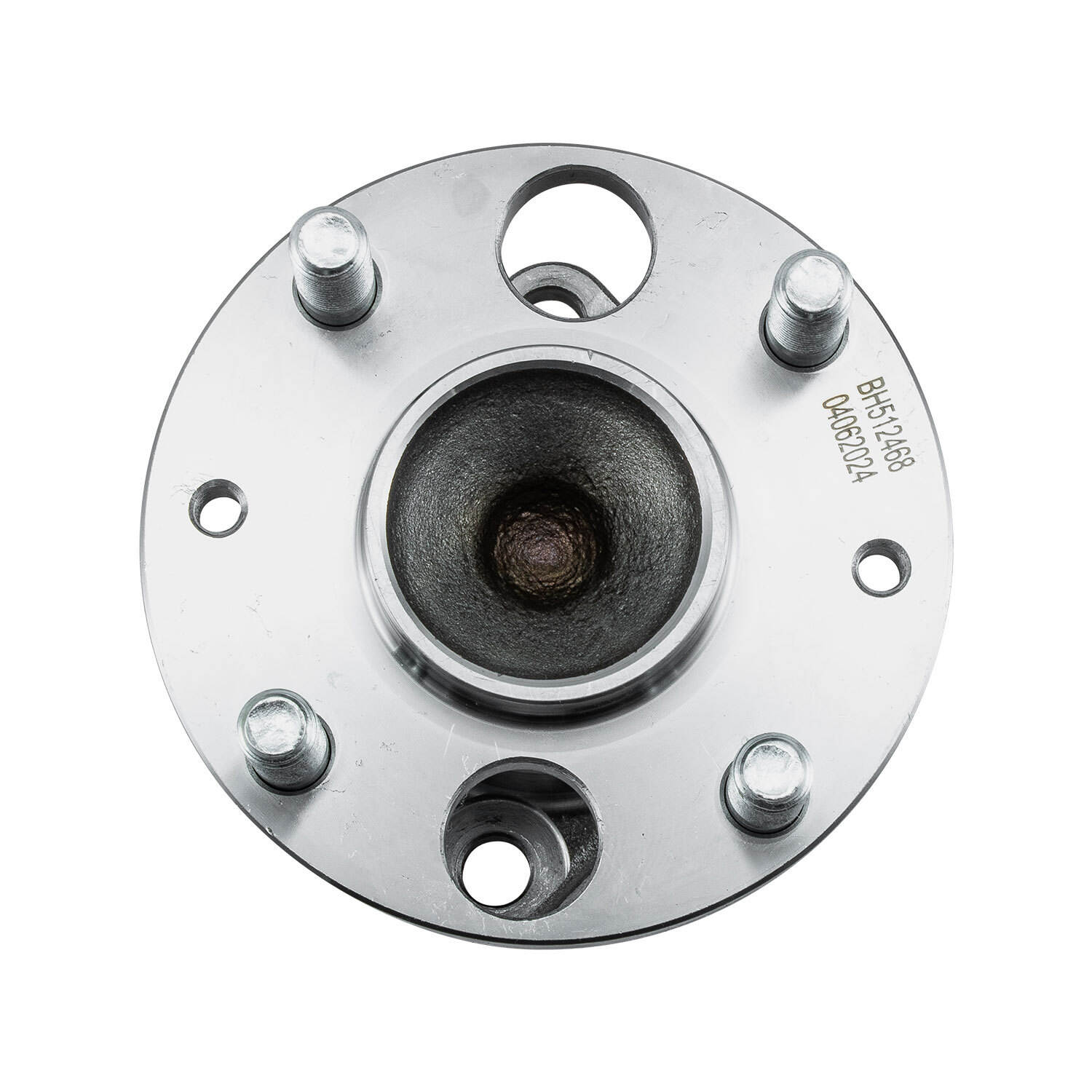
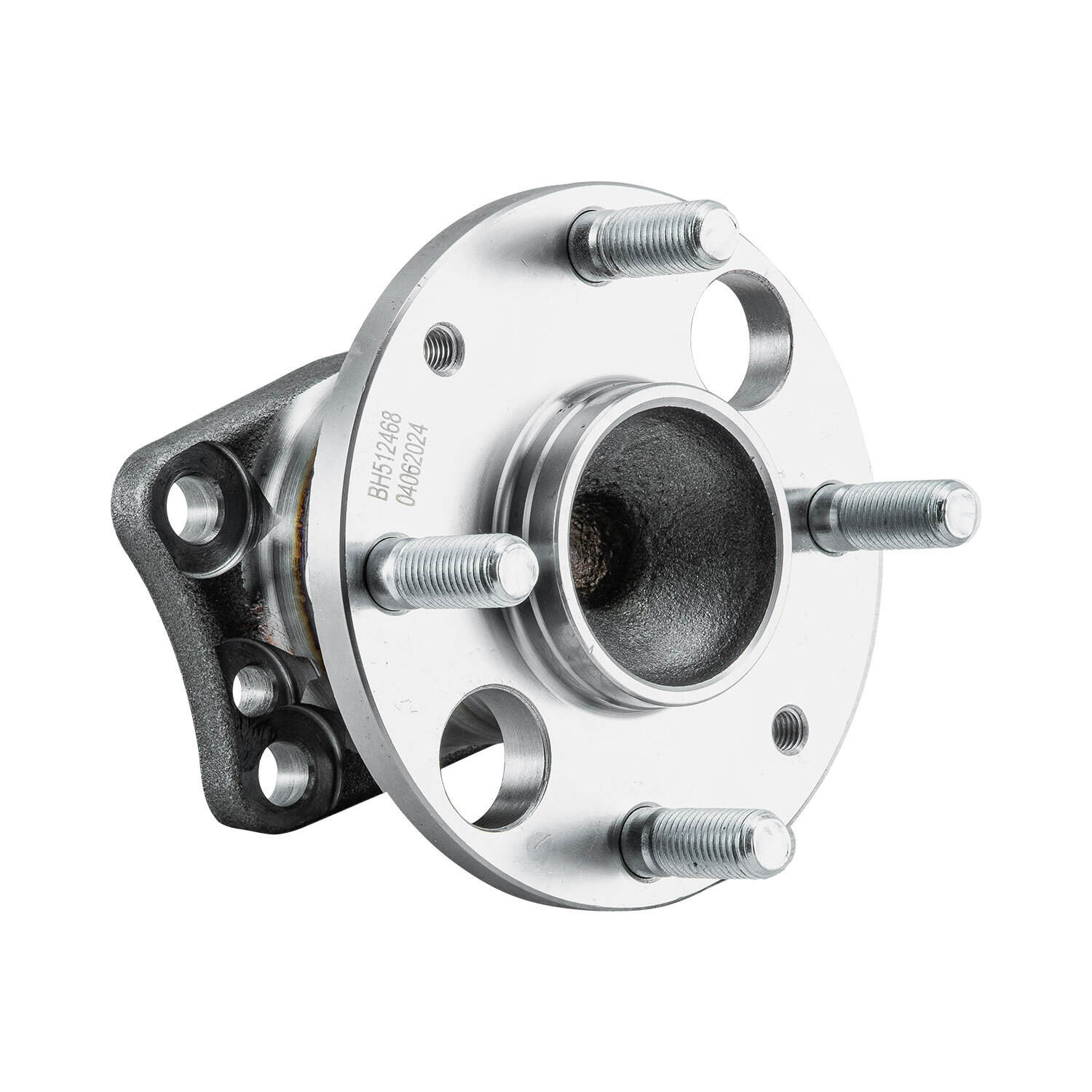
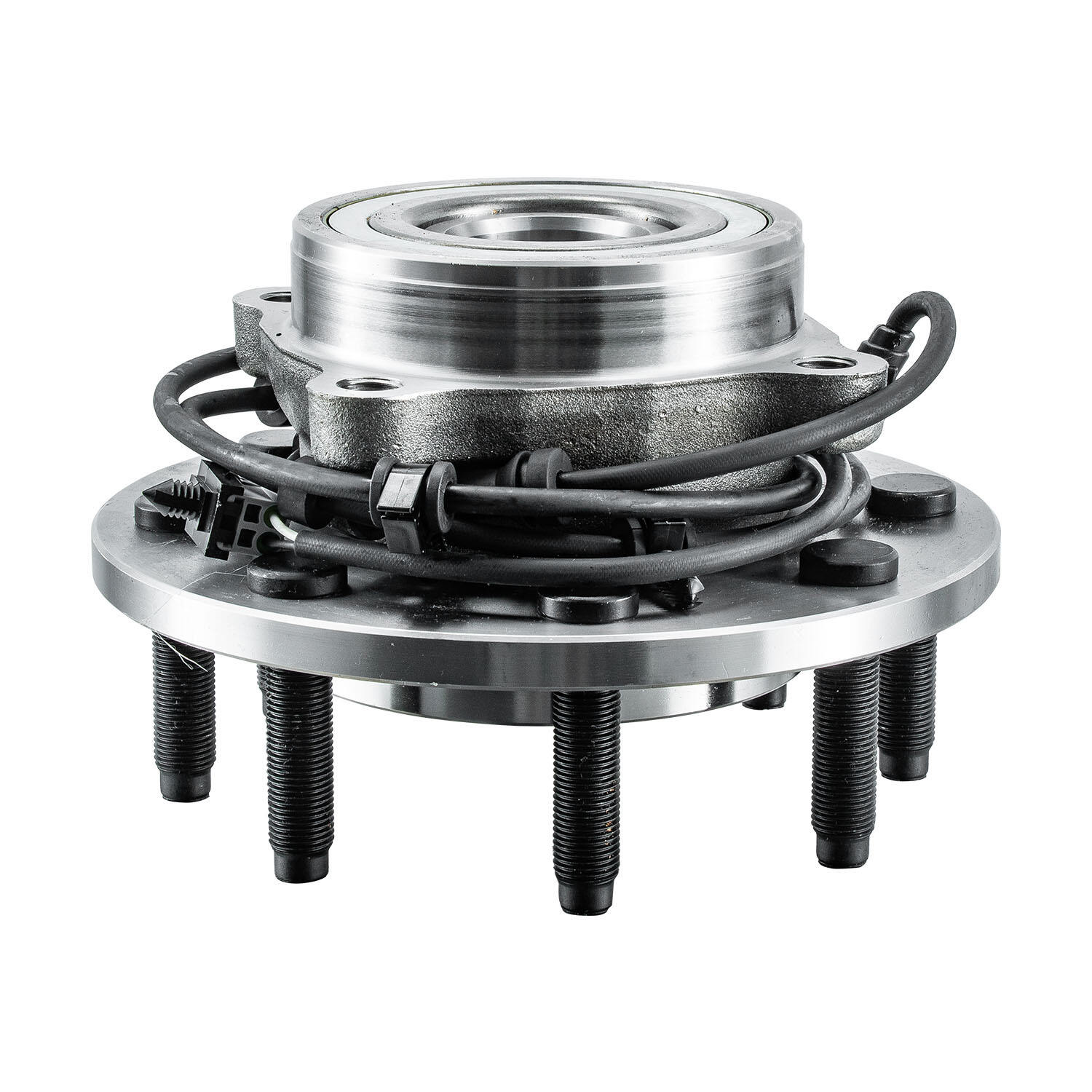
car hub and bearing
The car hub and bearing assembly represents a critical component in modern vehicle suspension and wheel systems, serving as the foundation for safe and efficient vehicle operation. This integrated unit combines the wheel hub with precision-engineered bearings to create a seamless connection between the wheel and the vehicle's suspension system. The car hub and bearing work together to support the vehicle's weight while enabling smooth wheel rotation and maintaining proper alignment during all driving conditions. At its core, the car hub and bearing assembly performs several essential functions that directly impact vehicle performance and safety. The primary role involves supporting the vehicle's weight and distributing loads evenly across the wheel assembly, ensuring stability during acceleration, braking, and cornering maneuvers. The bearing component within this system reduces friction between rotating and stationary parts, allowing wheels to spin freely with minimal resistance. This friction reduction translates directly into improved fuel efficiency and reduced wear on related components. Modern car hub and bearing units incorporate advanced sealing technology that protects internal components from contaminants such as water, dirt, and road debris, significantly extending service life and reducing maintenance requirements. The technological evolution of the car hub and bearing has led to the development of integrated sensor-ready designs that accommodate anti-lock braking systems and traction control technologies. These assemblies feature precision-machined surfaces and heat-treated materials that withstand extreme operating conditions, including high speeds, heavy loads, and temperature variations. The car hub and bearing finds applications across diverse vehicle categories, from compact passenger cars to heavy-duty trucks and performance vehicles. Each application demands specific load ratings, dimensional specifications, and durability characteristics tailored to the vehicle's intended use. The assembly's design considers factors such as bearing type, seal configuration, mounting interface, and compatibility with braking systems to ensure optimal performance throughout the vehicle's operational life.