Simplified Installation Process Reducing Labor Costs
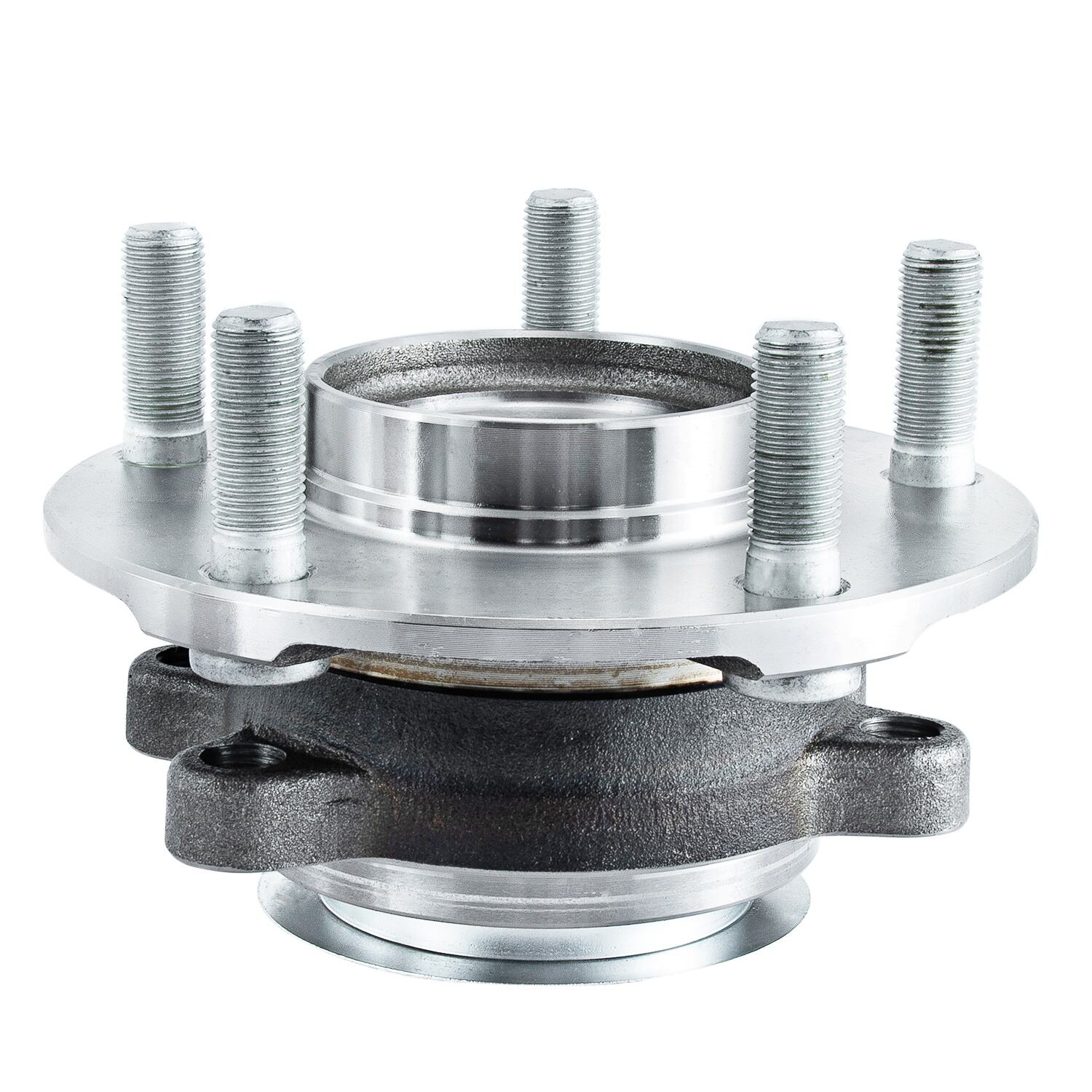
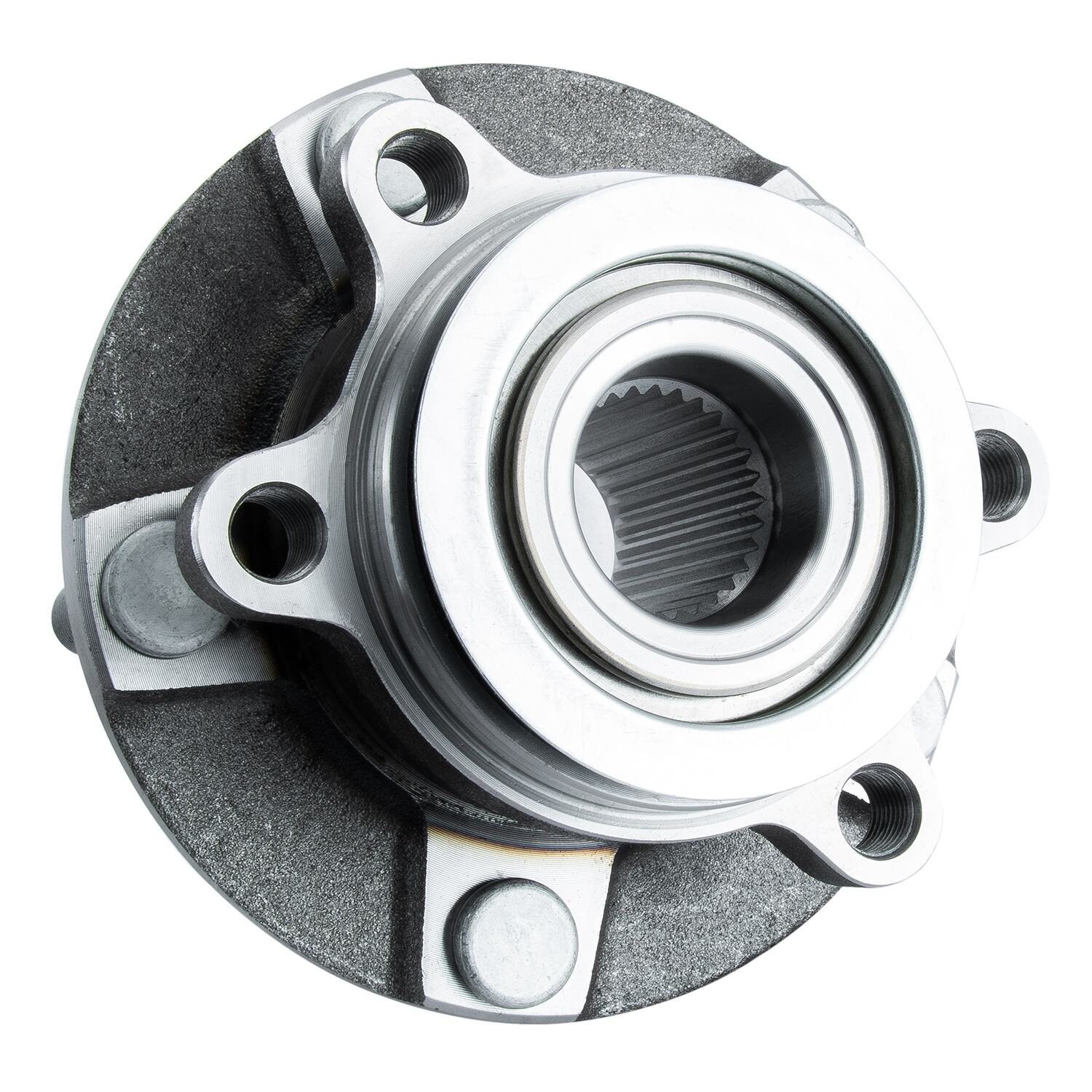
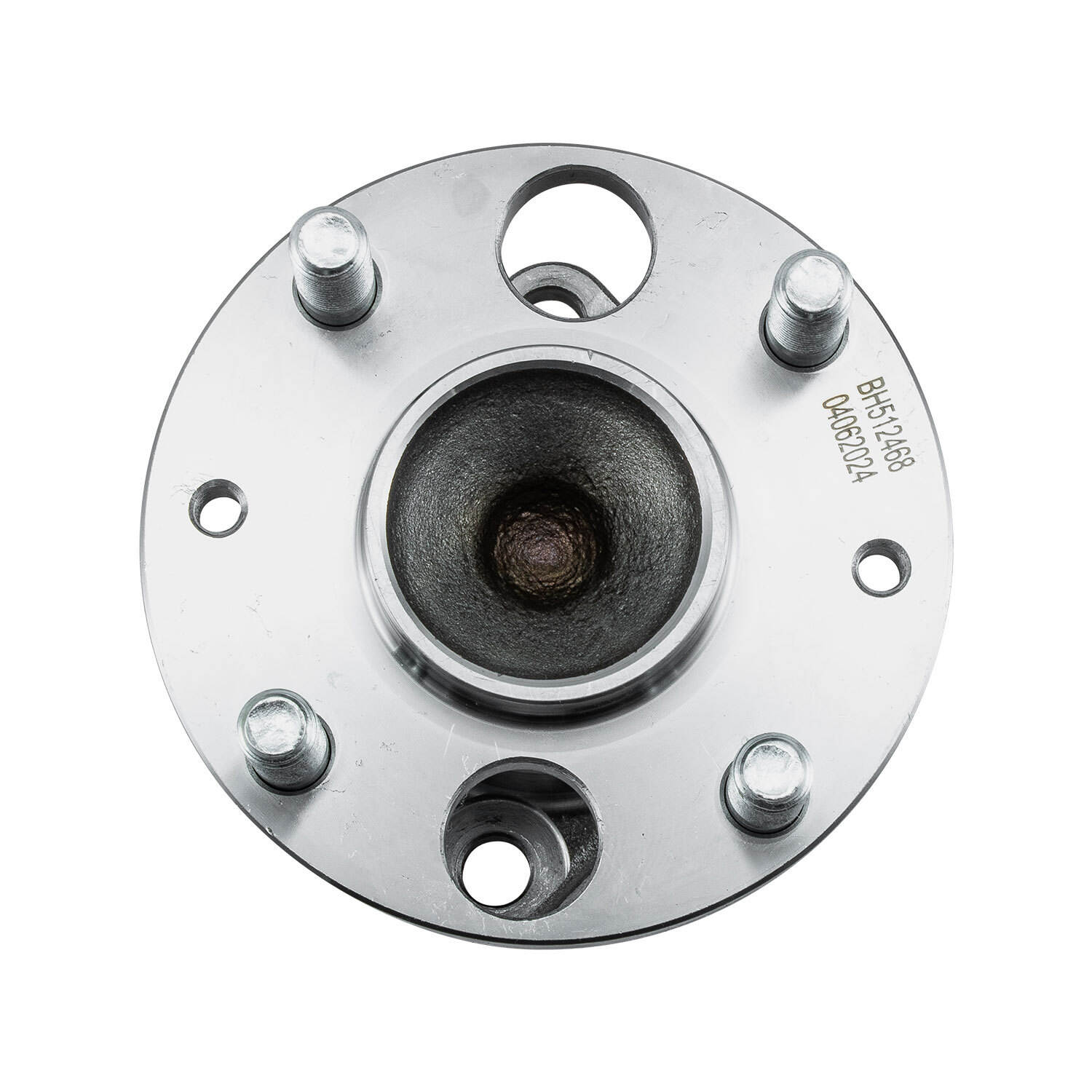
The evolution of rear wheel hub replacement design has prioritized installation efficiency, transforming what was once a complex, time-consuming repair into a straightforward component exchange that saves significant labor costs. Traditional bearing service required specialized tools including bearing pullers, presses, and precise measurement equipment to achieve proper preload adjustment, but modern rear wheel hub replacement assemblies arrive as complete, pre-assembled units ready for direct installation. The bolt-on design of contemporary rear wheel hub replacement components eliminates the need for hydraulic presses to remove and install bearing races, reducing the specialized equipment requirements and making the repair accessible to a broader range of service facilities and DIY mechanics. Pre-set bearing preload in factory-assembled rear wheel hub replacement units removes the guesswork and skill requirements associated with achieving proper bearing adjustment, eliminating a common source of premature failure caused by incorrect torque or spacing. The standardized bolt pattern and mounting configuration of rear wheel hub replacement assemblies ensures compatibility with original equipment specifications, allowing direct replacement without modifications to brake components, suspension parts, or axle assemblies. Clear torque specifications provided with quality rear wheel hub replacement products guide installers to achieve proper clamping force on mounting bolts, critical for maintaining hub integrity and preventing loosening under operational loads and vibration. The integrated design of rear wheel hub replacement assemblies means that ABS sensors, bearing seals, and mounting hardware are correctly positioned and aligned from the factory, eliminating the assembly errors that could compromise performance or safety. Time savings from simplified rear wheel hub replacement installation translate directly into lower labor charges at professional repair facilities, typically reducing the job from several hours to under one hour per wheel depending on vehicle design and accessibility. The reduced complexity of rear wheel hub replacement installation also minimizes the risk of installation errors that could lead to comebacks or warranty claims, improving first-time fix rates and customer satisfaction for repair facilities. For vehicle owners performing their own maintenance, the straightforward nature of rear wheel hub replacement installation makes this repair achievable with basic hand tools and a torque wrench, empowering DIY mechanics to tackle repairs that would have required professional service in previous generations.