Hub and Bearing Replacement: Complete Guide to Wheel Assembly Repair and Maintenance

All Categories

Get a Free Quote

Our representative will contact you soon.
Email
Name
Company Name
WhatsApp
Message
0/1000

hub and bearing replacement

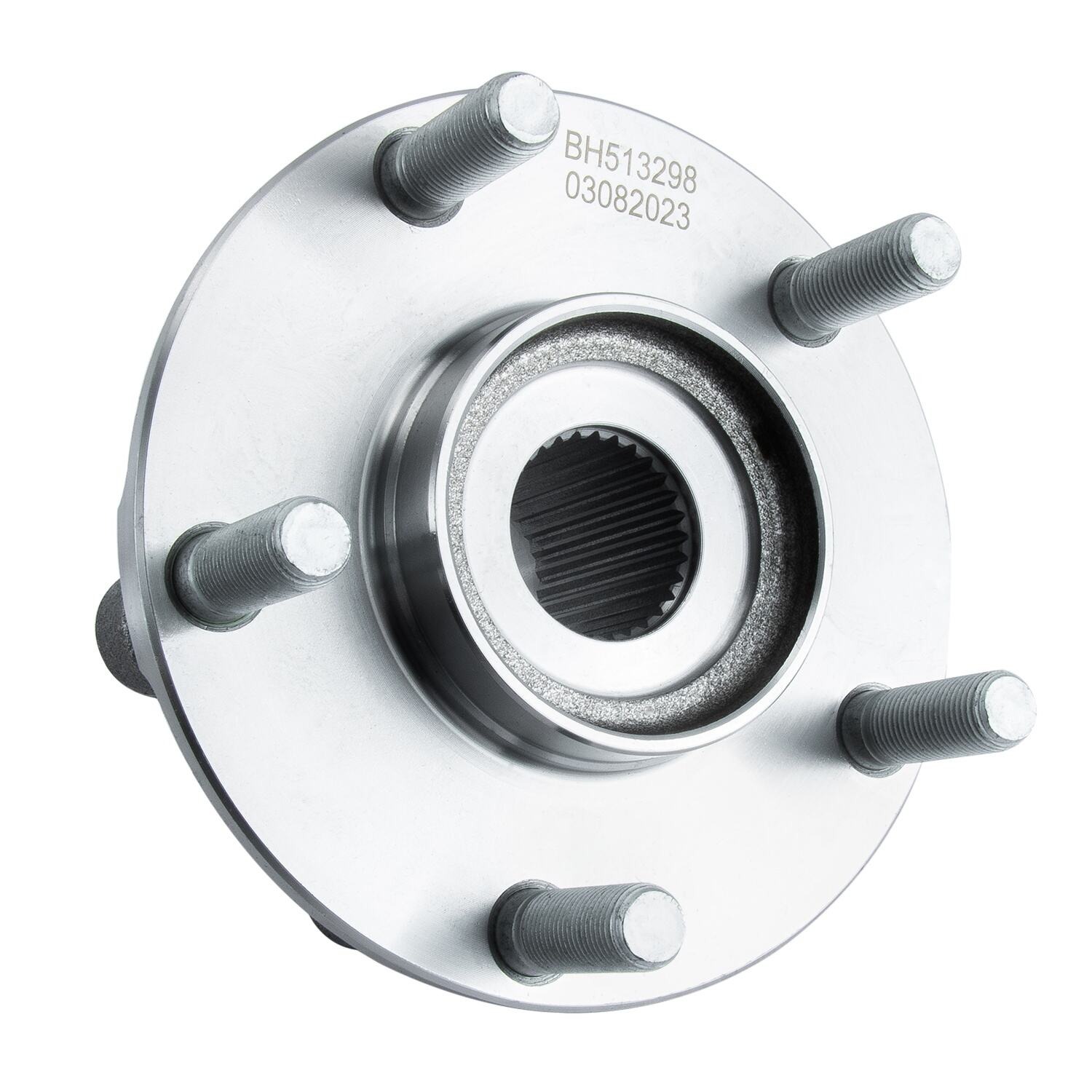
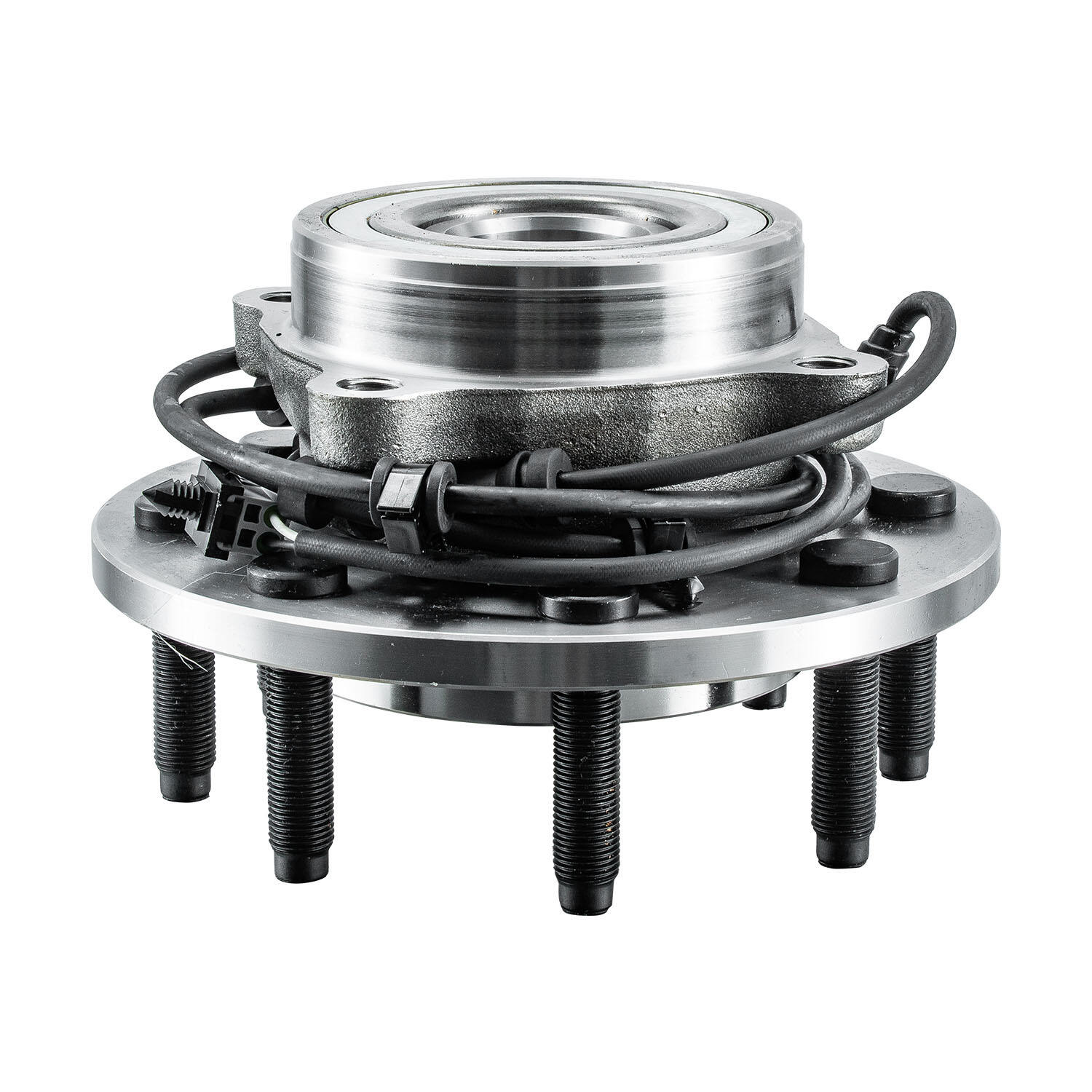
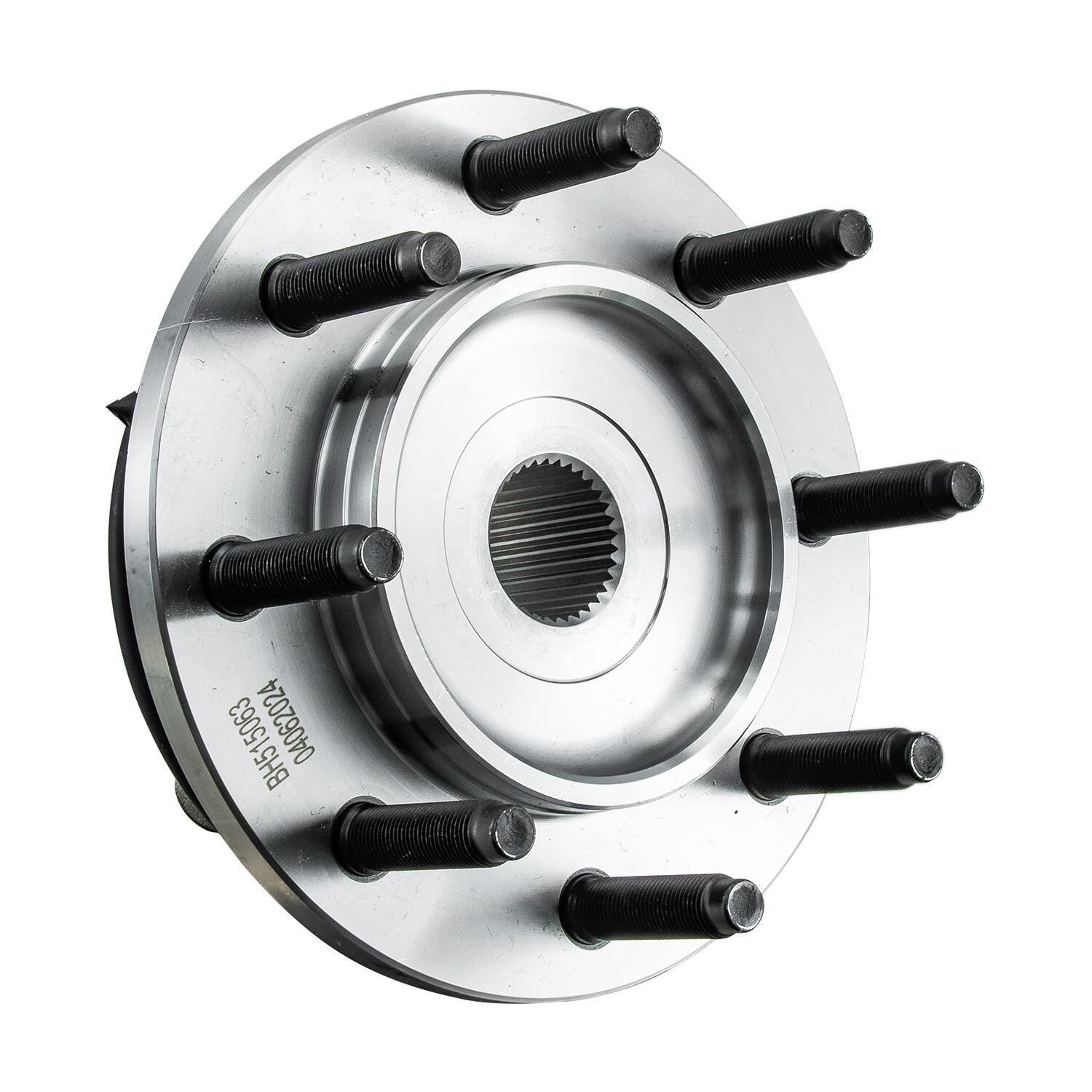
Hub and bearing replacement represents a critical maintenance procedure for vehicles, machinery, and industrial equipment where wheel assemblies connect to axles and rotating components. This essential service involves removing worn or damaged wheel hub assemblies and installing new bearing units to restore optimal performance and safety. The hub assembly serves as the mounting point for wheels while the bearing system enables smooth rotation with minimal friction. Modern hub and bearing replacement units typically arrive as pre-assembled components, integrating the hub, bearings, seals, and mounting hardware into a single package. This design simplifies installation and ensures proper bearing preload without requiring specialized adjustment tools. The technological evolution of these components has introduced sealed bearing designs that eliminate the need for periodic greasing and maintenance. Advanced materials like heat-treated steel and precision-ground raceways extend service life significantly compared to older designs. Hub and bearing replacement becomes necessary when drivers notice symptoms like grinding noises, wheel wobble, uneven tire wear, or ABS sensor malfunctions. These warning signs indicate bearing deterioration that compromises vehicle safety and handling characteristics. The replacement process involves lifting the vehicle, removing the wheel, disconnecting brake components, and extracting the old hub assembly from the steering knuckle or axle housing. Professional technicians use hydraulic presses or specialized pullers to separate press-fit components without damaging surrounding parts. Quality hub and bearing replacement units meet or exceed original equipment specifications, ensuring compatibility with existing suspension geometry and brake systems. Applications span passenger vehicles, light trucks, heavy-duty commercial vehicles, trailers, agricultural equipment, and industrial machinery. The bearing configuration varies by application, with tapered roller bearings common in trucks and ball bearings prevalent in passenger cars. Proper hub and bearing replacement restores factory ride quality, eliminates noise and vibration, and prevents catastrophic wheel separation incidents that endanger occupants and other road users.

New Product Recommendations

Choosing professional hub and bearing replacement delivers immediate improvements in vehicle safety and performance that drivers notice from the first mile. Fresh bearing assemblies eliminate the grinding, humming, or roaring sounds that develop as worn bearings deteriorate, restoring the quiet cabin environment you expect from your vehicle. This noise reduction enhances driving comfort during daily commutes and long highway trips alike. The precision fit of new components eliminates play and looseness in the wheel assembly, which directly improves steering response and handling predictability. Your vehicle tracks straighter on highways, requires less steering correction, and responds more accurately to driver inputs during lane changes and cornering maneuvers. This enhanced control becomes especially valuable in emergency situations where split-second reactions matter most. Hub and bearing replacement prevents uneven tire wear patterns caused by misaligned or wobbling wheel assemblies, extending tire life and saving money on premature replacements. Properly functioning bearings maintain correct wheel alignment angles, ensuring even contact between tires and road surfaces. The sealed bearing designs used in modern replacement units require zero maintenance throughout their service life, eliminating the need for periodic greasing and adjustment procedures that older bearing systems demanded. This maintenance-free operation reduces long-term ownership costs and simplifies vehicle care routines. New hub assemblies restore proper ABS sensor operation by maintaining correct air gaps between sensors and tone rings, ensuring your anti-lock braking system functions as designed during emergency stops. Malfunctioning wheel speed sensors can trigger dashboard warning lights and disable traction control features that enhance safety in adverse conditions. Quality replacement components use premium materials and precision manufacturing processes that often exceed original equipment durability standards, providing extended service intervals between future replacements. Heat-treated bearing races resist wear and deformation under heavy loads, while advanced seal designs keep contaminants out and lubricants in for maximum longevity. The complete assembly design of modern hub and bearing replacement units simplifies installation, reducing labor time and associated costs compared to servicing individual bearing components. Technicians appreciate the straightforward bolt-in installation that eliminates bearing preload adjustments and specialized tools. Timely replacement prevents bearing failures that can cause wheels to seize or separate from vehicles, avoiding dangerous accidents and expensive towing bills. The peace of mind that comes from knowing your wheel assemblies are mechanically sound proves invaluable for families and commercial operators alike.

Latest News

How do hub bearings differ between passenger and heavy-duty vehicles?

30

Mar

How do hub bearings differ between passenger and heavy-duty vehicles?

Hub bearings serve as critical components in automotive wheel assemblies, enabling smooth rotation while supporting the vehicle's weight. However, the engineering requirements and design specifications for hub bearings vary dramatically between passe...
View More
What advantages do sealed hub bearings provide for service fleets?

30

Mar

What advantages do sealed hub bearings provide for service fleets?

Service fleet managers constantly evaluate component choices that can reduce maintenance costs, minimize downtime, and improve operational reliability. Among these critical decisions, the selection of wheel hub bearings plays a significant role in de...
View More
How are intercooler tubes customized for different engine platforms?

21

Apr

How are intercooler tubes customized for different engine platforms?

Engine platform diversity in modern automotive manufacturing requires highly specialized cooling solutions, particularly when it comes to forced induction systems. Intercooler tubes serve as critical pathways for compressed air between turbochargers ...
View More
Control Arms 101: Functions and Maintenance Tips

26

May

Control Arms 101: Functions and Maintenance Tips

Control arms are essential suspension components that connect your vehicle's frame to the steering knuckles and wheel assemblies, acting as the critical link between your chassis and the wheels. These pivotal structural elements allow your wheels to ...
View More

Get a Free Quote

Our representative will contact you soon.
Email
Name
Company Name
WhatsApp
Message
0/1000

hub and bearing replacement

Enhanced Safety Through Precision Engineering

Enhanced Safety Through Precision Engineering

Hub and bearing replacement prioritizes occupant safety through precision-engineered components that maintain structural integrity under extreme operating conditions. Modern bearing assemblies undergo rigorous quality control testing that simulates years of real-world use, including temperature cycling, contamination exposure, and dynamic load variations that replicate harsh driving environments. Manufacturers employ advanced metallurgy to create bearing races with optimal hardness profiles that resist surface fatigue and spalling, the primary failure modes that compromise bearing performance over time. The sealed design architecture prevents water, dirt, and road salt from penetrating bearing cavities where these contaminants would accelerate wear and corrosion. Multi-lip seals create labyrinth barriers that maintain grease retention while blocking external contamination, extending bearing life far beyond traditional open bearing designs. Hub and bearing replacement units incorporate integrated ABS sensor mounting provisions that maintain precise air gaps between magnetic sensors and tone rings, ensuring reliable wheel speed data for electronic stability control systems. This integration proves critical for modern vehicles where ABS, traction control, and stability management systems depend on accurate wheel speed information to function properly. The bolt-together assembly design eliminates press-fit tolerances that can vary during installation, ensuring consistent bearing preload that optimizes load distribution across rolling elements. Proper preload prevents bearing skidding that generates heat and accelerates wear while avoiding excessive tightness that increases rolling resistance and friction. Quality hub and bearing replacement components meet stringent automotive industry standards for dimensional accuracy, material composition, and performance characteristics. Third-party testing validates load capacity ratings, rotational torque specifications, and seal effectiveness under conditions that exceed typical service requirements. The structural design incorporates stress-relief features that prevent crack initiation at high-stress concentration points, particularly around bolt holes and press-fit interfaces where fatigue failures typically originate. Advanced finite element analysis during the design phase identifies potential weak points before production begins, allowing engineers to optimize material distribution and geometry for maximum durability. Hub and bearing replacement restores the safety margins that deteriorate as original components accumulate mileage and wear, returning vehicles to factory-fresh condition where all systems function as intended by automotive engineers.
Cost-Effective Maintenance Solution

Cost-Effective Maintenance Solution

Hub and bearing replacement represents a cost-effective maintenance strategy that prevents expensive secondary damage while extending overall vehicle service life. Addressing bearing wear promptly avoids the cascading failures that occur when deteriorated bearings allow excessive wheel movement and misalignment. Worn bearings permit wheels to wobble and tilt, which accelerates tire wear in irregular patterns that cannot be corrected through alignment adjustments alone. Replacing tires prematurely due to bearing-induced wear patterns costs significantly more than timely bearing service. The complete assembly design of modern hub and bearing replacement units reduces labor expenses by eliminating time-consuming procedures like bearing race removal, installation, and preload adjustment that traditional bearing service required. Technicians complete installations in a fraction of the time needed for component-level bearing work, translating directly into lower labor charges for vehicle owners. Sealed bearing assemblies eliminate recurring maintenance costs associated with periodic bearing inspection, cleaning, repacking, and adjustment that older bearing designs demanded. This maintenance-free operation proves especially valuable for fleet operators managing multiple vehicles where routine service appointments consume significant time and resources. Hub and bearing replacement prevents damage to expensive components like steering knuckles, spindles, and axle housings that can occur when failed bearings seize or disintegrate during operation. Catastrophic bearing failures generate extreme heat and mechanical forces that warp and score mating surfaces, often requiring replacement of these costly structural components. The improved fuel efficiency resulting from low-friction bearing designs reduces operating costs over the component's service life. Modern sealed bearings use synthetic lubricants and optimized internal geometries that minimize rolling resistance compared to older bearing technologies. Quality replacement components offer extended service intervals that reduce the frequency of future bearing replacements, lowering lifetime maintenance costs per mile driven. Premium materials and manufacturing processes create bearings that routinely exceed 100,000 miles in passenger car applications and even longer in properly maintained commercial vehicles. The prevention of roadside breakdowns and towing expenses represents another significant cost advantage of proactive hub and bearing replacement. Failed bearings can leave vehicles stranded in inconvenient or dangerous locations, requiring expensive emergency towing services and creating schedule disruptions. Insurance benefits may apply when bearing failures cause accidents or vehicle damage, but the deductibles and premium increases that follow claims often exceed the cost of preventive bearing replacement. Smart vehicle owners recognize that investing in timely hub and bearing replacement protects against much larger expenses while maintaining vehicle reliability and resale value.
Universal Application Across Vehicle Types

Universal Application Across Vehicle Types

Hub and bearing replacement solutions accommodate an extensive range of vehicle types, from compact passenger cars to heavy-duty commercial trucks, demonstrating remarkable versatility in automotive maintenance. Manufacturers produce application-specific designs that address the unique load requirements, mounting configurations, and performance characteristics of different vehicle categories. Passenger car applications typically utilize compact ball bearing assemblies optimized for smooth, quiet operation at highway speeds while supporting moderate loads from vehicle weight and cornering forces. These designs prioritize refinement and longevity under typical commuting conditions where bearing temperatures remain moderate and shock loads are minimal. Light truck and SUV hub and bearing replacement units feature more robust construction with larger bearing elements and reinforced housings that handle increased vehicle weight and the higher loads generated during towing and off-road operation. The bearing configurations often incorporate tapered roller designs that better accommodate the combined radial and thrust loads present in truck applications. Heavy-duty commercial vehicle applications demand hub and bearing replacement assemblies engineered for extreme durability under continuous high-load operation. These industrial-grade components use premium alloy steels, oversized rolling elements, and enhanced seal systems that withstand the punishing conditions of long-haul trucking, construction equipment, and delivery vehicles that accumulate high annual mileage. Performance vehicle applications benefit from hub and bearing replacement units designed to maintain precision under the elevated temperatures and lateral forces generated during aggressive driving and track use. These specialized bearings incorporate advanced materials and cooling features that prevent performance degradation during sustained high-speed operation. Agricultural equipment and industrial machinery applications utilize hub and bearing replacement components built to survive contaminated environments where mud, dust, and chemical exposure challenge seal integrity and bearing protection. Reinforced seal designs and corrosion-resistant coatings extend service life in these harsh operating conditions. Trailer applications require hub and bearing replacement assemblies that tolerate extended periods of inactivity followed by sudden heavy use, a duty cycle that challenges bearing lubrication and seal flexibility. Marine trailer bearings face additional challenges from water immersion and salt exposure that accelerate corrosion. The standardization of mounting dimensions and bolt patterns across vehicle platforms simplifies parts inventory management for repair facilities and fleet maintenance operations. Common bearing sizes and configurations reduce the number of unique part numbers required to service diverse vehicle populations. Hub and bearing replacement availability spans economy replacement options for budget-conscious consumers to premium original equipment quality components for those prioritizing maximum durability and performance. This range of quality tiers allows vehicle owners to select products matching their specific needs, budget constraints, and expected vehicle service life.
Get a Quote Get a Quote Email Email WhatsApp WhatsApp WeChat WeChat
WeChat
TopTop

Get a Free Quote

Our representative will contact you soon.
Email
Name
Company Name
WhatsApp
Message
0/1000

Get a Free Quote

Our representative will contact you soon.
Email
Name
Company Name
WhatsApp
Message
0/1000

Get a Free Quote

Our representative will contact you soon.
Email
Name
Company Name
WhatsApp
Message
0/1000