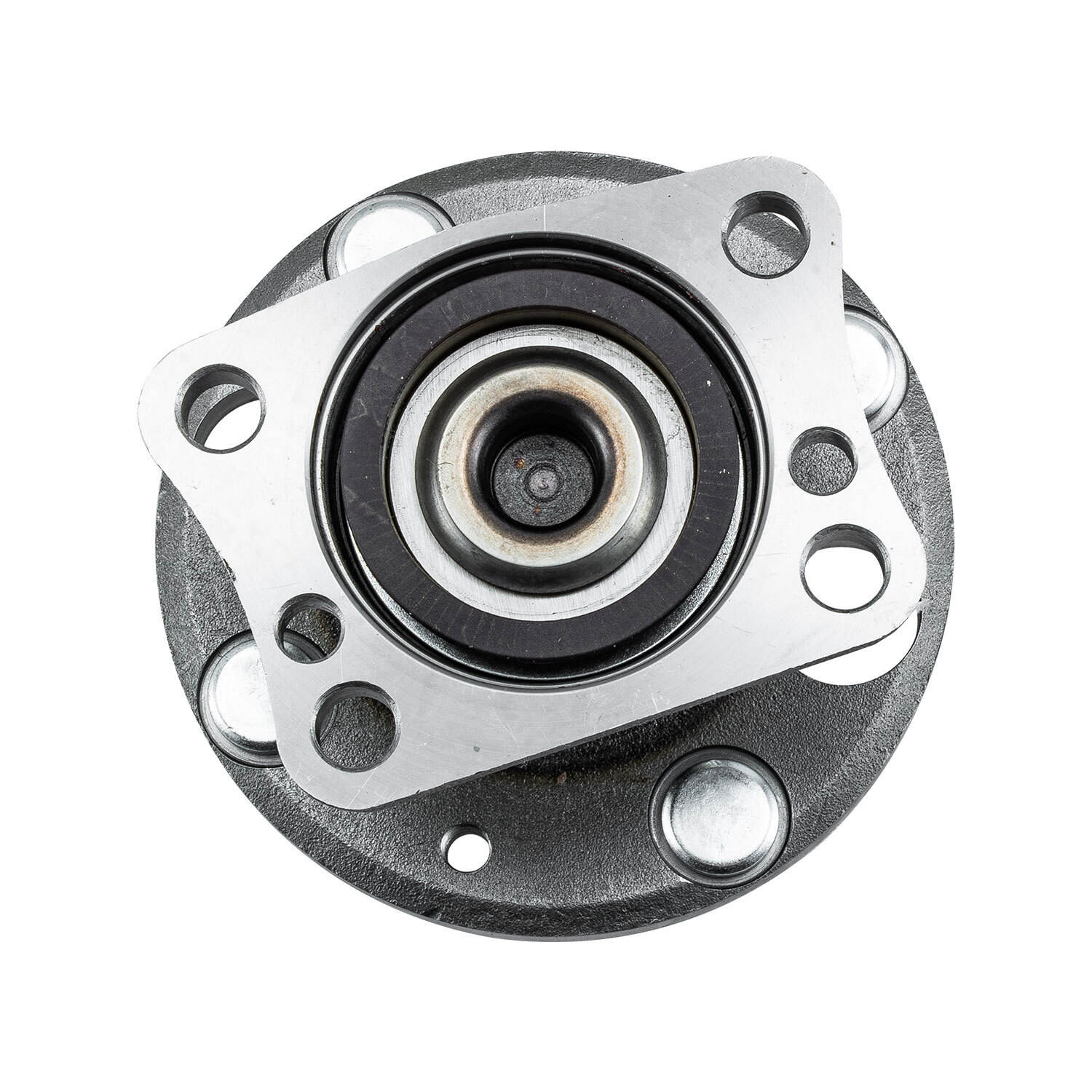
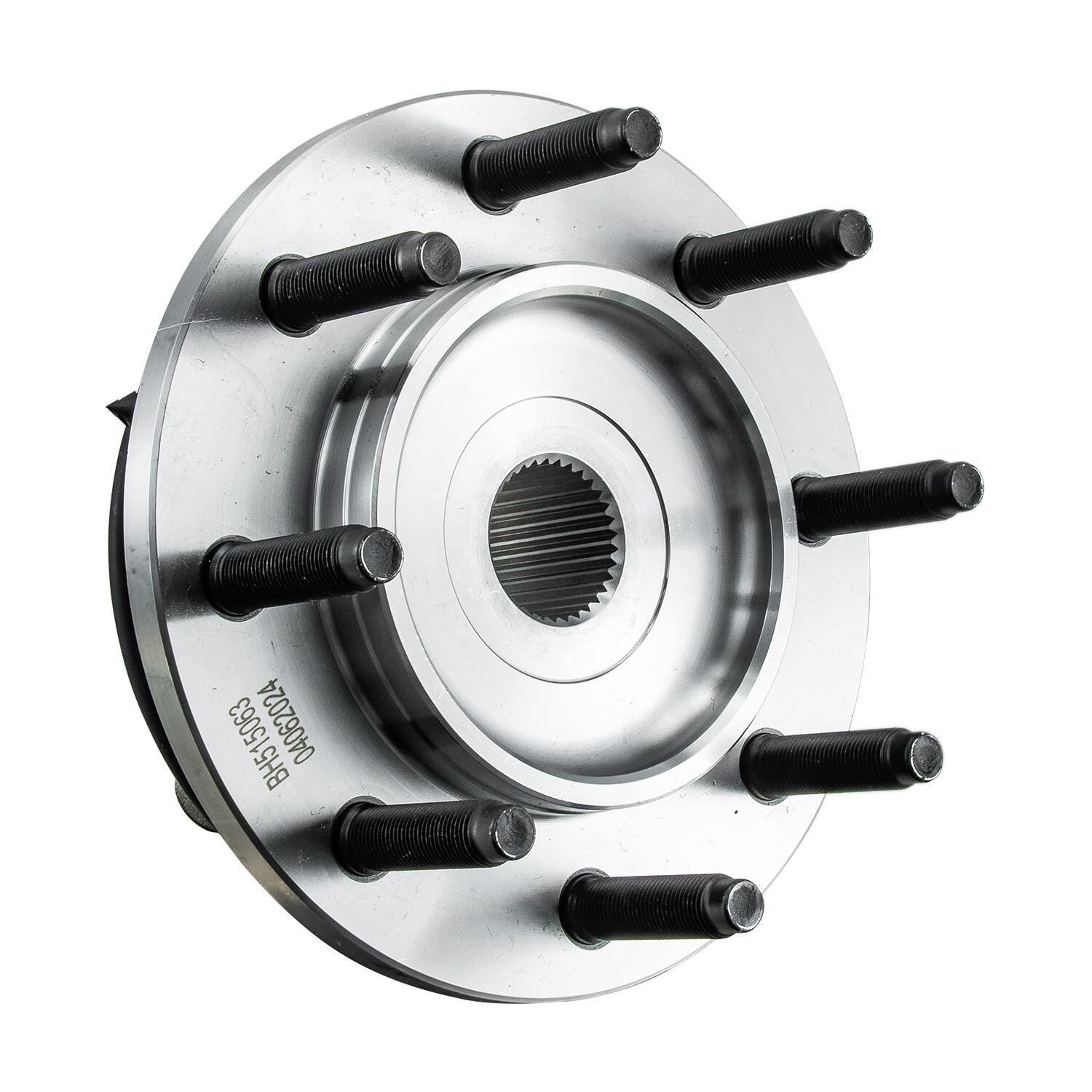
front wheel bearing and hub
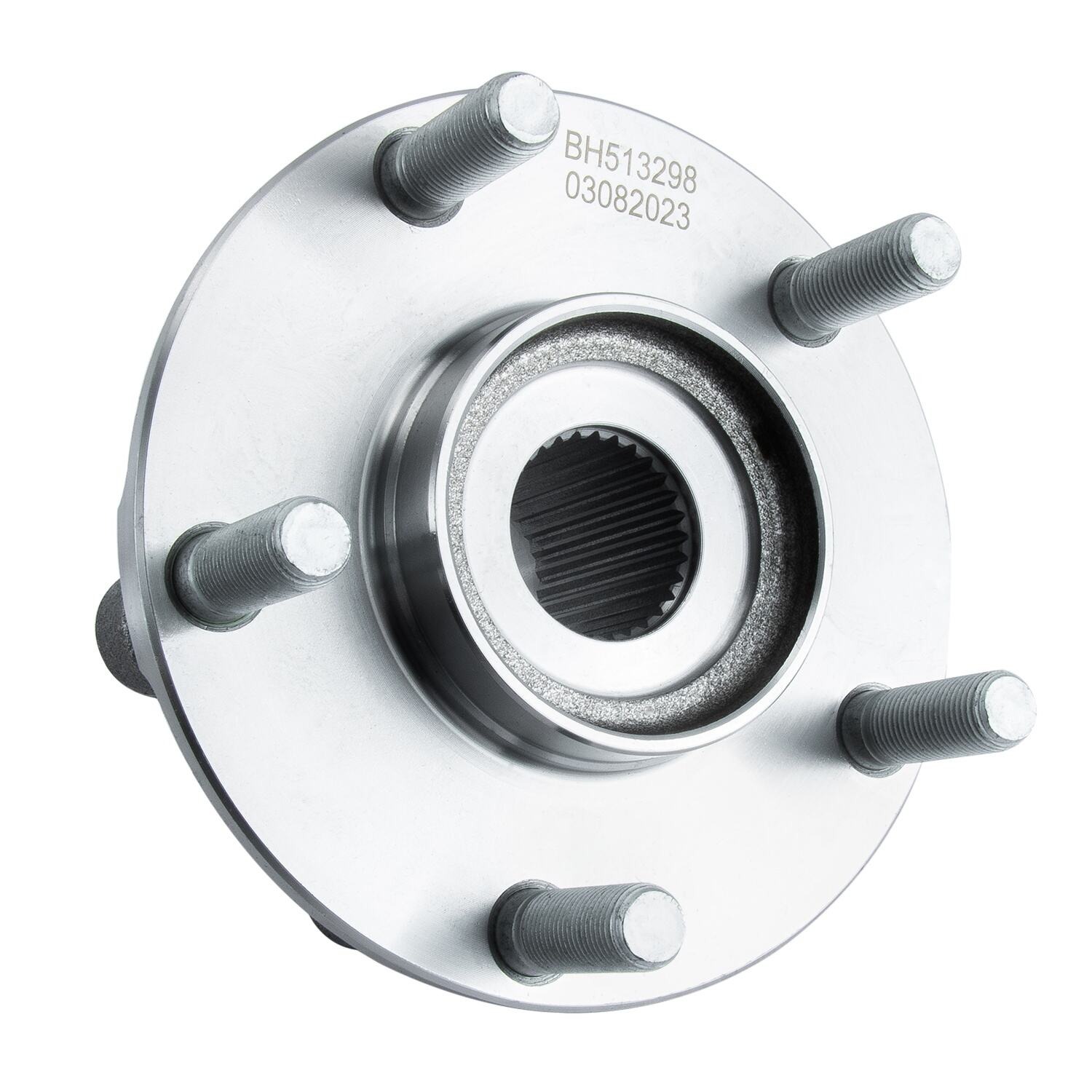
The front wheel bearing and hub assembly represents a critical component in modern vehicle suspension systems, serving as the foundation for safe and efficient wheel operation. This integrated unit combines the wheel bearing with the hub mounting surface into a single, pre-assembled component that simplifies installation while enhancing overall performance. The primary function of the front wheel bearing and hub is to support the vehicle's weight while allowing the wheels to rotate smoothly with minimal friction. It must withstand substantial radial and axial loads generated during driving, braking, and cornering maneuvers. The bearing component utilizes precision-engineered rolling elements, typically ball or tapered roller bearings, housed within sealed races that protect against contamination from dirt, water, and road debris. The hub portion provides the mounting surface for the brake rotor and wheel, featuring precisely machined bolt patterns and mounting faces to ensure proper alignment. Modern front wheel bearing and hub assemblies incorporate advanced sealing technology that retains lubricating grease throughout the component's service life while preventing external contaminants from entering the bearing cavity. Many units feature integrated ABS sensor rings or magnetic encoders that provide wheel speed data to the vehicle's anti-lock braking and stability control systems. The technological evolution of the front wheel bearing and hub has focused on reducing weight without compromising strength, improving seal effectiveness, and extending service intervals. Manufacturing processes employ high-grade alloy steels that undergo specialized heat treatment to achieve optimal hardness and durability characteristics. The front wheel bearing and hub finds applications across passenger vehicles, light trucks, SUVs, and commercial vehicles, with designs tailored to specific load requirements and operating conditions. Premium assemblies may incorporate advanced features such as low-friction seals that reduce rolling resistance to improve fuel efficiency, or enhanced corrosion-resistant coatings for vehicles operating in harsh environments with road salt exposure.