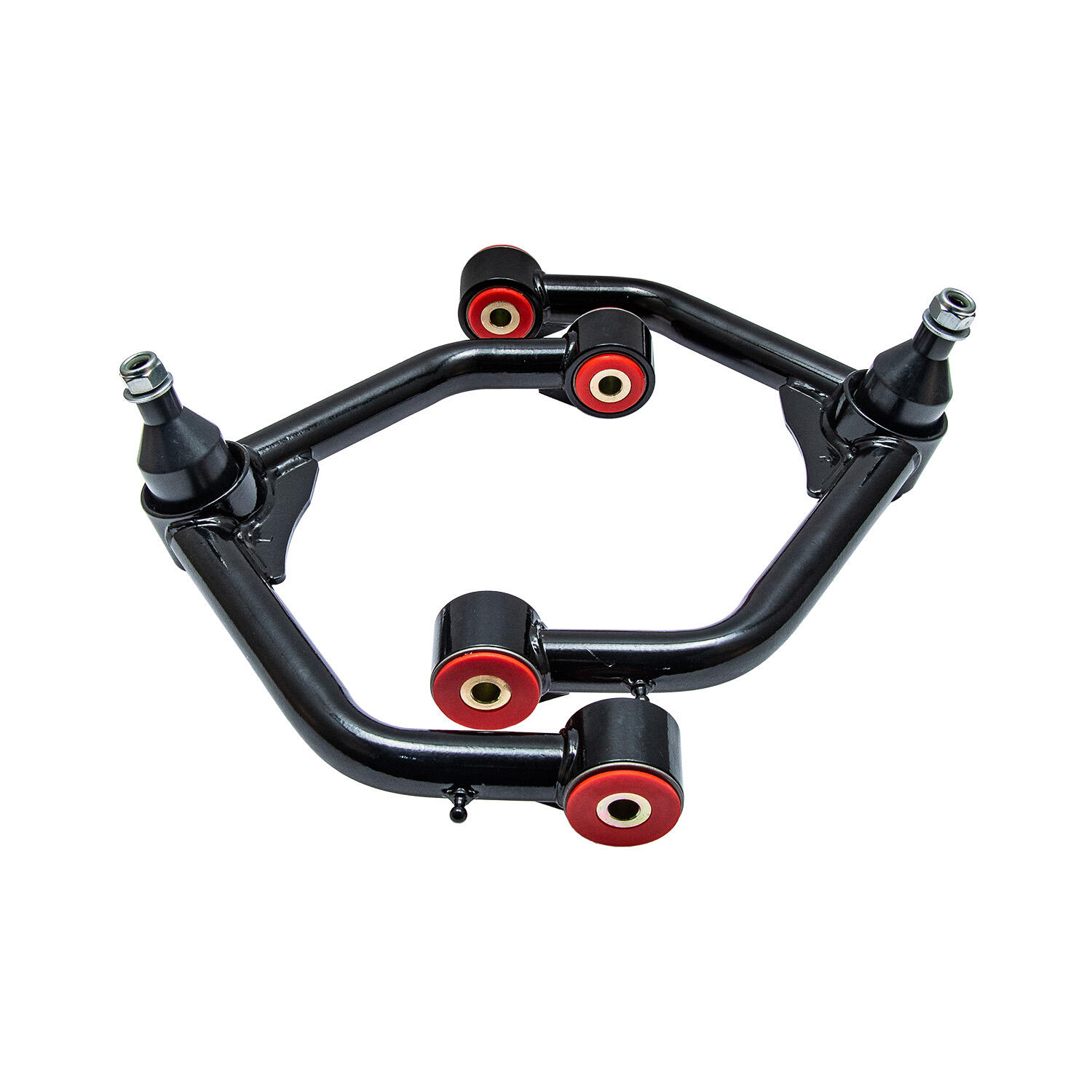
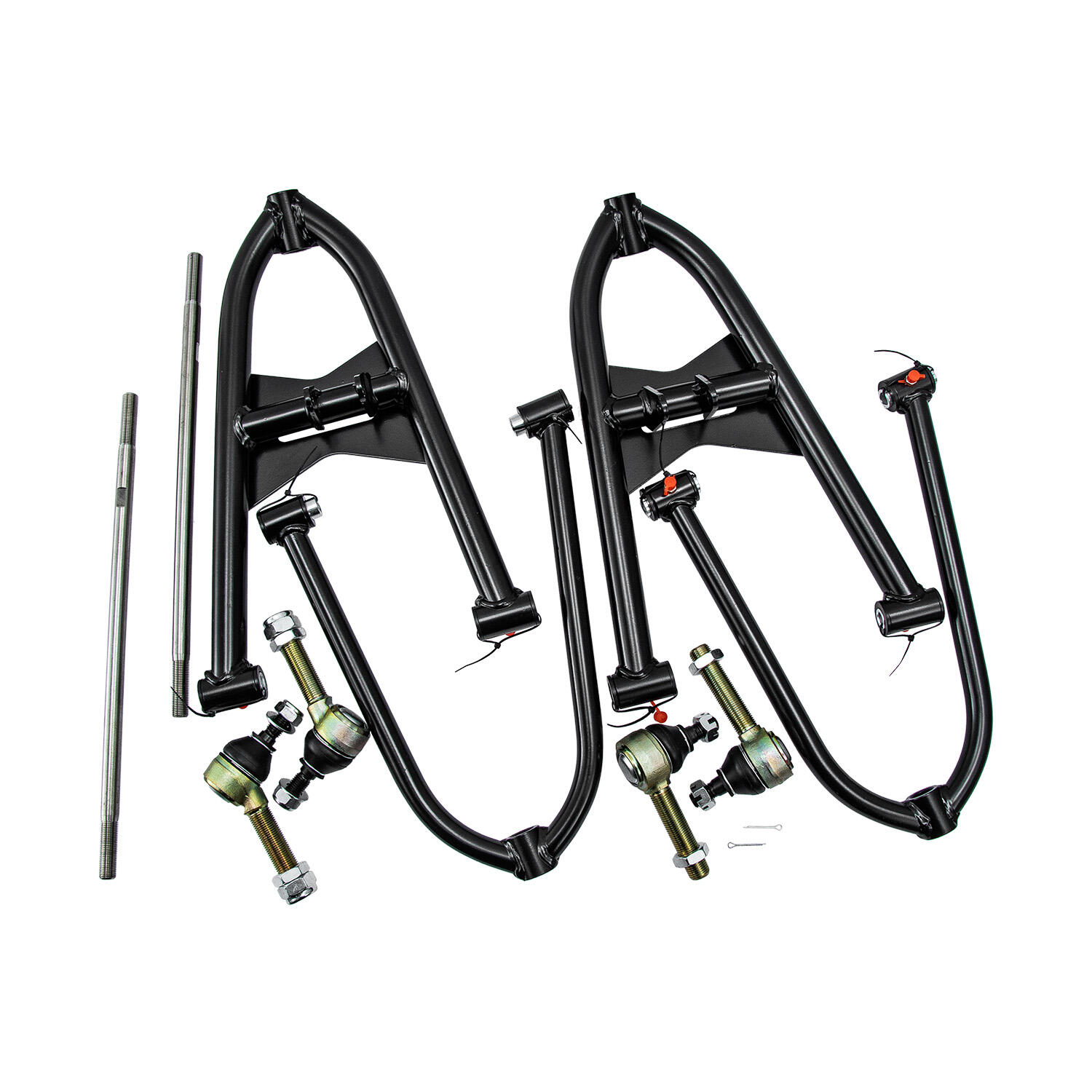
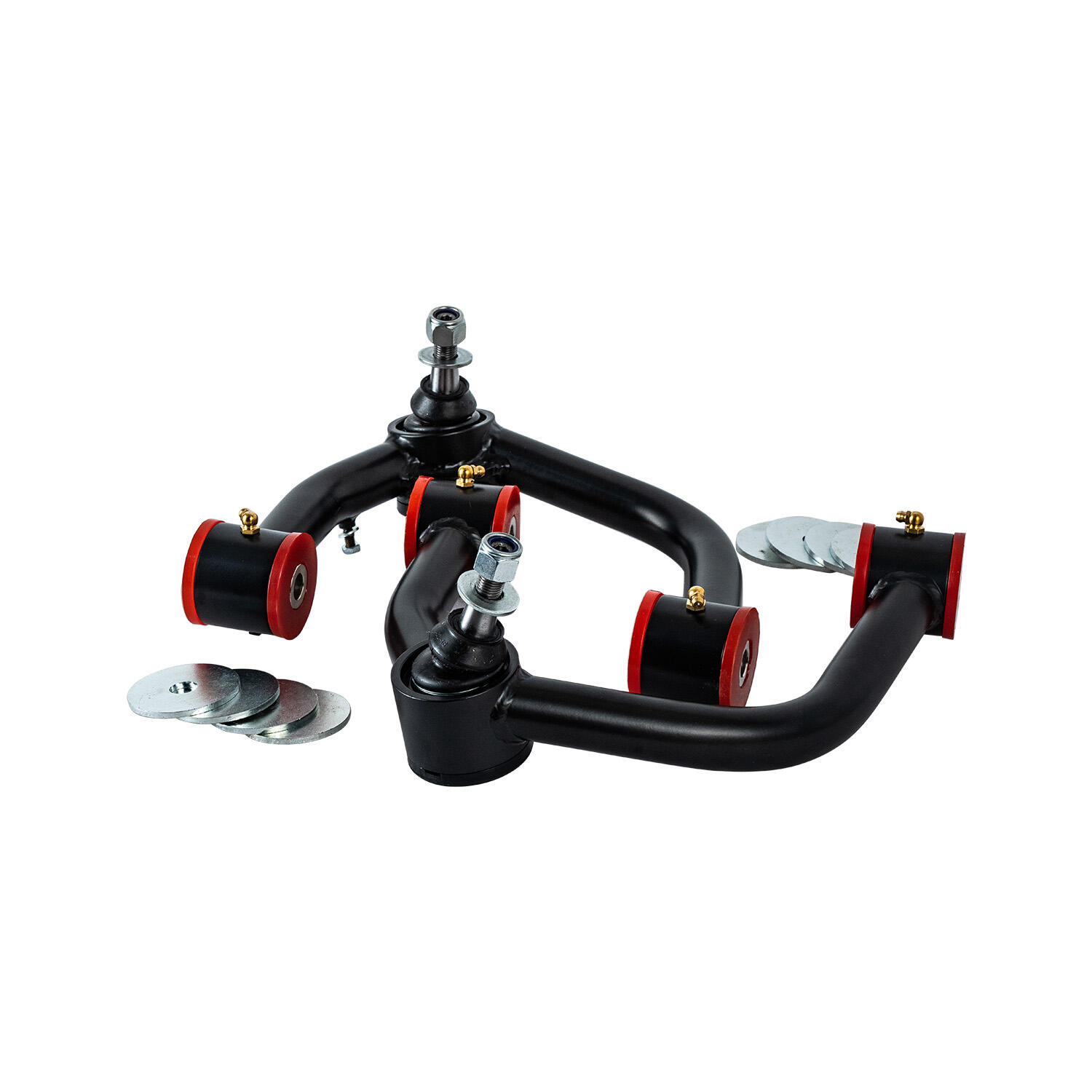
left front lower control arm
The left front lower control arm serves as a critical suspension component that connects your vehicle's frame to the wheel assembly on the driver's side front corner. This precision-engineered part acts as a pivotal link in the suspension system, allowing the wheel to move up and down while maintaining proper alignment and stability during driving. The control arm features multiple mounting points, including bushings at the frame connection and a ball joint at the wheel hub end, creating a triangulated structure that manages forces from multiple directions. Modern left front lower control arms are manufactured using high-strength materials such as forged steel or cast aluminum alloys, selected for their ability to withstand constant stress cycles while minimizing weight. The component's design incorporates strategic reinforcement zones that distribute impact loads efficiently, preventing premature failure under demanding conditions. During operation, the left front lower control arm works in conjunction with the upper control arm, strut assembly, and stabilizer bar to maintain tire contact with the road surface, absorb impacts from uneven pavement, and provide responsive steering feedback. The bushings integrated into the control arm serve dual purposes: they allow necessary articulation while dampening vibrations and noise that would otherwise transfer into the cabin. The ball joint attachment enables the steering knuckle to pivot smoothly during turns while supporting vertical loads from the vehicle's weight. Quality control arms feature corrosion-resistant coatings or treatments that extend service life in harsh environments where road salt, moisture, and debris accelerate deterioration. The left front lower control arm's geometry directly influences suspension travel, camber angles, and caster settings, making it essential for maintaining factory-specified alignment parameters. When functioning properly, this component contributes to predictable handling characteristics, even tire wear patterns, and comfortable ride quality across various driving conditions and road surfaces.