Advanced Bushing Technology for Optimal Comfort and Control
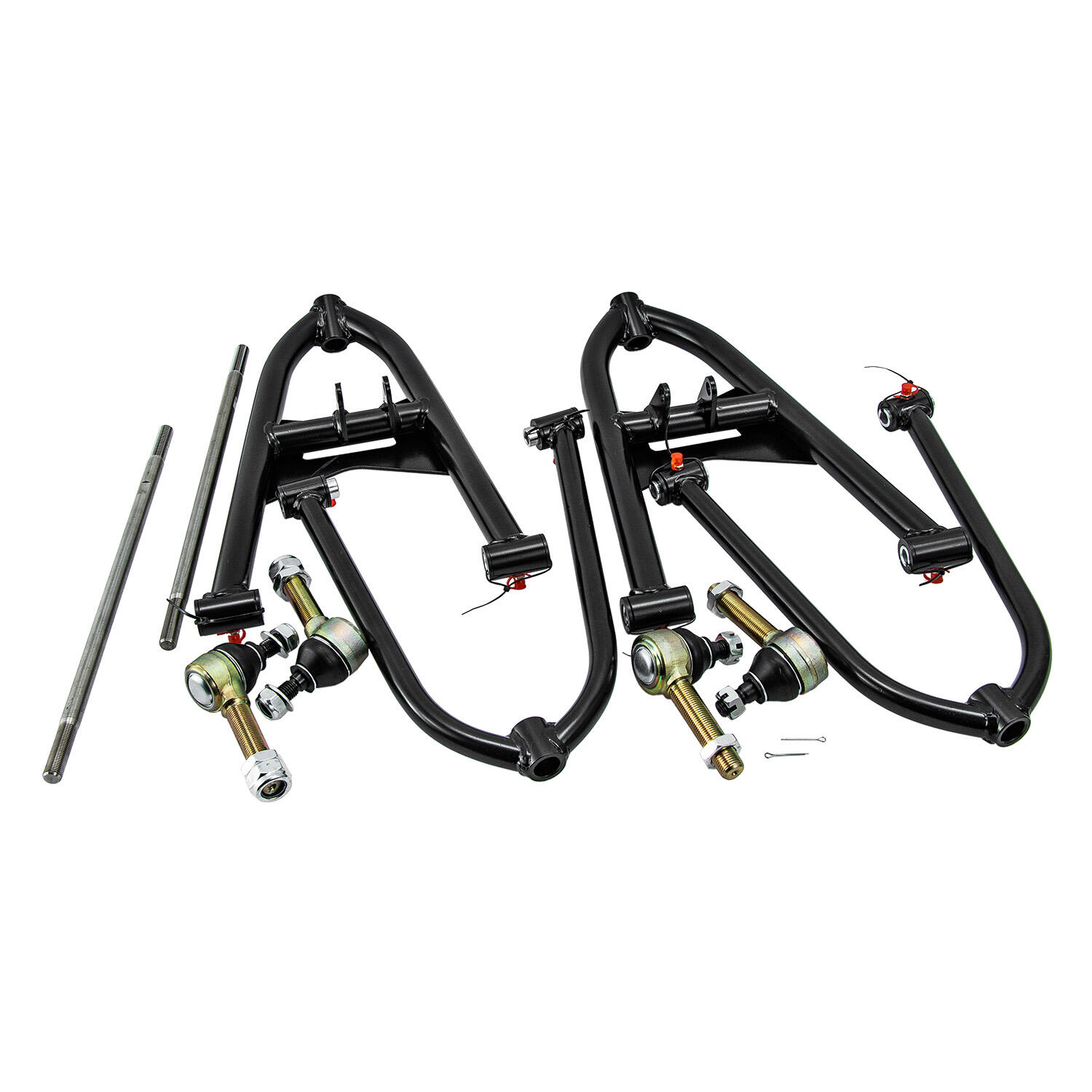
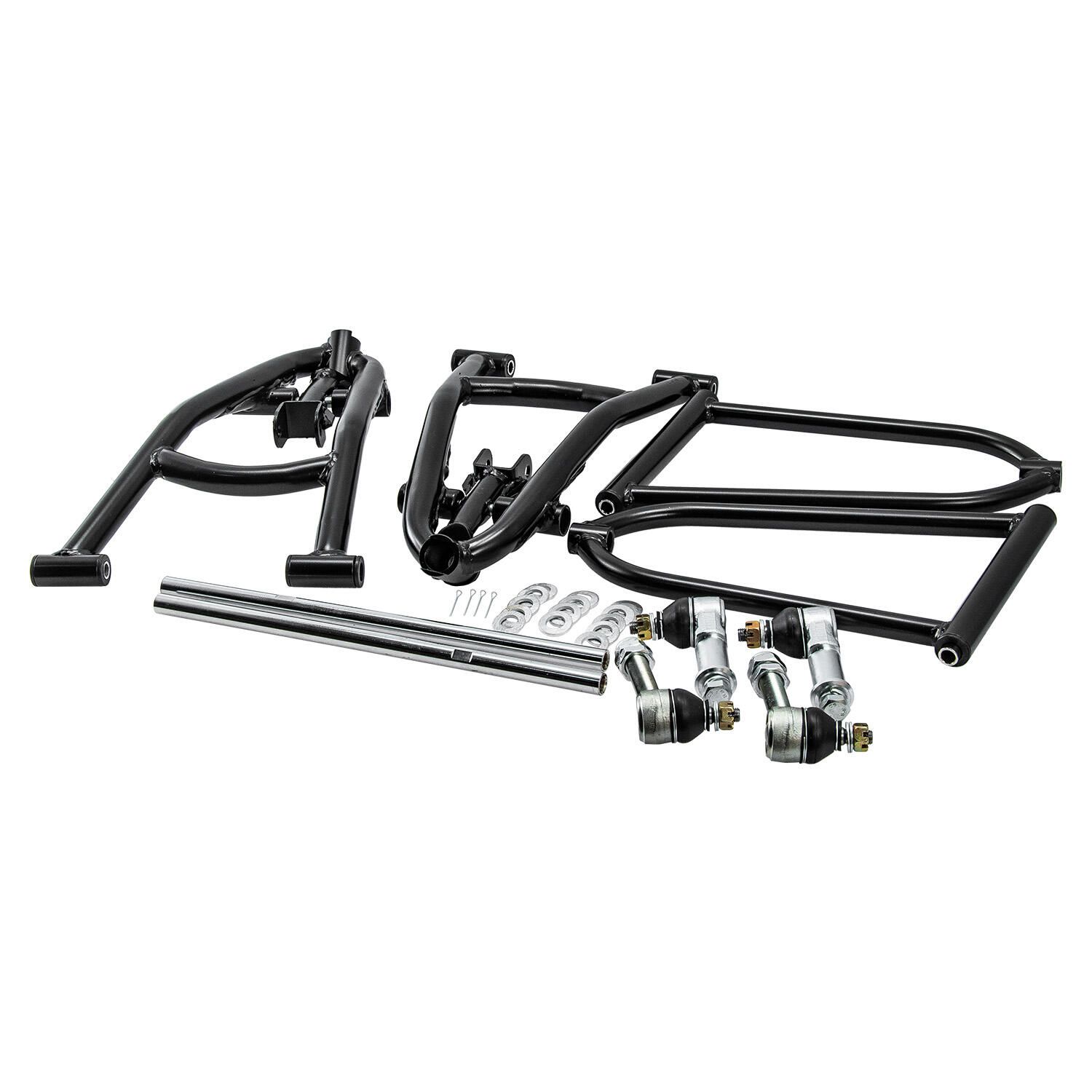
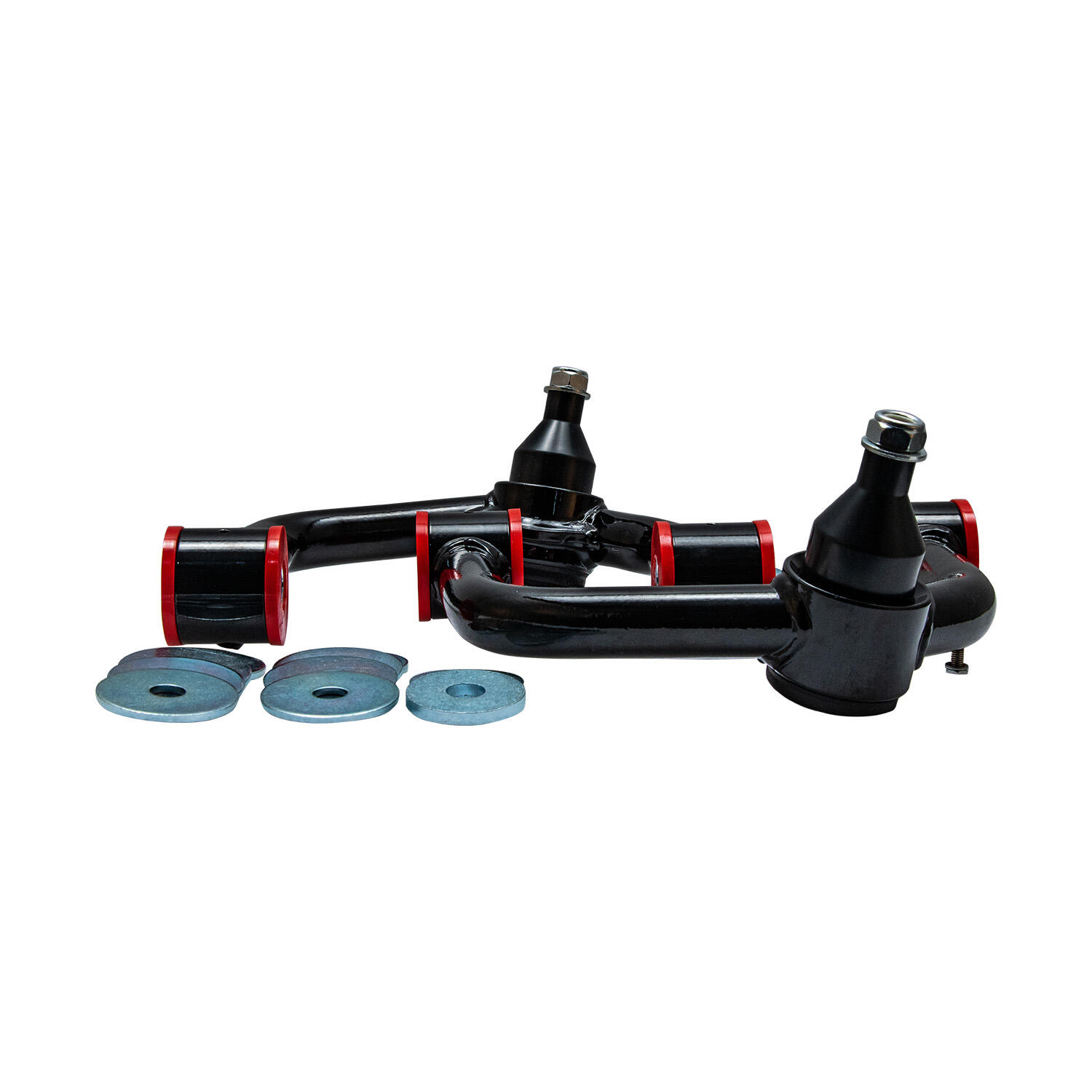
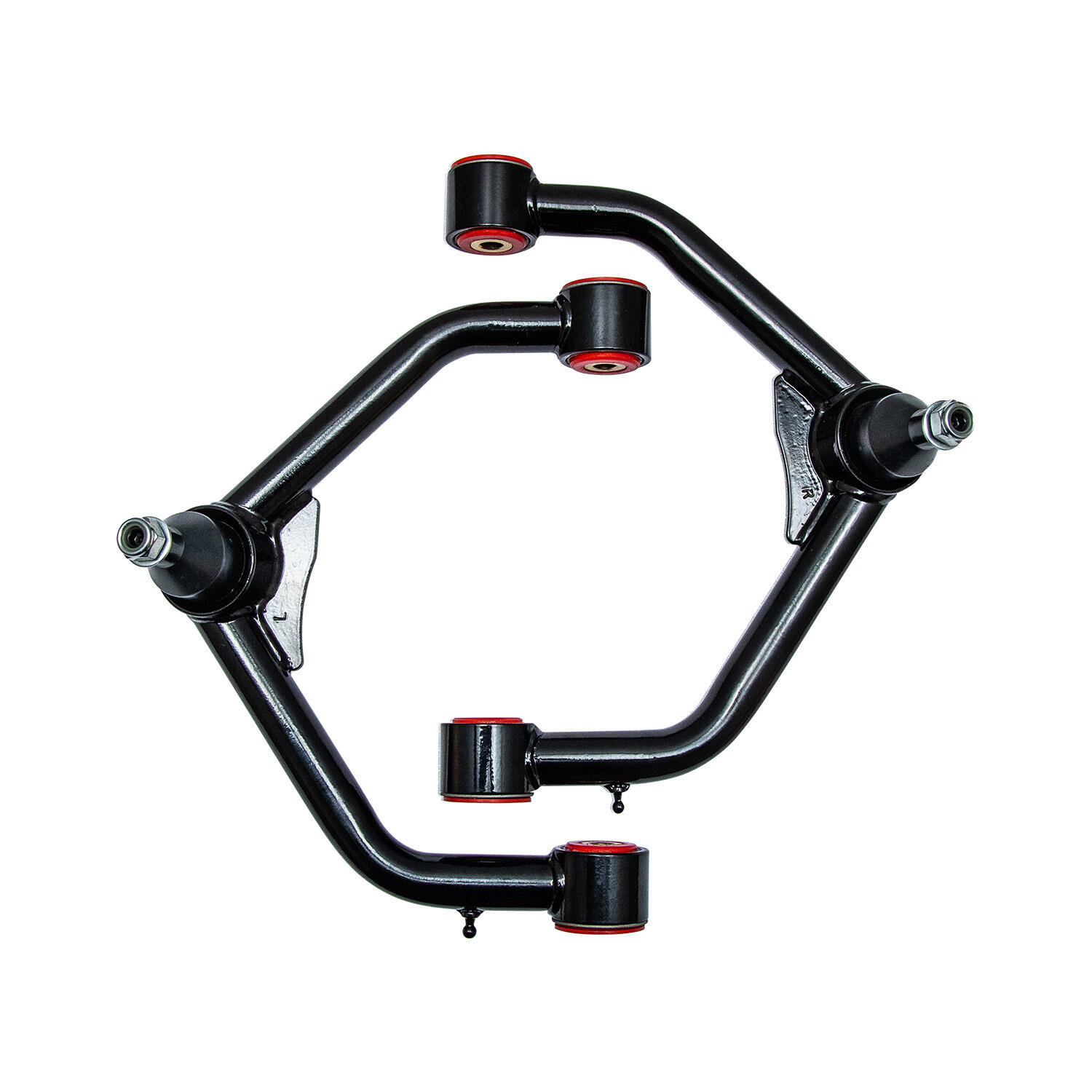
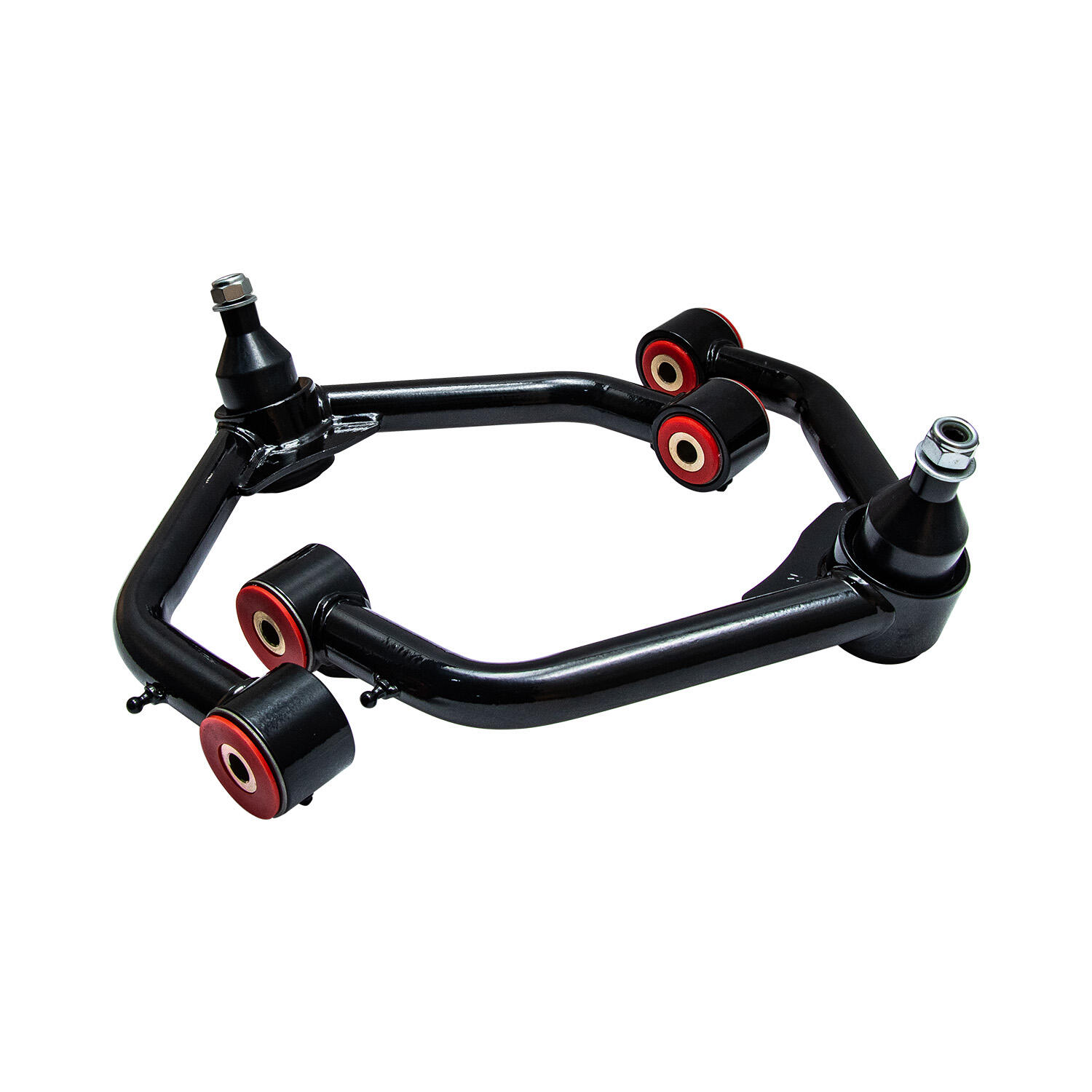
The bushings integrated into the front upper control arm serve as the critical interface between the rigid suspension component and the vehicle chassis, playing a vital role in balancing handling precision with ride comfort. These seemingly simple rubber or polyurethane elements actually represent sophisticated engineering solutions that must accommodate suspension movement while controlling unwanted motion and isolating vibrations. Premium front upper control arms incorporate bushings manufactured from specially formulated compounds that resist degradation from heat, oil, road chemicals, and ozone exposure, ensuring consistent performance throughout their service life. The bushing design considers multiple performance parameters, including radial stiffness, torsional compliance, and damping characteristics, each carefully tuned to achieve optimal suspension behavior. Radial stiffness determines how much the bushing compresses under vertical loads, affecting ride harshness and impact absorption, while torsional compliance controls how easily the control arm can rotate during suspension articulation, influencing handling response and steering feel. Advanced front upper control arm bushings often feature voided designs with strategically placed cavities that allow controlled deflection in specific directions while maintaining rigidity in others, creating a sophisticated balance between comfort and performance. Some premium applications utilize hydraulic bushings containing fluid chambers that provide velocity-sensitive damping, automatically adjusting their characteristics based on suspension movement speed to absorb small road irregularities while resisting larger impacts. The bushing's outer sleeve typically features knurled or textured surfaces that ensure secure retention within the control arm housing, preventing rotation or migration that would compromise performance. Installation methods vary from press-fit designs to bonded assemblies, each chosen based on the specific application requirements and expected load conditions. The front upper control arm's bushing placement and orientation directly affect suspension kinematics, influencing parameters like anti-dive geometry during braking and roll center height during cornering. Worn bushings allow excessive control arm movement, creating vague steering response, increased tire wear, and potential alignment drift that compromises vehicle handling. By maintaining bushing integrity, the front upper control arm preserves the precise suspension geometry engineers intended, ensuring predictable handling characteristics and optimal tire contact throughout the suspension's range of motion. Vehicle owners who replace front upper control arms with worn bushings typically notice immediate improvements in steering precision, reduced body roll during cornering, and elimination of clunking noises over bumps, demonstrating the critical role these components play in overall vehicle dynamics.