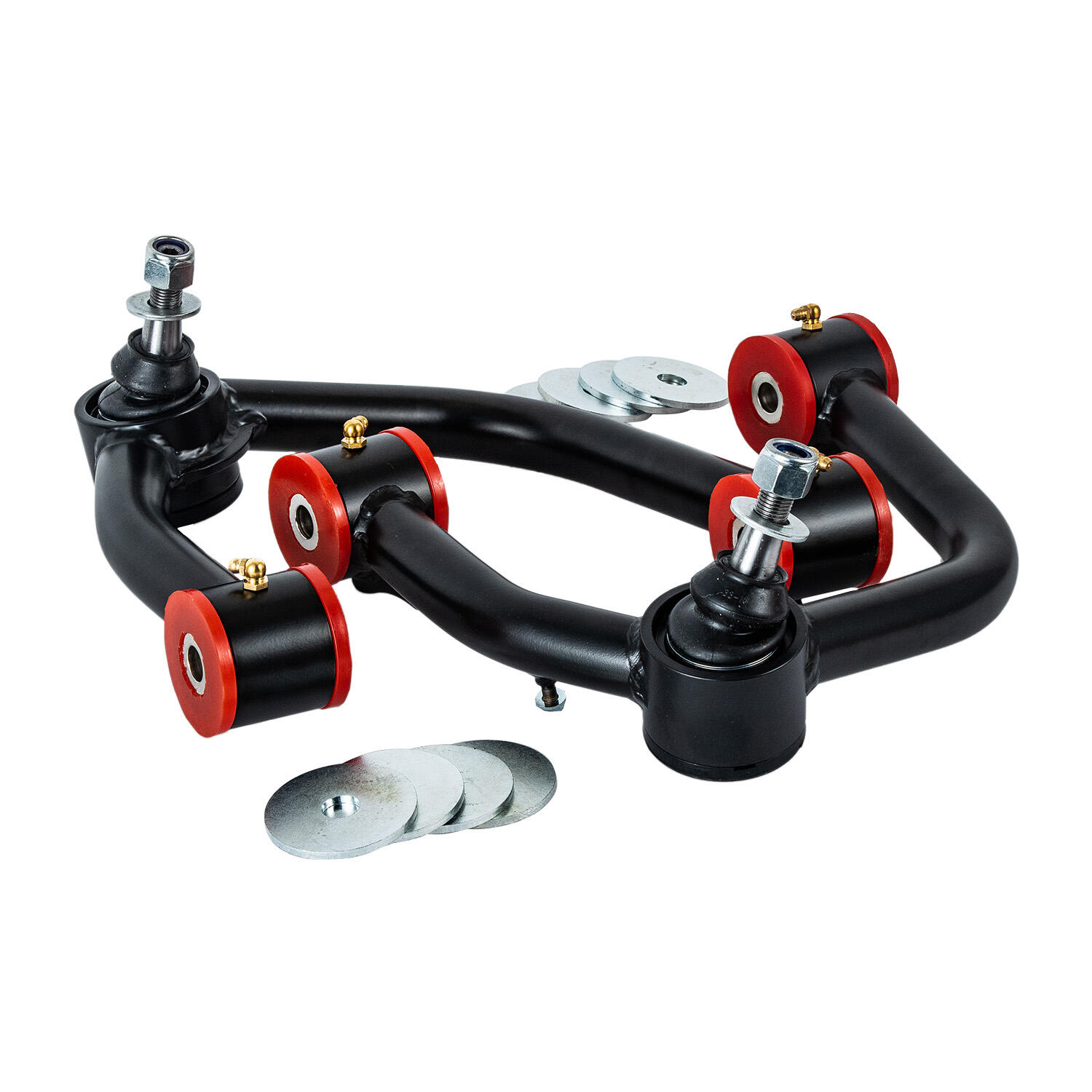
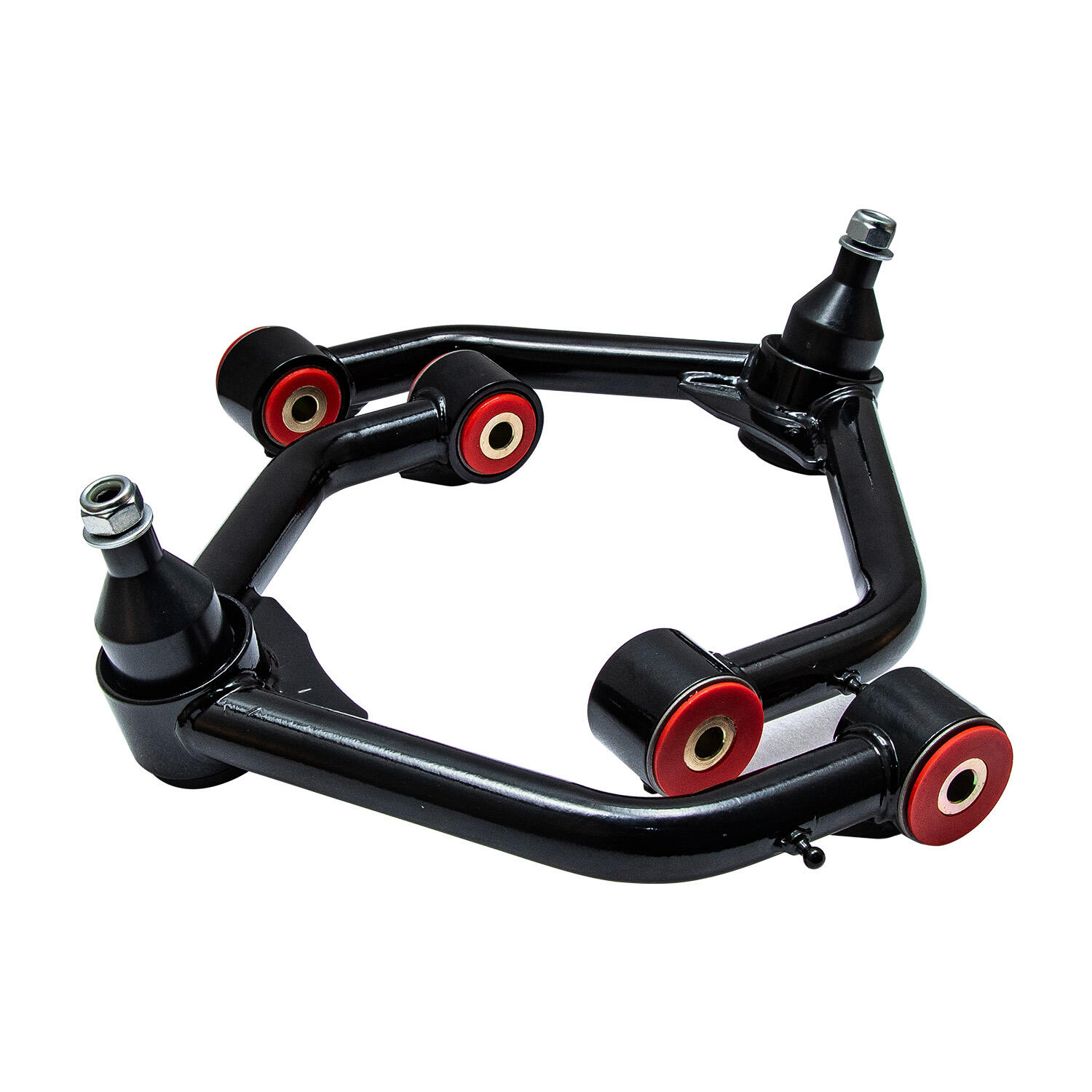
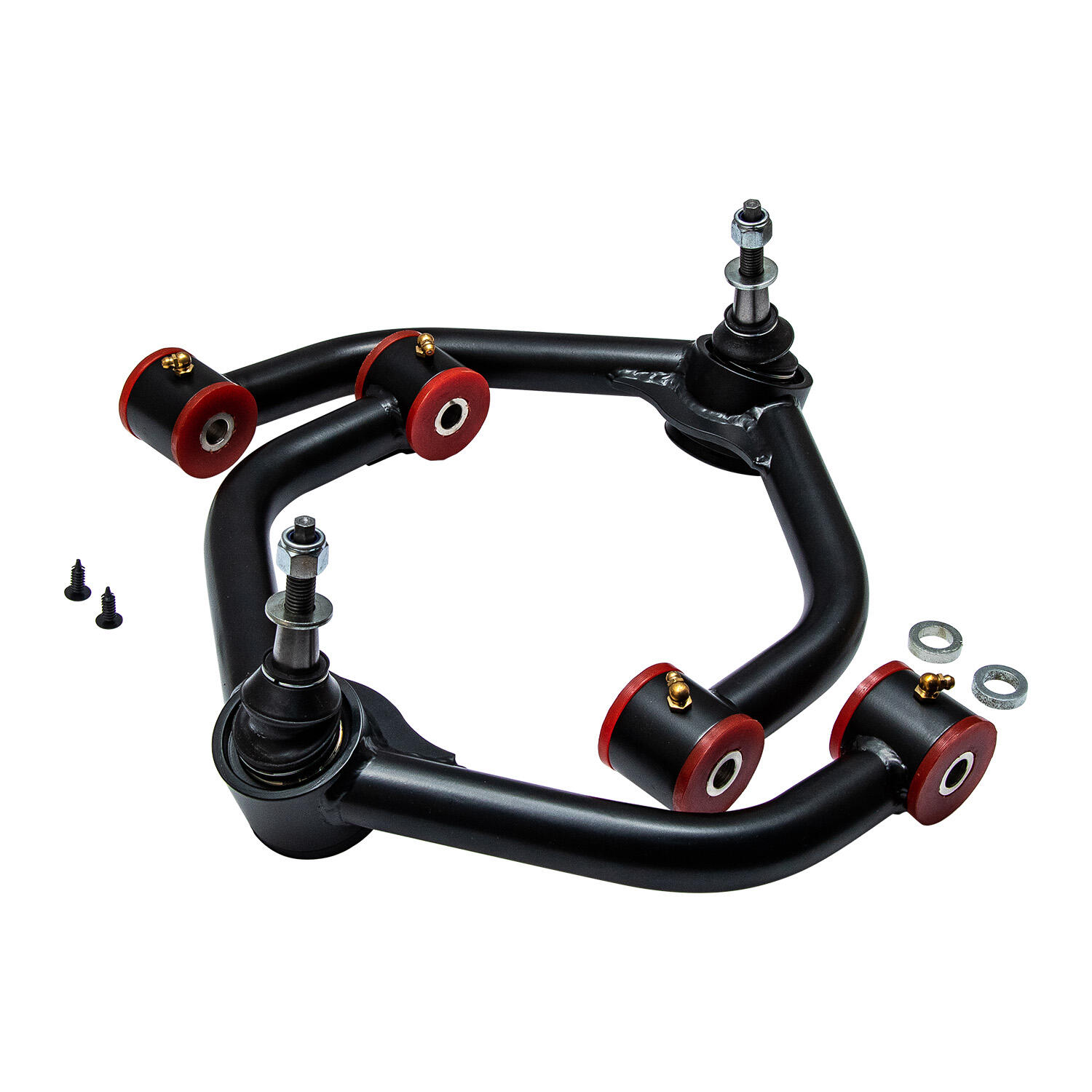
front suspension arm
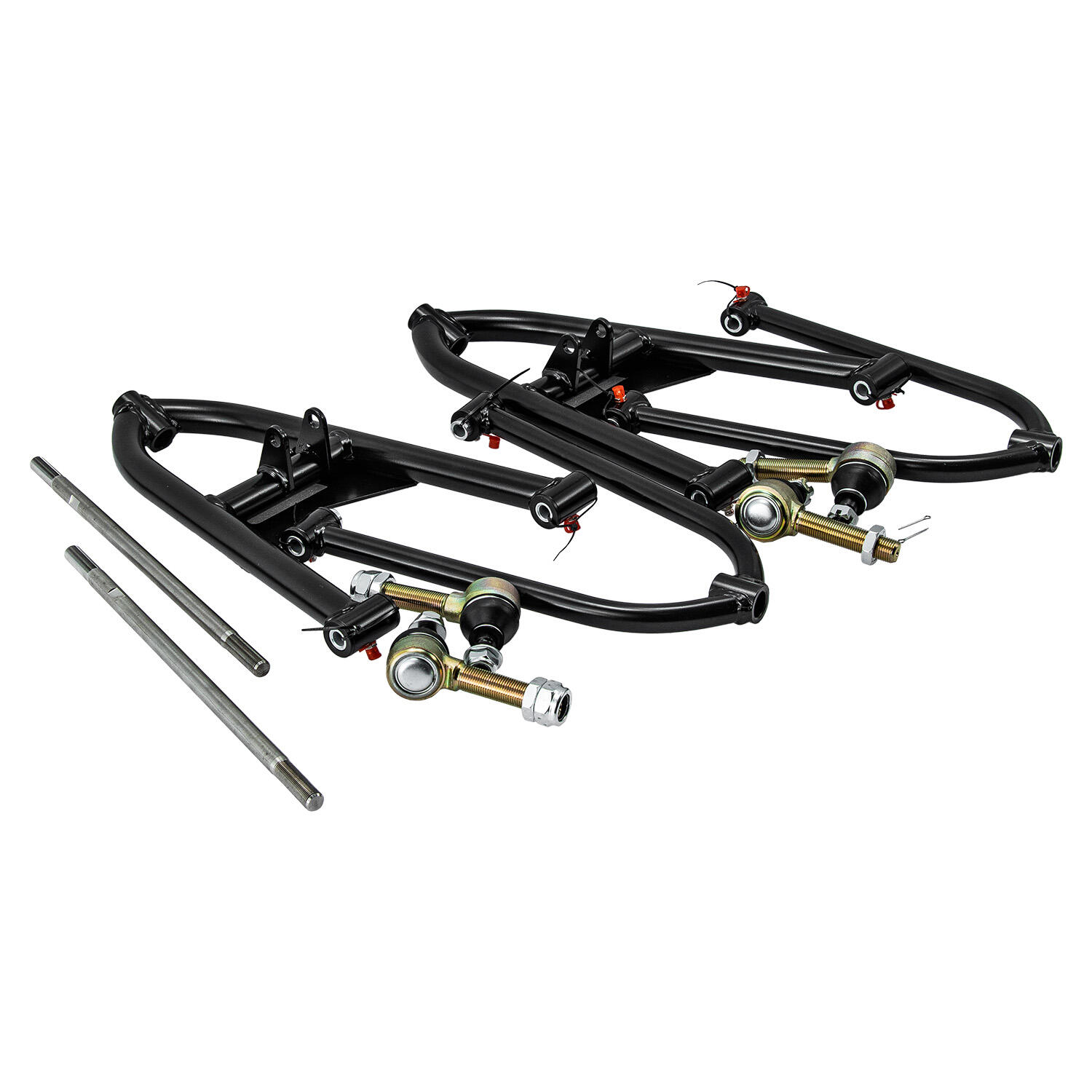
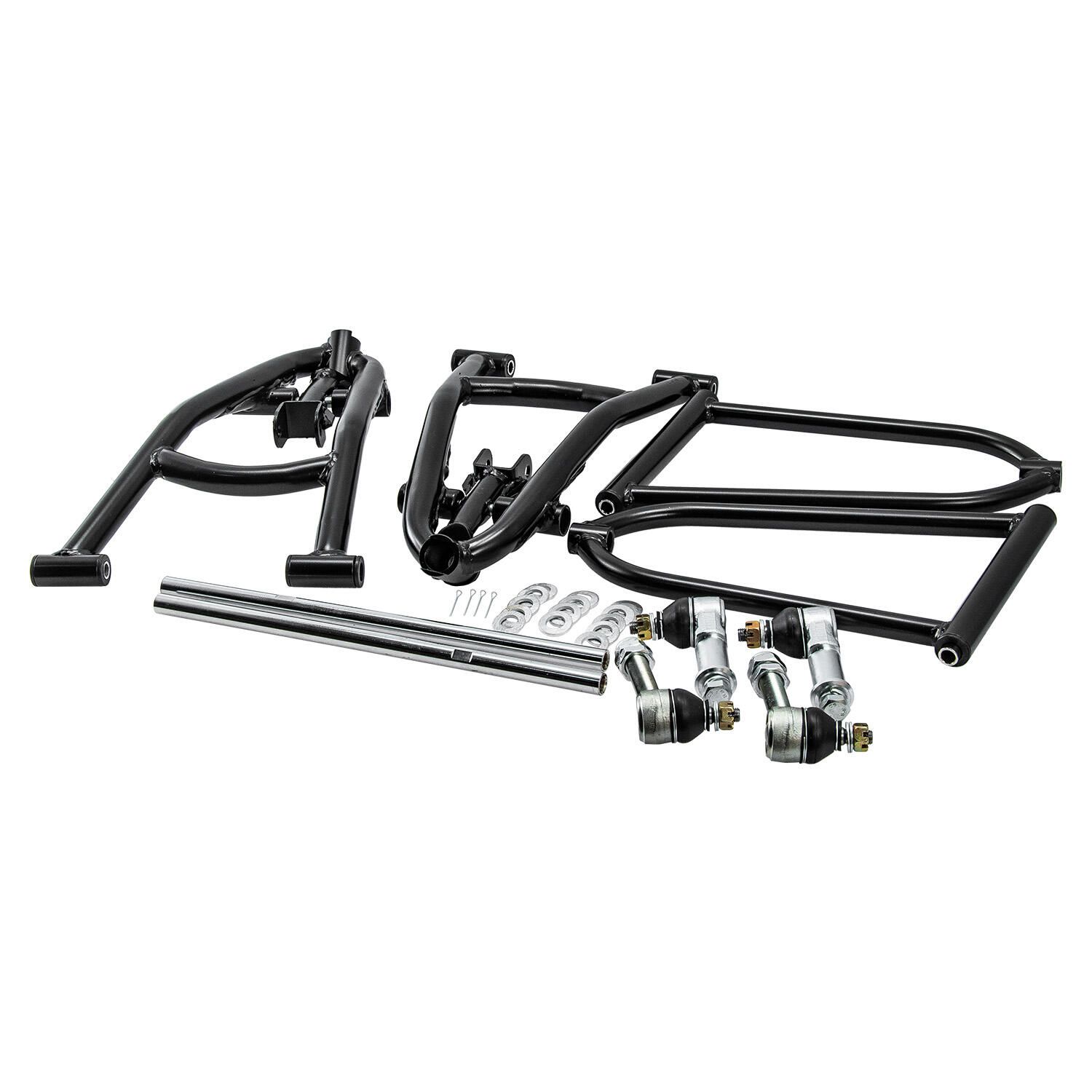
The front suspension arm represents a critical component in modern vehicle chassis systems, serving as the primary link between the wheel assembly and the vehicle frame. This essential mechanical element plays a pivotal role in maintaining proper wheel alignment, absorbing road impacts, and ensuring optimal handling characteristics during vehicle operation. The front suspension arm works in conjunction with other suspension components to create a sophisticated system that balances comfort, safety, and performance. Manufactured from high-strength materials such as forged steel, cast aluminum, or advanced composite alloys, the front suspension arm must withstand substantial forces while maintaining precise geometric relationships. The component typically features multiple mounting points, including bushings and ball joints, which allow controlled movement while isolating vibrations from reaching the passenger compartment. Modern front suspension arm designs incorporate advanced engineering principles to optimize weight distribution, reduce unsprung mass, and enhance overall vehicle dynamics. The front suspension arm functions as a load-bearing structure that supports the vehicle weight while simultaneously allowing vertical wheel movement to accommodate road irregularities. During cornering maneuvers, the front suspension arm helps maintain tire contact with the road surface, ensuring predictable steering response and maximum grip. The component also plays a crucial role in maintaining proper camber, caster, and toe angles, which directly influence tire wear patterns and handling characteristics. In contemporary automotive applications, the front suspension arm has evolved to meet increasingly demanding performance requirements, incorporating features such as integrated mounting points for stabilizer bars, optimized geometry for improved kinematics, and enhanced durability to withstand harsh operating conditions. The front suspension arm finds applications across diverse vehicle categories, from compact passenger cars to heavy-duty trucks, with each application requiring specific design considerations to match intended use cases and performance expectations.