Precision Ball Joint Integration for Optimal Performance
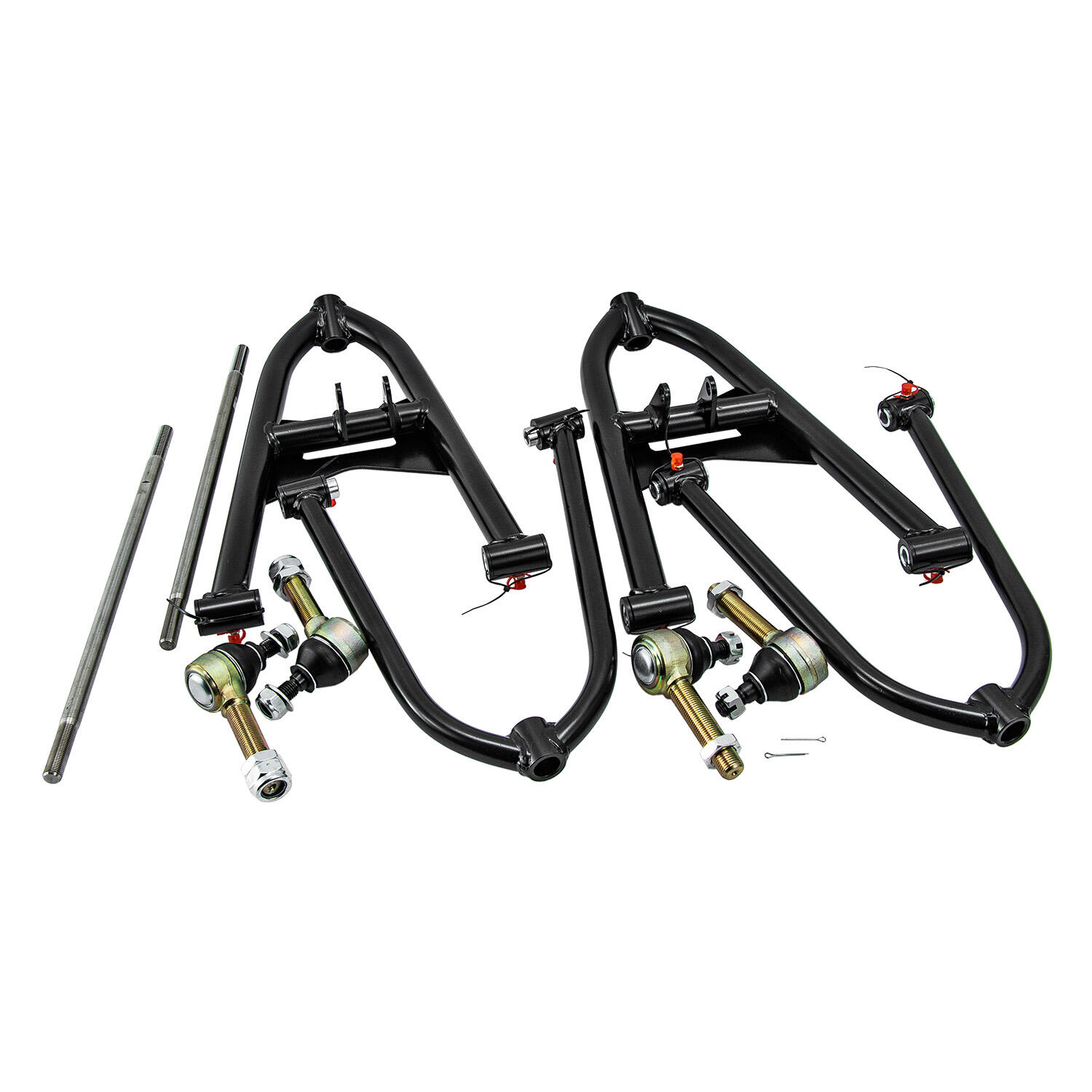
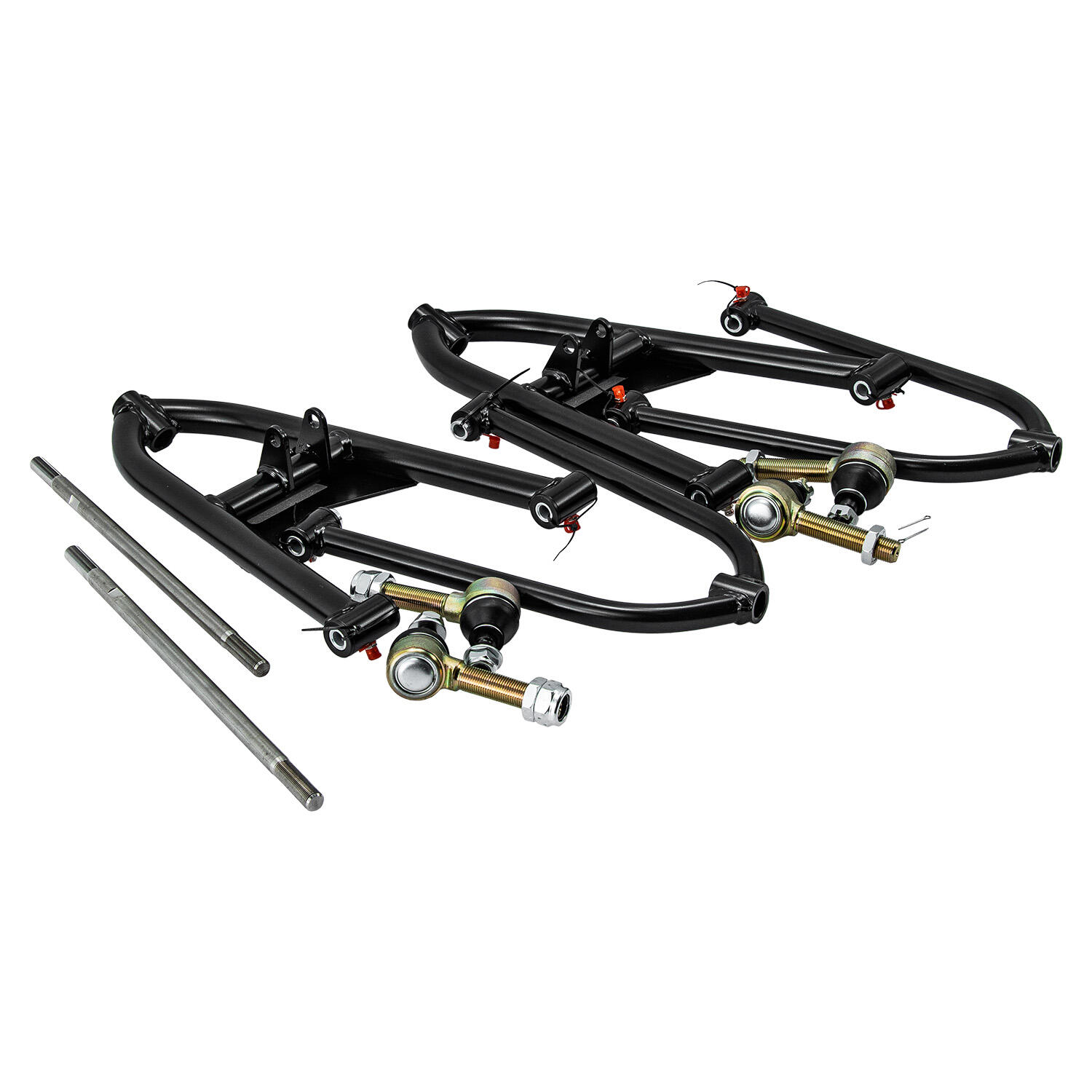
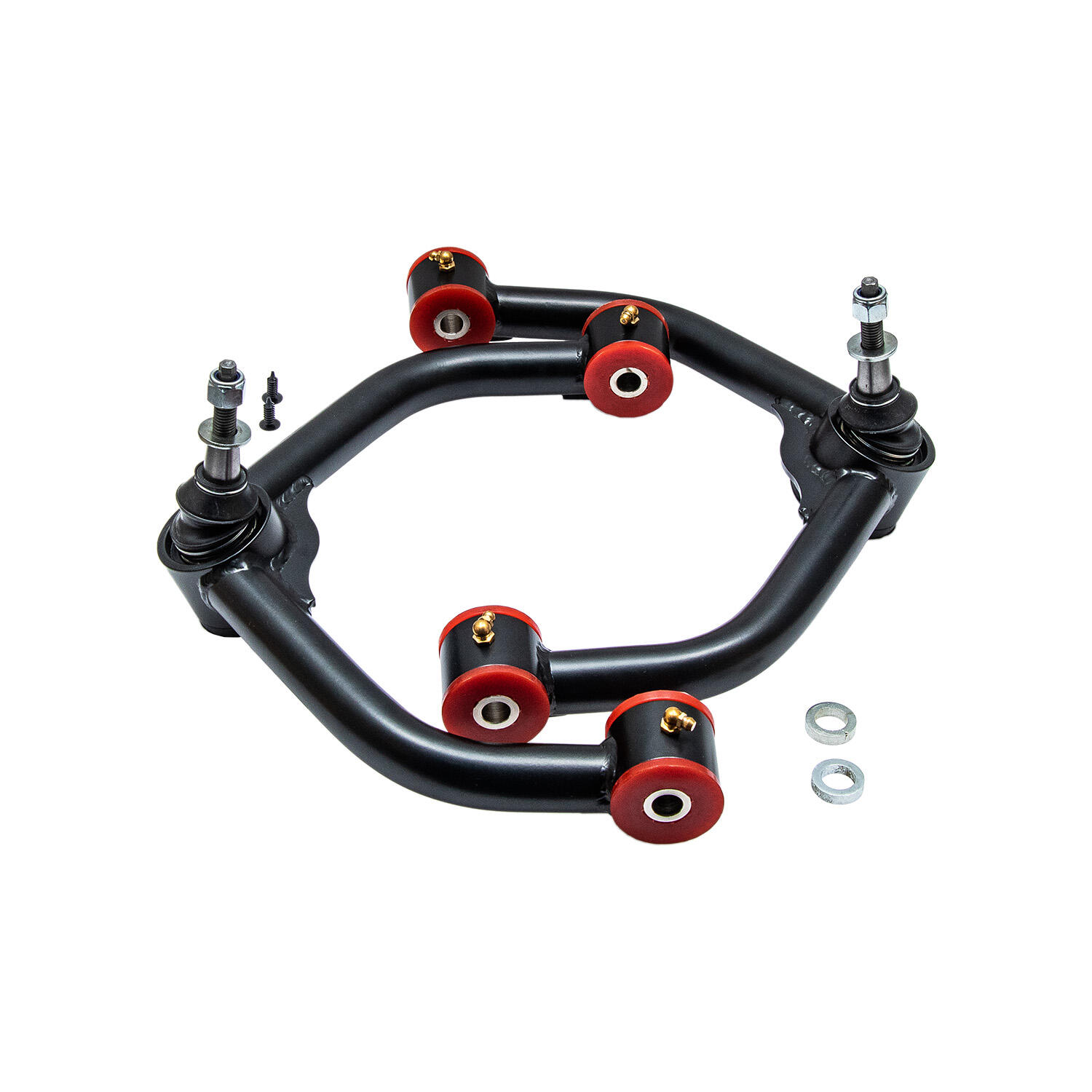
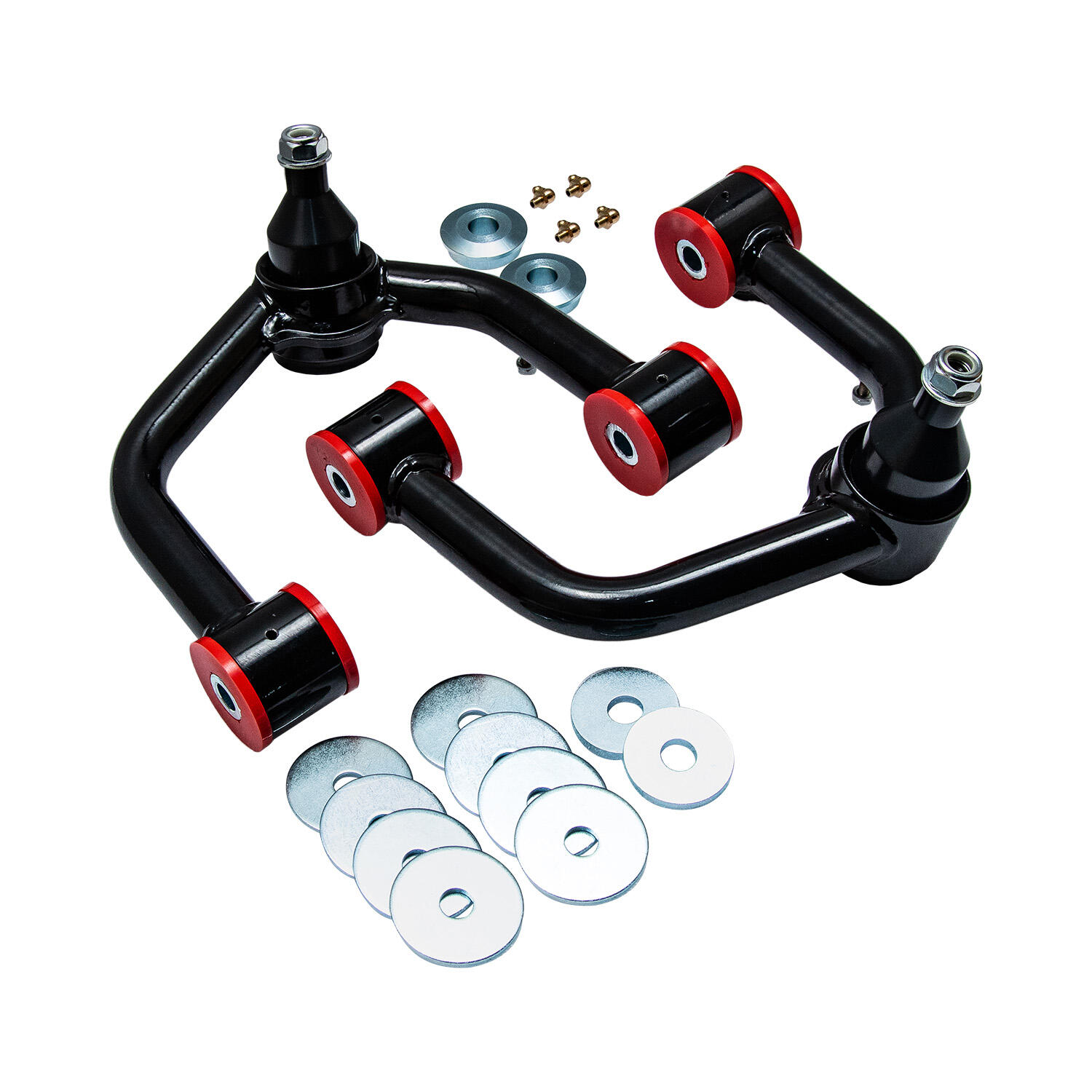
The ball joint connection point on the left lower control arm represents one of the most critical interfaces in the entire suspension system, enabling steering articulation while supporting substantial vertical loads. Quality control arms feature ball joint designs that incorporate hardened steel bearing surfaces with precision-ground finishes that minimize friction and wear. The bearing geometry allows smooth rotation through the full range of steering angles while maintaining zero free play that would compromise handling precision. Advanced sealing systems protect the internal bearing surfaces from contamination by dirt, water, and road debris that accelerate wear. Multi-lip seals create redundant barriers that prevent intrusion even under pressure washing or deep water crossings. The seal materials resist degradation from temperature cycling and exposure to automotive fluids, maintaining their sealing effectiveness throughout the component's service life. Internal lubrication systems ensure the bearing surfaces receive consistent protection against friction and corrosion. Premium ball joints utilize specialized greases formulated to remain stable across extreme temperature ranges while providing superior boundary lubrication. Some designs incorporate grease fittings that allow periodic relubrication to extend service life beyond standard sealed units. The ball stud features a tapered shank that mates precisely with the steering knuckle, creating a secure mechanical connection that resists separation under load. The taper angle and surface finish undergo strict quality control to ensure proper retention force when installed to specification. This attention to detail prevents the dangerous condition where a ball joint separates from the knuckle during operation. The housing that contains the ball joint bearing integrates seamlessly with the left lower control arm structure, creating a unified assembly that distributes loads efficiently. Reinforced walls around the ball joint prevent distortion under the substantial forces encountered during aggressive driving or rough road conditions. The manufacturing process ensures concentricity between the ball joint axis and the control arm mounting points, maintaining proper suspension geometry. Quality control arms undergo dimensional verification to confirm all critical measurements fall within tight tolerances. This precision manufacturing guarantees that installing the left lower control arm restores factory-specified alignment angles without requiring excessive adjustment during installation. The result is a suspension component that delivers predictable, safe handling characteristics that meet or exceed original equipment performance standards.