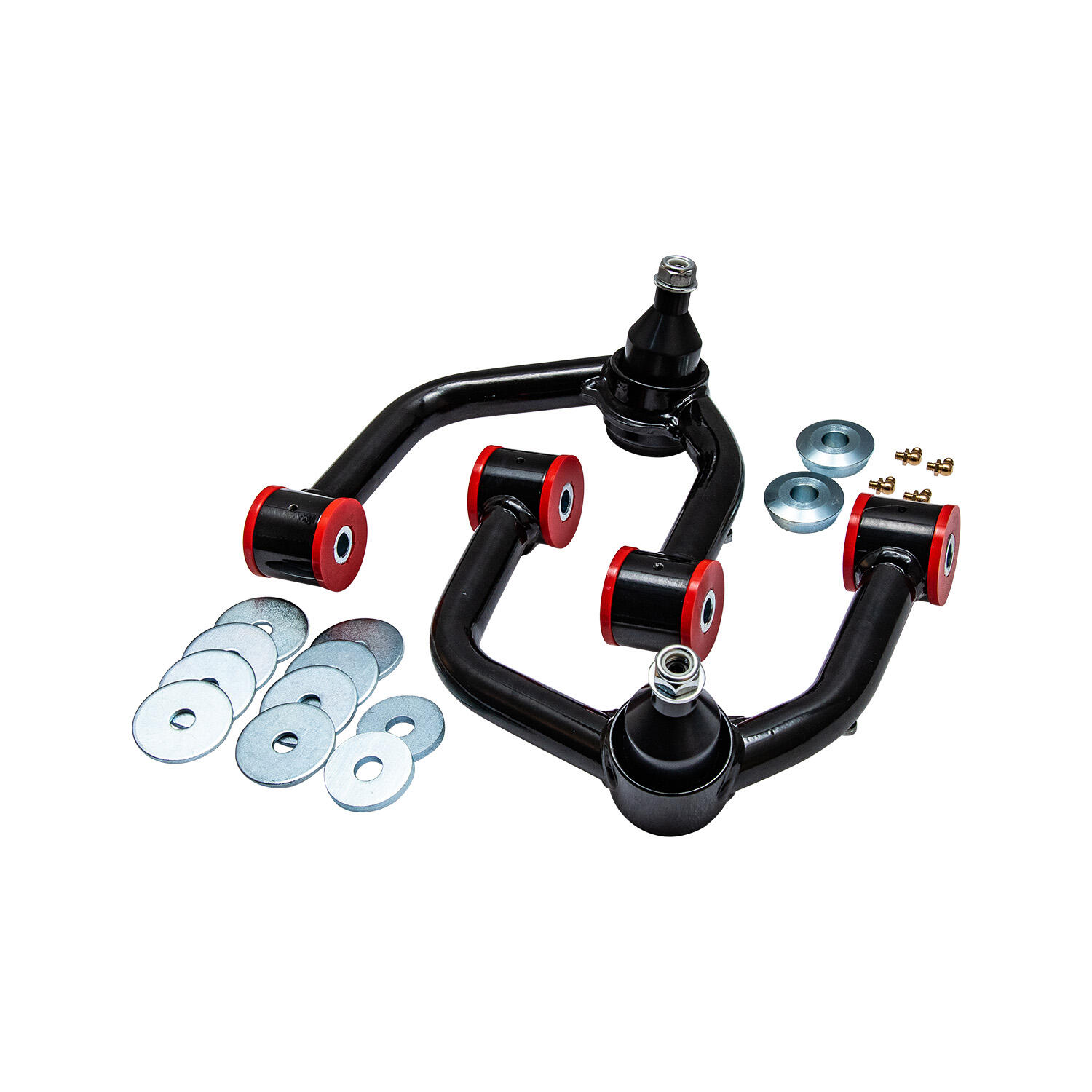
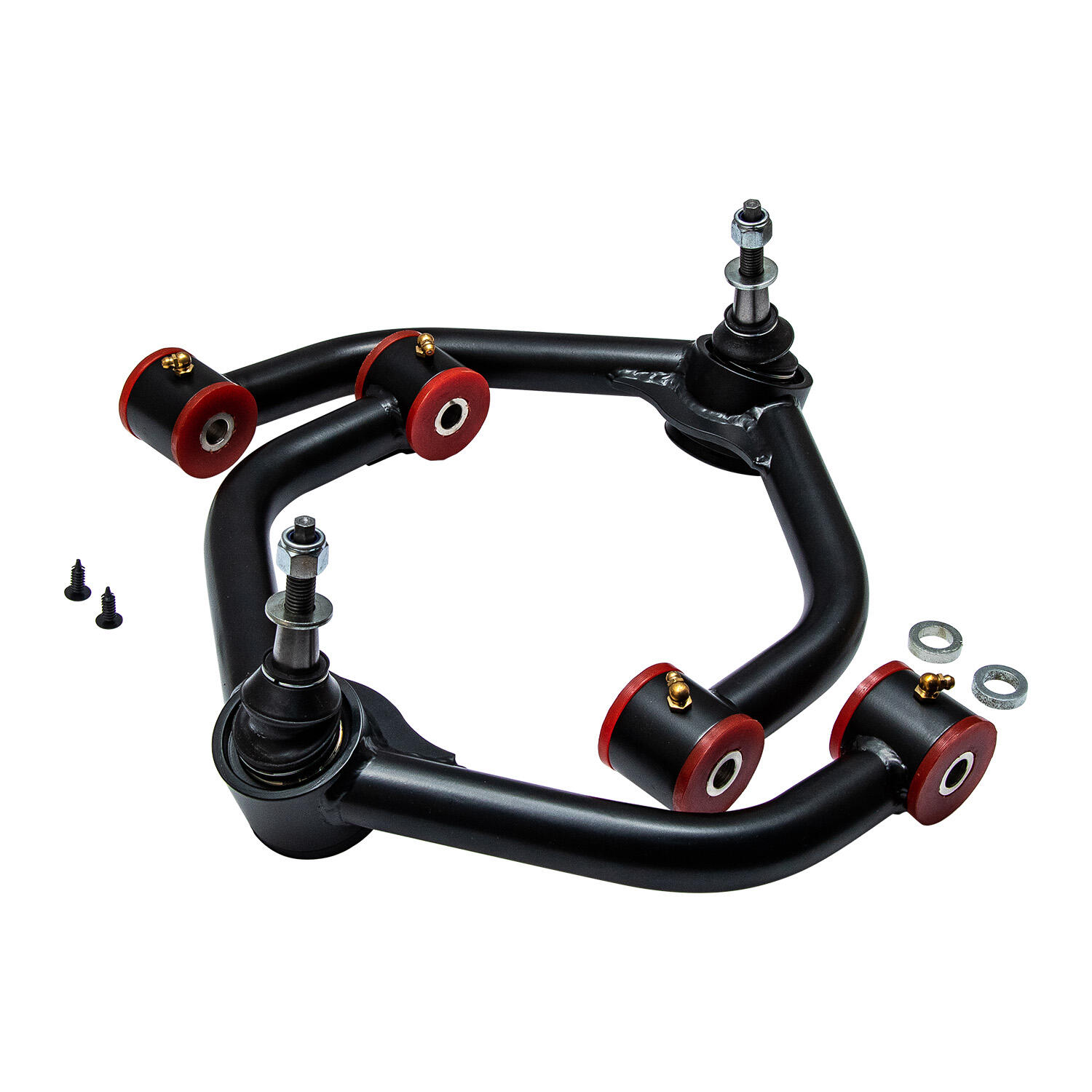
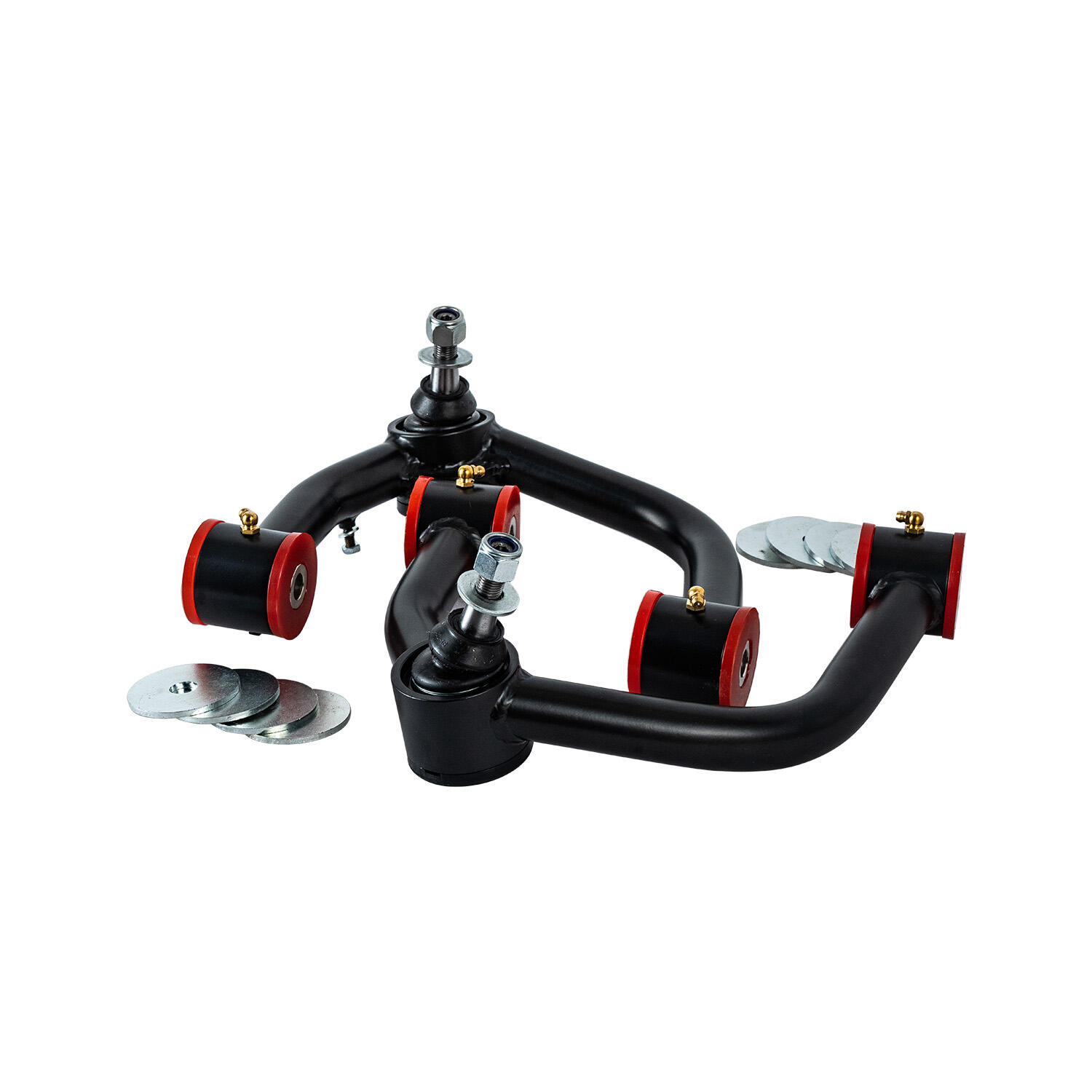
lower suspension control arm
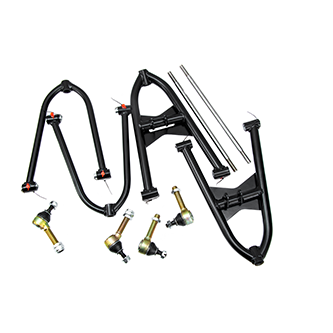
The lower suspension control arm serves as a fundamental component in modern vehicle suspension systems, connecting the wheel hub assembly to the vehicle's chassis frame. This critical structural element plays an indispensable role in maintaining proper wheel alignment, absorbing road impacts, and ensuring stable vehicle handling across various driving conditions. Engineered from high-strength materials such as forged steel or aluminum alloys, the lower suspension control arm withstands substantial forces during acceleration, braking, and cornering maneuvers. Its primary functions include supporting the vehicle's weight, controlling wheel movement within predetermined parameters, and transmitting steering inputs from the driver to the road surface. The component features precisely engineered mounting points that accommodate bushings and ball joints, allowing controlled articulation while minimizing unwanted movement. Modern designs incorporate advanced metallurgy and computer-aided engineering to optimize strength-to-weight ratios, resulting in components that deliver exceptional durability without adding unnecessary mass to the vehicle. The lower suspension control arm works in conjunction with upper control arms, struts, springs, and shock absorbers to create a comprehensive suspension system that balances comfort, handling precision, and safety. Applications span across passenger vehicles, light trucks, SUVs, and performance automobiles, with each design tailored to specific load requirements and handling characteristics. The component's geometry directly influences critical suspension parameters including camber angle, caster angle, and scrub radius, all of which affect tire wear patterns, steering response, and overall vehicle dynamics. Regular inspection and timely replacement of worn lower suspension control arms remain essential for maintaining vehicle safety and performance standards, as degraded components can compromise steering precision, increase tire wear, and negatively impact braking effectiveness.