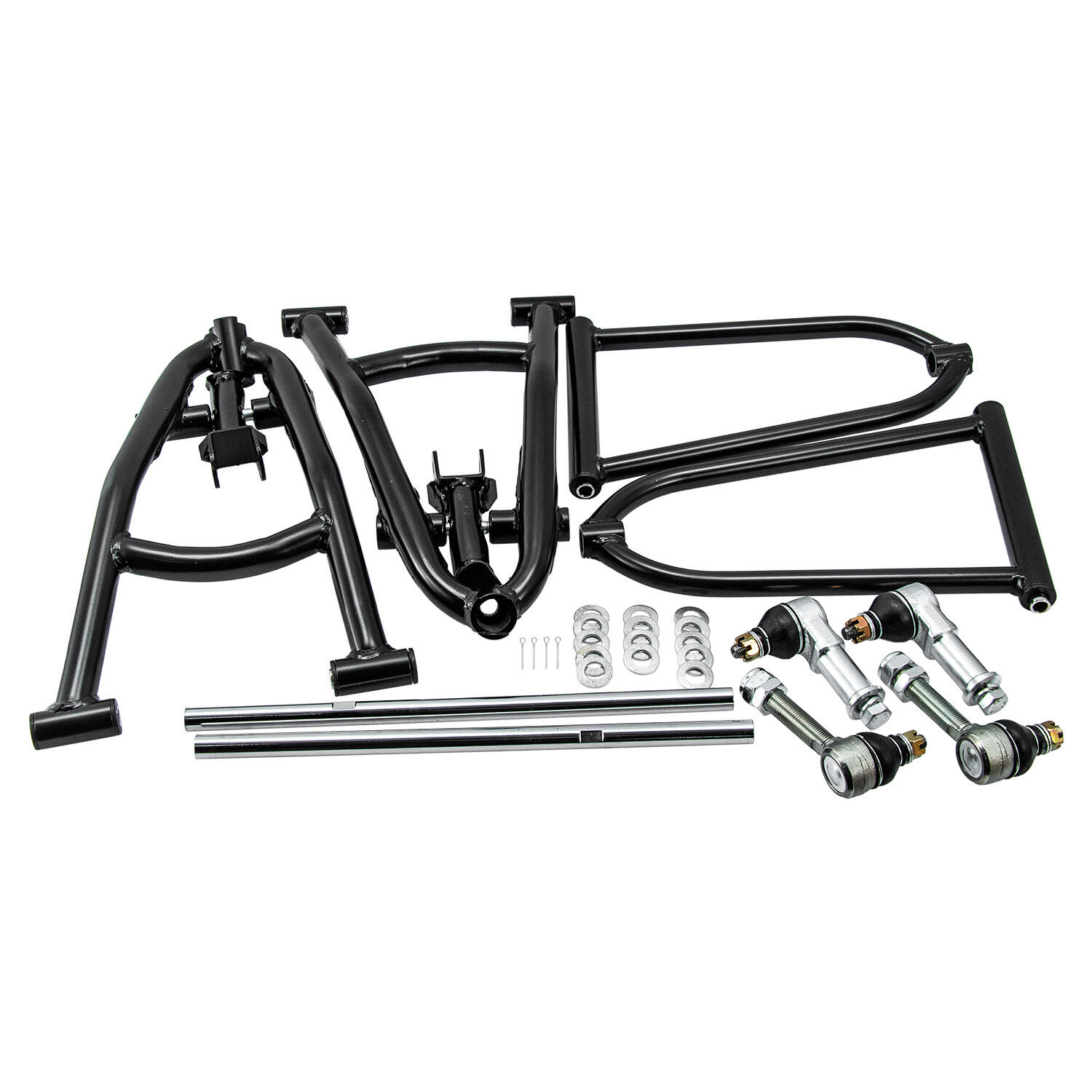
Long-Term Durability and Cost-Effective Maintenance
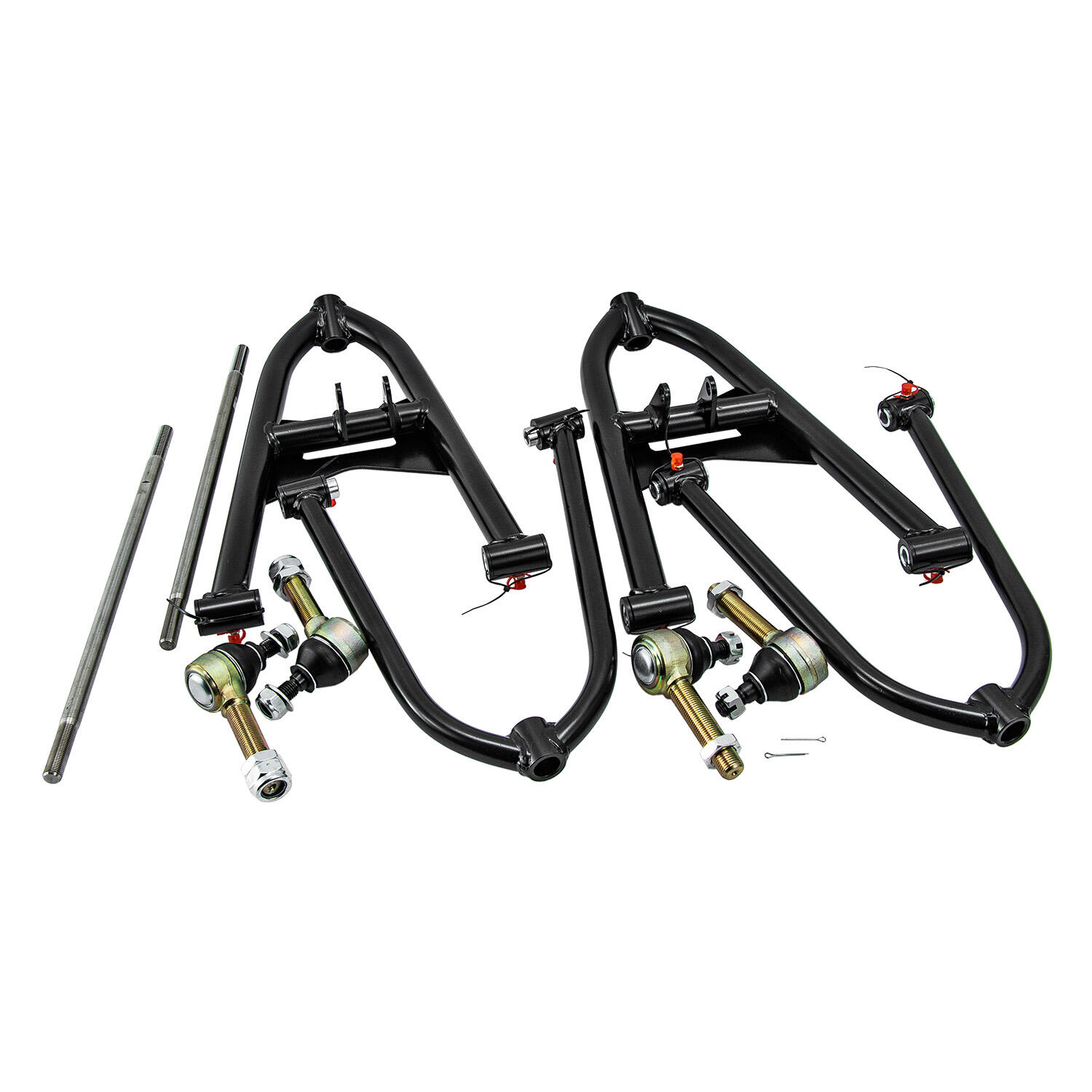
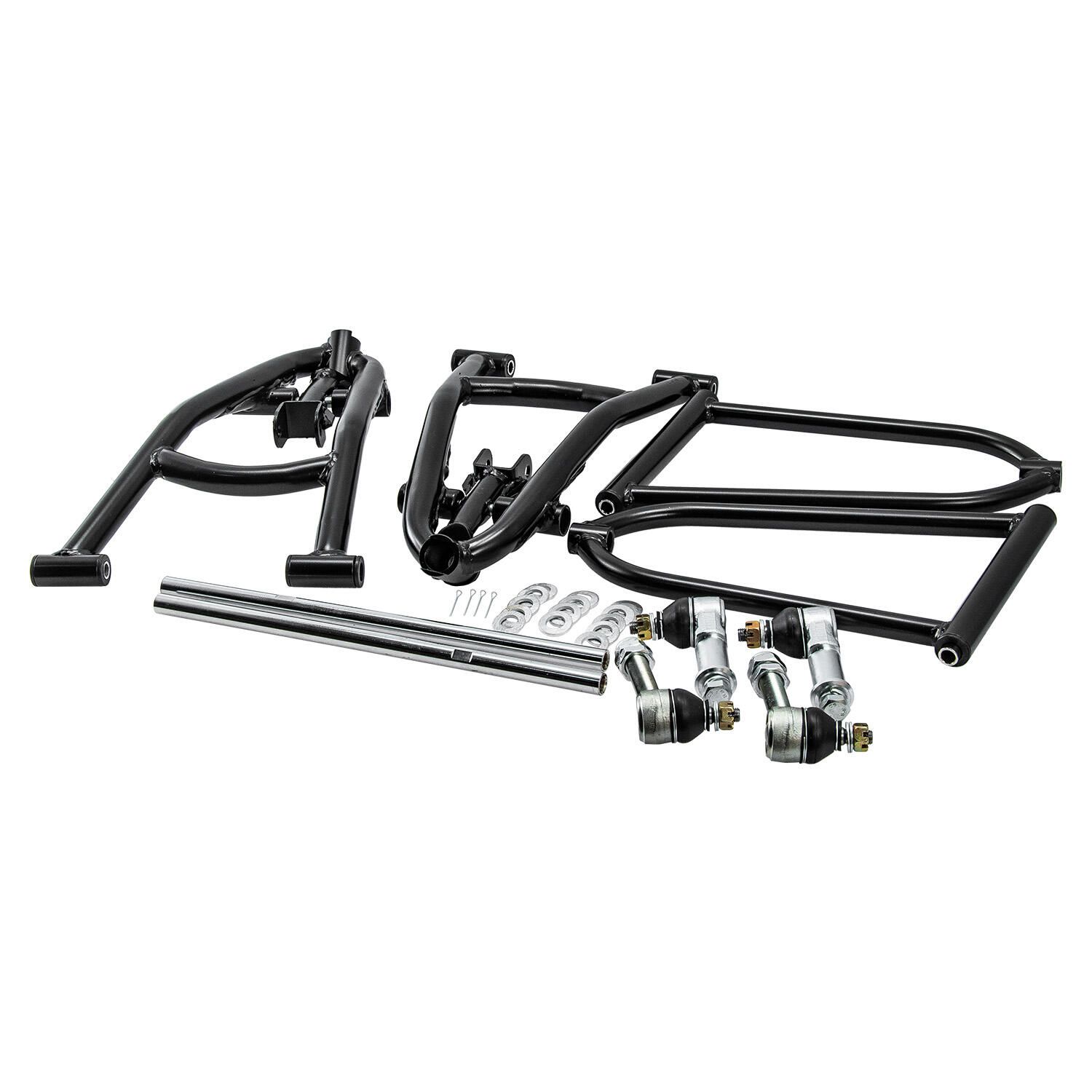
Investing in premium steering control arms delivers exceptional long-term value through extended service life, reduced maintenance requirements, and protection of related suspension components from premature wear. The durability advantage begins with material selection and manufacturing quality that resist the constant stresses, impacts, and environmental challenges these components face throughout their operational life. Every time you drive over a pothole, speed bump, or rough pavement, the steering control arm absorbs significant forces that would otherwise damage more sensitive suspension elements or transmit harsh impacts directly into the vehicle structure. Quality components feature robust construction with adequate material thickness and strategic reinforcement at high-stress areas, preventing the fatigue cracks and structural failures that plague inferior alternatives. The bushings integrated into steering control arms represent critical wear points that determine overall component longevity, and premium units utilize advanced elastomer formulations that maintain their damping properties and structural integrity for substantially longer periods than standard rubber bushings. These superior bushings resist the hardening, cracking, and deterioration that typically occur from exposure to heat, petroleum products, and ozone, maintaining their ability to isolate vibrations and accommodate suspension movement without developing the squeaks, creaks, and clunks that indicate degradation. By maintaining proper suspension geometry and wheel alignment over extended periods, quality steering control arms prevent the accelerated tire wear that occurs when wheels operate at incorrect angles, saving vehicle owners the considerable expense of premature tire replacement. The component's ability to absorb and distribute forces also protects ball joints, tie rod ends, wheel bearings, and other suspension elements from excessive loading that could shorten their service lives, reducing the frequency and cost of suspension repairs. Many premium steering control arms include replaceable ball joints or bushings, allowing targeted maintenance that extends the component's useful life without requiring complete replacement, further enhancing cost-effectiveness. The corrosion resistance provided by advanced surface treatments ensures the steering control arm maintains its structural integrity and appearance even after years of exposure to harsh conditions, preventing the rust-through failures that commonly affect unprotected steel components in salt-belt regions. Comprehensive warranties offered with quality steering control arms provide financial protection and demonstrate manufacturer confidence in product durability, giving vehicle owners peace of mind and recourse in the unlikely event of premature failure.