Enhanced Durability Through Advanced Materials and Coatings
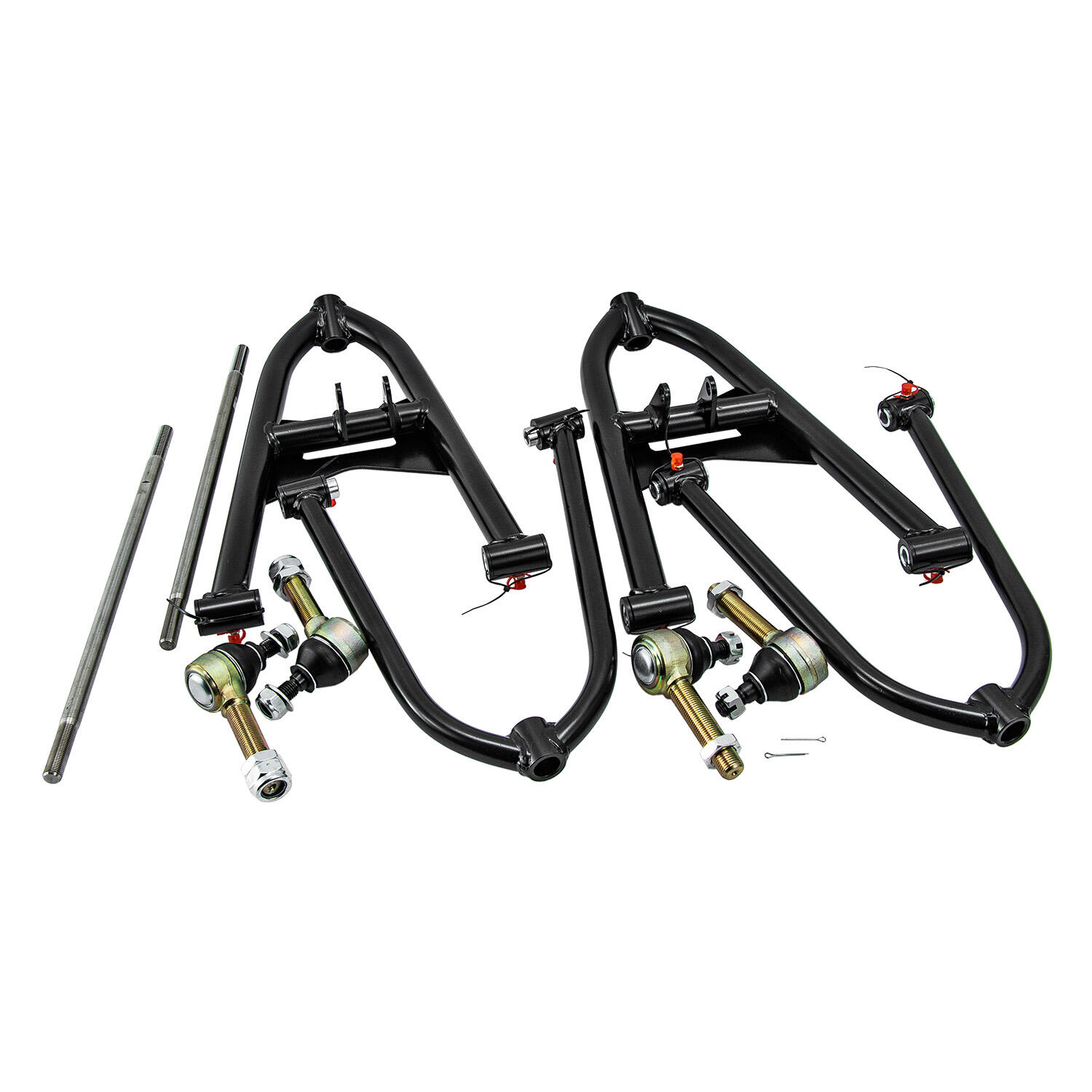
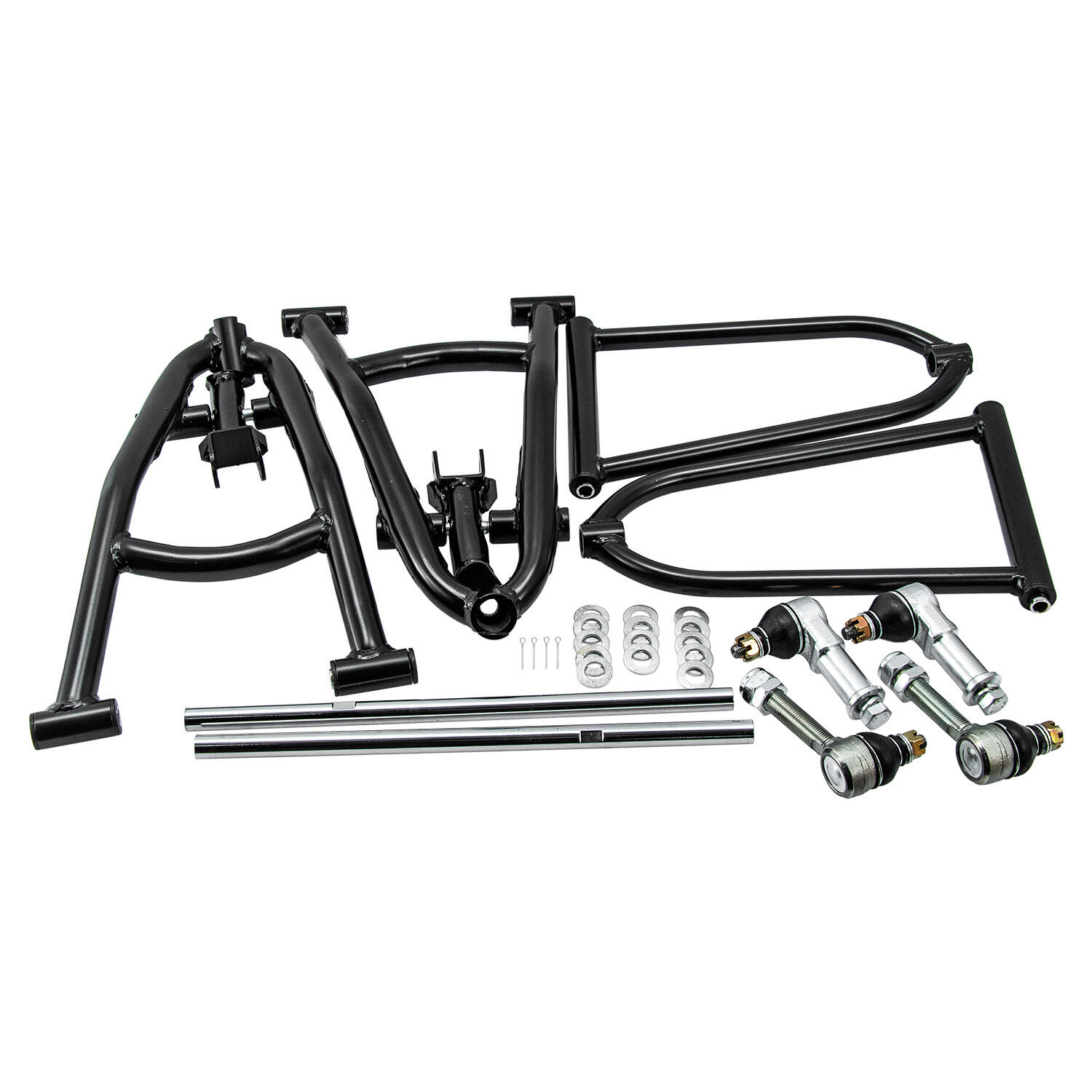
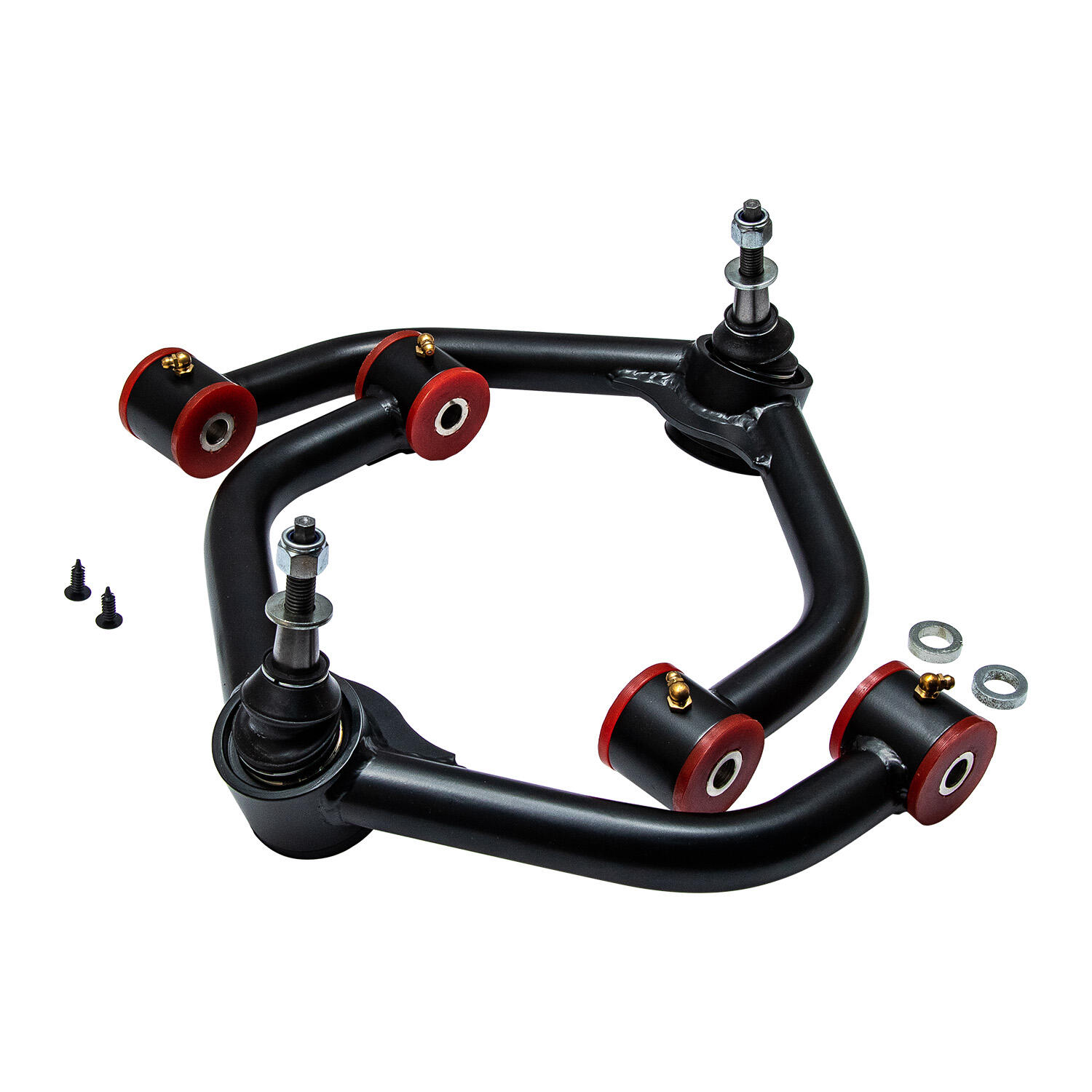
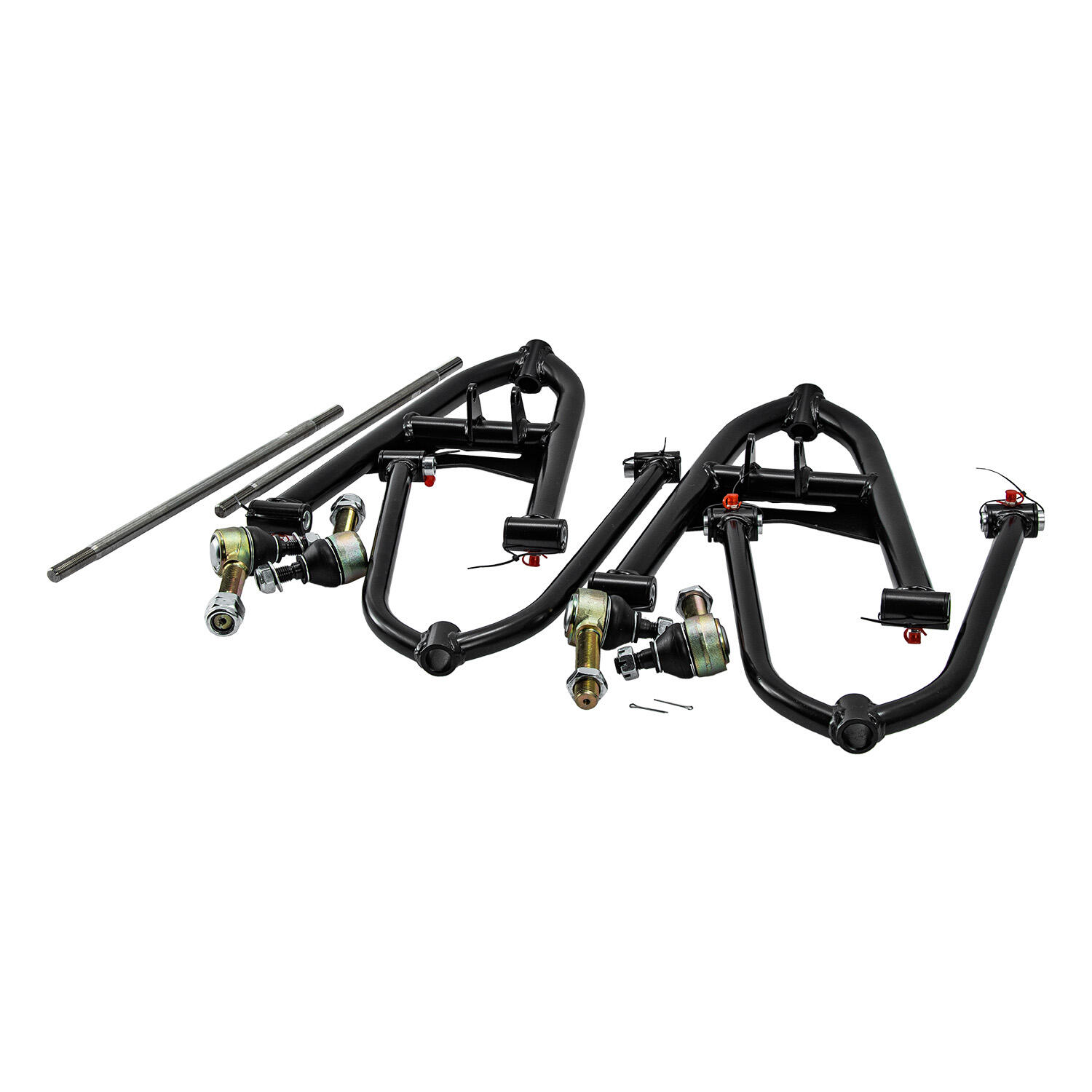
The longevity and reliability of a left control arm depend heavily on material selection and protective coating technologies that shield the component from the harsh operating environment it encounters throughout its service life. Modern left control arms utilize materials specifically chosen for their ability to withstand cyclical loading, impact forces, temperature extremes, and corrosive substances that constantly attack automotive components. High-strength steel alloys offer exceptional durability and cost-effectiveness, with carefully controlled carbon content and alloying elements that provide the necessary combination of strength, toughness, and weldability for manufacturing processes. These steel formulations undergo heat treatment processes that optimize their microstructure, creating a material matrix capable of enduring millions of stress cycles without developing fatigue cracks that could lead to catastrophic failure. Aluminum alloys present an attractive alternative for performance-oriented applications, delivering substantial weight savings that reduce unsprung mass and improve suspension responsiveness while maintaining adequate strength for most passenger vehicle applications. The reduced weight of aluminum left control arms allows suspension components to react more quickly to road surface irregularities, improving ride quality and tire contact consistency over rough pavement. However, aluminum's natural susceptibility to corrosion requires more sophisticated protective measures, leading manufacturers to implement multi-layer coating systems that provide comprehensive environmental protection. These coating systems typically begin with conversion coatings that chemically bond to the aluminum surface, creating a foundation layer that enhances adhesion for subsequent protective layers while providing initial corrosion resistance. Powder coating applications then add a durable, impact-resistant finish that shields the base material from moisture, road salt, and stone impacts that would otherwise compromise component integrity. Some premium left control arms incorporate cathodic protection principles, using sacrificial coating layers that preferentially corrode to protect the underlying structural material, extending service life even when the coating sustains damage from road debris. The bushing materials integrated into left control arms also benefit from advanced polymer chemistry, with modern formulations offering superior resistance to ozone degradation, petroleum product exposure, and temperature cycling that historically caused premature bushing failure. These enhanced bushing compounds maintain their elastic properties across a wider temperature range, ensuring consistent performance whether operating in sub-zero winter conditions or summer heat that can exceed 150 degrees Fahrenheit in wheel well environments. The combination of optimized base materials and advanced protective systems creates left control arms capable of delivering reliable service for 100,000 miles or more under normal operating conditions, reducing replacement frequency and lowering total cost of ownership for vehicle operators who prioritize quality components.