Odolnost a odolnost proti korozi
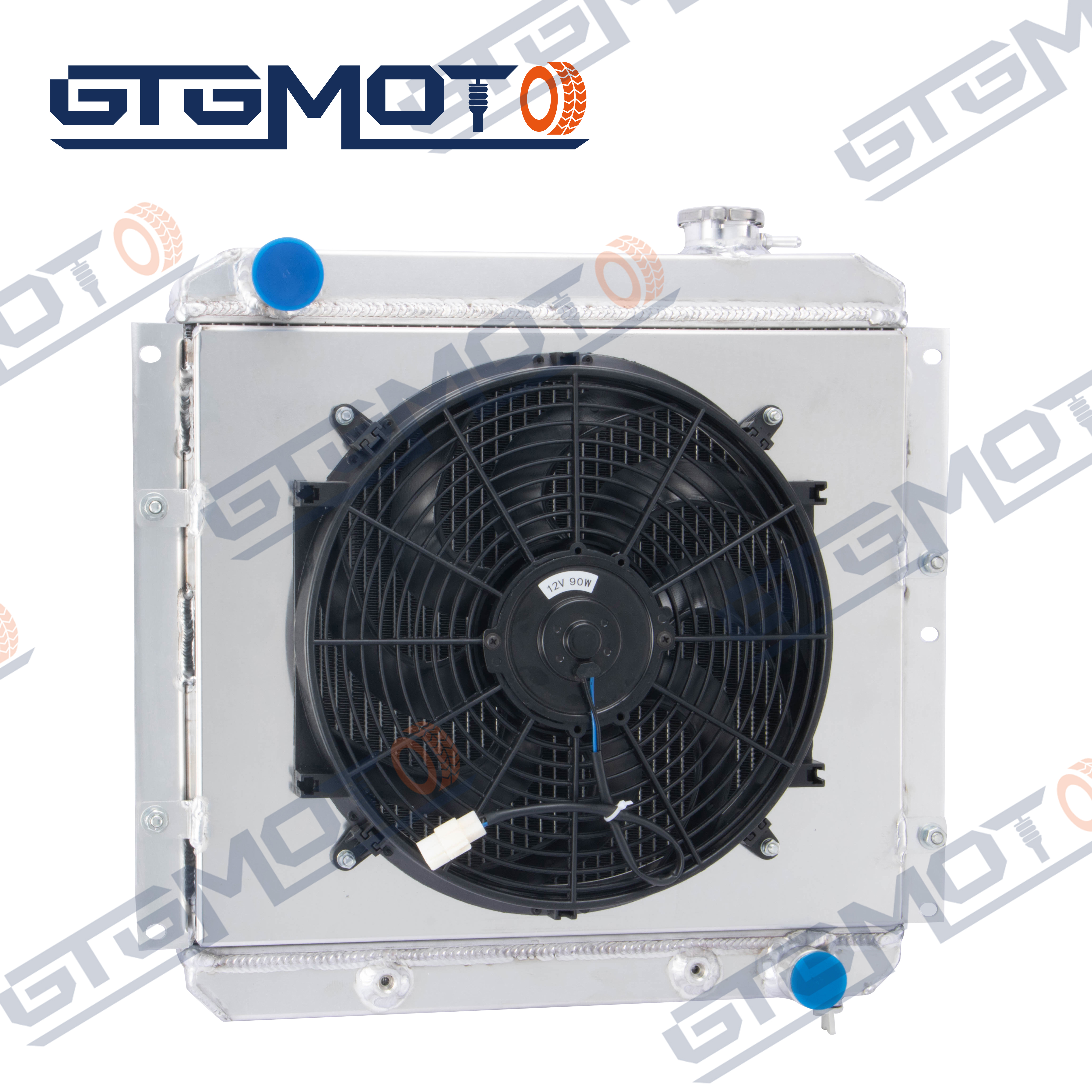
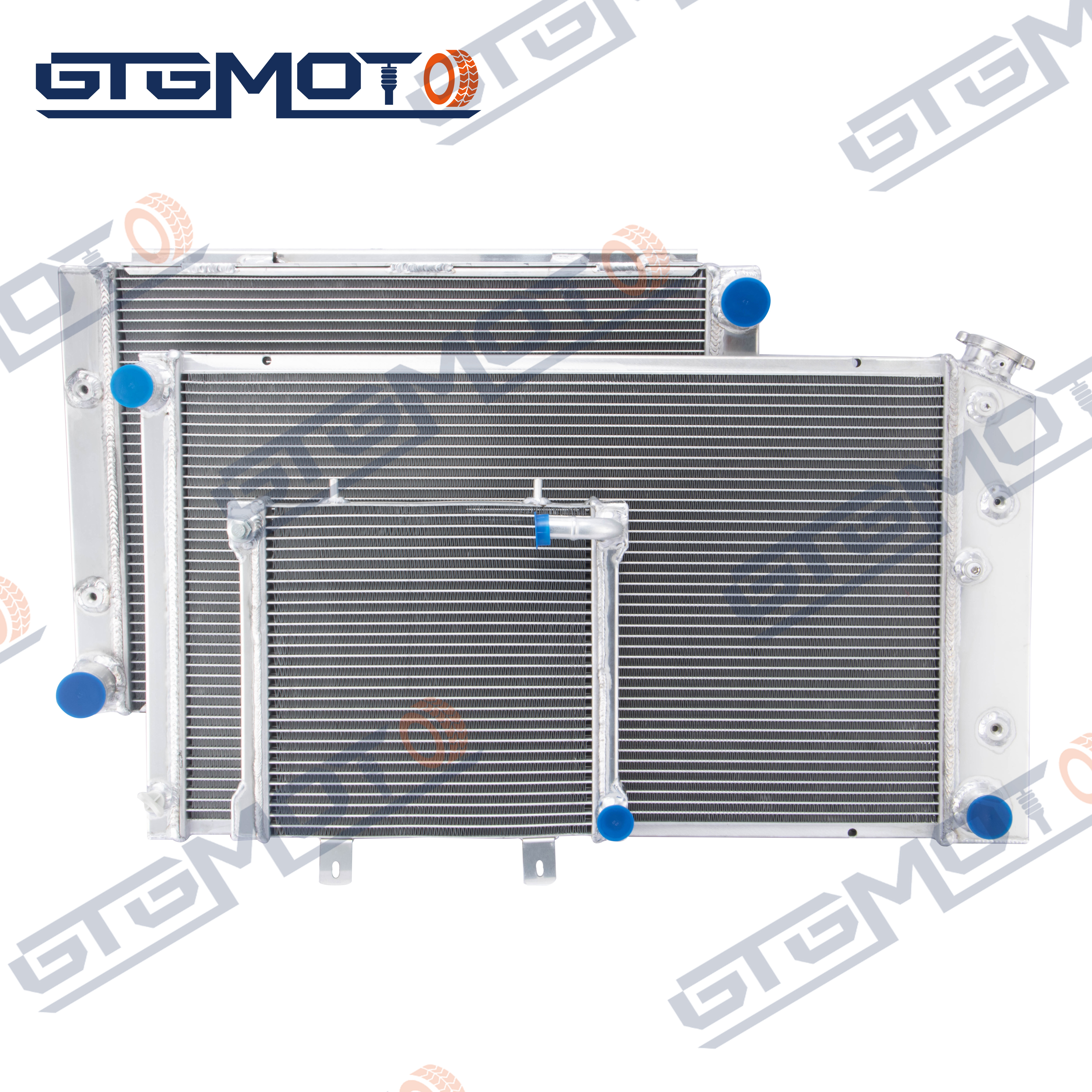
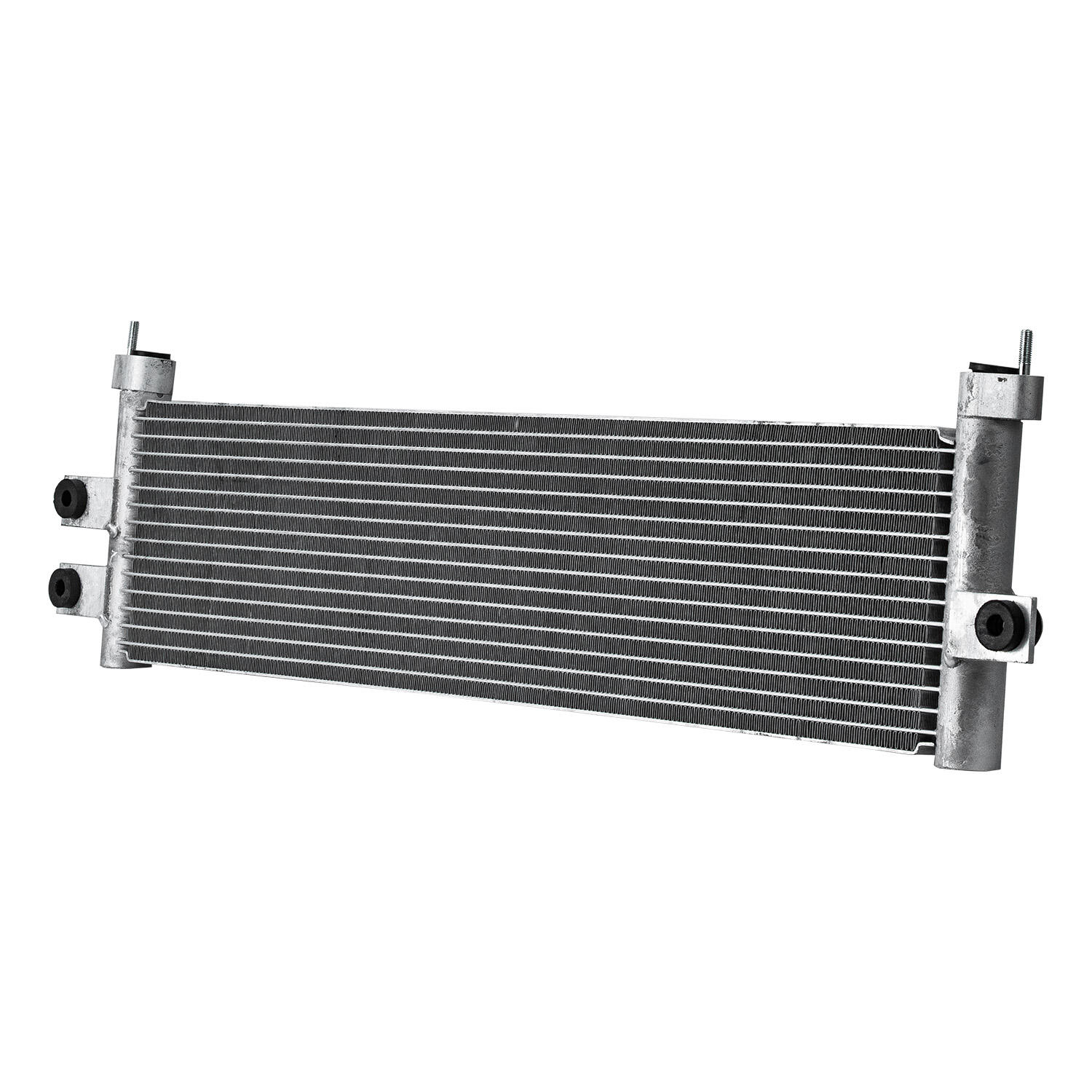
Trvanlivost a odolnost chladiče pro motor vůči korozi přímo určují jeho životnost a spolehlivost za náročných provozních podmínek. Výrobci navrhují chladič pro motor s využitím materiálů a konstrukčních metod, které jsou speciálně vybrány tak, aby odolaly náročnému prostředí motorových prostor. Chladič pro motor je neustále vystaven vysokým teplotám, tlakovým kolísáním, vibracím, silniční soli, vlhkosti a chemickým kontaminantům z přísad do chladicí kapaliny. Aby bylo možné těmto výzvám čelit, moderní chladiče pro motor obsahují několik ochranných prvků. Hliníková konstrukce, která je běžná u současných chladičů pro motor, nabízí přirozenou odolnost vůči korozi díky vzniku ochranné oxidové vrstvy na vystavených površích. Tato oxidová vrstva působí jako bariéra proti dalšímu oxidačnímu a chemickému útoku. Mnoho výrobců chladičů pro motor aplikuje na vnější povrchy dodatečné ochranné povlaky, například epoxidové nebo práškové nátěry, za účelem zvýšení trvanlivosti. Tyto povlaky chrání chladič pro motor před silničním špiněním, postřikem solí a environmentálními kontaminanty, které by jinak mohly způsobit předčasné poškození. Vnitřní kanály chladiče pro motor vyžadují zvláštní pozornost, protože jsou neustále v kontaktu s chladicí kapalinou. Kvalitní chladiče pro motor mají hladké, čisté vnitřní povrchy bez výrobního odpadu, který by mohl sloužit jako místo vzniku koroze. Samotná chladicí kapalina obsahuje inhibitory koroze, které chrání chladič pro motor před chemickým útokem, avšak kvalita základního materiálu zůstává rozhodující. Chladiče pro motor z mědi a mosazi nabízejí výjimečnou odolnost vůči korozi při určitých složeních chladicí kapaliny a jsou zvláště ceněny v námořních aplikacích, kde je trvanlivost rozhodující. Způsoby spojování používané při montáži chladiče pro motor výrazně ovlivňují jeho dlouhodobou spolehlivost. Pájená hliníková konstrukce chladiče pro motor vytváří pevné, netěsnící spoje mezi trubkami, lamelami a nádržemi, které odolávají tepelným cyklům a vibracím. Horní nádrže chladiče pro motor, ať už plastové nebo kovové, jsou navrženy tak, aby se mírně prohýbaly při změnách tlaku, aniž by praskly nebo se oddělily od jádra. Plastové nádrže u moderních chladičů pro motor využívají vyztuženého nylonu nebo kompozitních materiálů, které odolávají degradaci způsobené teplem a expozicí chladicí kapalině. Upevnění chladiče pro motor do vozidla také přispívá k jeho trvanlivosti tím, že jednotku izoluje od nadměrných vibrací přenášených rámem vozidla. Gumové izolátory nebo tlumené upevňovací konzoly umožňují chladiči pro motor mírně se pohybovat a tak zabránit vzniku míst koncentrace napětí, která by mohla vést k prasklinám nebo netěsnostem. Kontrola kvality během výroby chladiče pro motor zahrnuje tlakové zkoušky, které ověřují celistvost jednotky a zajišťují, že každý chladič dokáže bez poruchy vydržet provozní tlaky. Očekávaná životnost dobře udržovaného chladiče pro motor se obvykle pohybuje mezi deseti a patnácti lety nebo více, v závislosti na provozních podmínkách a úrovni údržby. Tato dlouhá životnost činí chladič pro motor cenově výhodnou součástí, která poskytuje spolehlivý výkon po celou dobu provozu vozidla.