mini intercooler
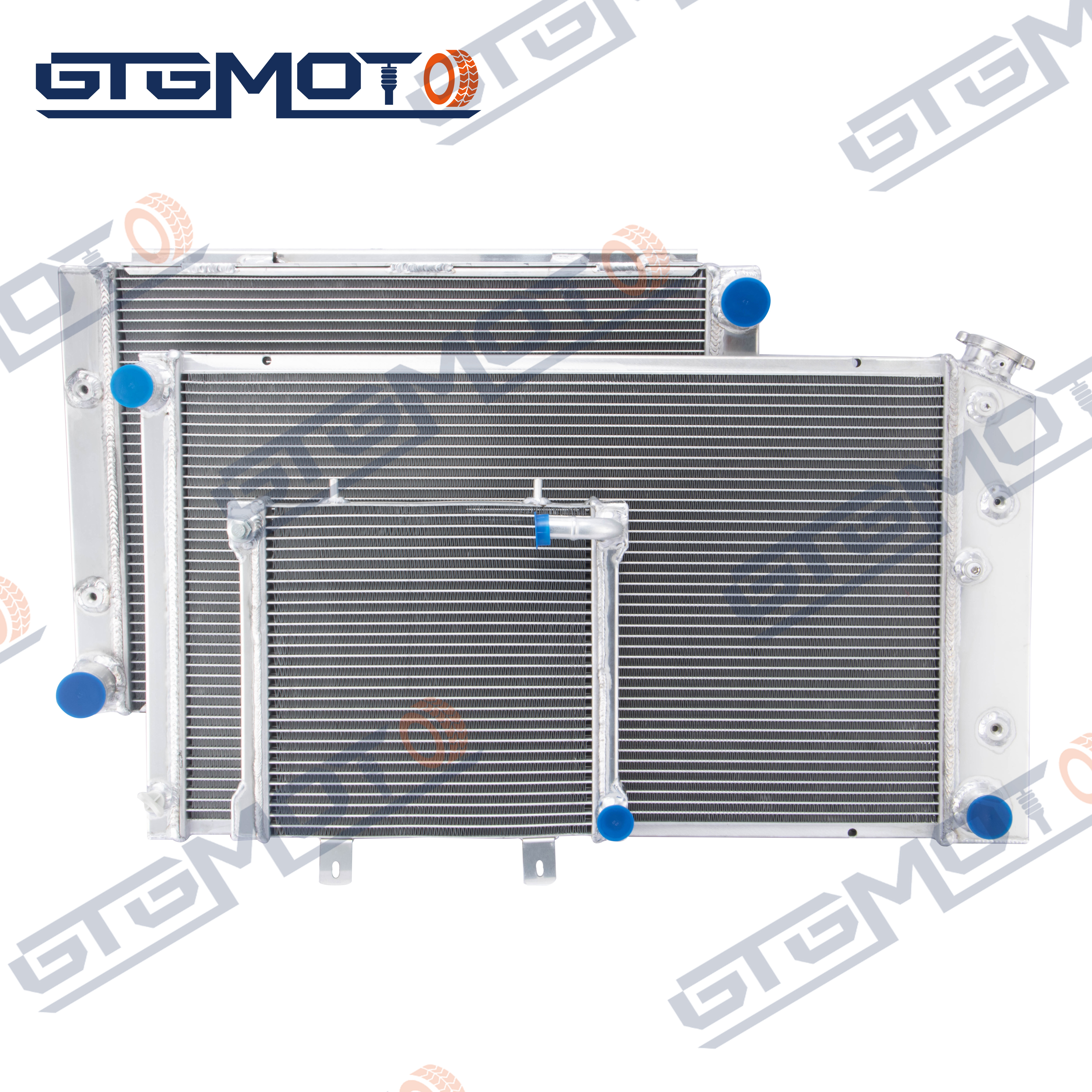
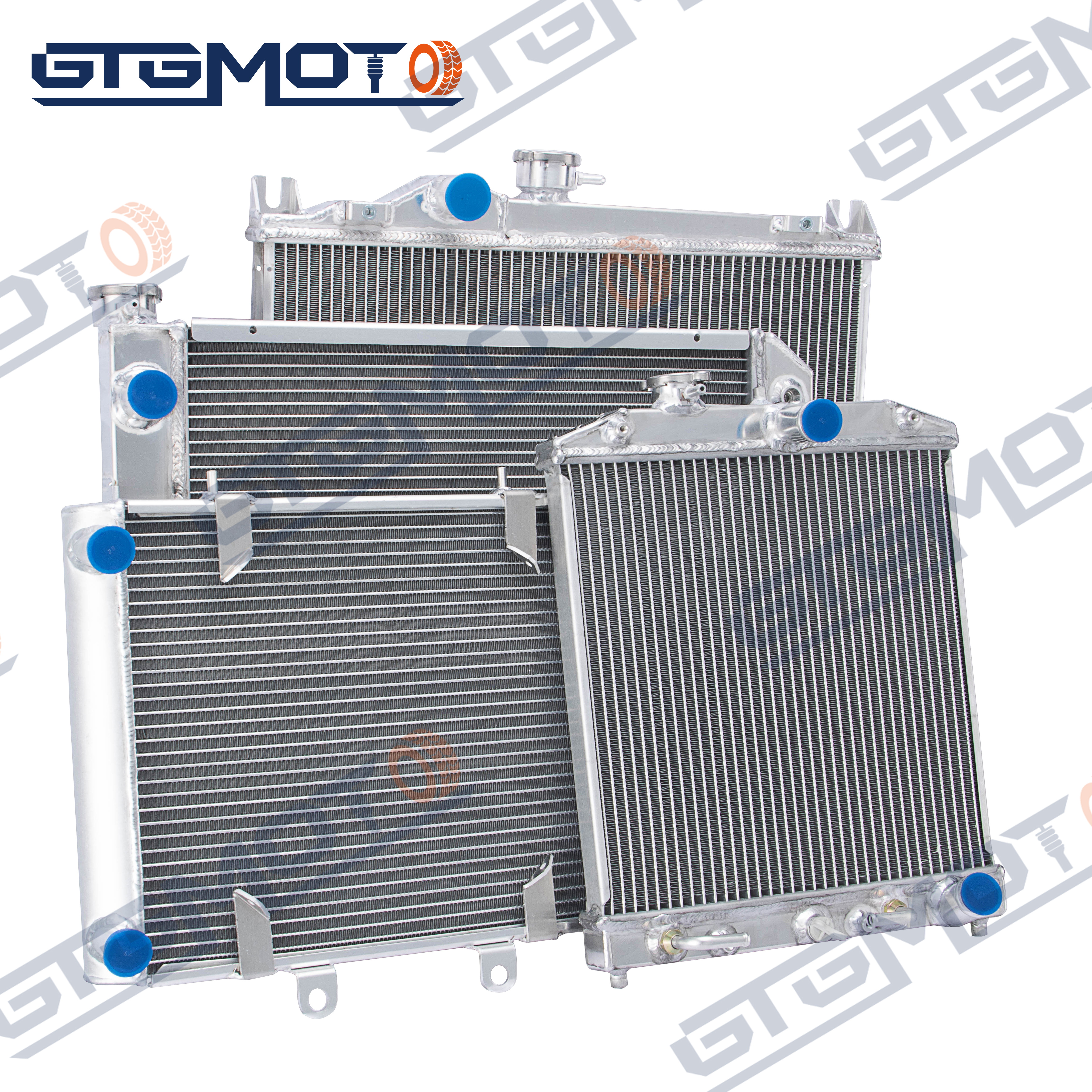
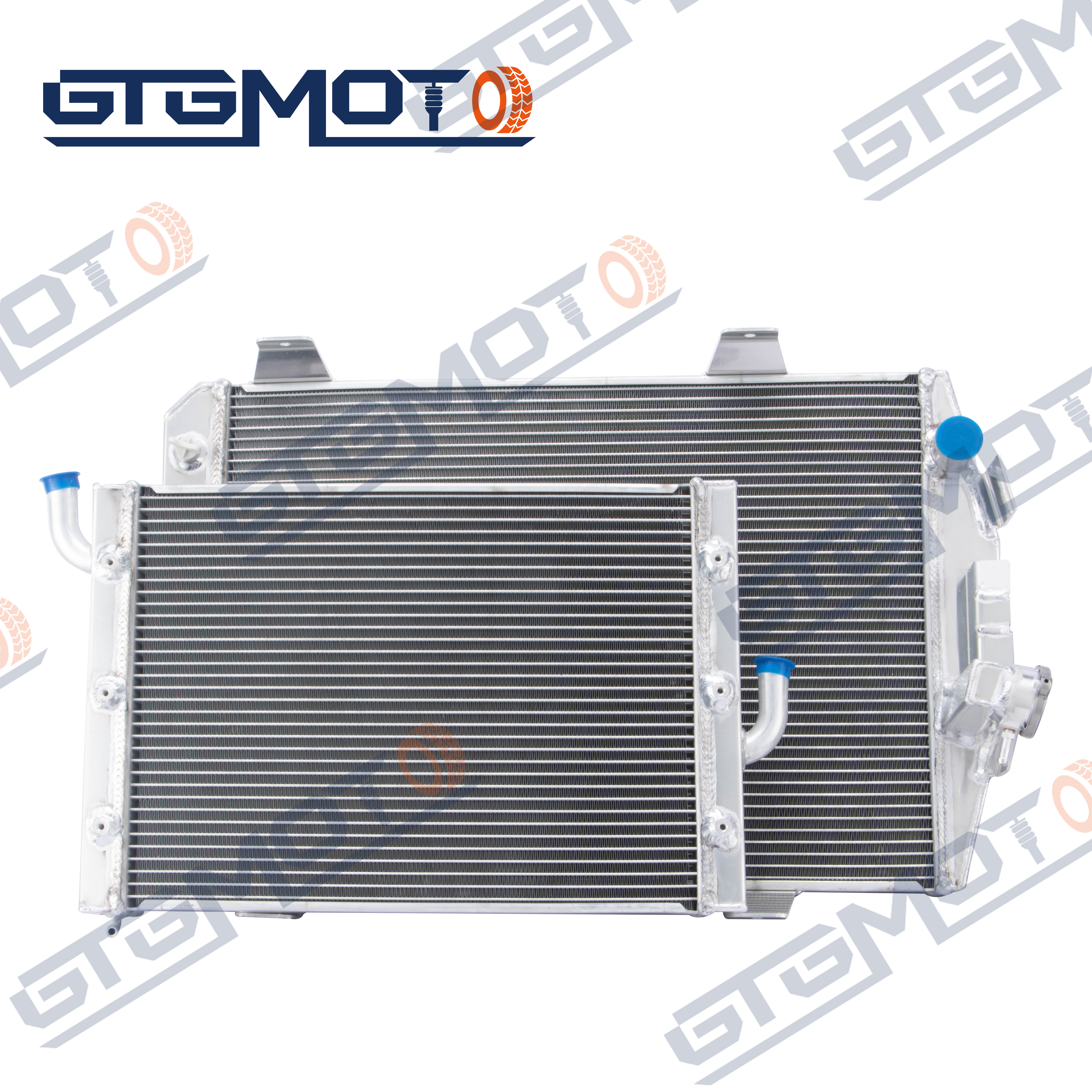
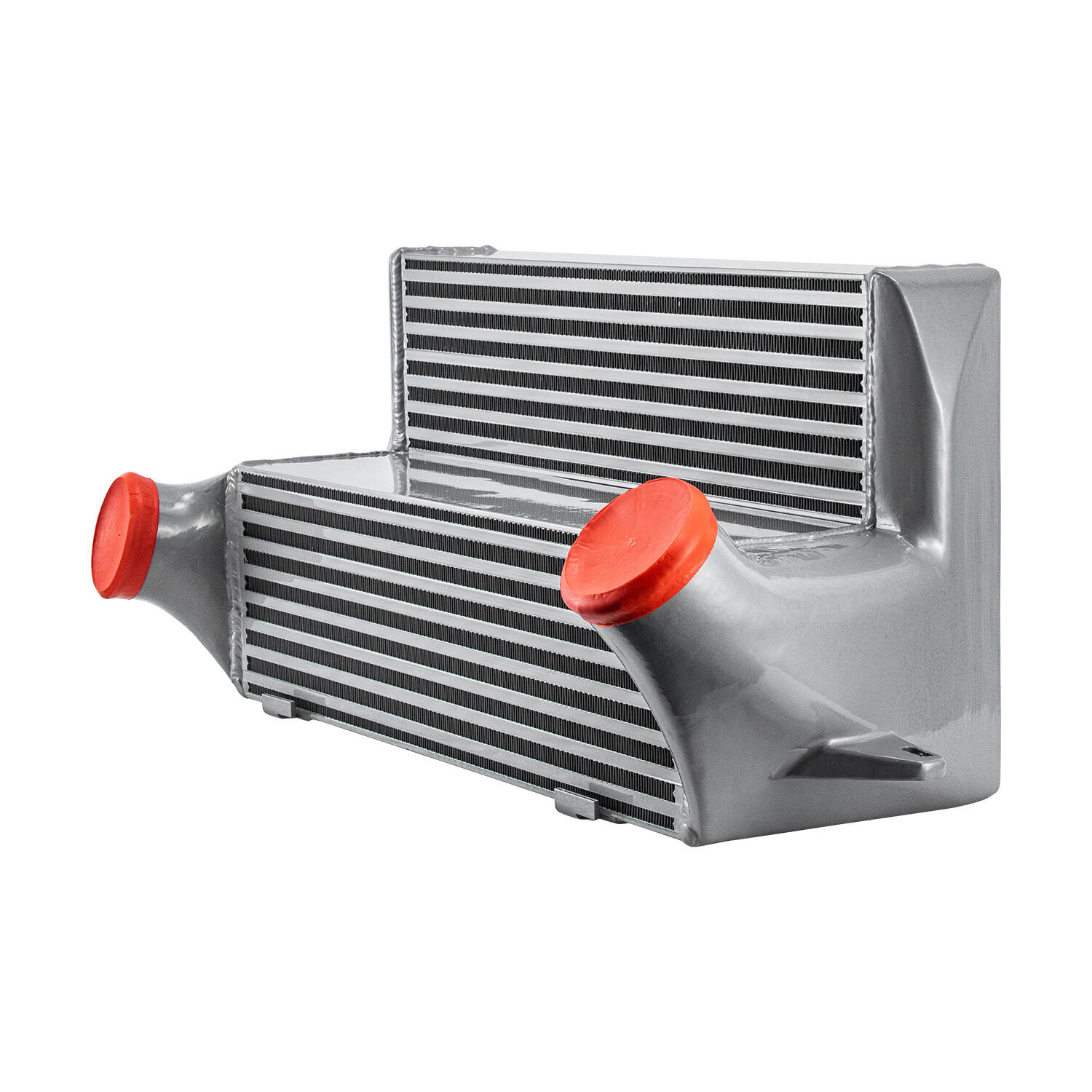
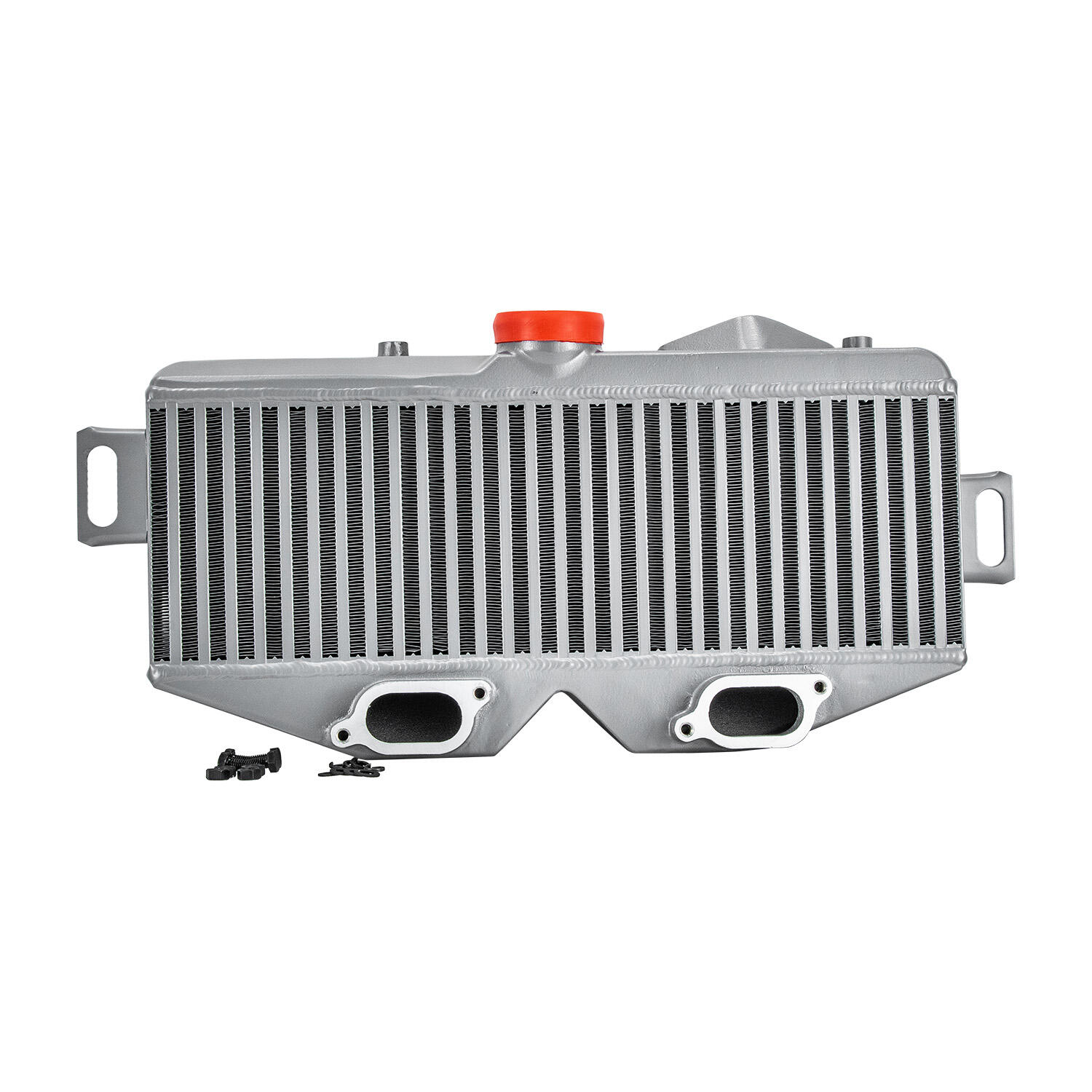
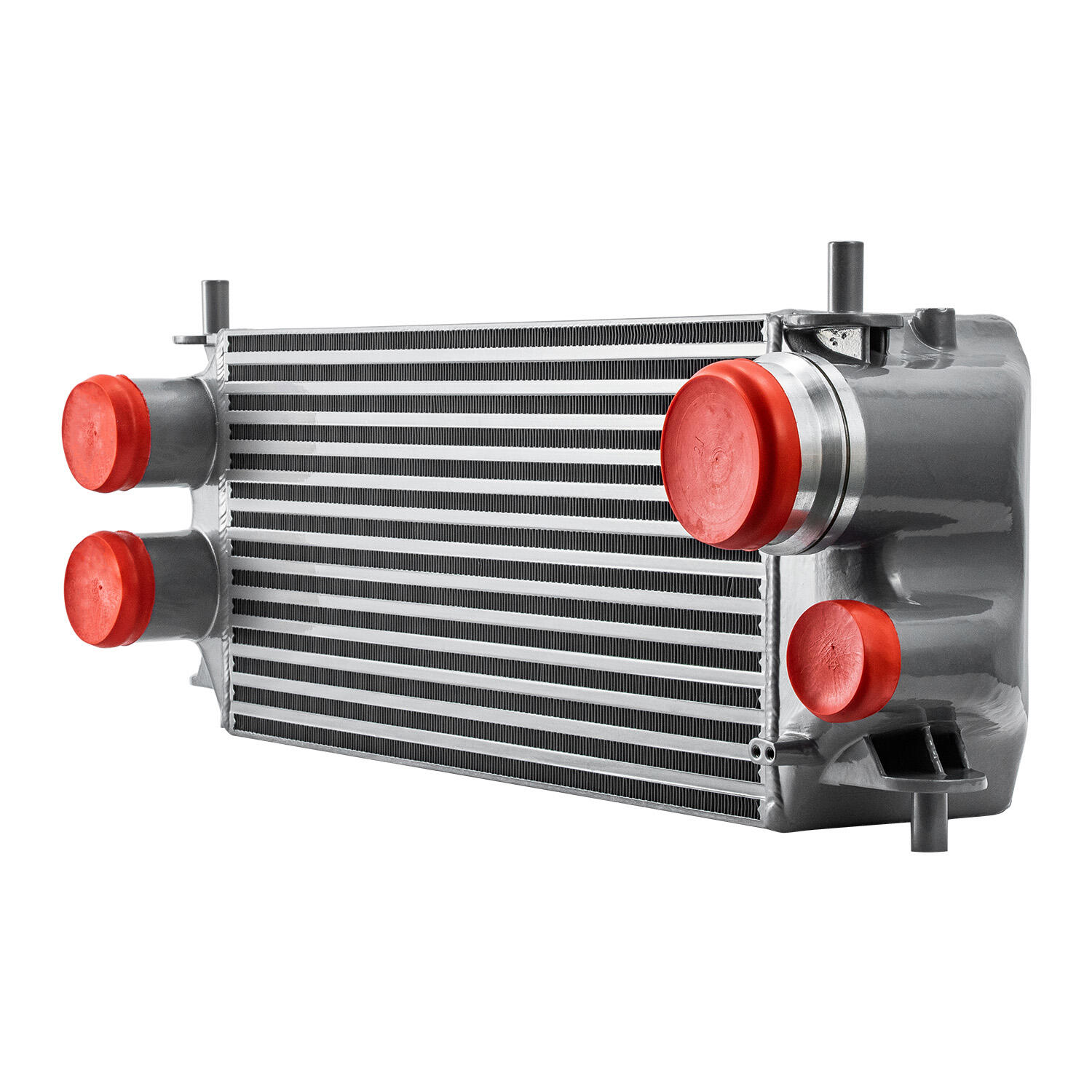
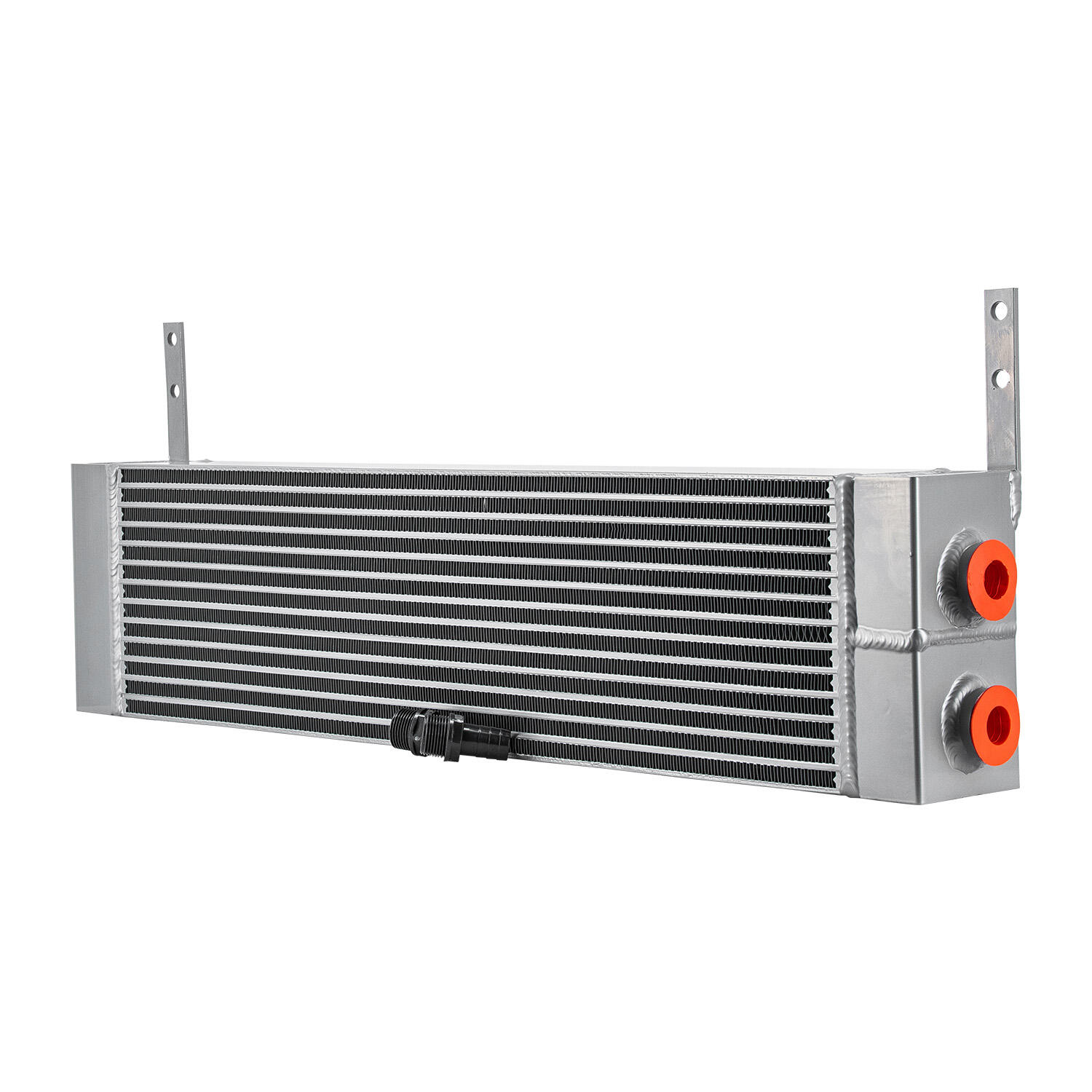
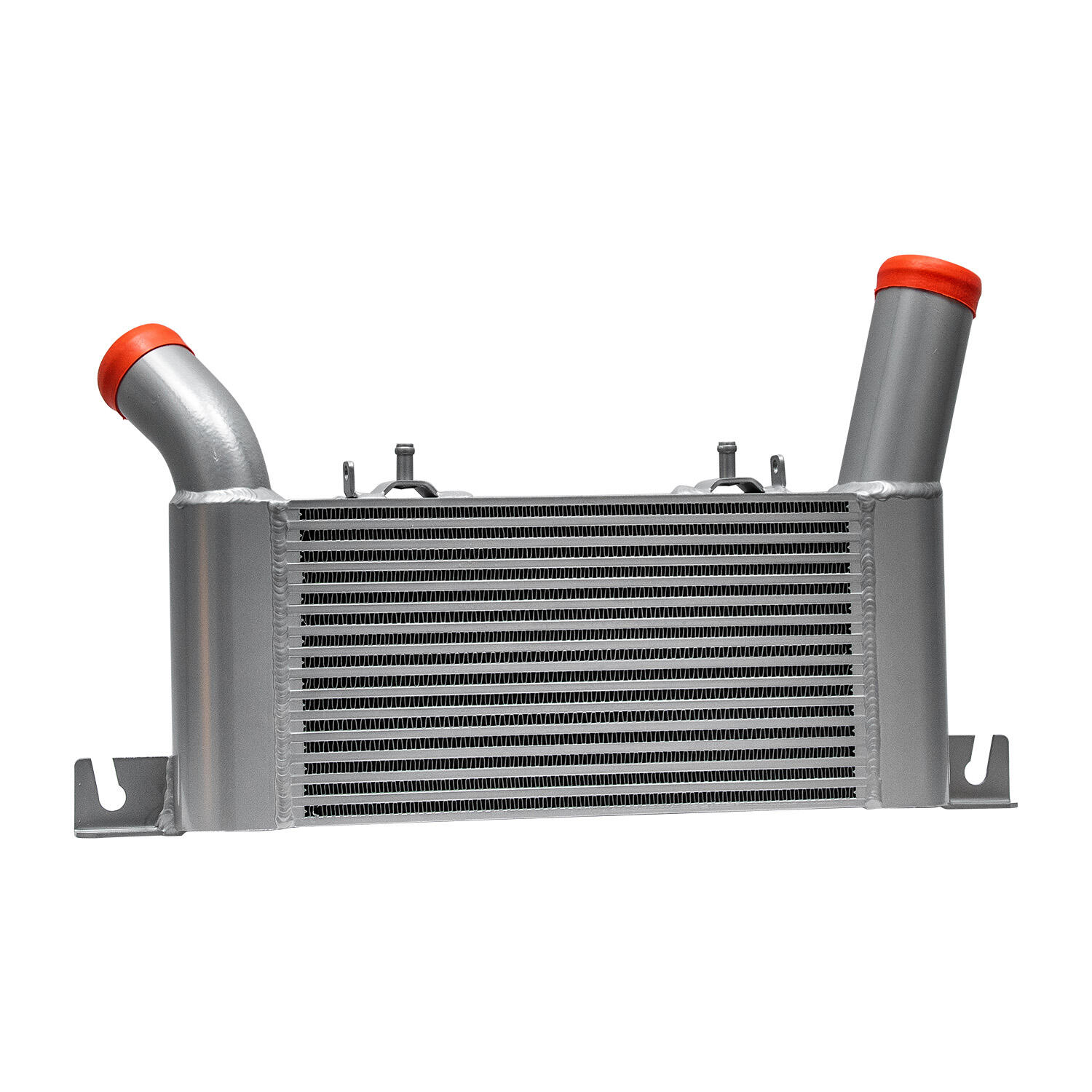
A mini intercooler represents a compact thermal management solution designed to reduce the temperature of compressed air in forced induction systems. This specialized heat exchanger plays a critical role in maintaining optimal engine performance by cooling the air that has been heated during the compression process in turbochargers or superchargers. The mini intercooler operates on a straightforward principle: as compressed air passes through its core, heat transfers to the surrounding atmosphere or a coolant medium, resulting in denser, oxygen-rich air entering the combustion chamber. This cooling process directly impacts engine efficiency, power output, and reliability. The compact design of the mini intercooler makes it particularly suitable for applications where space constraints are a primary concern, such as small displacement engines, motorcycles, compact sports cars, and specialized industrial equipment. Modern mini intercooler technology incorporates advanced materials like aluminum alloys that offer excellent thermal conductivity while maintaining a lightweight profile. The internal structure typically features a bar-and-plate or tube-and-fin configuration that maximizes surface area for heat dissipation without creating excessive pressure drop. This balance between cooling efficiency and airflow resistance is crucial for maintaining boost pressure levels while achieving temperature reduction. Mini intercooler systems can be configured as air-to-air or air-to-water designs, each offering distinct advantages depending on the application requirements. Air-to-air mini intercoolers rely on ambient airflow for cooling, making them simpler and more reliable, while air-to-water variants use liquid coolant for more consistent temperature control in confined spaces. The versatility of mini intercooler technology extends beyond automotive applications to include marine engines, portable generators, industrial compressors, and even specialized cooling solutions for electronic equipment. As emission regulations become stricter and efficiency demands increase, the mini intercooler has evolved from a performance accessory to an essential component in modern forced induction systems, delivering measurable improvements in power density, fuel economy, and component longevity across diverse applications.