Customization Flexibility for Unique Applications
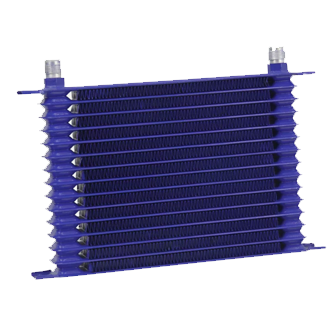
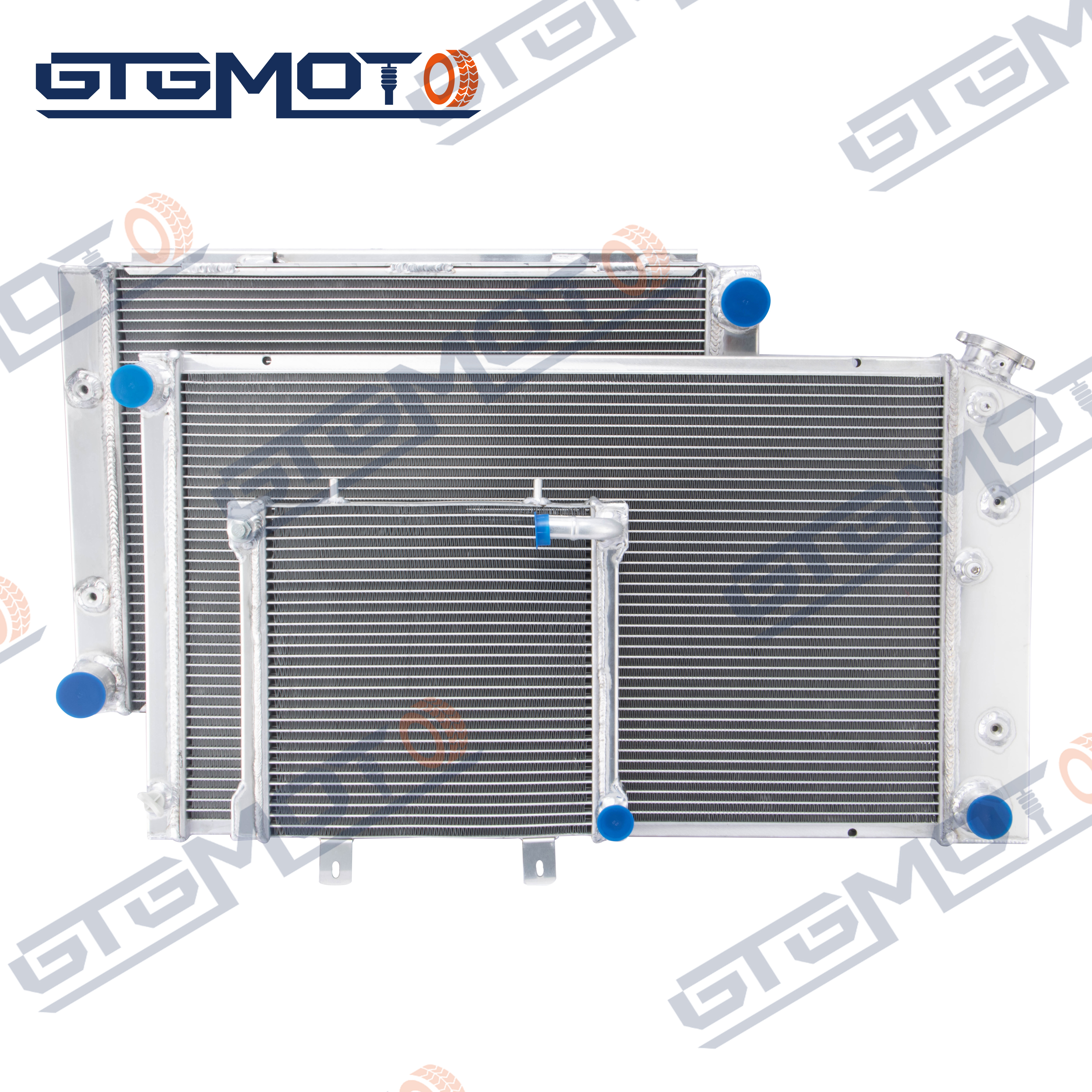
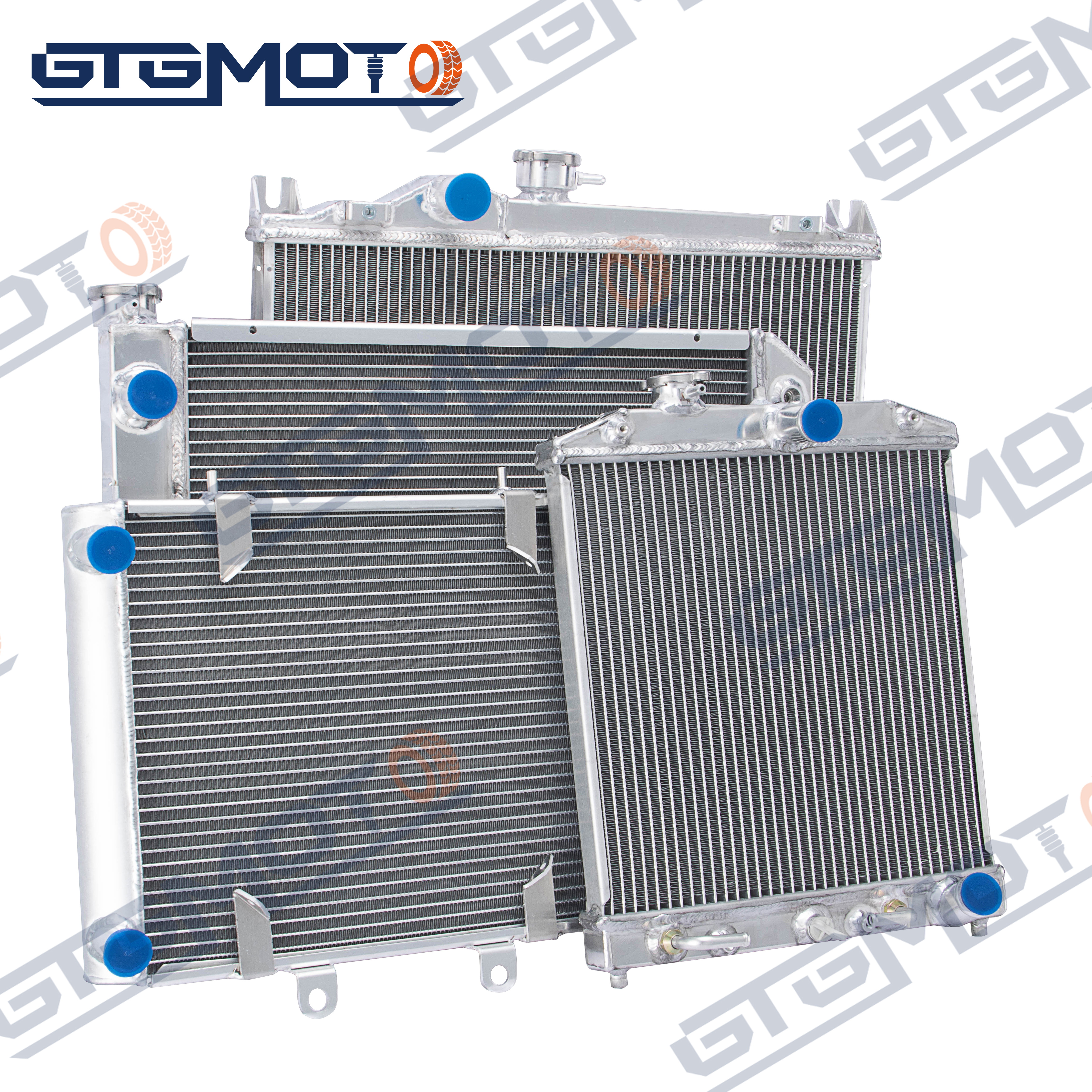
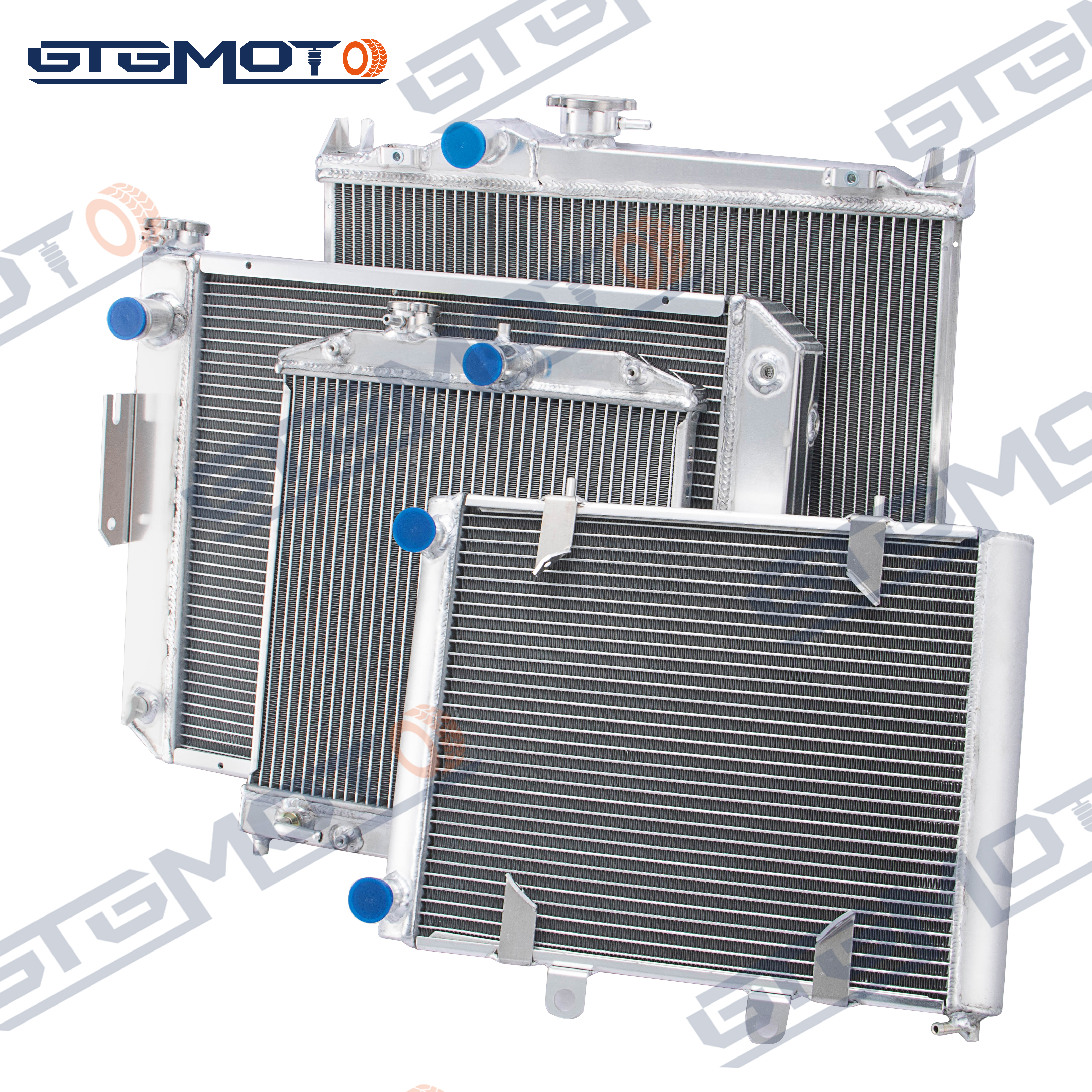
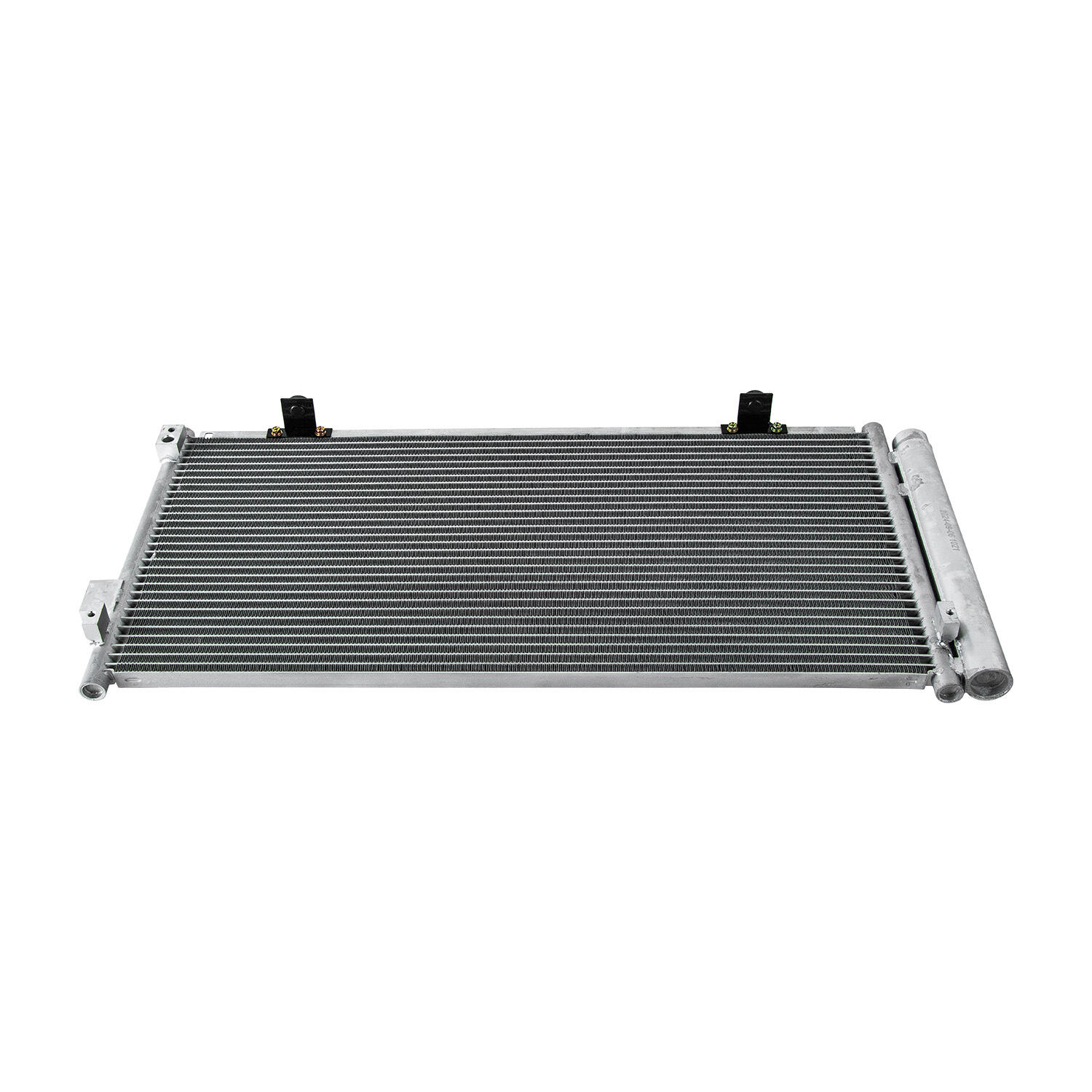
A premium intercooler supplier distinguishes itself through exceptional customization flexibility that accommodates the unique spatial constraints, aesthetic requirements, and performance objectives of diverse applications. Unlike off-the-shelf components that force design compromises, custom intercooler solutions integrate seamlessly into existing vehicle architectures or equipment layouts without requiring extensive modifications to surrounding components. The customization process begins with collaborative design sessions where supplier engineers review your packaging space, identify airflow paths, and discuss performance targets. They then develop multiple design concepts that balance cooling efficiency against physical dimensions, presenting options with different core thicknesses, overall lengths, and inlet-outlet configurations. This consultative approach ensures the final design aligns perfectly with your project requirements rather than forcing your design to adapt to standard product offerings. Customization extends to end tank shapes and orientations, allowing inlet and outlet ports to be positioned exactly where your plumbing requires them. Suppliers can incorporate mounting provisions that match your existing bracket locations, eliminating the need for custom fabrication during installation. For applications with specific aesthetic requirements, suppliers offer various finish options including polished aluminum, powder coating in custom colors, or anodizing treatments that provide both corrosion protection and visual appeal. The flexibility also encompasses performance tuning where core density can be adjusted to favor either maximum cooling capacity or minimal pressure drop depending on your priorities. Some applications benefit from asymmetric core designs where one side features higher fin density than the other to compensate for uneven airflow distribution. Custom intercooler suppliers maintain diverse manufacturing capabilities including TIG welding for show-quality appearance, vacuum brazing for maximum strength and leak resistance, and robotic welding for high-volume production consistency. They can integrate additional features such as internal baffles that improve air distribution, drain ports for moisture removal in marine applications, or sensor bungs for temperature monitoring. The customization process includes prototype development with rapid iteration cycles, allowing you to test fit and evaluate performance before committing to production tooling. This flexibility proves invaluable when developing new vehicle platforms or upgrading existing products where standard components simply cannot deliver the required combination of fit, finish, and performance. Suppliers with strong customization capabilities also accommodate evolving requirements, modifying designs as your project progresses without requiring complete redesigns that delay timelines and inflate costs.