Built for Durability in Demanding Environments
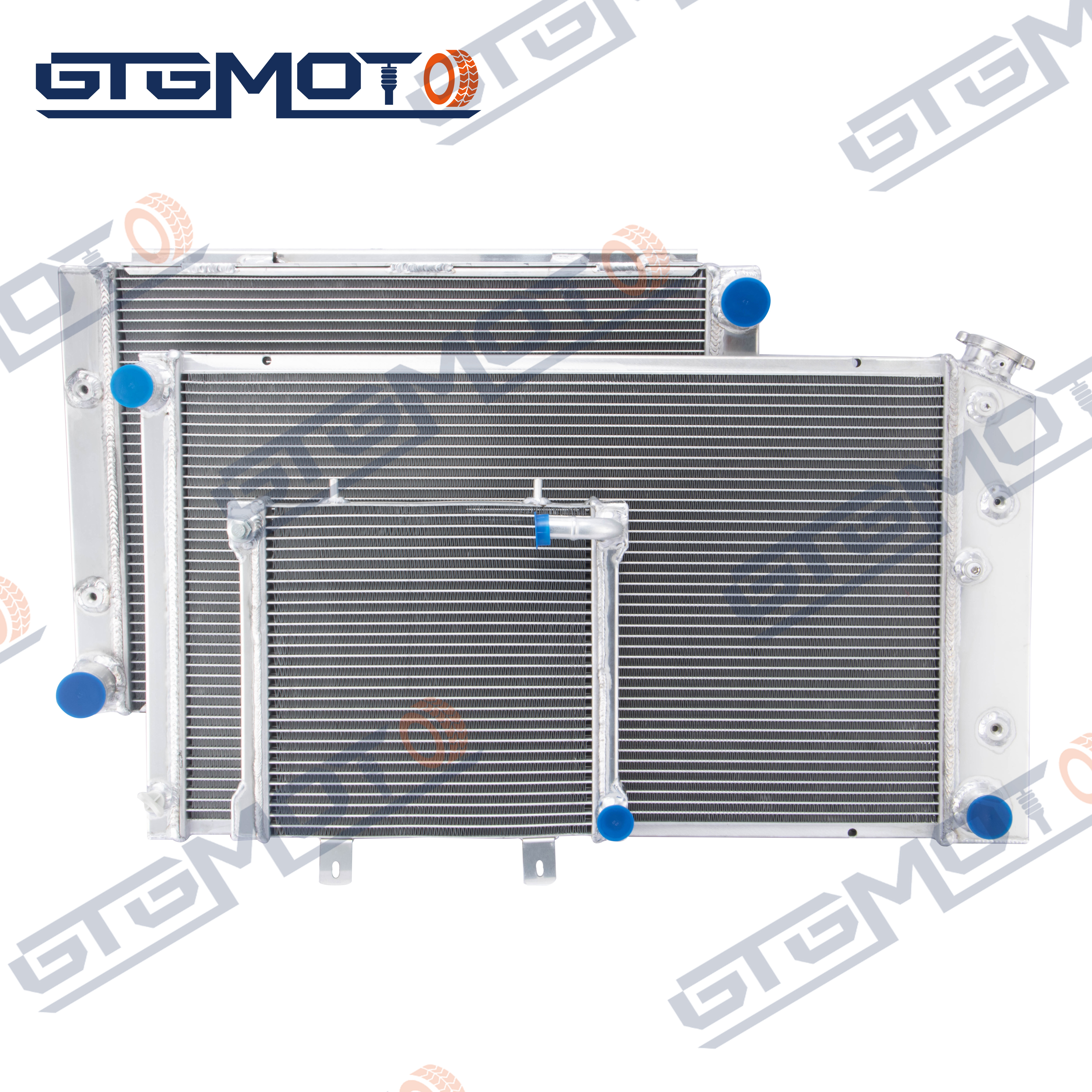
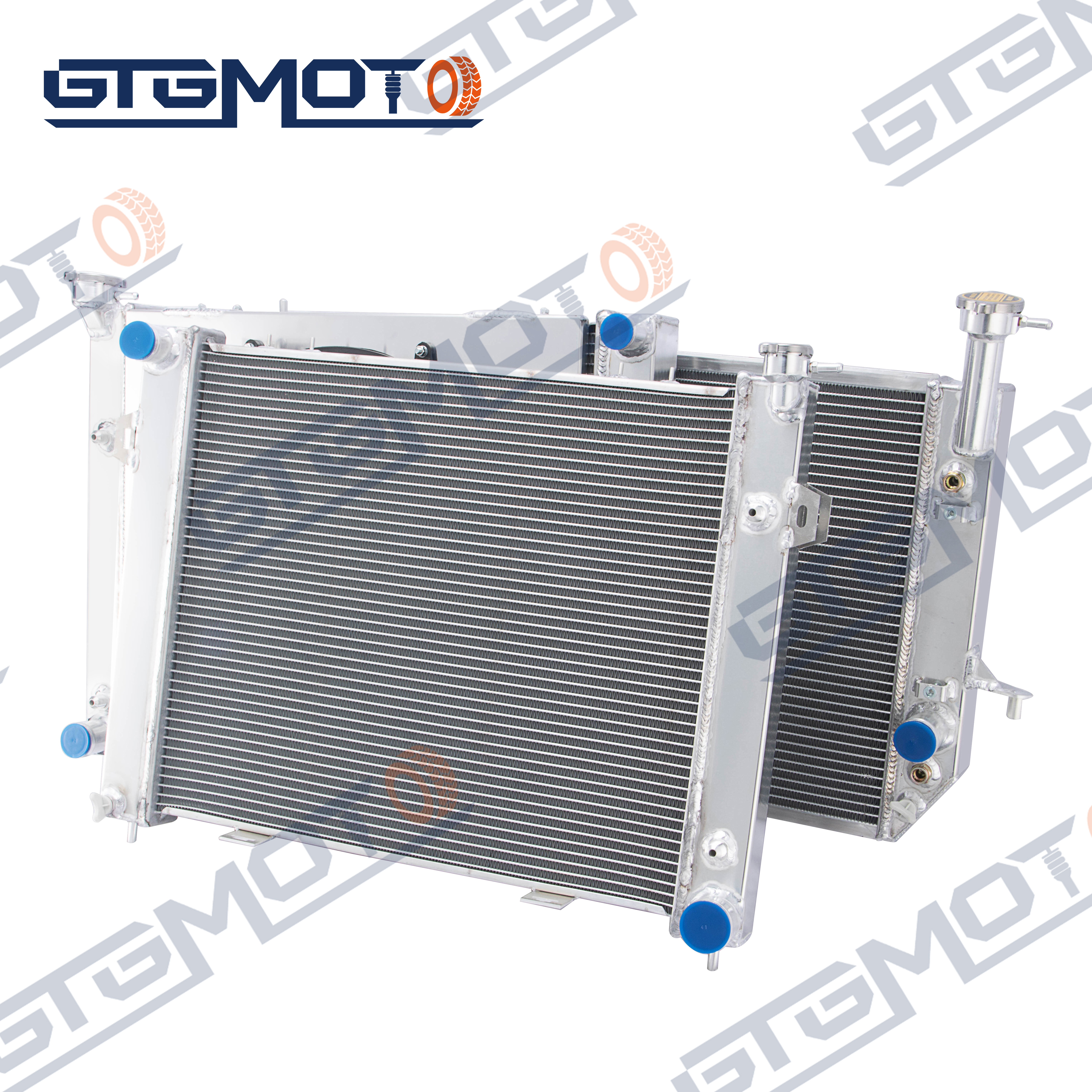
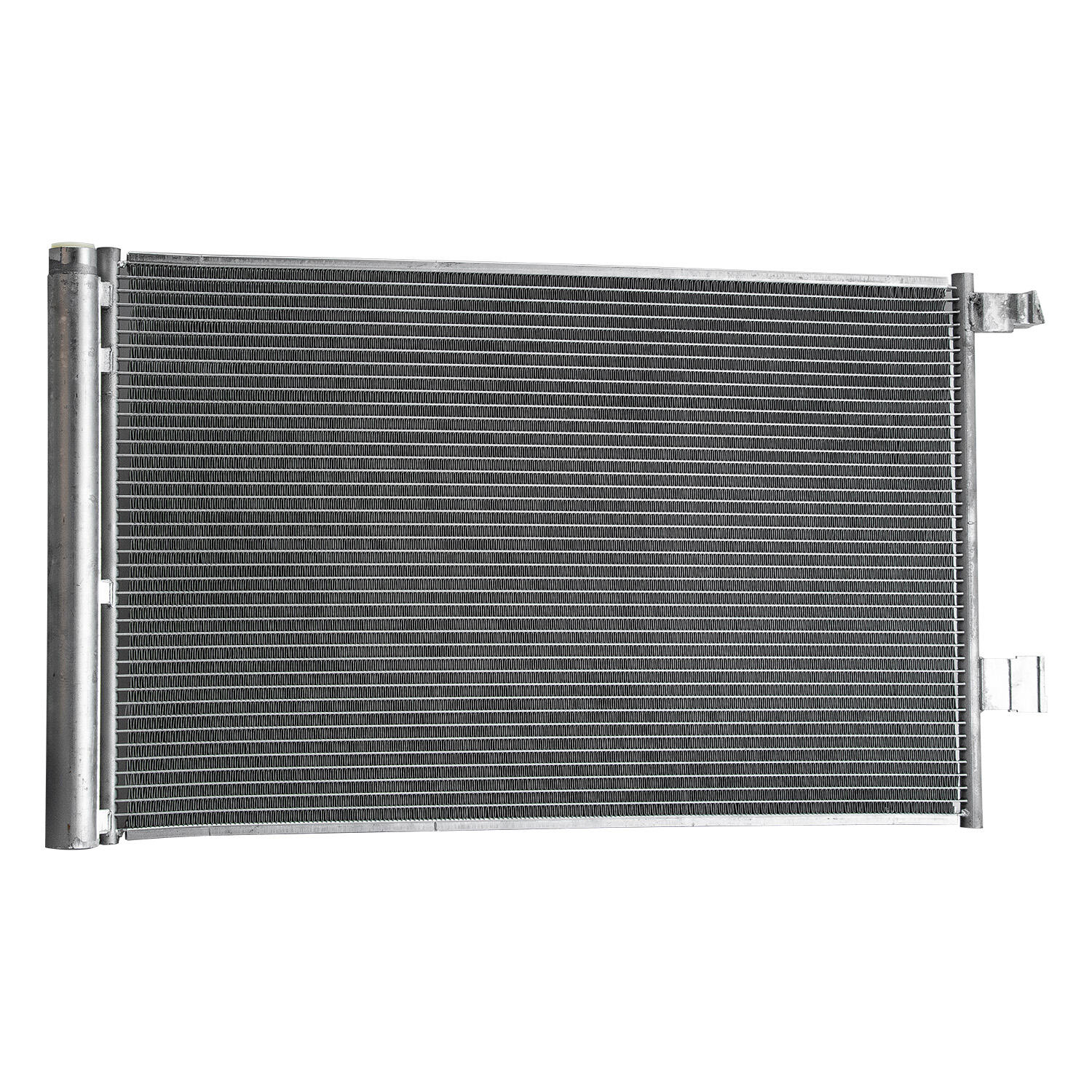
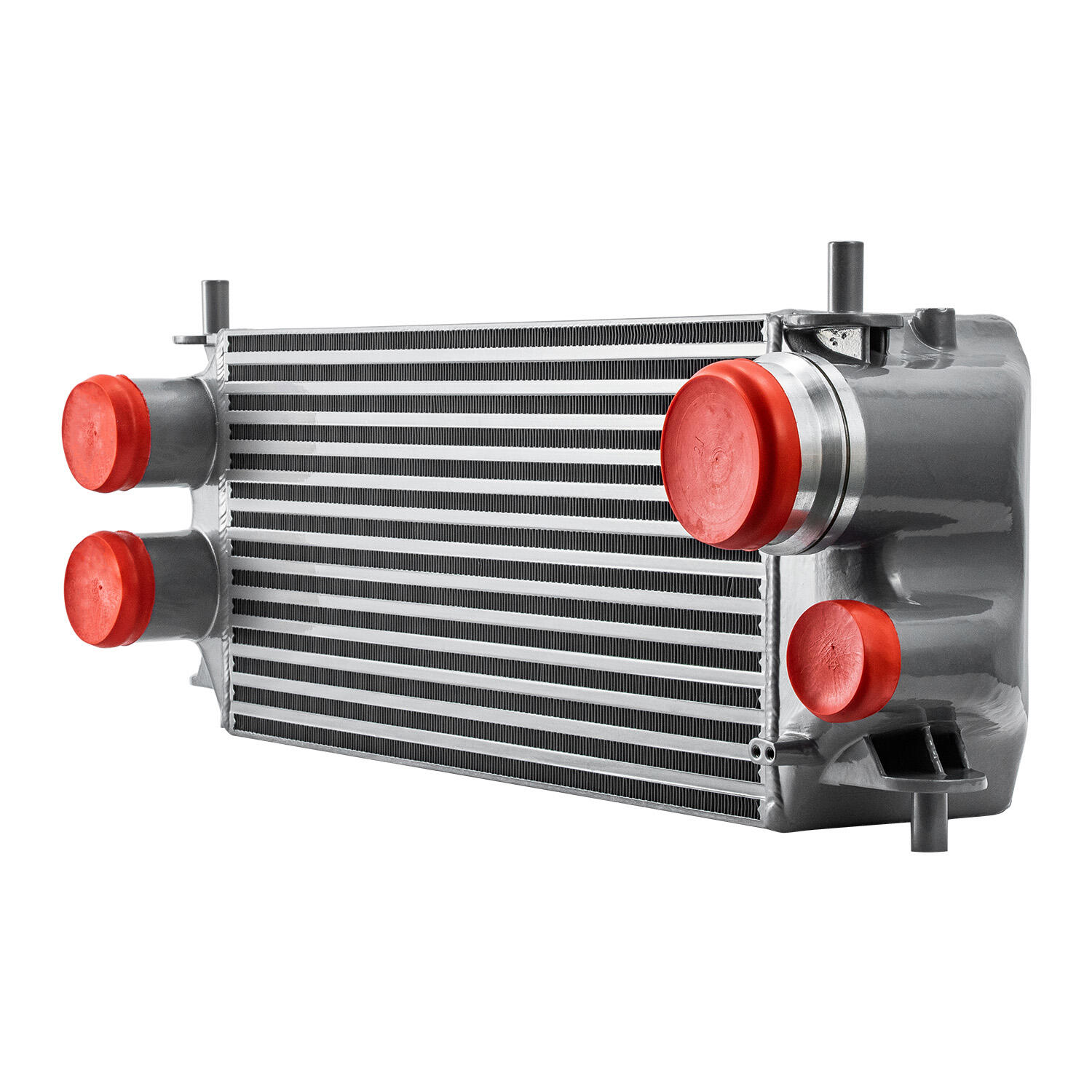
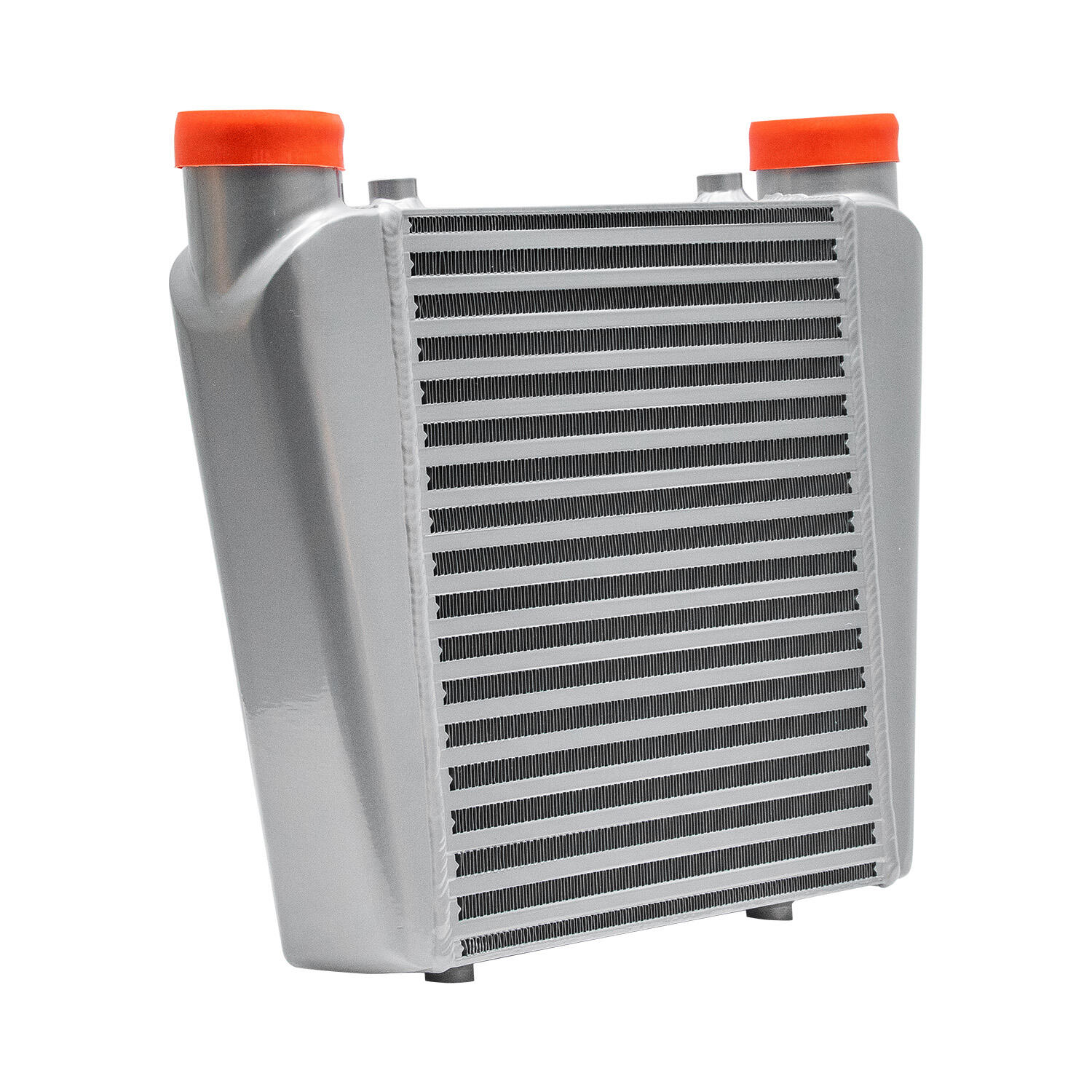
A 4 row radiator distinguishes itself through construction quality that withstands the harshest operating conditions, from desert heat to arctic cold, from smooth highways to punishing off-road trails. Manufacturers build these units using premium materials selected specifically for their thermal properties, corrosion resistance, and structural integrity under stress. The core typically employs aluminum alloy chosen for its excellent heat conductivity and light weight, though some applications use copper-brass construction for maximum thermal performance and traditional aesthetics in classic vehicle restorations. The tube-to-header connections utilize advanced brazing techniques that create molecular bonds stronger than the base materials themselves, eliminating weak points where leaks commonly develop in lesser radiators. These joints withstand the thermal cycling that occurs during normal operation, where temperatures swing from ambient to over 200 degrees Fahrenheit repeatedly. The expansion and contraction this cycling causes would fatigue inferior connections, but properly brazed joints in quality 4 row radiators endure decades of service without failure. The tanks or headers that distribute coolant across the tube rows receive reinforcement to handle system pressure, which can reach 15-20 PSI in modern cooling systems. These tanks incorporate baffles that ensure even coolant distribution across all four rows, preventing hot spots that could develop if flow favored certain tubes over others. The radiator's frame and mounting points feature robust construction that resists vibration damage, a common failure mode in vehicles that experience rough roads or high-performance driving. The multiple tube rows actually contribute to structural rigidity, creating a honeycomb-like core that resists flexing and impact damage better than thinner radiators. This structural advantage proves valuable in off-road applications where rocks, branches, and other debris may strike the radiator face. While no radiator is indestructible, the 4 row design's thickness and reinforced construction provide better protection for the cooling tubes behind the front surface. The fin material and attachment method also receive attention in quality units, with fins mechanically bonded to tubes rather than simply pressed on. This secure attachment ensures fins remain effective throughout the radiator's service life, maintaining heat transfer efficiency even as the unit ages. Corrosion protection comes from careful material selection and often includes protective coatings on external surfaces. Internal corrosion resistance depends on proper coolant maintenance, but the radiator's design accommodates modern extended-life coolants that provide superior protection compared to traditional antifreeze formulations. The durability extends to the radiator's ability to handle pressure testing, repairs, and cleaning procedures that may be necessary during its service life, making it a maintainable component rather than a disposable part.