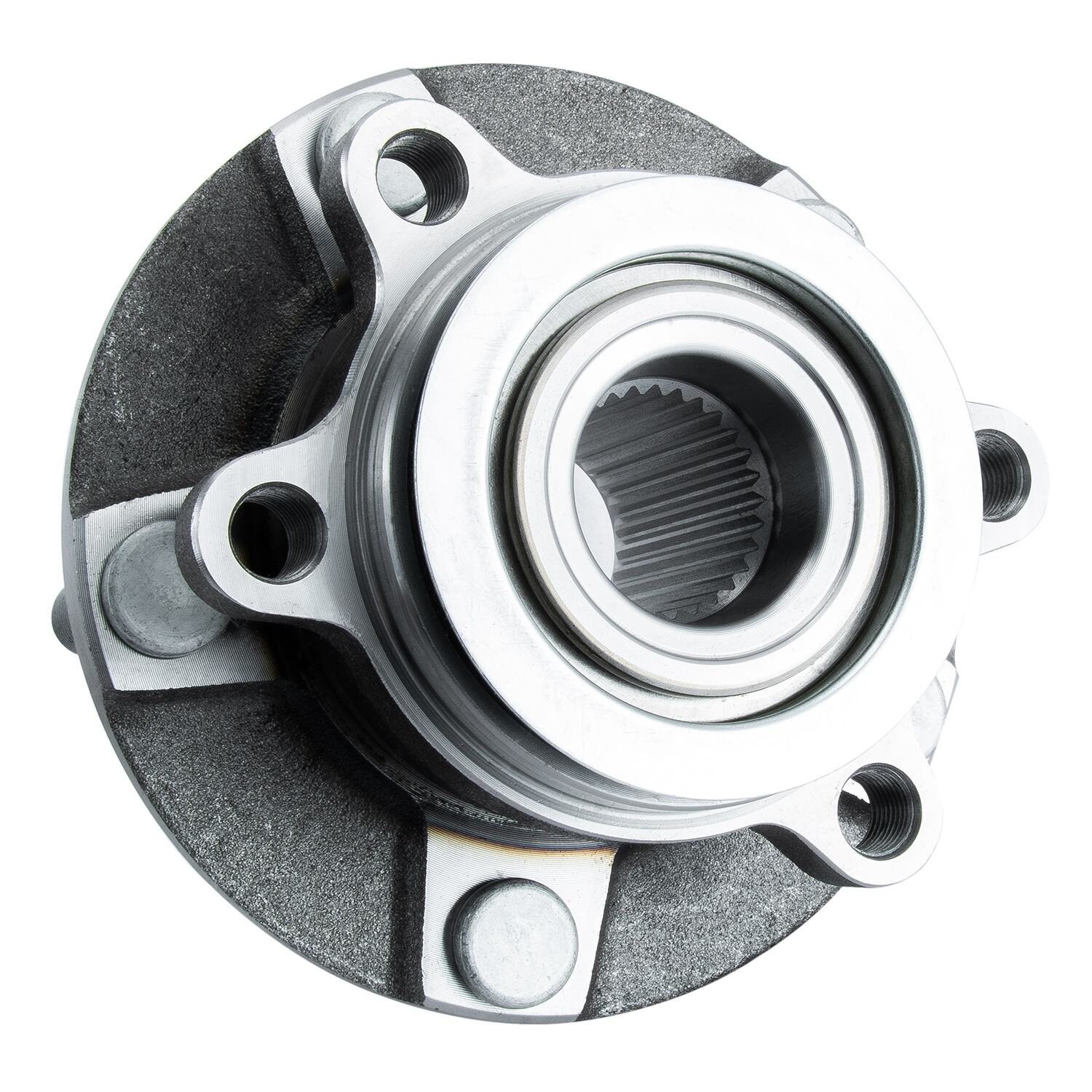
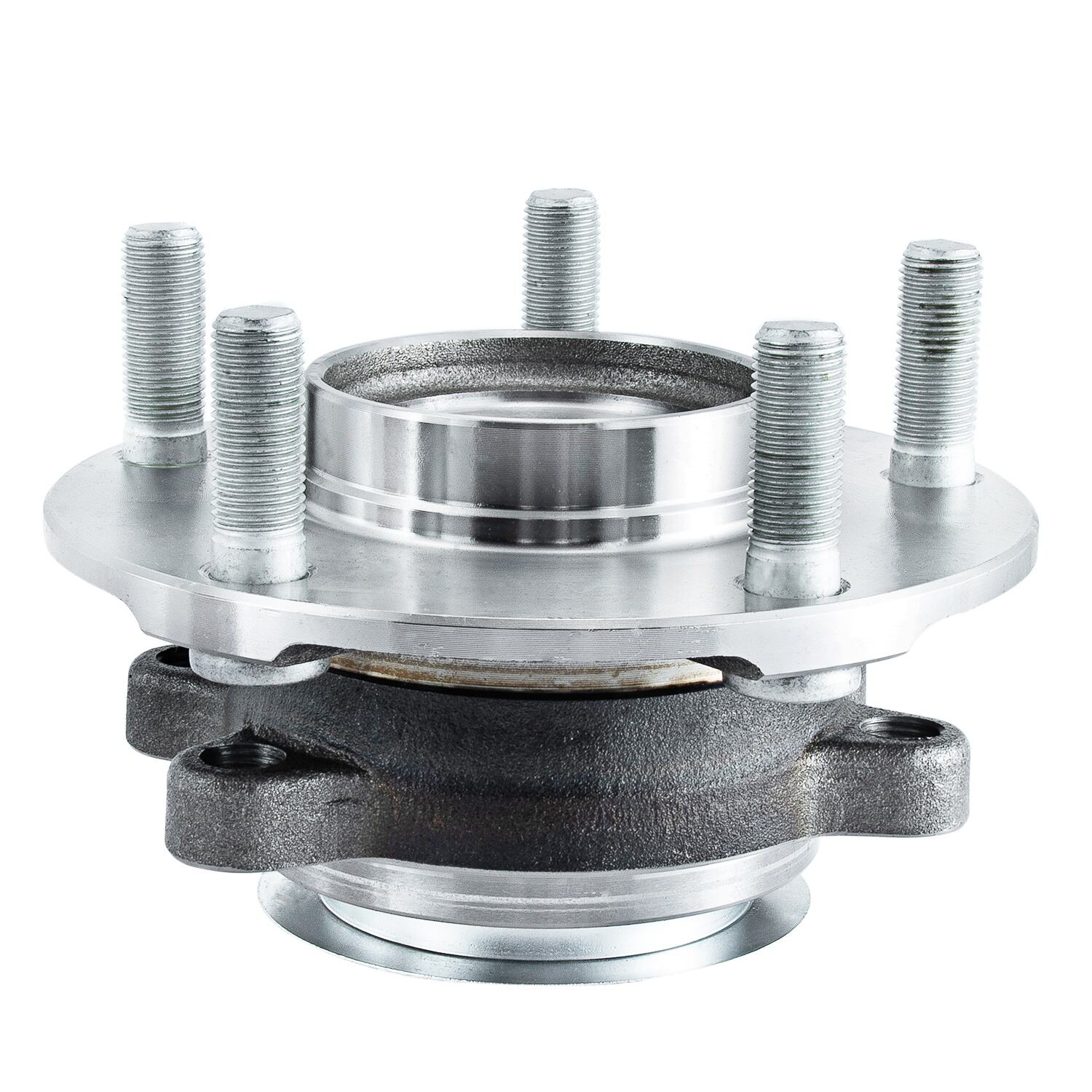
Integrated Construction for Simplified Installation and Optimal Performance
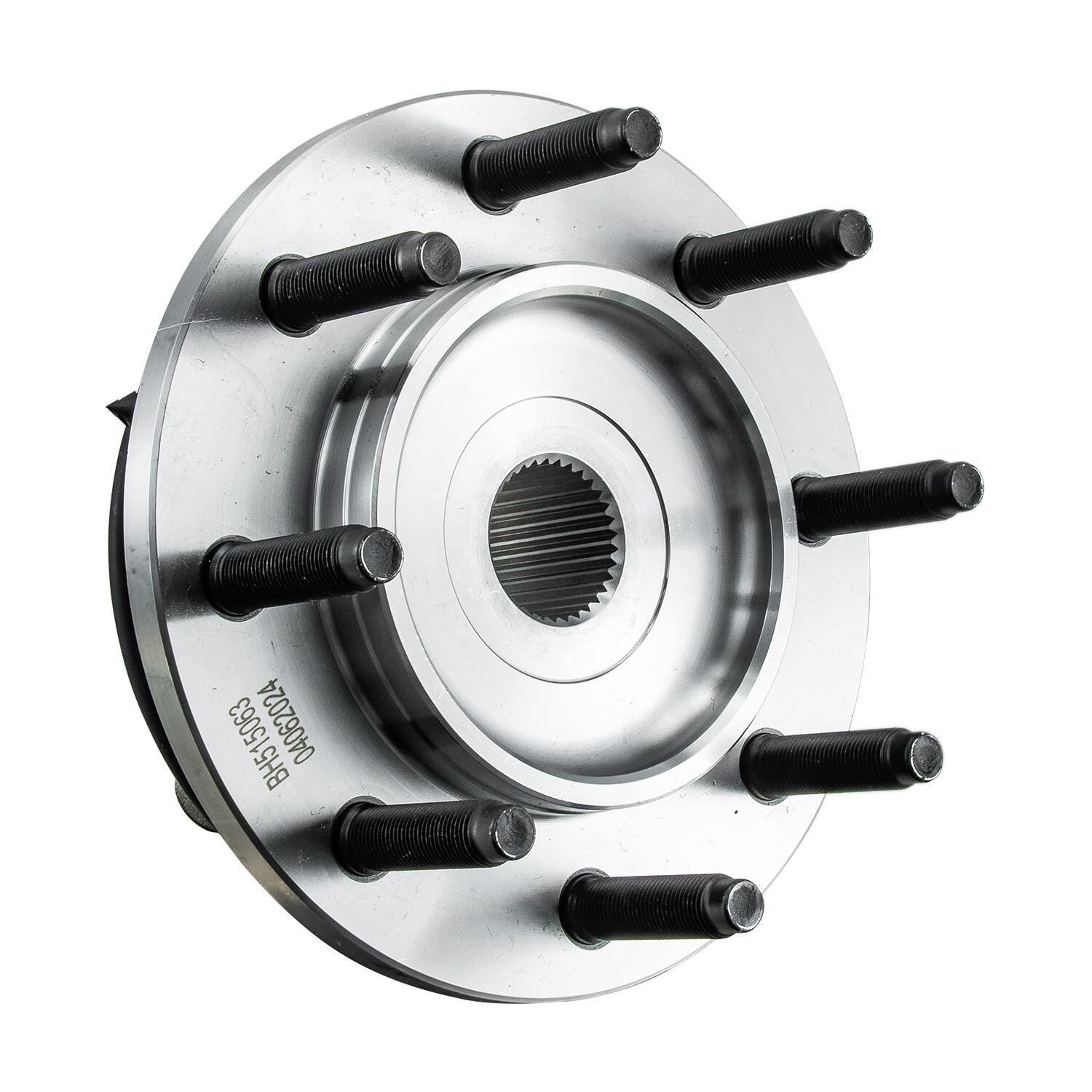
The integrated design philosophy embodied in the hub bearing front revolutionizes wheel-end assembly by combining multiple components into a single, pre-assembled unit that delivers both installation convenience and performance advantages. Traditional wheel bearing arrangements required separate inner and outer bearings, races, seals, and spacers, each requiring precise installation and adjustment to achieve proper bearing preload. The hub bearing front eliminates this complexity by integrating the bearing elements, races, and hub flange into a unified assembly that arrives ready for installation with factory-set bearing preload. This integration ensures that every hub bearing front leaves the manufacturing facility with optimal preload specifications, eliminating the variability introduced by field adjustment procedures. The precision achieved in factory settings, with controlled environments and specialized equipment, surpasses what is practical in typical service bay conditions. This consistency translates directly to predictable vehicle handling characteristics and extended bearing life. The mounting interface of the hub bearing front typically features a bolt-circle pattern that aligns with the steering knuckle or suspension housing, allowing for straightforward installation using common hand tools. The elimination of bearing presses and preload adjustment procedures reduces installation time significantly, with many hub bearing front replacements completed in a fraction of the time required for traditional bearing service. This time savings translates to lower labor costs for vehicle owners and increased productivity for service facilities. The integrated construction also optimizes the load path through the bearing assembly, as engineers can design the component as a complete system rather than accommodating the constraints of separate, interchangeable parts. This optimization allows for more efficient material usage, reducing weight while maintaining or improving load capacity. The hub bearing front design typically incorporates the ABS reluctor ring directly into the assembly, either as a magnetic encoder ring pressed onto the bearing or as a toothed ring integrated into the seal. This integration ensures precise positioning of the ABS sensor target relative to the bearing axis, improving sensor signal quality and system reliability. The factory assembly of these components eliminates the possibility of installation errors such as reversed seals, incorrect spacer selection, or improper bearing adjustment that could compromise safety or performance. Vehicle manufacturers appreciate the simplified assembly line installation, while aftermarket users benefit from the reduced skill level required for successful bearing replacement. The integrated hub bearing front represents a mature engineering solution that addresses the practical realities of vehicle assembly and service while delivering measurable improvements in performance, reliability, and cost-effectiveness.