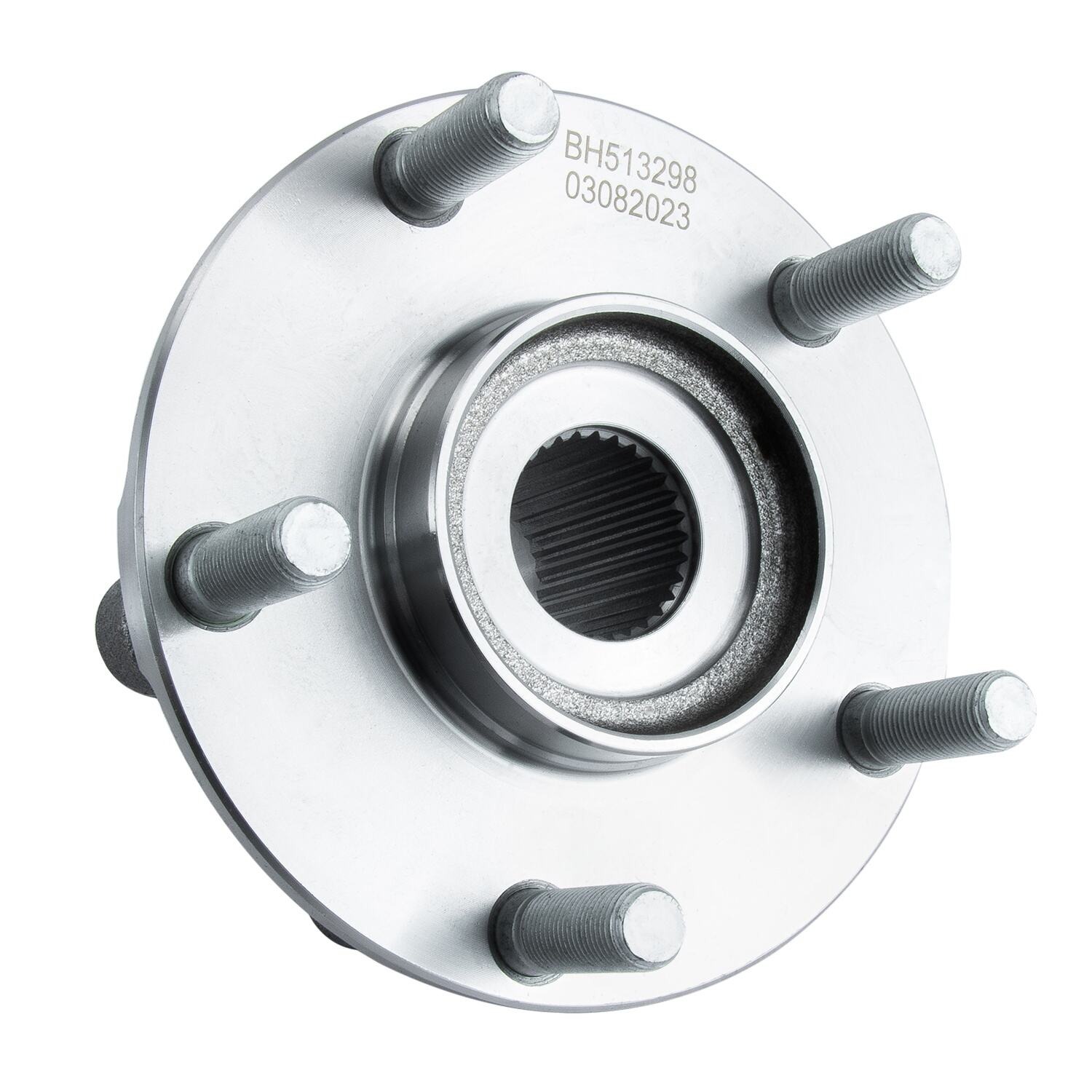
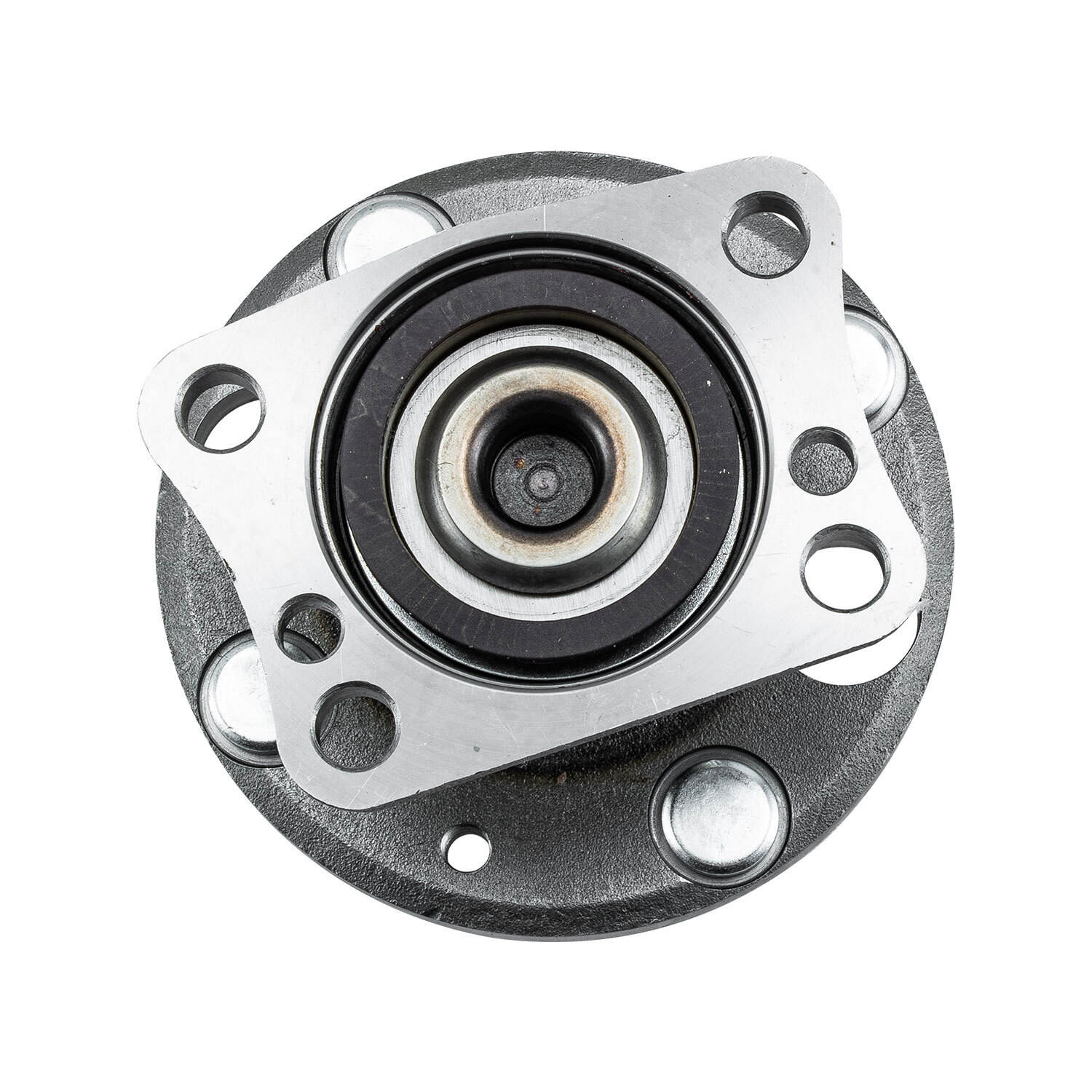
Precision Manufacturing and Quality Assurance Excellence
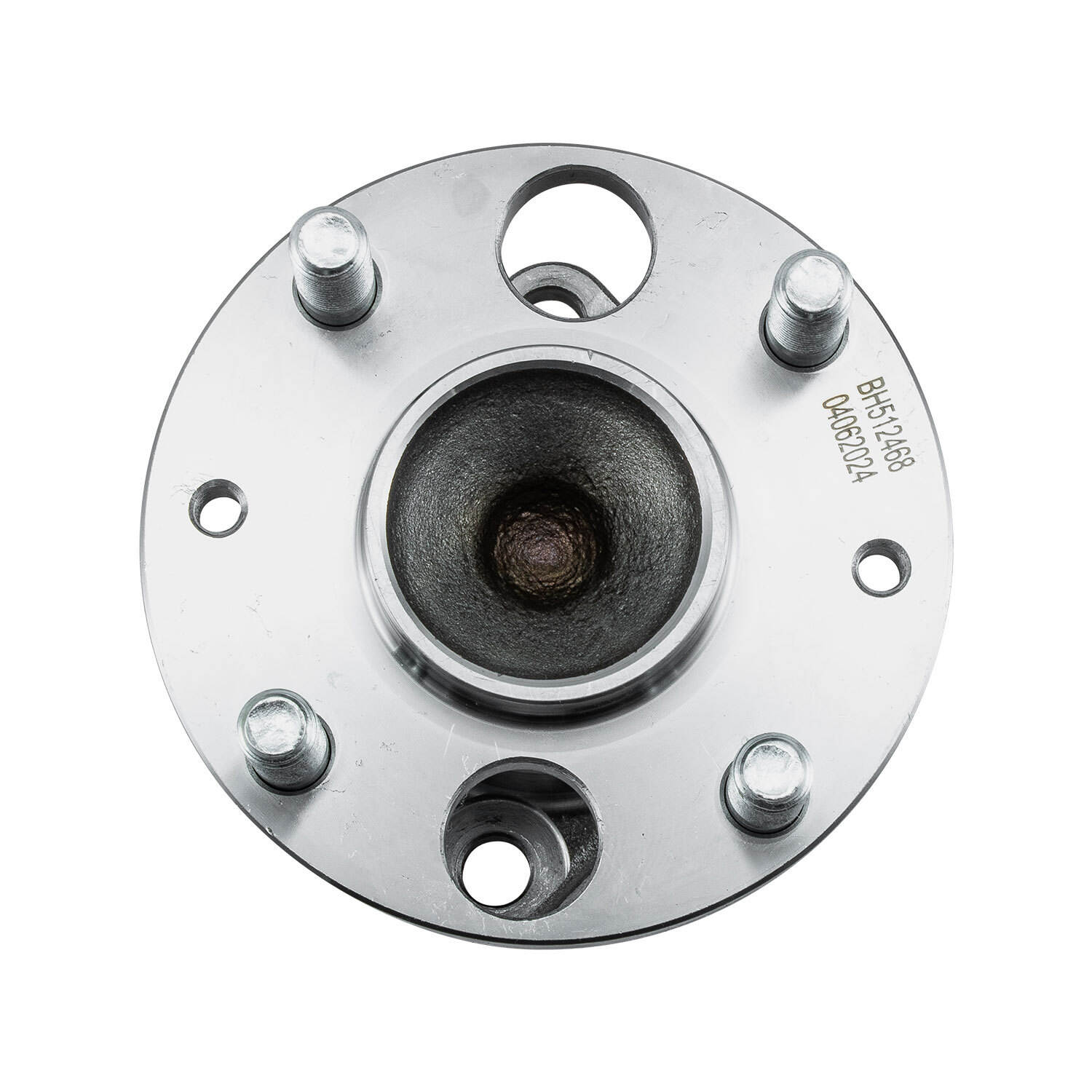
The exceptional performance and reliability of premium front hub and bearing assemblies result from manufacturing processes that achieve tolerances measured in microns and quality control procedures that verify compliance with exacting specifications. Production begins with material selection, where steel alloys are chosen for their specific mechanical properties, chemical composition, and ability to respond predictably to heat treatment processes. Incoming material inspection verifies that raw materials meet specifications before entering production, preventing defective materials from compromising finished components. The bearing races undergo precision grinding operations that create surface finishes smoother than one micron Ra, eliminating microscopic irregularities that could serve as stress concentration points or cause premature fatigue failure. Grinding wheel selection, coolant chemistry, and machine parameters are carefully controlled to achieve consistent results across production runs. The rolling elements, whether balls or tapered rollers, are manufactured to sphericity and diameter tolerances that ensure uniform load distribution across all elements within the bearing assembly. Heat treatment processes transform the bearing components through carefully controlled heating and quenching cycles that create the optimal microstructure for bearing applications, with surface hardness, case depth, and core properties verified through destructive testing of sample parts. The front hub and bearing assembly process brings together multiple components with precise positioning and controlled preload settings that optimize bearing performance. Automated assembly equipment ensures consistent results while eliminating human error, with vision systems verifying correct component orientation and presence before proceeding to subsequent operations. Press-fit operations are monitored for force and displacement to confirm proper interference fits between components. The completed front hub and bearing undergoes functional testing that measures rotational torque, axial and radial play, and noise characteristics to verify that performance meets specifications. Statistical process control monitors key parameters throughout production, triggering corrective actions when trends indicate potential quality issues before defective parts are produced. Dimensional inspection using coordinate measuring machines verifies that critical features fall within specified tolerances, with measurement uncertainty calculations ensuring that inspection processes are capable of detecting out-of-specification conditions. The front hub and bearing receives final inspection before packaging, with serialization enabling traceability back to specific production batches and material lots. This comprehensive quality assurance approach ensures that every front hub and bearing assembly leaving the factory meets the stringent requirements necessary for reliable vehicle operation, providing customers with components they can trust for safety-critical applications. The investment in precision manufacturing and quality control delivers tangible benefits through reduced warranty claims, enhanced customer satisfaction, and the reputation for excellence that comes from consistently delivering superior products.