Integrated Design for Simplified Installation and Enhanced Reliability
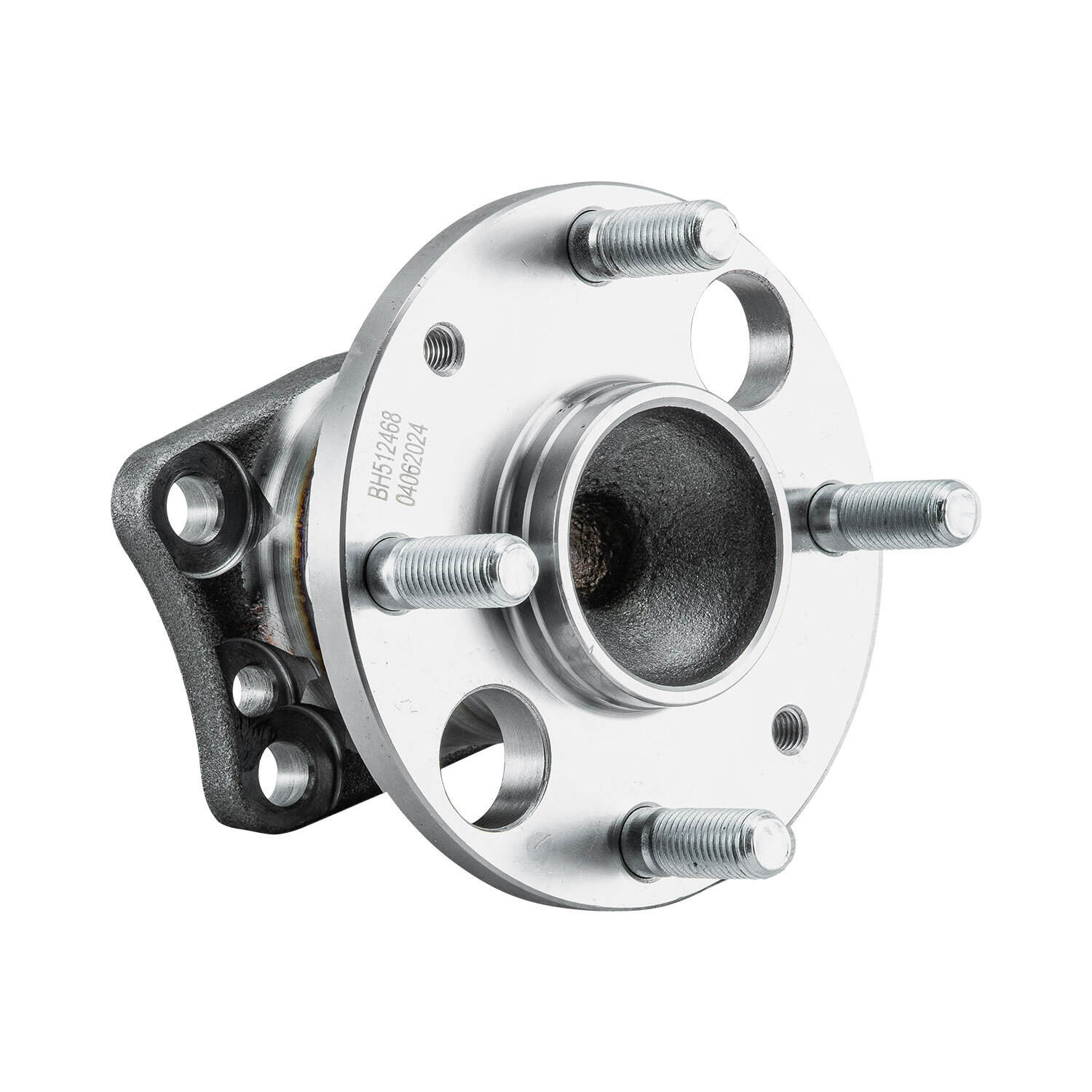
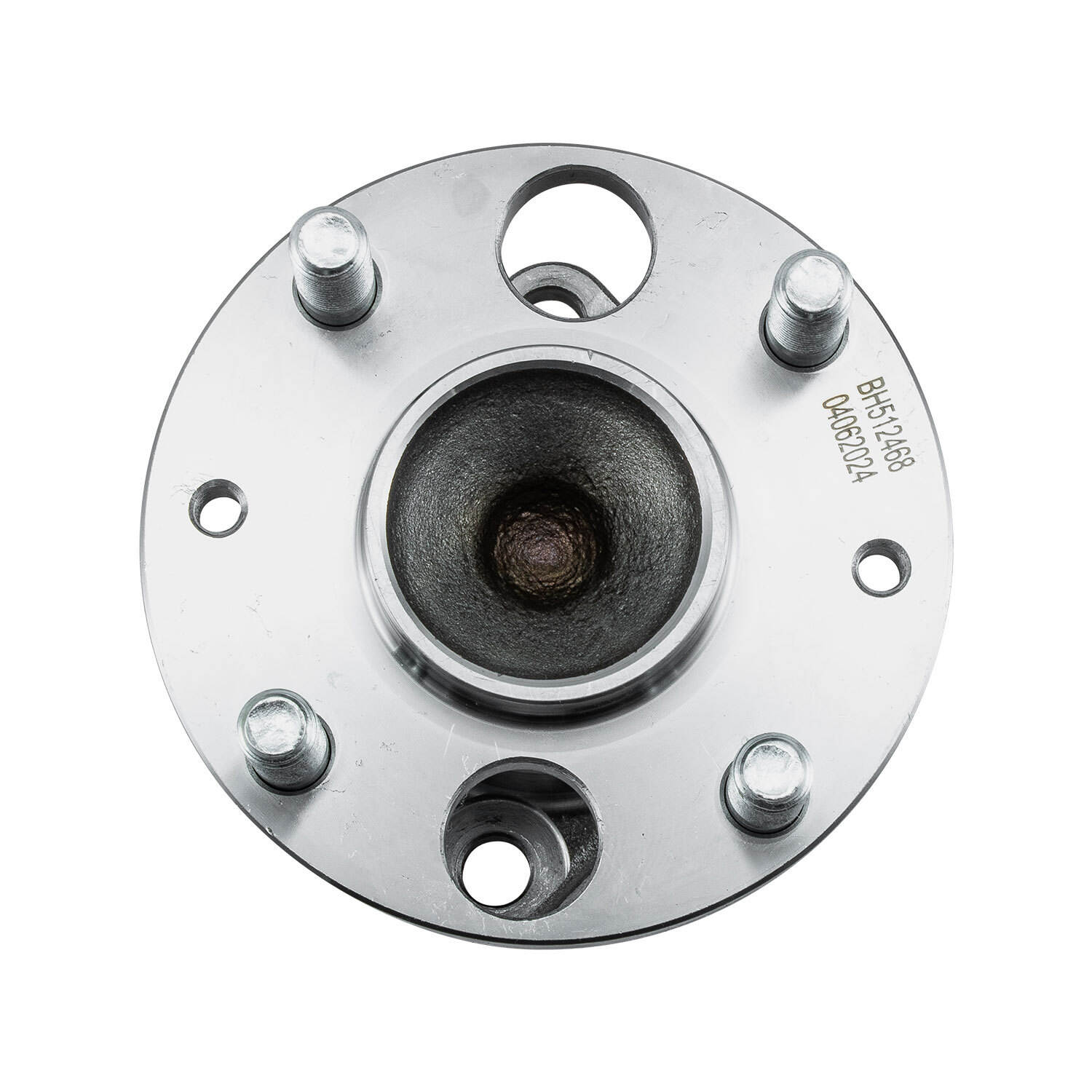
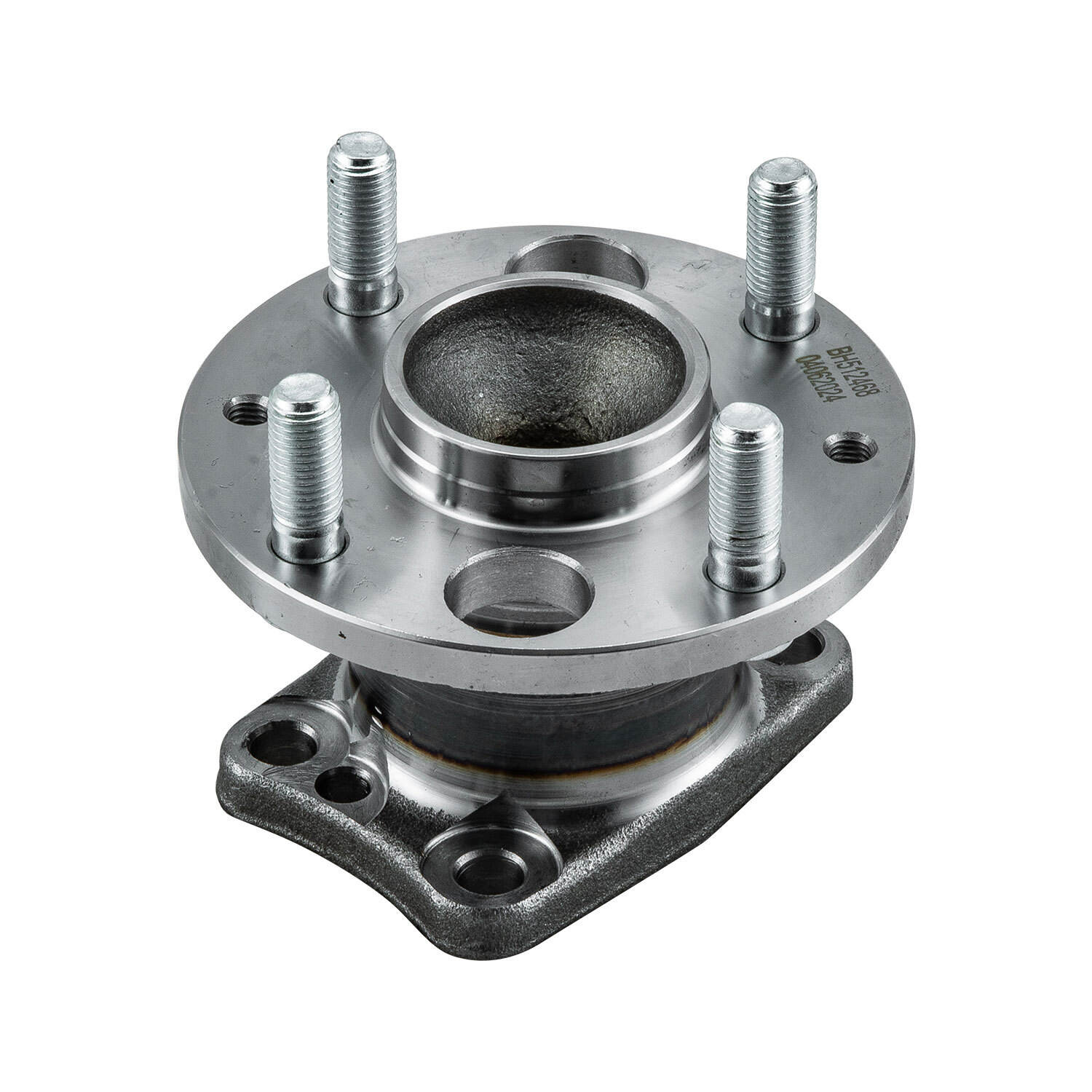
The integrated design philosophy of the hub bearing rear revolutionizes the approach to wheel bearing service and replacement, offering substantial advantages over traditional separate bearing configurations. This complete assembly combines the wheel hub, bearing races, rolling elements, seals, and often the ABS sensor ring into a single, pre-assembled unit that arrives ready for installation. The integration eliminates the multiple components and complex assembly procedures that characterized older bearing systems, where mechanics had to press bearings onto hubs, adjust preload settings, and ensure proper seal installation. With the hub bearing rear, these critical steps are performed in a controlled factory environment using specialized equipment and rigorous quality control procedures, ensuring consistent results that would be difficult to replicate in field conditions. The integrated hub bearing rear design significantly reduces installation time, which translates directly to lower labor costs for vehicle owners and improved productivity for service facilities. A typical hub bearing rear replacement can be completed in a fraction of the time required for servicing traditional bearing assemblies, and the straightforward bolt-on installation process requires fewer specialized tools and less technical expertise. This accessibility means that more service facilities can confidently perform hub bearing rear replacements, increasing convenience for vehicle owners. The elimination of adjustment procedures also removes a potential source of installation errors that could lead to premature failure or safety concerns. The integrated design of the hub bearing rear enhances reliability by ensuring that all components are properly matched and assembled under optimal conditions. The bearing preload is set precisely during manufacturing and maintained by the sealed design, eliminating the variability associated with field adjustments. The hub bearing rear integration also improves the overall robustness of the wheel assembly by creating a more rigid structure that better resists deflection under load. This structural integrity contributes to improved handling precision and reduced noise, vibration, and harshness levels. For vehicles equipped with ABS systems, the integrated sensor ring in many hub bearing rear assemblies ensures proper positioning and air gap relative to the wheel speed sensor, which is critical for accurate ABS operation. The factory installation of the sensor ring eliminates alignment concerns and ensures consistent signal quality throughout the service life of the hub bearing rear. The integrated design approach represents a fundamental shift in automotive component engineering that prioritizes ease of service, consistent quality, and long-term reliability, delivering substantial benefits to vehicle owners, service professionals, and vehicle manufacturers alike.