Enhanced Vehicle Dynamics and Handling Precision
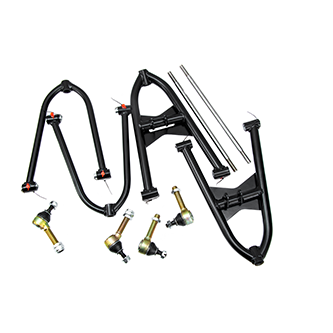
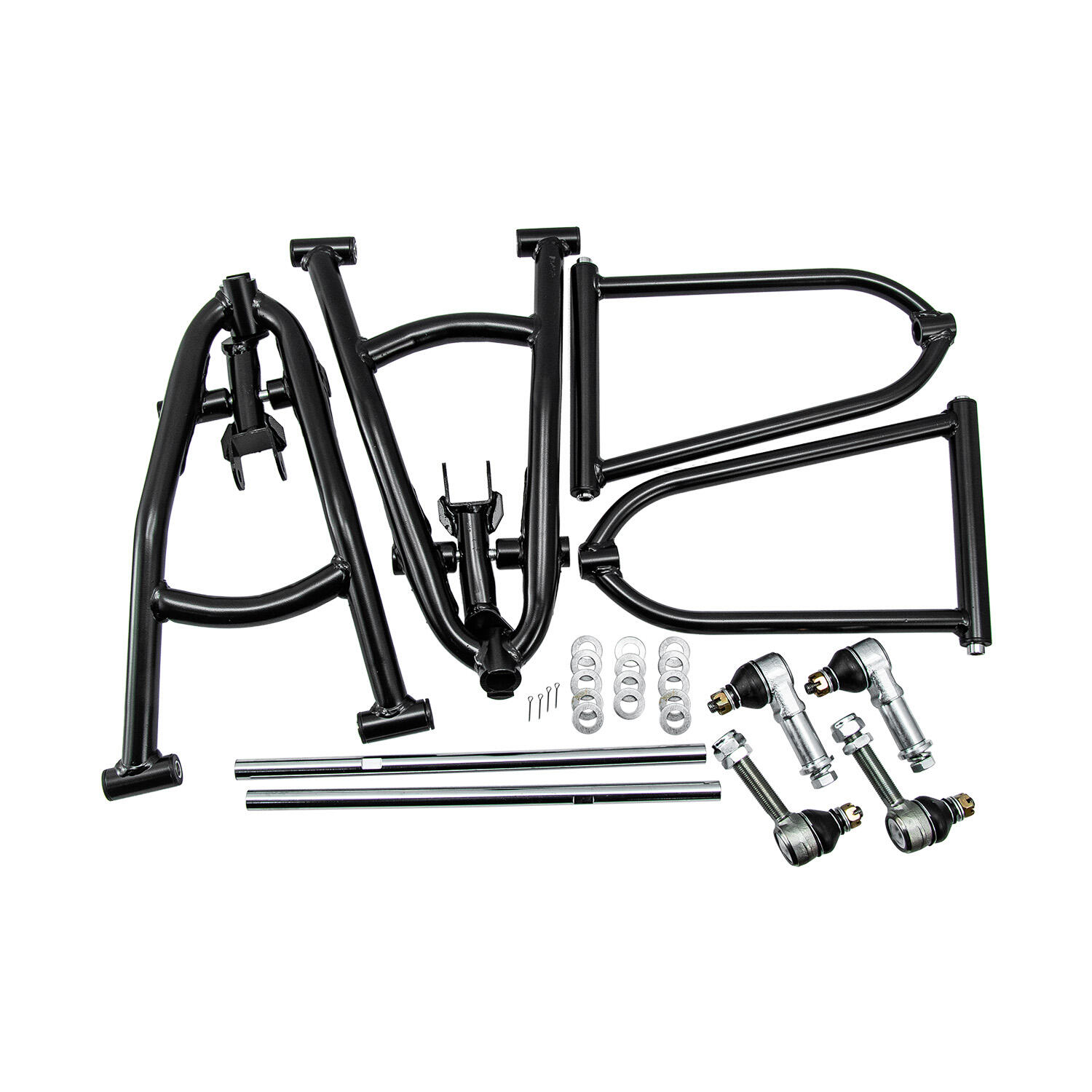
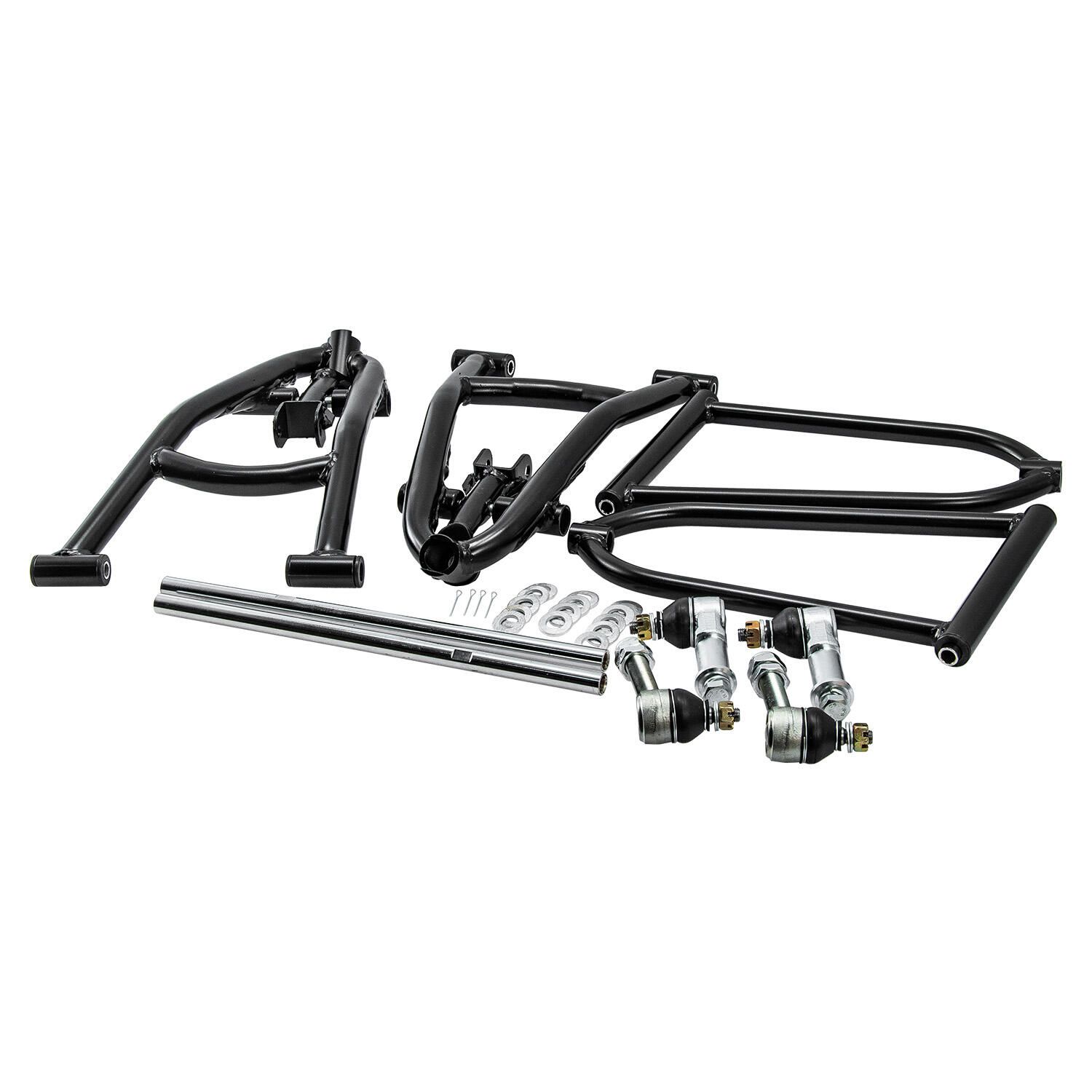
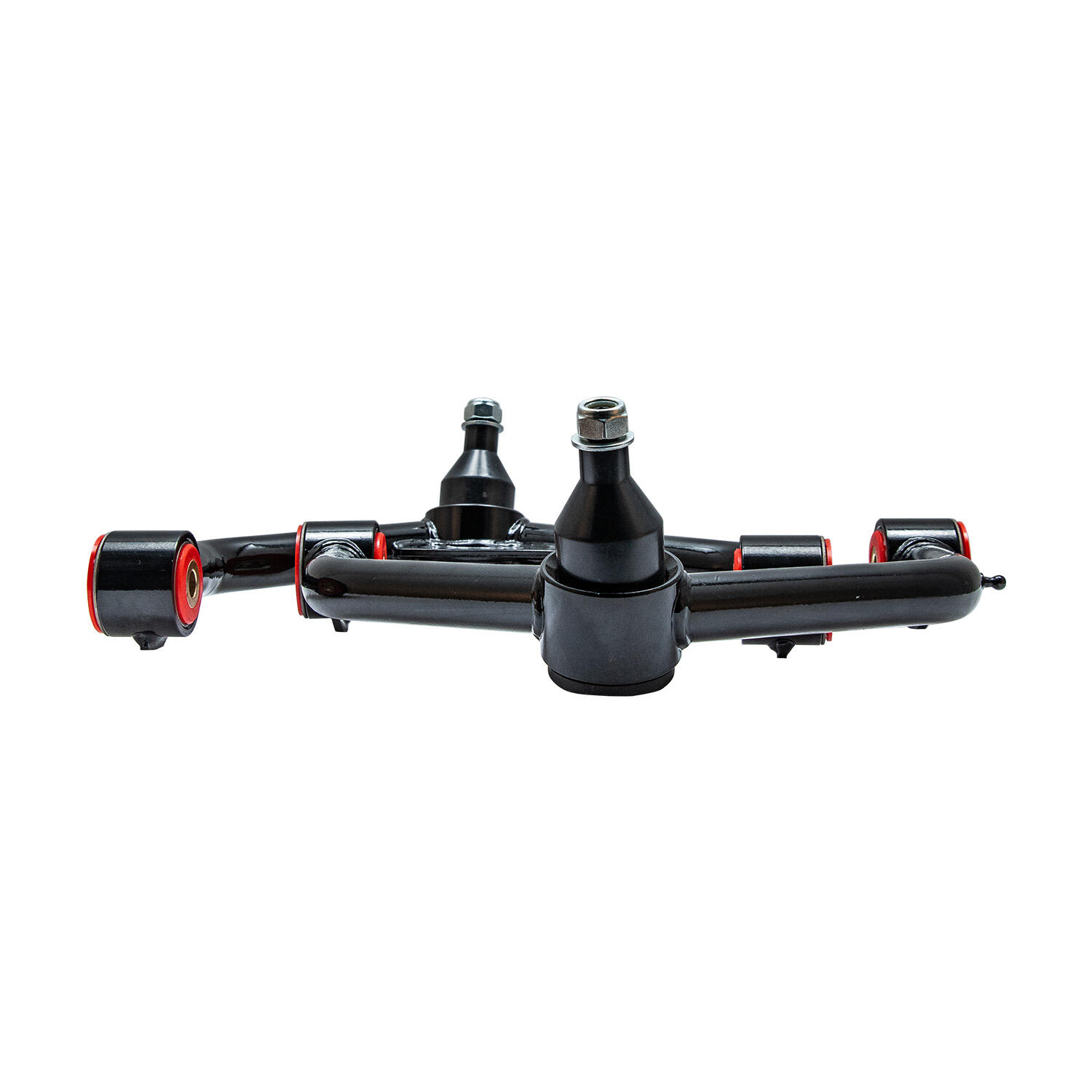
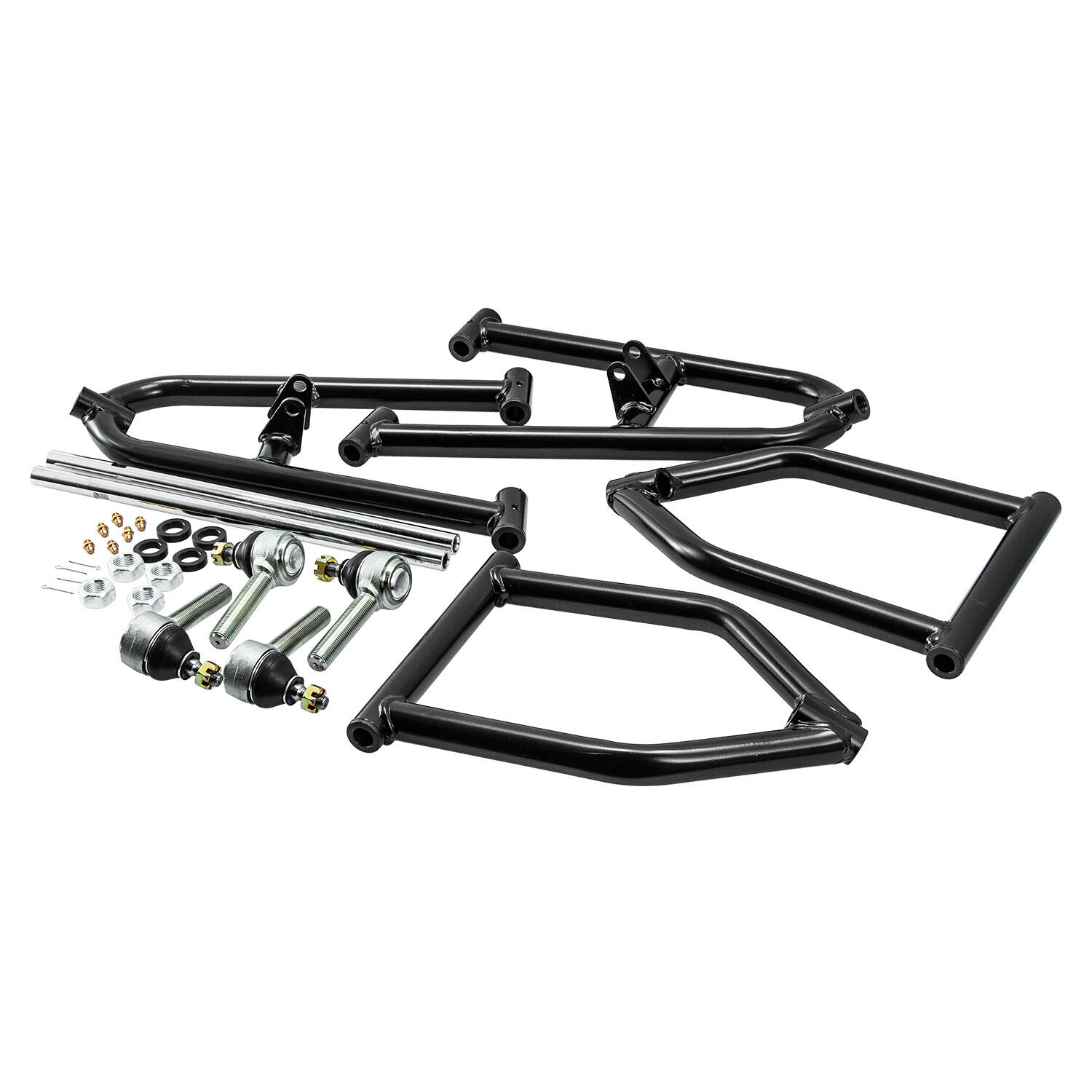
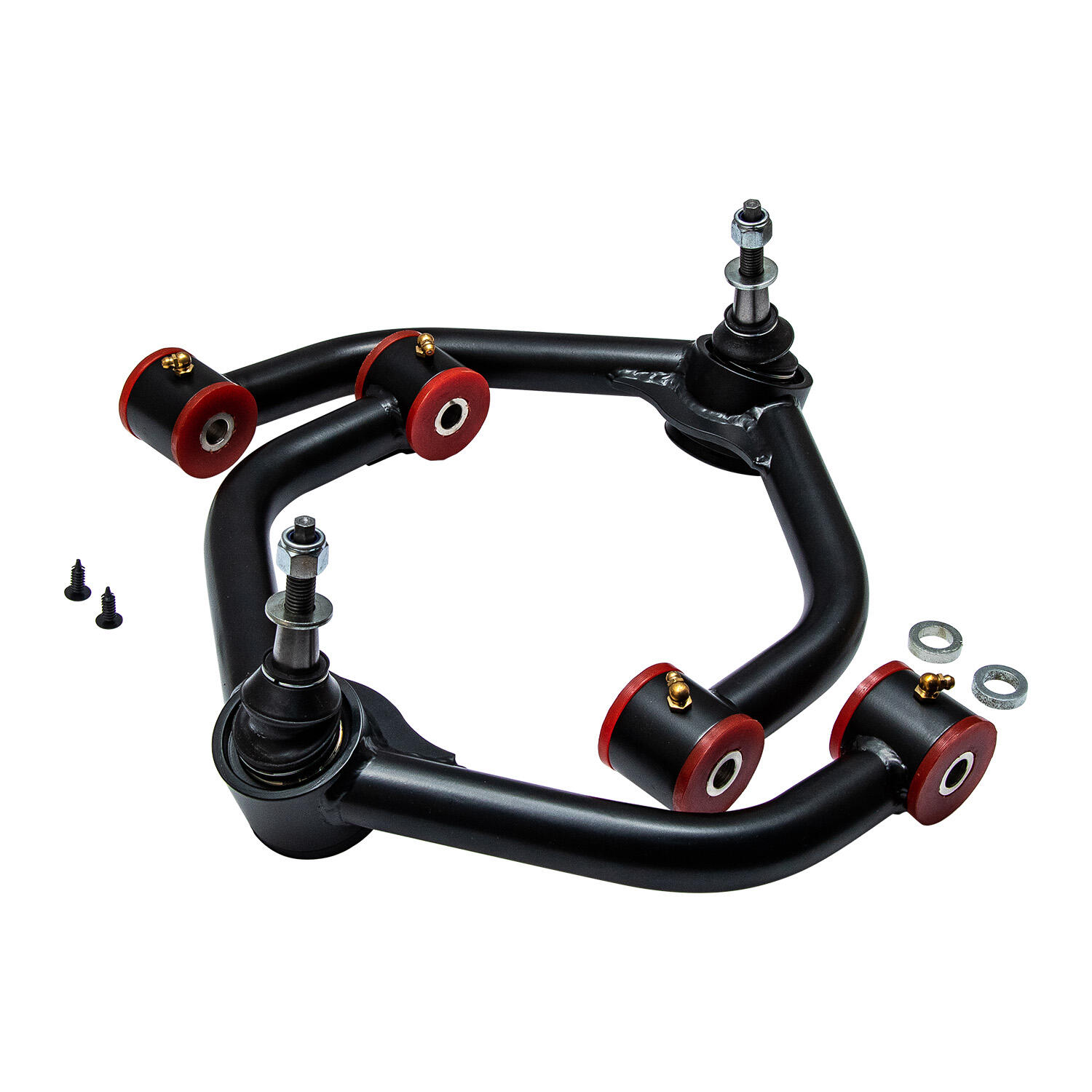
The front lower suspension arm serves as a fundamental determinant of vehicle dynamics, directly influencing how your car responds to steering inputs and maintains stability during various driving scenarios. This component's geometry and mounting configuration establish critical suspension parameters including camber angle, caster angle, and scrub radius, all of which affect handling characteristics and tire wear patterns. When you turn the steering wheel, the front lower suspension arm allows the wheel assembly to pivot smoothly while maintaining optimal tire contact with the road surface, ensuring predictable and responsive handling. The component's design incorporates specific angles and lengths that work in harmony with the upper control arm to create a virtual steering axis, enabling precise control over wheel movement throughout the suspension's travel range. During cornering maneuvers, the front lower suspension arm resists lateral forces that attempt to push the wheel outward, maintaining proper alignment and maximizing grip. This resistance to deflection becomes particularly important during aggressive driving, where the front lower suspension arm must withstand substantial side loads without compromising wheel position. The component's bushing design allows controlled compliance in specific directions while remaining rigid in others, creating a suspension system that balances comfort and performance effectively. Modern front lower suspension arms incorporate advanced geometry that minimizes bump steer, a phenomenon where wheel alignment changes during suspension compression or extension, causing unwanted steering inputs. By maintaining consistent wheel angles throughout suspension travel, the front lower suspension arm ensures your vehicle tracks straight and true over uneven surfaces. The component also plays a vital role in anti-dive characteristics during braking, helping the front lower suspension arm control weight transfer and maintain optimal brake performance. Performance-oriented designs may feature adjustable mounting points, allowing enthusiasts to fine-tune suspension geometry for specific applications, whether that involves track driving, off-road use, or daily commuting. The precision engineering of the front lower suspension arm translates directly to driver confidence, as the vehicle responds predictably to inputs and maintains composure in challenging conditions.