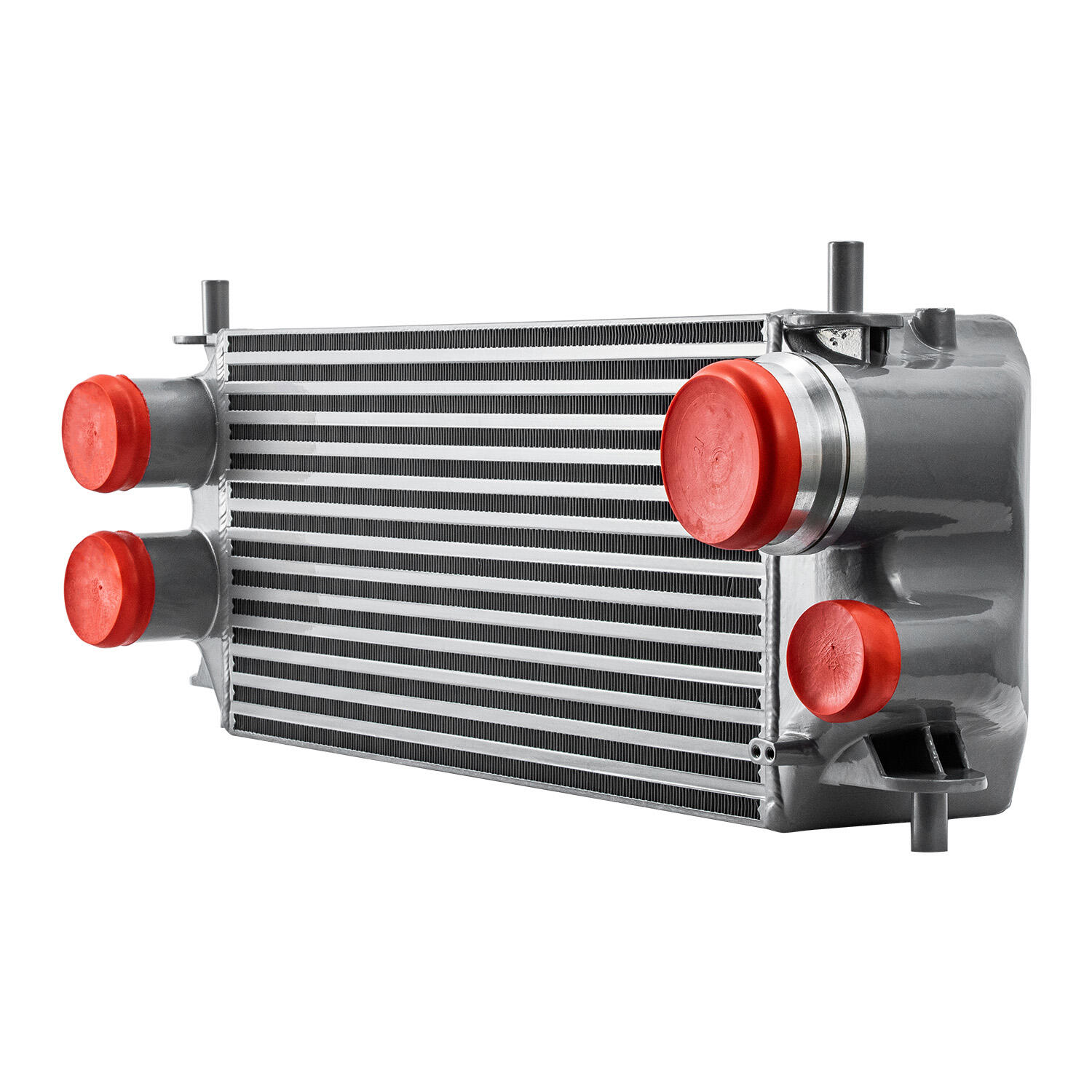
Lightweight Aluminum Construction Delivers Strength and Durability
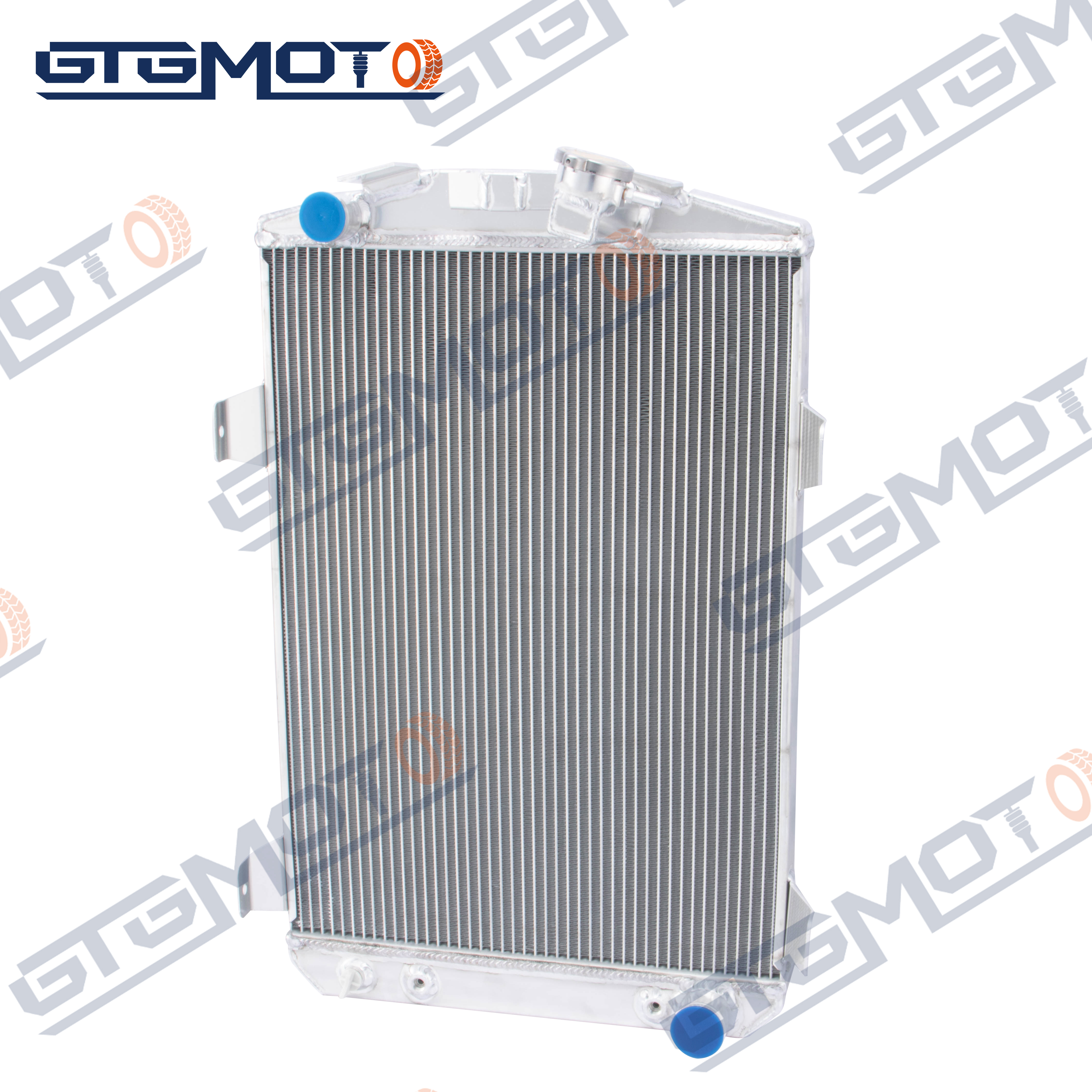
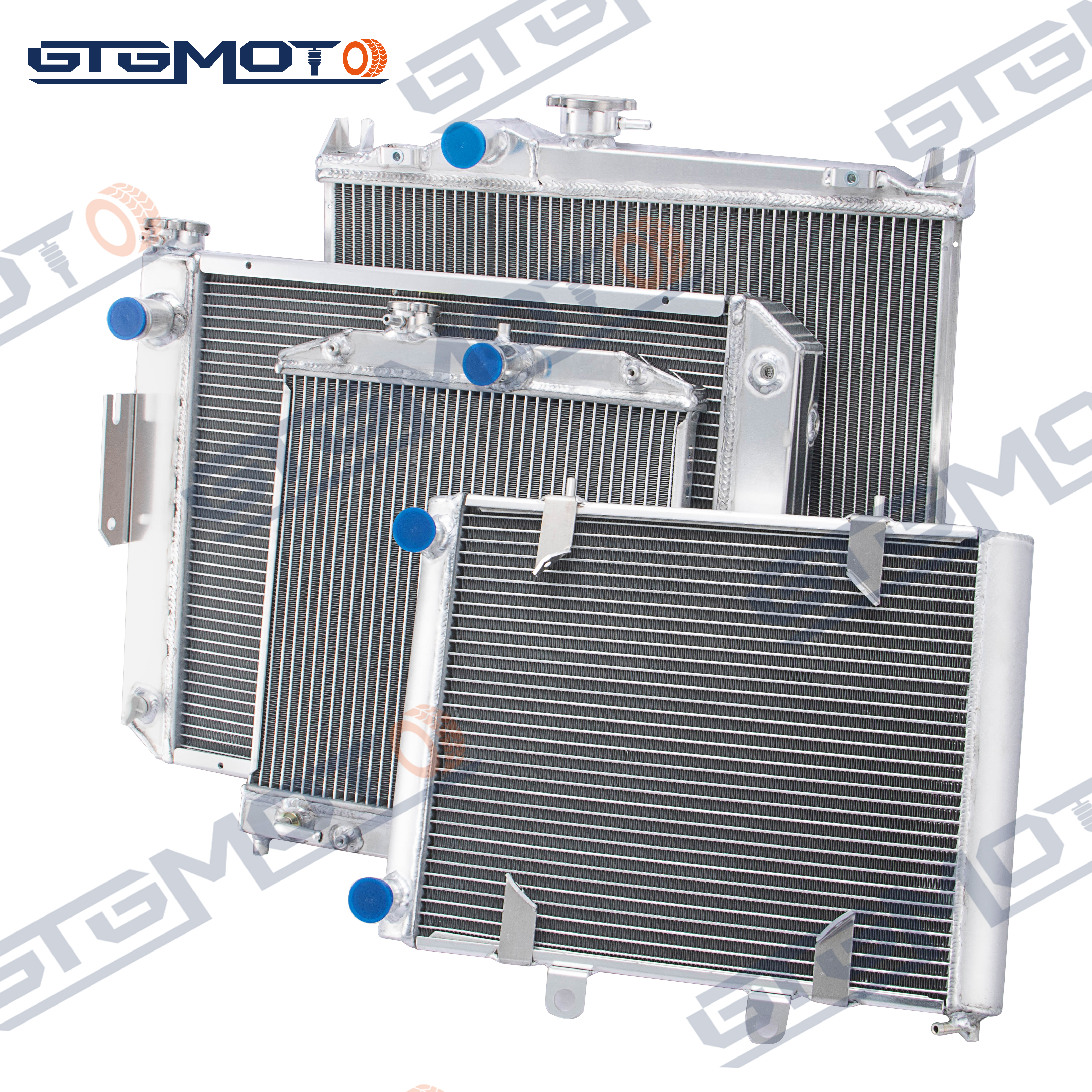
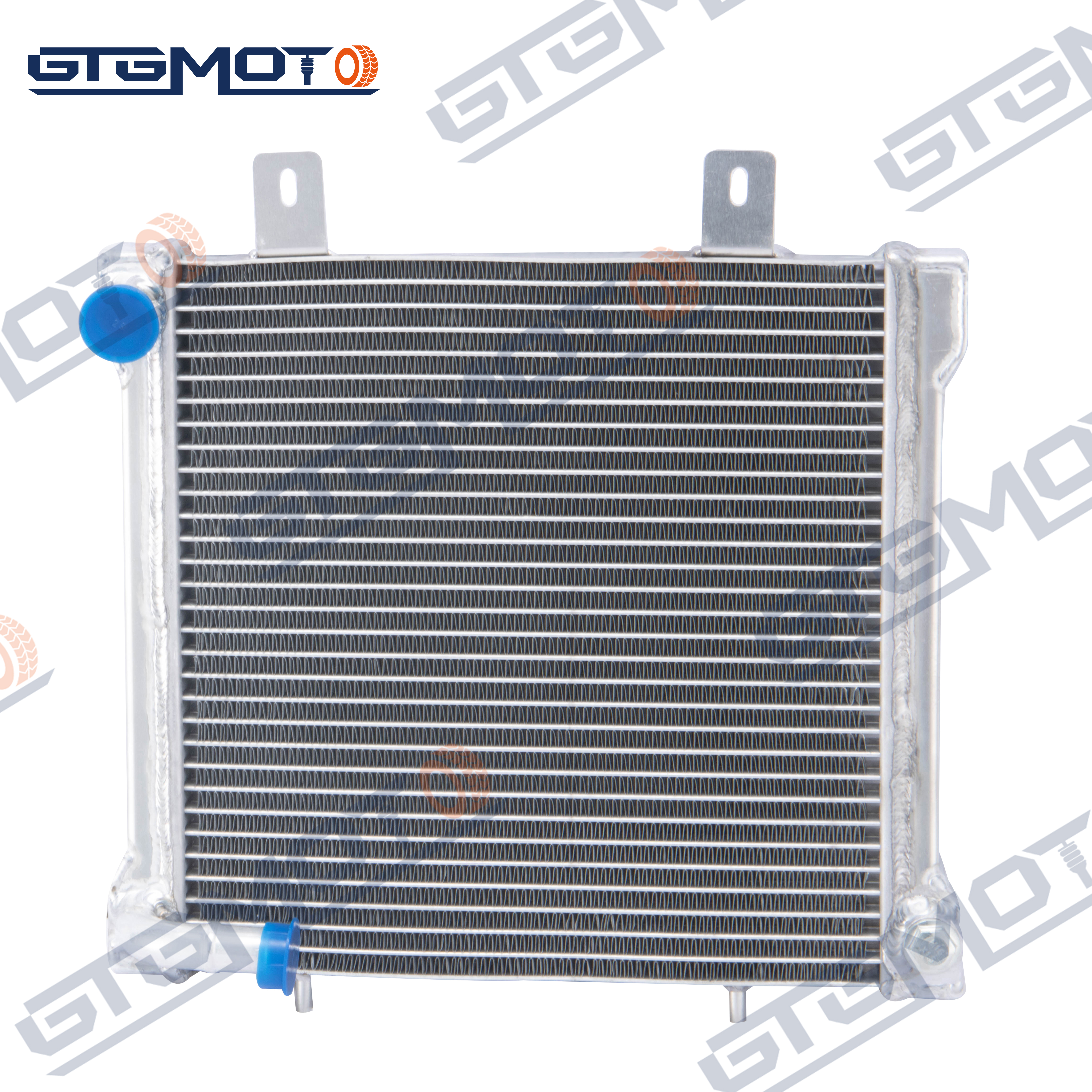
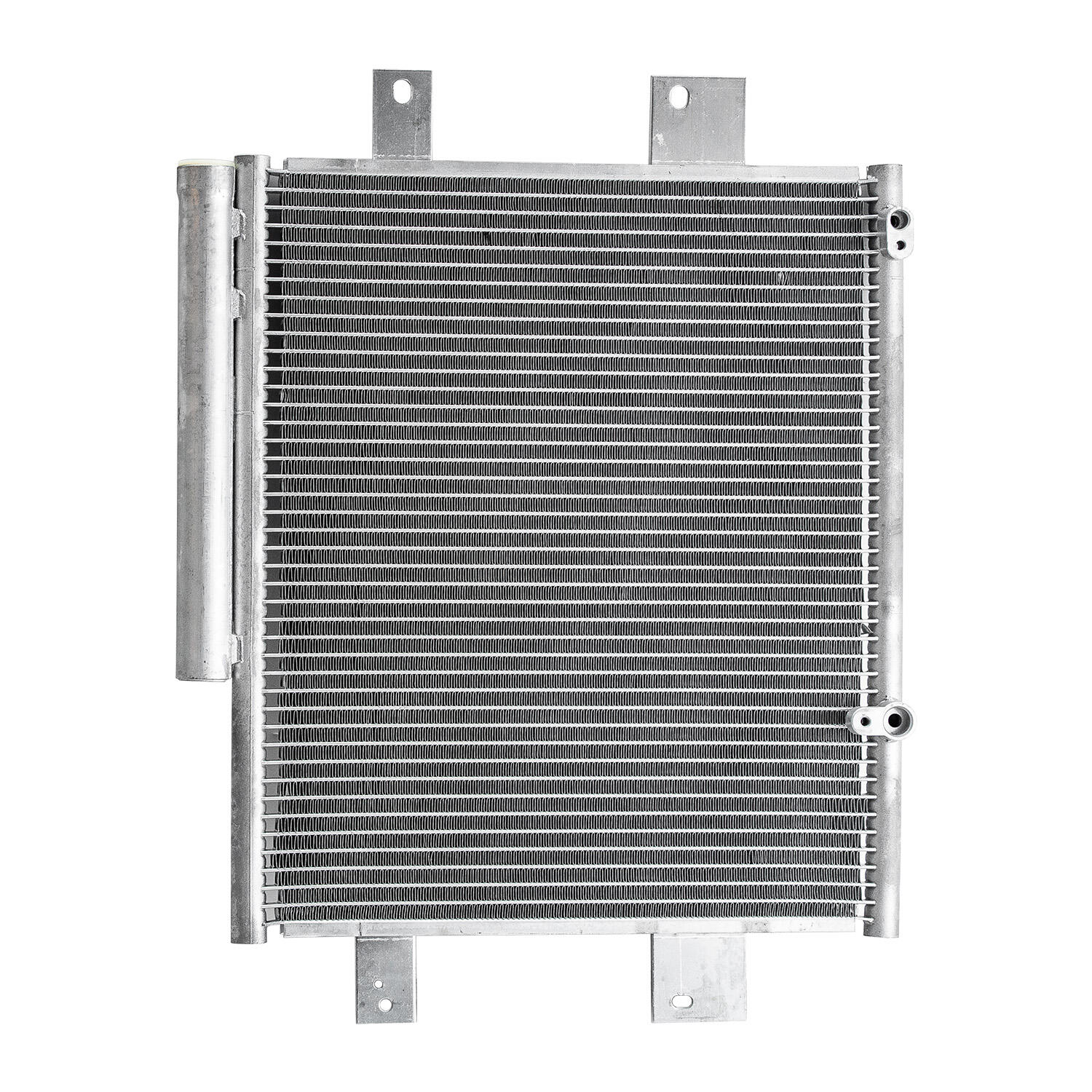
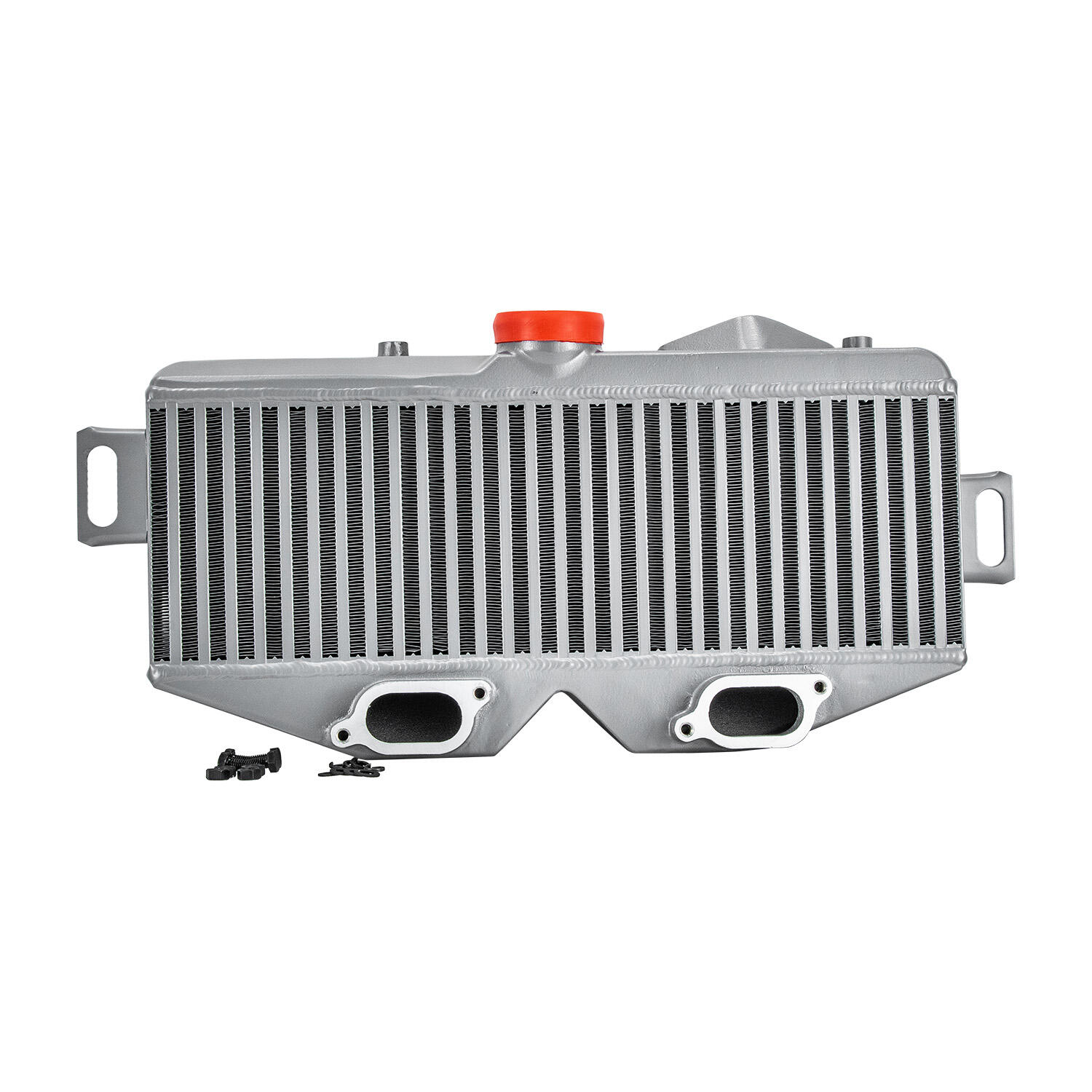
The material choice for a 3 row aluminum radiator represents a carefully considered engineering decision that balances multiple performance factors while delivering exceptional long-term value. Aluminum possesses inherent properties that make it ideally suited for radiator construction, starting with its outstanding thermal conductivity that allows heat to move rapidly through the material. This characteristic means that once hot coolant transfers its thermal energy to the aluminum tubes, that heat quickly spreads throughout the entire radiator structure, maximizing the surface area available for cooling. The lightweight nature of aluminum reduces the radiator's weight by approximately 30 to 50 percent compared to traditional copper-brass designs, a reduction that benefits vehicle dynamics by lowering front-end weight and improving weight distribution. Despite this reduced mass, aluminum radiators maintain impressive structural strength, resisting damage from road vibrations, minor impacts, and the thermal expansion cycles that occur during normal operation. The corrosion resistance of aluminum proves particularly valuable in modern cooling systems, where extended-life coolants and varying water quality can accelerate deterioration in other materials. Unlike copper-brass radiators that develop internal corrosion and scale buildup over time, aluminum radiators maintain clean internal passages that preserve coolant flow and heat transfer efficiency throughout their service life. The manufacturing process for quality aluminum radiators involves precision welding techniques that create permanent, leak-proof joints between tubes, fins, and end tanks, eliminating the mechanical connections that can loosen or fail in traditional designs. Modern aluminum alloys used in radiator construction resist fatigue and maintain their properties across extreme temperature ranges, from sub-zero winter conditions to the intense heat generated by high-performance engines. The material's recyclability adds environmental benefits, with aluminum radiators being fully recyclable at the end of their service life without loss of material properties. The polished or painted aluminum finish resists oxidation and maintains its appearance over years of service, an aesthetic consideration for enthusiasts who value engine bay presentation. The combination of light weight, strength, corrosion resistance, and thermal efficiency makes aluminum the superior choice for radiator construction, particularly in the demanding triple-row configuration where material properties directly impact overall cooling system performance and reliability.