control arm manufacturer
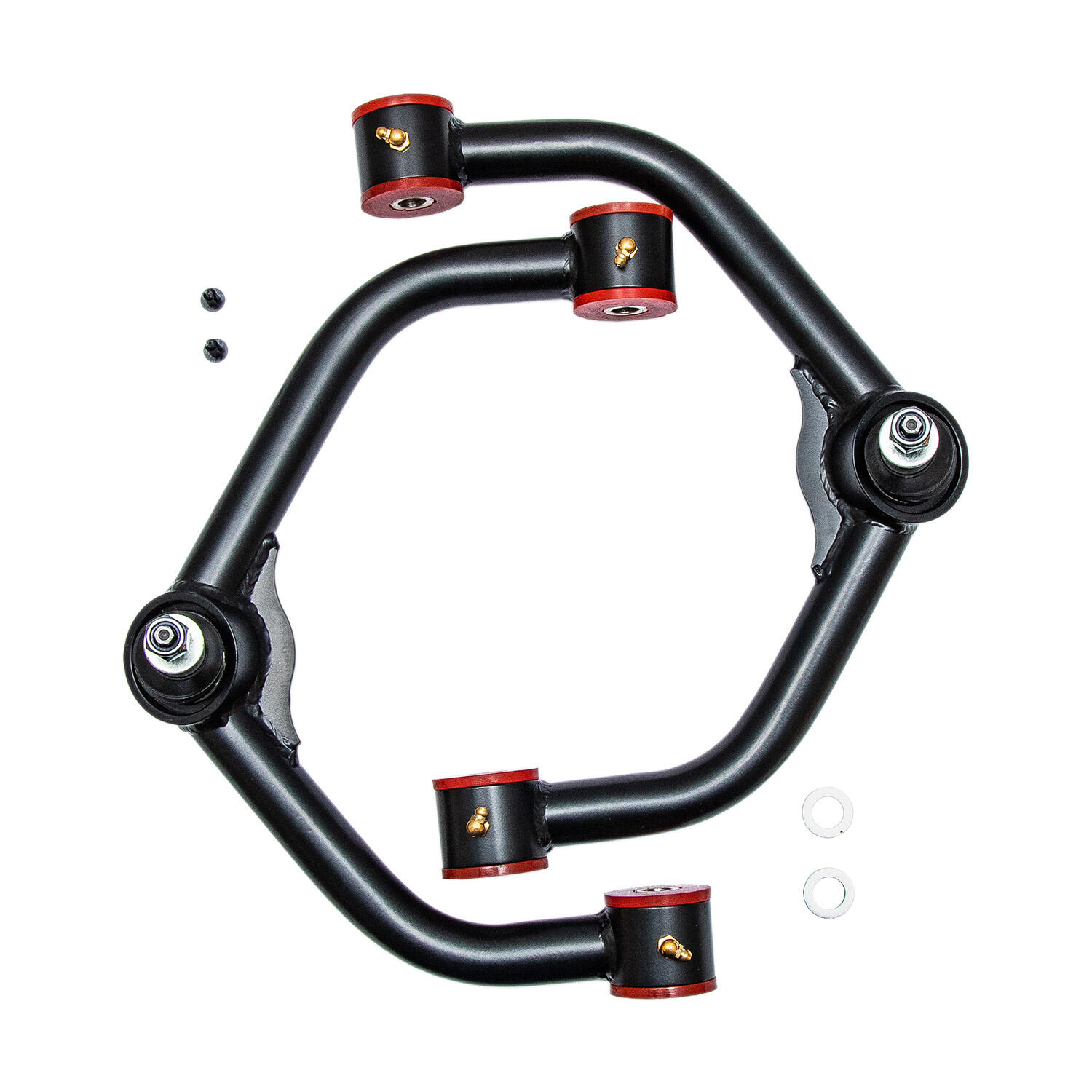
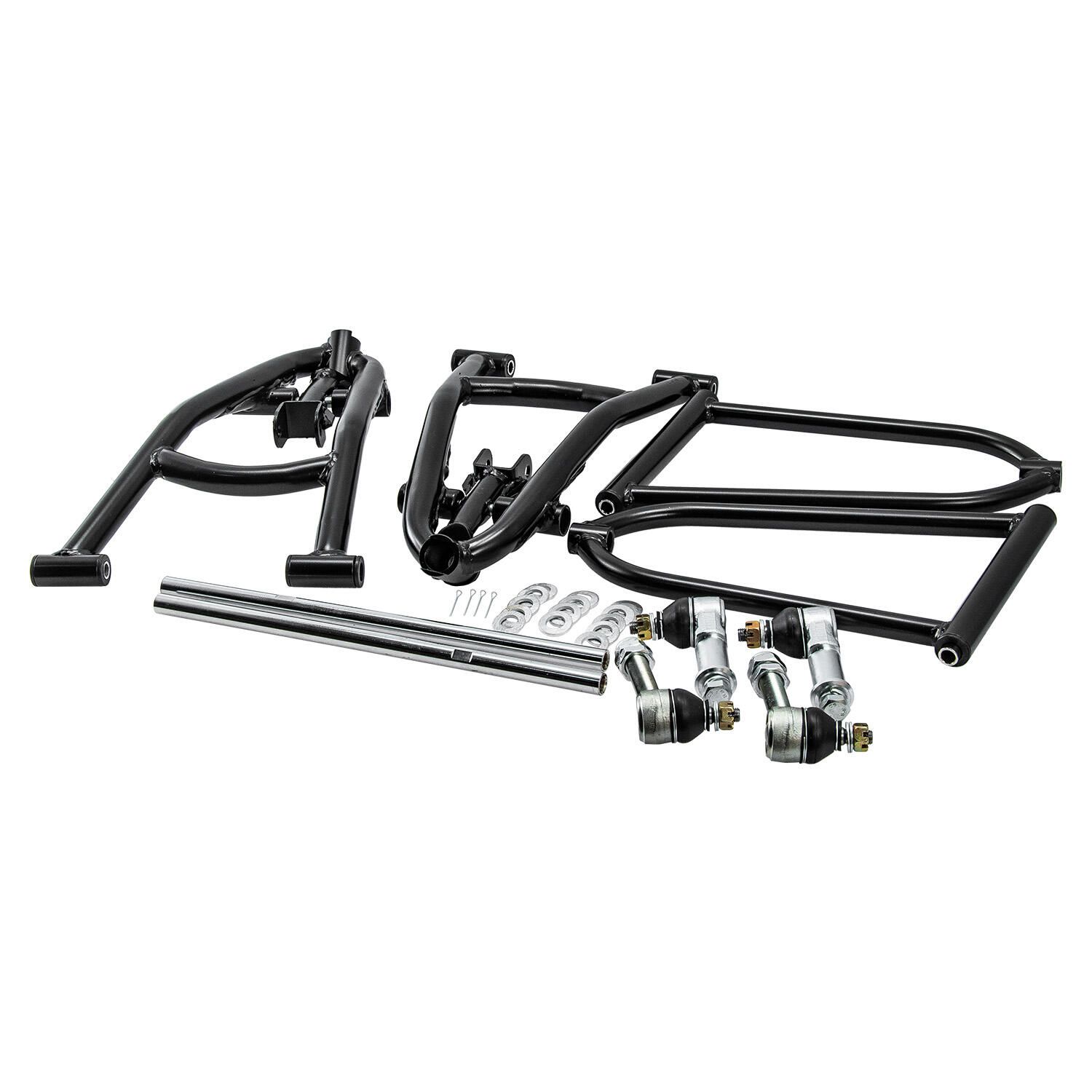
A control arm manufacturer specializes in producing suspension components that connect a vehicle's chassis to its wheels, playing a critical role in maintaining stability, handling, and ride comfort. These manufacturers design and fabricate control arms using advanced engineering processes to ensure optimal performance across various vehicle types, from passenger cars to heavy-duty trucks. The primary function of a control arm is to allow vertical movement of the wheel while preventing forward and backward motion, which directly impacts steering precision and overall vehicle safety. Modern control arm manufacturers employ sophisticated materials such as forged steel, cast aluminum, and composite alloys to achieve the perfect balance between strength and weight reduction. The manufacturing process involves precision machining, heat treatment, and rigorous quality testing to meet international automotive standards. These components must withstand constant stress from road irregularities, cornering forces, and braking loads throughout their service life. Leading control arm manufacturers integrate computer-aided design software and finite element analysis to optimize structural integrity while minimizing material usage. They produce various configurations including upper and lower control arms, A-arms, and wishbone designs tailored to specific suspension geometries. The technological features incorporated by top-tier manufacturers include advanced bushing systems that reduce noise and vibration, corrosion-resistant coatings for extended durability, and precision-engineered ball joint mounting points for smooth articulation. Applications span the entire automotive industry, serving original equipment manufacturers for new vehicle production and the aftermarket sector for replacement parts. Control arm manufacturers also cater to specialized markets including performance vehicles, off-road applications, and commercial fleet operations. Their products directly influence vehicle dynamics, affecting parameters such as camber angle, caster angle, and suspension travel. Quality control arm manufacturers maintain certifications like ISO/TS 16949 and implement lean manufacturing principles to ensure consistent product quality and competitive pricing for their global customer base.