Enhanced Reliability and Extended Service Life
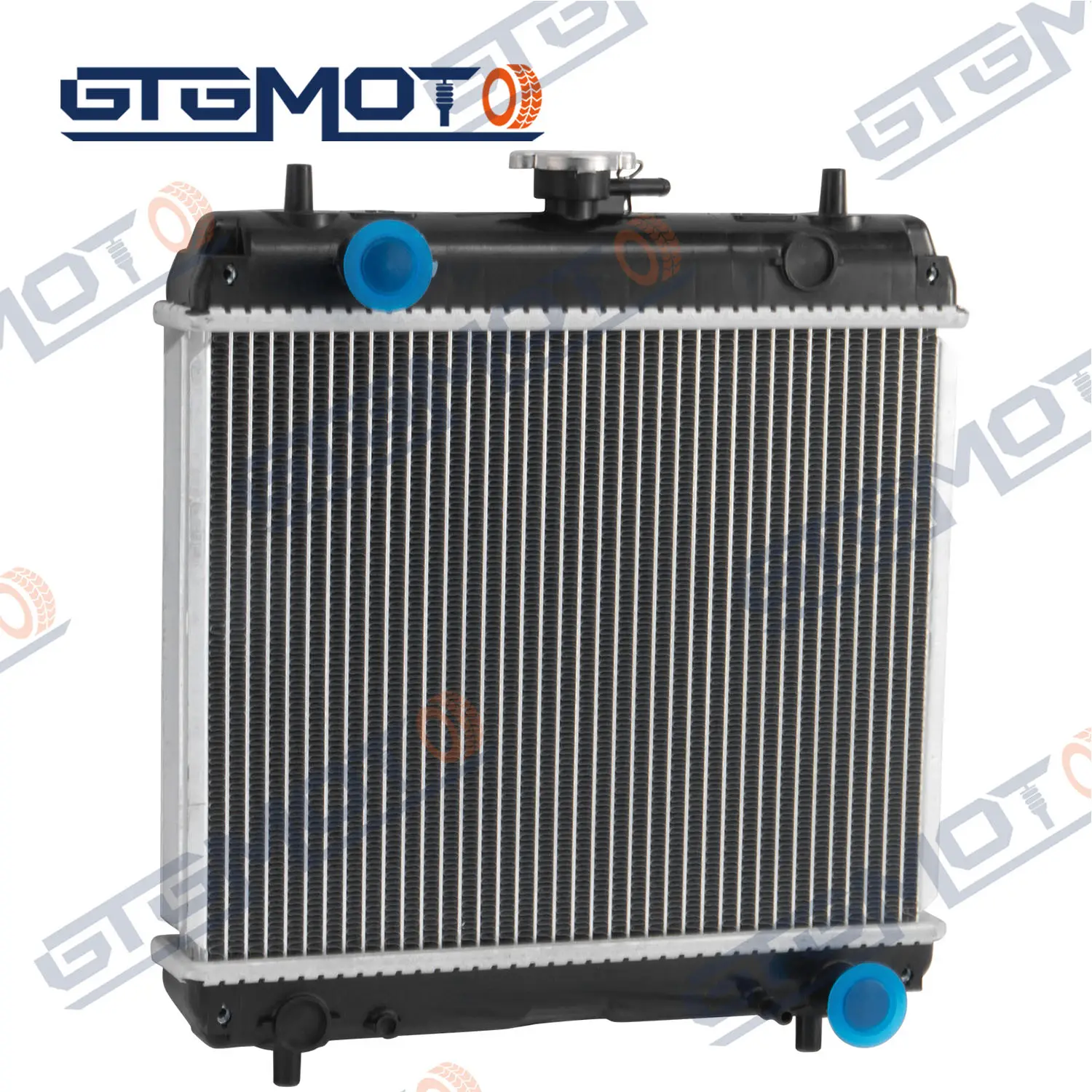
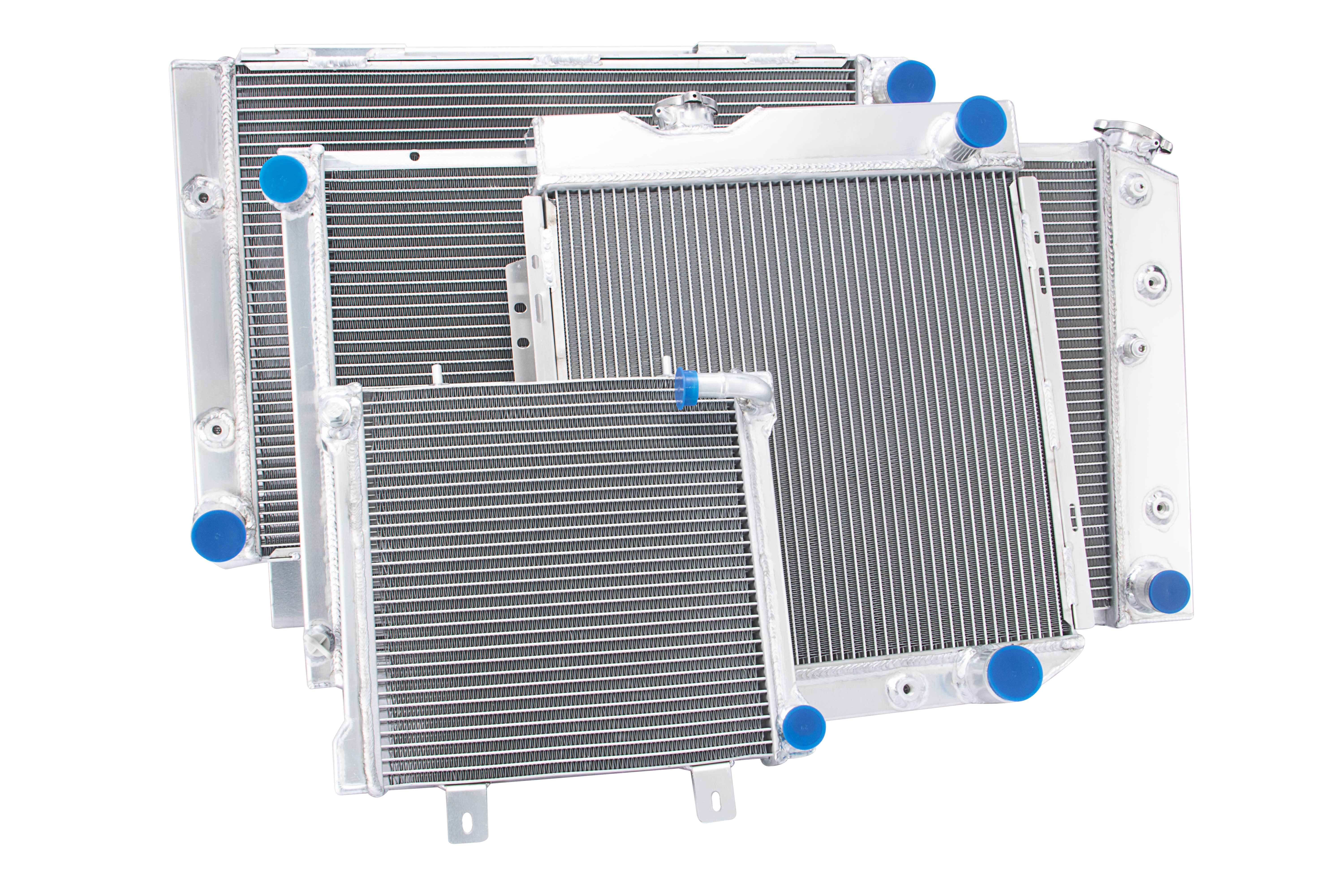
Reliability stands as a cornerstone benefit of quality 2 row radiators, stemming from robust construction methods and superior materials that withstand years of demanding service. The dual-row design inherently provides redundancy that single-row units cannot match, as partial blockage or reduced efficiency in one row still allows the second row to maintain cooling function. This redundancy proves invaluable in preventing catastrophic overheating events that could destroy engines or require expensive emergency repairs. Manufacturing quality directly impacts longevity, with reputable manufacturers employing rigorous testing protocols including pressure testing, thermal cycling, and vibration testing to ensure each radiator meets stringent durability standards. The header tanks, which collect and distribute coolant to the tube rows, are engineered with reinforced construction and secure attachment methods that prevent separation under pressure and temperature stress. Plastic tank designs incorporate glass-filled nylon or similar high-strength polymers that resist cracking from thermal expansion cycles, while aluminum tank versions offer superior strength and heat dissipation properties. The core-to-tank connection represents a critical failure point in radiator design, and quality 2 row radiators utilize proven joining techniques such as crimping, brazing, or welding to create leak-proof seals that endure throughout the radiator's service life. Corrosion protection extends radiator longevity significantly, with modern units featuring protective coatings on both internal and external surfaces. Internal coatings resist degradation from coolant chemicals and electrolysis, while external finishes protect against road salt, moisture, and environmental contaminants. The 2 row radiator design also facilitates easier cleaning and maintenance compared to denser multi-row configurations, as the spacing between rows allows better access for flushing debris and removing accumulated contaminants. Regular maintenance becomes more effective, helping owners maximize their investment by keeping the radiator operating at peak efficiency for extended periods. Quality control during manufacturing ensures consistent performance across production runs, with automated processes and human inspection catching defects before radiators reach customers. Warranty coverage from reputable manufacturers provides additional peace of mind, typically ranging from one to three years depending on the application and price point, demonstrating manufacturer confidence in product durability and reliability.