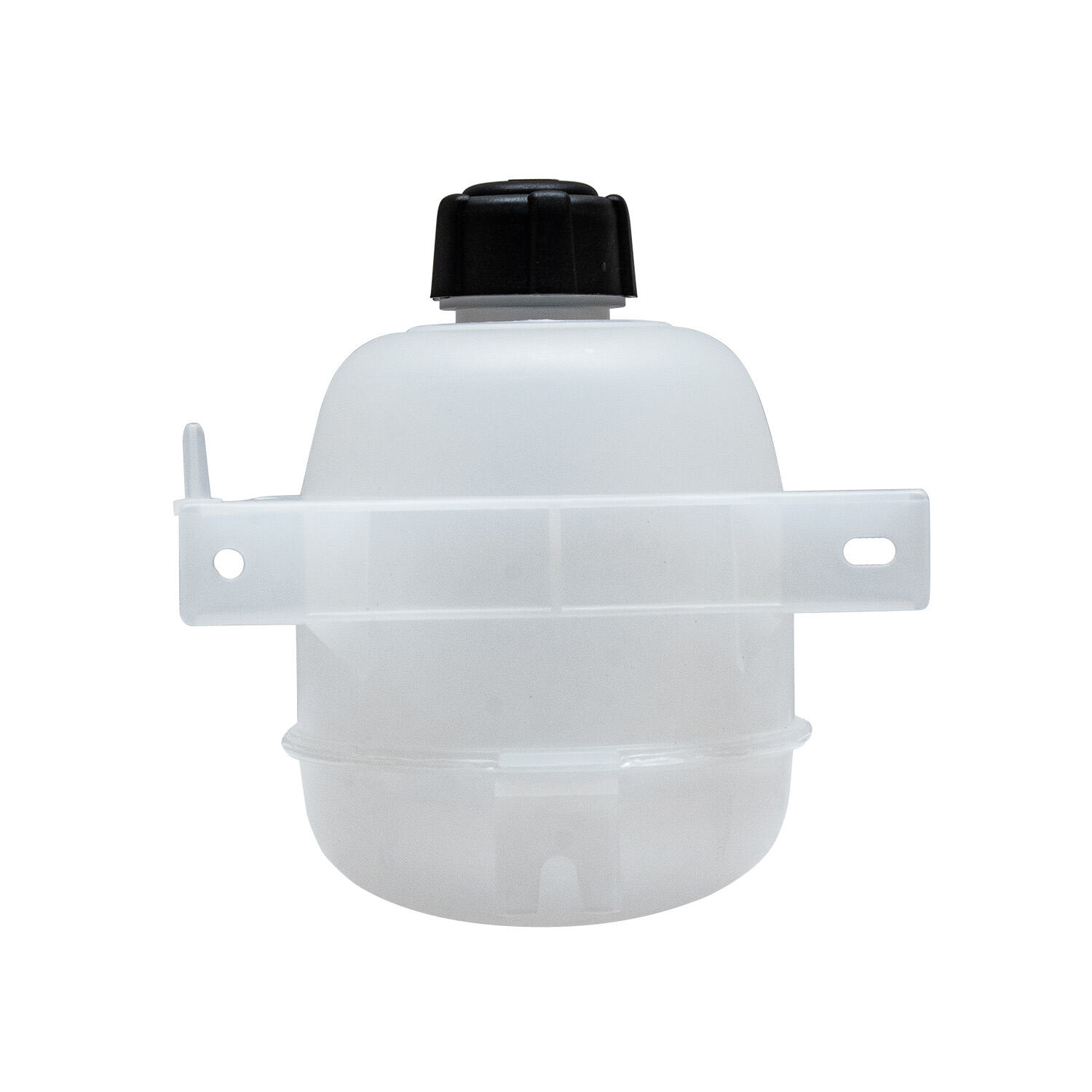
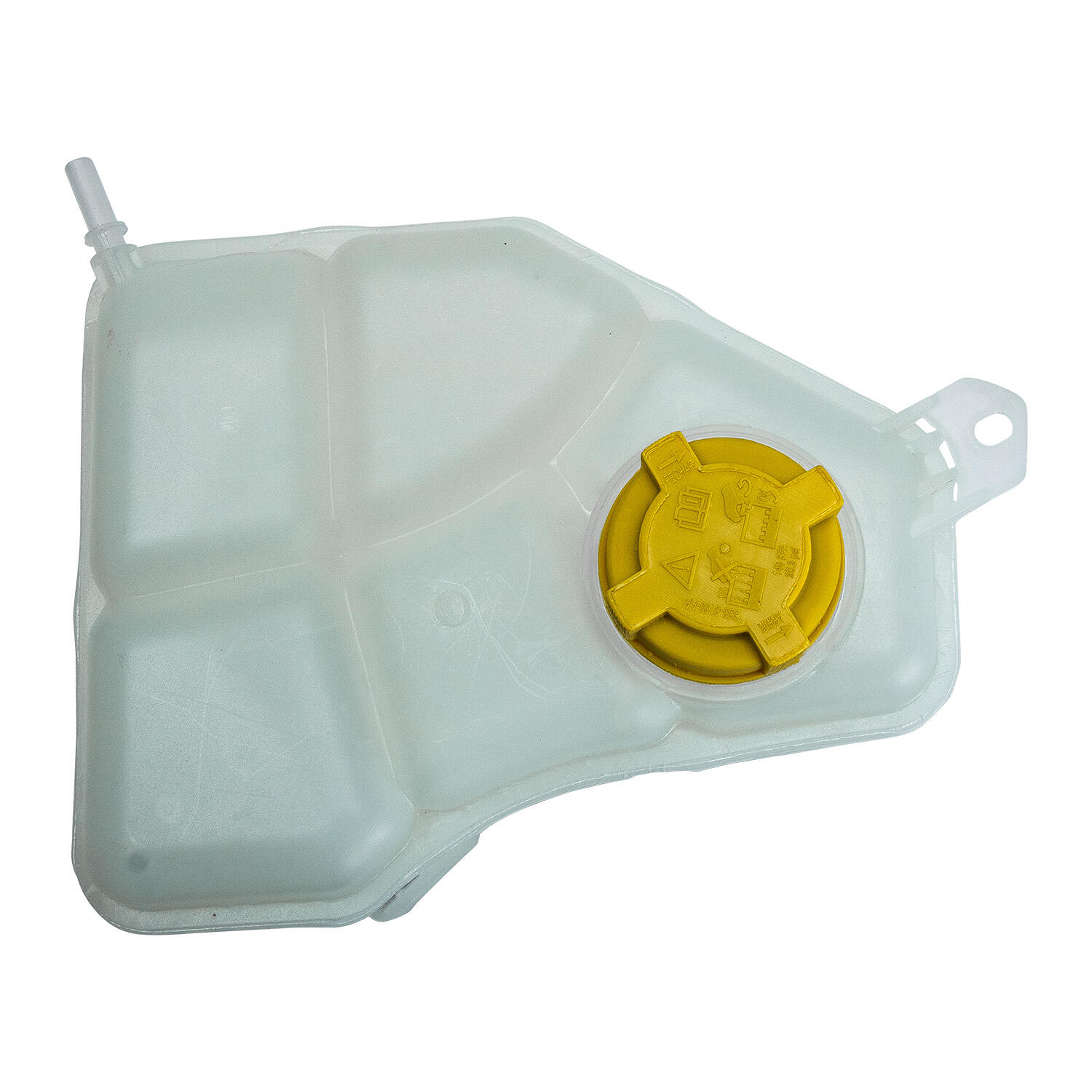
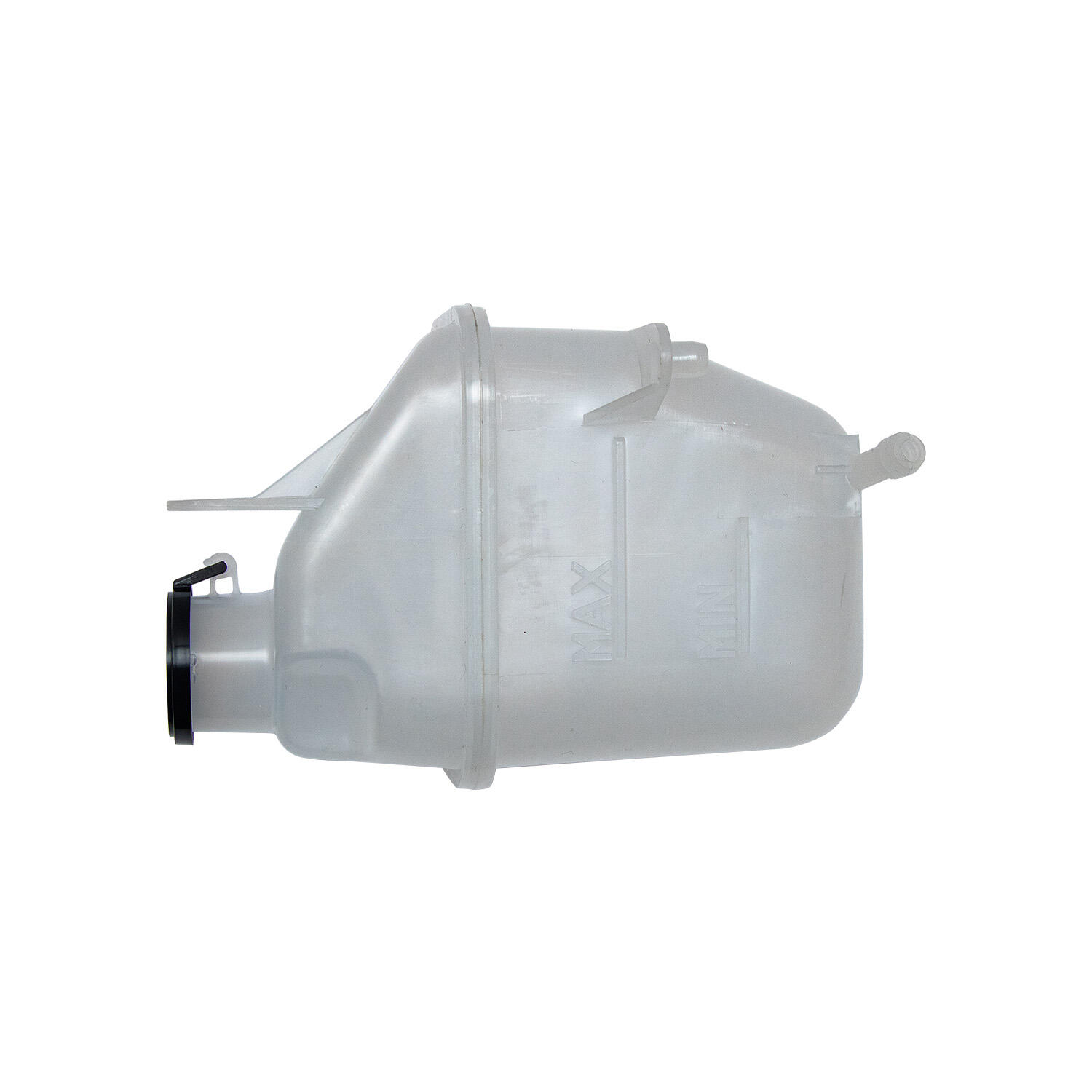
Aluminium Coolant Overflow Tank - High-Performance Cooling System Reservoir for Enhanced Engine Protection

All Categories

Get a Free Quote

Our representative will contact you soon.
Email
Name
Company Name
WhatsApp
Message
0/1000

aluminium coolant overflow tank

An aluminium coolant overflow tank serves as a critical component in modern vehicle cooling systems, designed to manage excess coolant fluid that expands when the engine reaches operating temperature. This reservoir captures overflow coolant from the radiator, stores it temporarily, and returns it to the cooling system as temperatures decrease and fluid contracts. The aluminium coolant overflow tank functions as both a safety mechanism and an efficiency enhancer, preventing coolant loss while maintaining optimal pressure levels throughout the engine's thermal cycles. Constructed from lightweight yet durable aluminium alloy, these tanks offer superior heat dissipation properties compared to traditional plastic alternatives. The material choice provides exceptional resistance to corrosion, thermal stress, and mechanical impact, ensuring long-term reliability in demanding automotive environments. Modern aluminium coolant overflow tank designs incorporate precision-engineered fittings, pressure-rated caps, and level indicators that allow drivers to monitor coolant levels at a glance. The tank connects to the radiator through a dedicated overflow hose, creating a closed-loop system that maximizes coolant retention and minimizes environmental contamination. Advanced manufacturing techniques produce seamless construction with reinforced mounting points, eliminating potential leak paths and structural weak points. The polished or anodized finish not only enhances aesthetic appeal but also provides an additional protective layer against chemical degradation from coolant additives and environmental exposure. Performance enthusiasts and professional mechanics recognize the aluminium coolant overflow tank as an essential upgrade for high-performance applications, racing vehicles, and heavy-duty trucks where cooling system reliability directly impacts engine longevity and performance consistency. The tank's capacity is carefully calculated to accommodate the specific expansion characteristics of different coolant formulations and engine sizes, ensuring adequate reserve volume without excessive weight or space requirements.

Popular Products

Choosing an aluminium coolant overflow tank delivers multiple practical benefits that directly improve your vehicle's cooling system performance and longevity. The lightweight nature of aluminium construction reduces overall vehicle weight compared to steel alternatives, contributing to improved fuel efficiency and handling characteristics without compromising structural integrity. This weight advantage becomes particularly significant in performance applications where every pound matters for acceleration and cornering dynamics. The superior thermal conductivity of aluminium allows the overflow tank to dissipate heat more effectively than plastic reservoirs, helping maintain lower coolant temperatures throughout the system and reducing the risk of overheating during extended high-load operation. Durability stands as a primary advantage, as aluminium resists cracking, warping, and degradation from prolonged exposure to high temperatures and aggressive coolant chemicals that commonly cause plastic tanks to fail prematurely. The robust construction withstands vibration, road debris impact, and underhood temperature extremes that would compromise lesser materials, providing reliable service for years without requiring replacement. Maintenance becomes simpler with an aluminium coolant overflow tank because the material does not become brittle or discolored over time, making visual inspections more accurate and leak detection more straightforward. The corrosion resistance inherent to aluminium alloys, especially when anodized or coated, prevents rust formation and chemical reactions that could contaminate the coolant or weaken the tank structure. Installation proves straightforward as most aluminium coolant overflow tank designs feature universal mounting configurations and standard fitting sizes that integrate seamlessly with existing cooling system components. The professional appearance of polished or finished aluminium enhances engine bay aesthetics, appealing to enthusiasts who value both function and form in their vehicle modifications. Cost-effectiveness emerges over the product lifecycle, as the extended service life and reduced maintenance requirements offset the initial investment compared to repeatedly replacing inferior plastic tanks. Environmental benefits include recyclability at end of life, as aluminium can be reclaimed and repurposed without quality loss, supporting sustainable automotive practices. The pressure tolerance of aluminium construction allows the tank to safely handle higher system pressures common in modern turbocharged and high-performance engines without bulging or failure. Customization options abound, with manufacturers offering various capacities, mounting configurations, and finish options to match specific vehicle requirements and personal preferences, ensuring optimal fitment and performance for diverse applications.

Practical Tips

Which core designs affect aluminium intercooler cooling efficiency?

30

Mar

Which core designs affect aluminium intercooler cooling efficiency?

The core design of an aluminium intercooler represents the most critical factor determining cooling efficiency in turbocharged and supercharged engines. Modern automotive applications demand precise understanding of how different core configurations ...
View More
How are aluminium intercoolers customized for different engine setups?

30

Mar

How are aluminium intercoolers customized for different engine setups?

Customizing aluminium intercoolers for different engine setups requires precise engineering to match thermal performance, airflow characteristics, and physical dimensions to specific engine requirements. Modern turbocharged and supercharged engines d...
View More
How do factories test aluminium intercoolers for performance consistency?

21

Apr

How do factories test aluminium intercoolers for performance consistency?

Manufacturing facilities employ rigorous testing protocols to ensure aluminium intercoolers deliver consistent performance across production batches. These comprehensive evaluation procedures combine thermal analysis, pressure testing, and flow rate ...
View More
2025 Guide: How to Choose the Right Intercooler Tube

26

May

2025 Guide: How to Choose the Right Intercooler Tube

Selecting the right intercooler tube for your vehicle is a critical decision that directly impacts engine performance, fuel efficiency, and long-term reliability. As forced induction systems continue to evolve in 2025, the intercooler tube has become...
View More

Get a Free Quote

Our representative will contact you soon.
Email
Name
Company Name
WhatsApp
Message
0/1000

aluminium coolant overflow tank

Enhanced Durability and Temperature Resistance

Enhanced Durability and Temperature Resistance

The aluminium coolant overflow tank demonstrates exceptional durability characteristics that fundamentally distinguish it from conventional plastic alternatives, providing vehicle owners with a cooling system component engineered for extreme conditions and extended service life. Aluminium alloy construction inherently resists the thermal cycling stress that causes plastic tanks to develop micro-cracks and eventual catastrophic failure, maintaining structural integrity through countless heating and cooling cycles that occur during normal vehicle operation. The material's high melting point and thermal stability ensure the tank maintains its shape and sealing properties even when exposed to underhood temperatures exceeding 200 degrees Fahrenheit, conditions that would cause plastic to soften, warp, or deform. This temperature resistance proves particularly valuable in performance applications, turbocharged engines, and vehicles operating in hot climates where cooling system components face sustained thermal stress. The aluminium coolant overflow tank withstands mechanical impacts from road debris, tool contact during maintenance, and vibration-induced stress without cracking or puncturing, hazards that frequently damage plastic reservoirs and lead to coolant loss and potential engine damage. Corrosion resistance represents another critical durability advantage, as modern aluminium alloys and protective coatings prevent oxidation and chemical attack from coolant additives, ensuring the internal surfaces remain smooth and free from contamination that could circulate through the cooling system. The robust construction eliminates common failure modes associated with plastic tanks, including stress cracking around mounting points, degradation of threaded fittings, and brittleness from UV exposure and age-related material breakdown. Long-term cost savings emerge from this enhanced durability, as vehicle owners avoid repeated replacement expenses and the inconvenience of cooling system failures that interrupt vehicle use and potentially cause expensive engine damage from overheating. The aluminium coolant overflow tank maintains consistent performance characteristics throughout its service life, with no degradation in pressure tolerance, sealing capability, or structural strength that would compromise cooling system efficiency or safety.
Superior Heat Dissipation and Cooling Efficiency

Superior Heat Dissipation and Cooling Efficiency

The thermal management capabilities of an aluminium coolant overflow tank significantly enhance overall cooling system performance through superior heat dissipation properties that actively contribute to maintaining optimal engine temperatures. Aluminium's exceptional thermal conductivity, approximately 200 times greater than plastic materials, allows the overflow tank to function as an auxiliary heat exchanger, radiating thermal energy from stored coolant to the surrounding air and reducing the temperature of fluid before it returns to the radiator. This heat dissipation effect becomes particularly beneficial during high-load conditions such as towing, racing, or extended highway driving when cooling system capacity approaches its limits and every degree of temperature reduction matters for preventing overheating. The aluminium coolant overflow tank's ability to shed heat helps stabilize coolant temperatures during thermal cycling, reducing the frequency and magnitude of expansion and contraction that stresses hoses, seals, and other cooling system components. Performance enthusiasts recognize this thermal advantage as crucial for maintaining consistent engine temperatures during track sessions or competitive events where cooling system efficiency directly impacts power output and reliability. The material's heat transfer characteristics also accelerate coolant cooling during vehicle shutdown, reducing heat soak into surrounding components and minimizing thermal stress on engine bay electronics and rubber components. Engineering analysis demonstrates that an aluminium coolant overflow tank can reduce stored coolant temperature by 10 to 15 degrees Fahrenheit compared to insulating plastic alternatives, a meaningful improvement that enhances overall system capacity without requiring larger radiators or additional cooling modifications. This passive cooling benefit operates continuously without requiring additional energy input, fans, or complex mechanisms, providing efficiency gains through intelligent material selection and design. The temperature reduction achieved by the aluminium coolant overflow tank also extends coolant service life by minimizing thermal degradation of corrosion inhibitors and additives, reducing maintenance frequency and protecting expensive engine components from corrosion and scale formation. Vehicle owners operating in extreme conditions or demanding applications gain measurable performance advantages from the enhanced thermal management that an aluminium coolant overflow tank provides, translating to improved reliability and reduced risk of cooling system failure.
Professional Installation and Universal Compatibility

Professional Installation and Universal Compatibility

The aluminium coolant overflow tank offers exceptional installation flexibility and compatibility characteristics that simplify integration into diverse vehicle platforms while delivering professional results that enhance both function and appearance. Manufacturers design these tanks with universal mounting provisions including multiple bracket locations, adjustable positioning options, and standard fitting sizes that accommodate various vehicle configurations without requiring custom fabrication or modification. The precision manufacturing processes used to produce aluminium coolant overflow tank components ensure consistent dimensions, proper thread engagement, and reliable sealing surfaces that eliminate fitment issues and installation frustration common with lower-quality alternatives. Professional installers and DIY enthusiasts alike appreciate the straightforward installation process, which typically requires only basic hand tools and minimal time investment to achieve secure mounting and proper system integration. The aluminium coolant overflow tank includes all necessary hardware, fittings, and detailed instructions that guide users through proper installation procedures, ensuring correct orientation, secure attachment, and leak-free connections to existing cooling system components. Compatibility extends across multiple vehicle types including passenger cars, trucks, SUVs, performance vehicles, and racing applications, with manufacturers offering specific models optimized for popular platforms while maintaining universal design principles that allow adaptation to custom installations. The robust mounting provisions of an aluminium coolant overflow tank accommodate various installation locations including fenderwell mounting, core support attachment, and firewall positioning, providing flexibility to optimize space utilization and maintain accessibility for maintenance procedures. Thread compatibility with standard NPT, AN, and metric fittings ensures seamless connection to existing hoses, sensors, and pressure caps without requiring adapters or specialized components that complicate installation and create potential leak points. The professional appearance of a properly installed aluminium coolant overflow tank enhances engine bay aesthetics with clean lines, quality finishes, and purposeful design that reflects attention to detail and commitment to quality components. Vehicle owners gain confidence from the secure installation and proven reliability of aluminium construction, knowing their cooling system incorporates a component engineered to withstand demanding conditions and provide years of trouble-free service. The universal compatibility and installation ease of an aluminium coolant overflow tank make it an accessible upgrade for vehicle owners seeking improved cooling system performance without extensive modification or specialized expertise, democratizing access to professional-grade components previously available only through custom fabrication or expensive OEM alternatives.

Get a Quote Get a Quote Email Email WhatsApp WhatsApp WeChat WeChat
WeChat
TopTop

Get a Free Quote

Our representative will contact you soon.
Email
Name
Company Name
WhatsApp
Message
0/1000

Get a Free Quote

Our representative will contact you soon.
Email
Name
Company Name
WhatsApp
Message
0/1000

Get a Free Quote

Our representative will contact you soon.
Email
Name
Company Name
WhatsApp
Message
0/1000