Enhanced Reliability and Reduced Maintenance Requirements
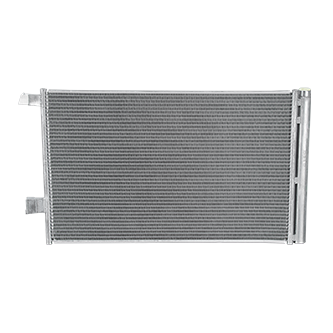
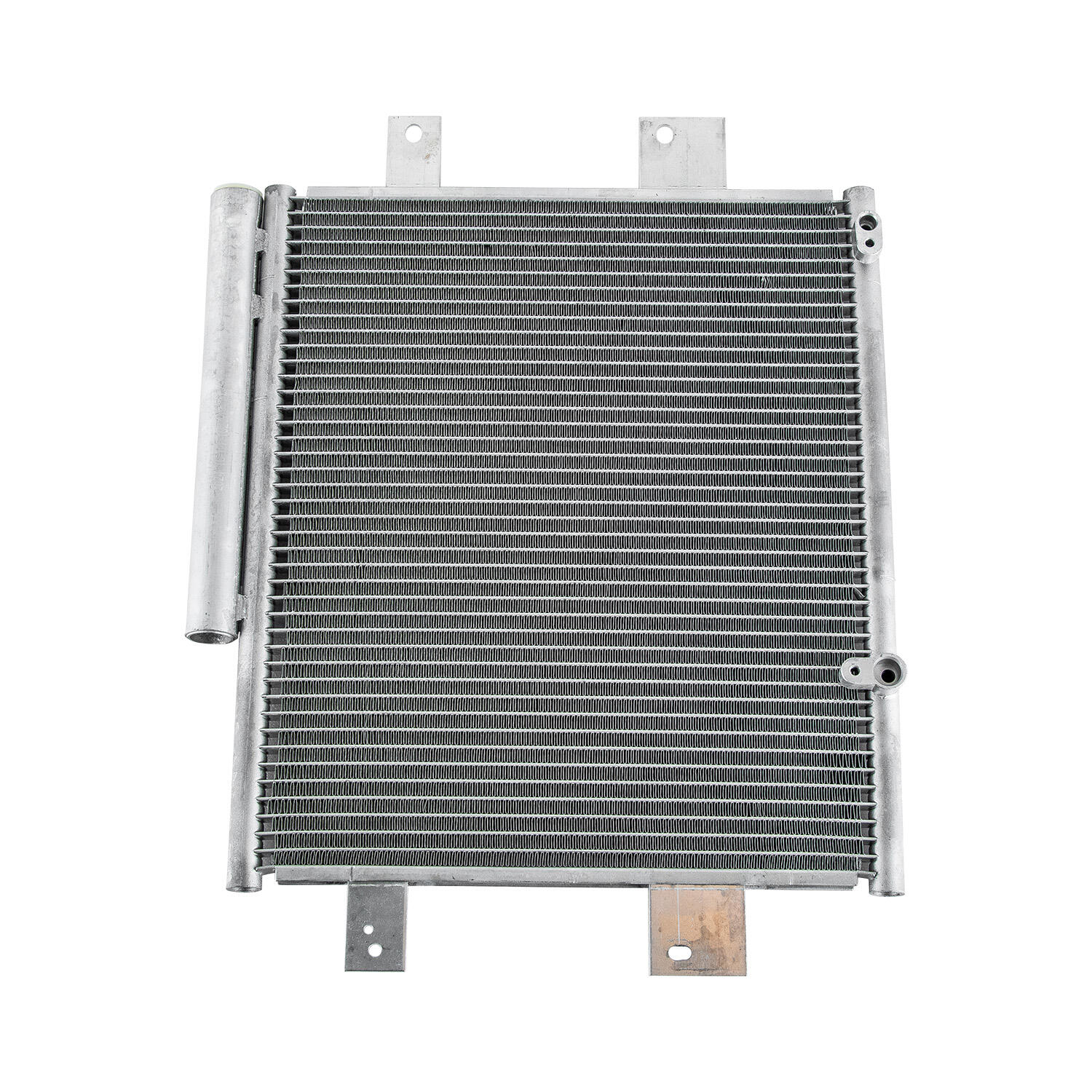
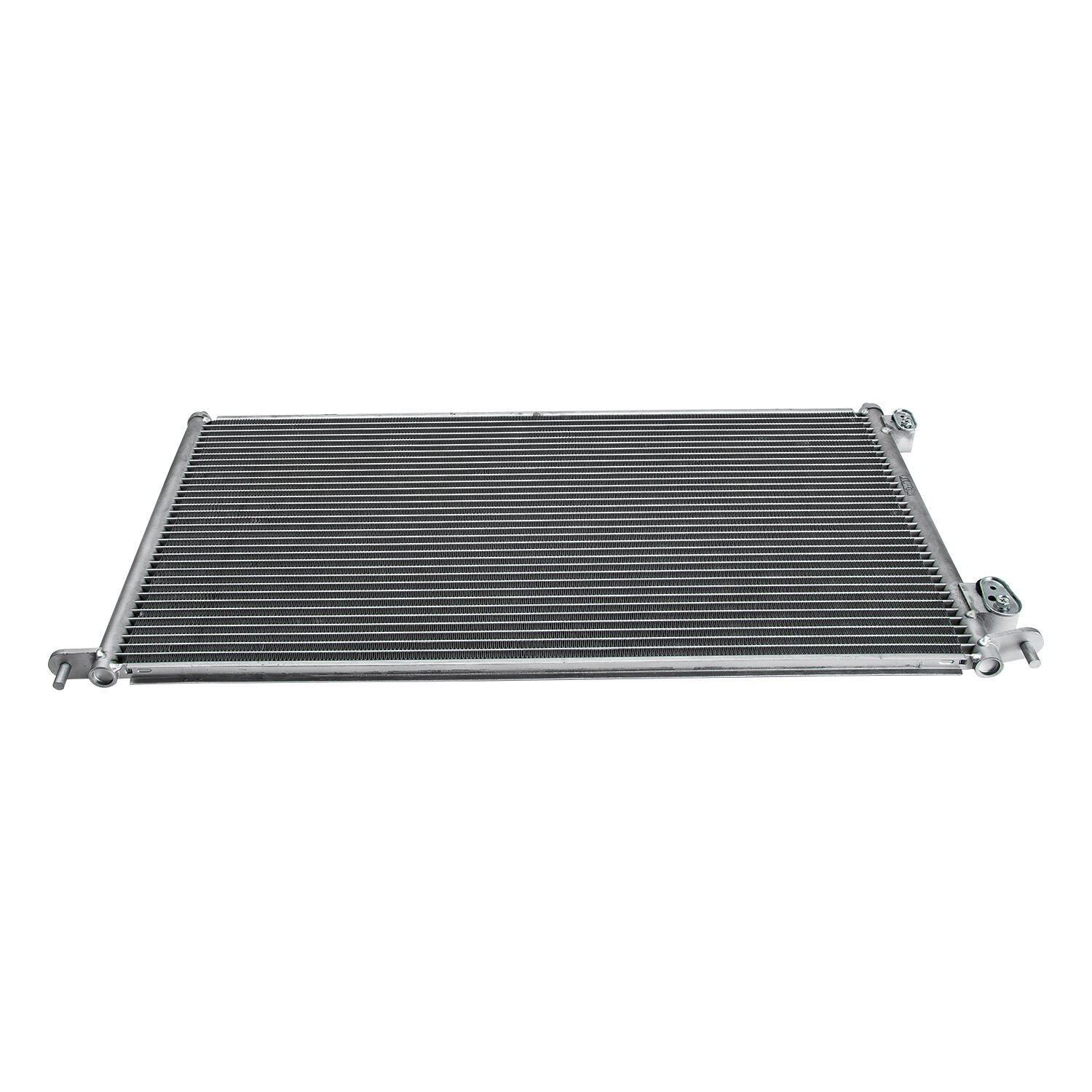
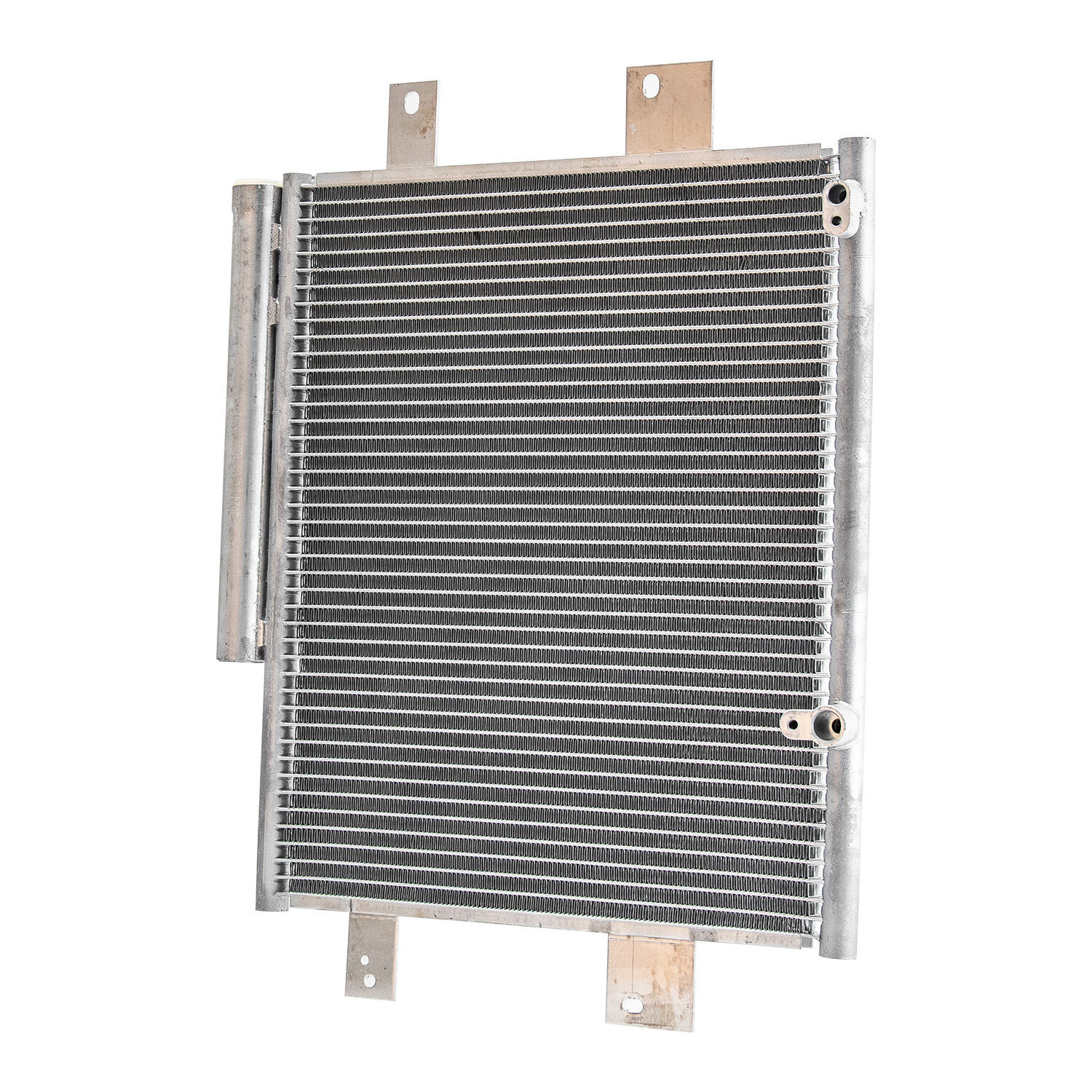
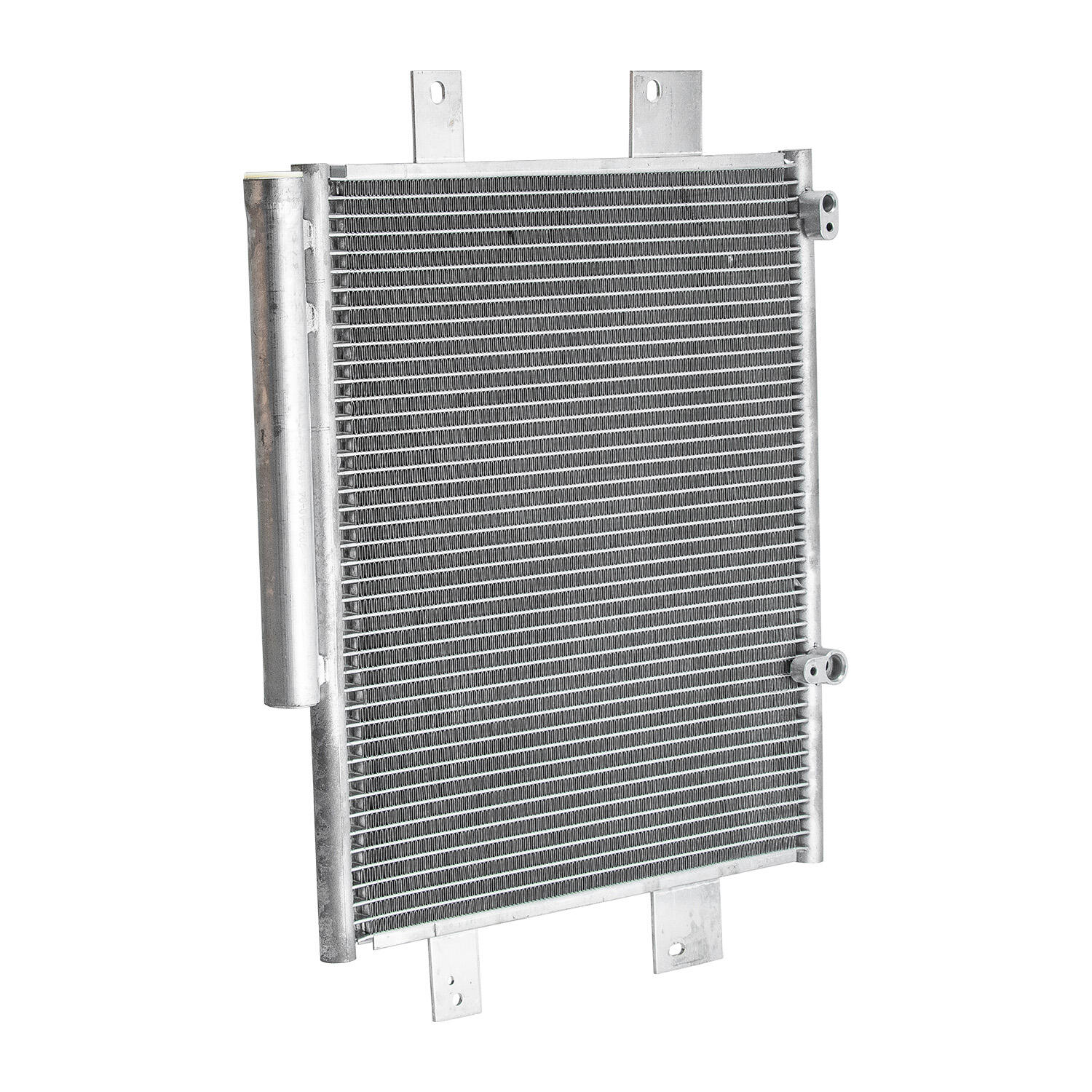
The parallel flow condenser delivers exceptional operational reliability through its robust construction methodology and inherent design characteristics that minimize common failure modes affecting traditional heat exchangers. The vacuum brazing process used to manufacture these units creates metallurgically bonded joints between all components, eliminating the mechanical connections and threaded fittings that represent the most frequent leak points in conventional condensers. This seamless construction withstands vibration, thermal cycling, and pressure fluctuations without developing the stress cracks or joint separations that plague mechanically assembled units over time. The aluminum alloy composition provides excellent corrosion resistance across diverse environmental conditions, from coastal installations where salt spray accelerates metal degradation to industrial settings with airborne chemical contaminants. Unlike copper-tube condensers that develop pinhole leaks from galvanic corrosion or formicary corrosion in the presence of certain organic compounds, parallel flow condensers maintain their integrity throughout extended service lives, often exceeding twenty years without refrigerant loss or performance degradation. The closed-channel design prevents internal fouling, as refrigerant flows through sealed passages inaccessible to contaminants that might accumulate and restrict flow in open-tube designs. This inherent cleanliness maintains consistent thermal performance without the efficiency losses that occur when deposits insulate tube surfaces from refrigerant contact. External maintenance requirements focus primarily on fin cleaning, a straightforward procedure accomplished with standard coil cleaning equipment and techniques. The louvered fin geometry, while enhancing heat transfer, also promotes self-cleaning to some extent, as airflow patterns tend to carry loose debris through the fin pack rather than allowing accumulation. When cleaning becomes necessary, the flat-tube construction presents surfaces that respond well to both chemical cleaners and pressure washing, with the robust brazed joints showing no susceptibility to damage from proper maintenance procedures. The parallel flow condenser compatibility with modern refrigerant formulations, including hydrofluoroolefins and other low-global-warming-potential alternatives, ensures continued regulatory compliance as environmental standards evolve. This adaptability protects equipment investments against obsolescence, allowing systems to transition to new refrigerants through simple fluid changes rather than requiring complete condenser replacement. The reduced refrigerant charge required by microchannel designs, typically thirty to fifty percent less than conventional systems of equivalent capacity, decreases both initial fill costs and the environmental impact of any potential leaks. Diagnostic procedures benefit from the predictable performance characteristics of parallel flow condensers, with technicians able to quickly identify system issues through standard pressure and temperature measurements. The consistent flow distribution across parallel channels means that performance degradation typically indicates problems elsewhere in the refrigeration circuit rather than condenser-specific failures, simplifying troubleshooting and reducing diagnostic time.