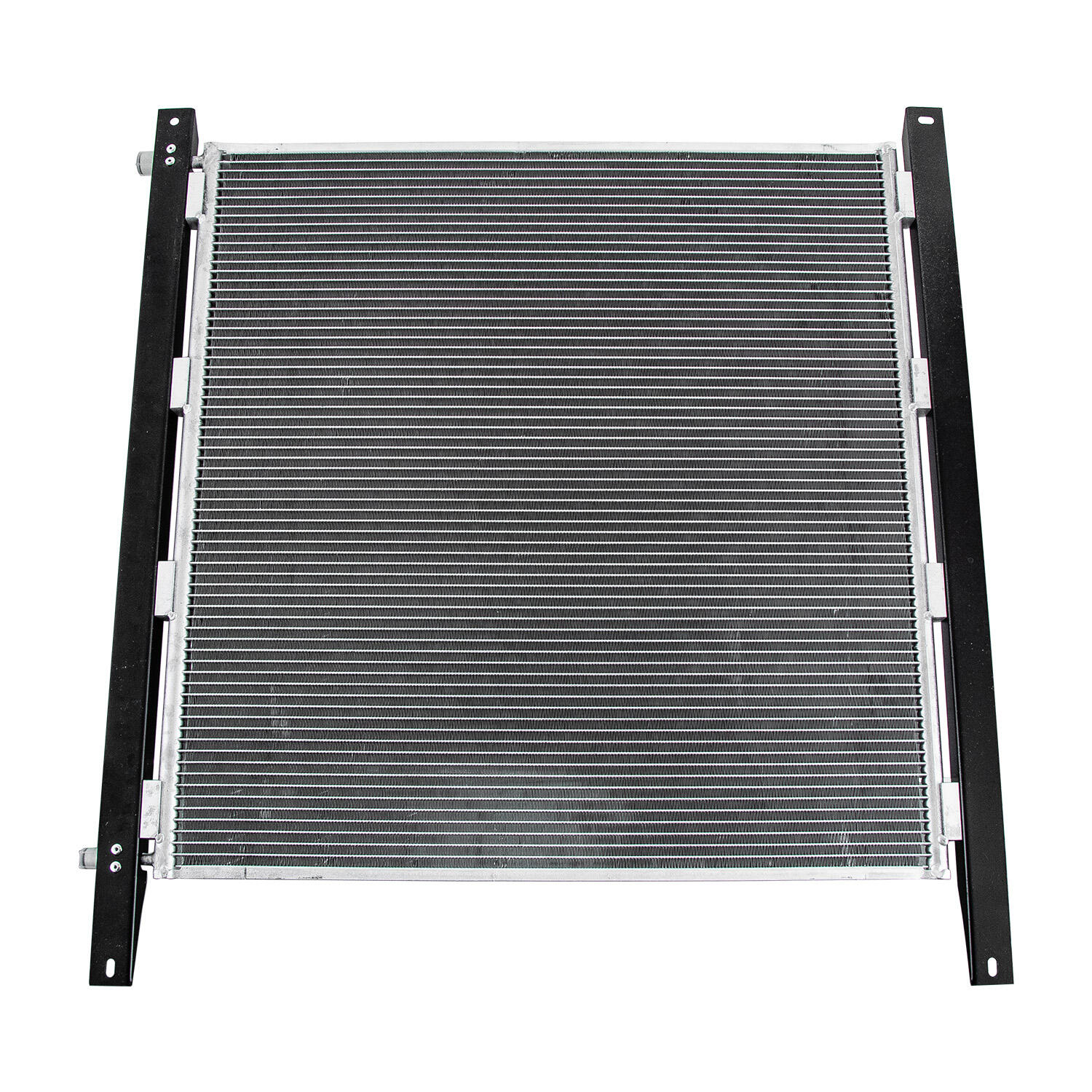
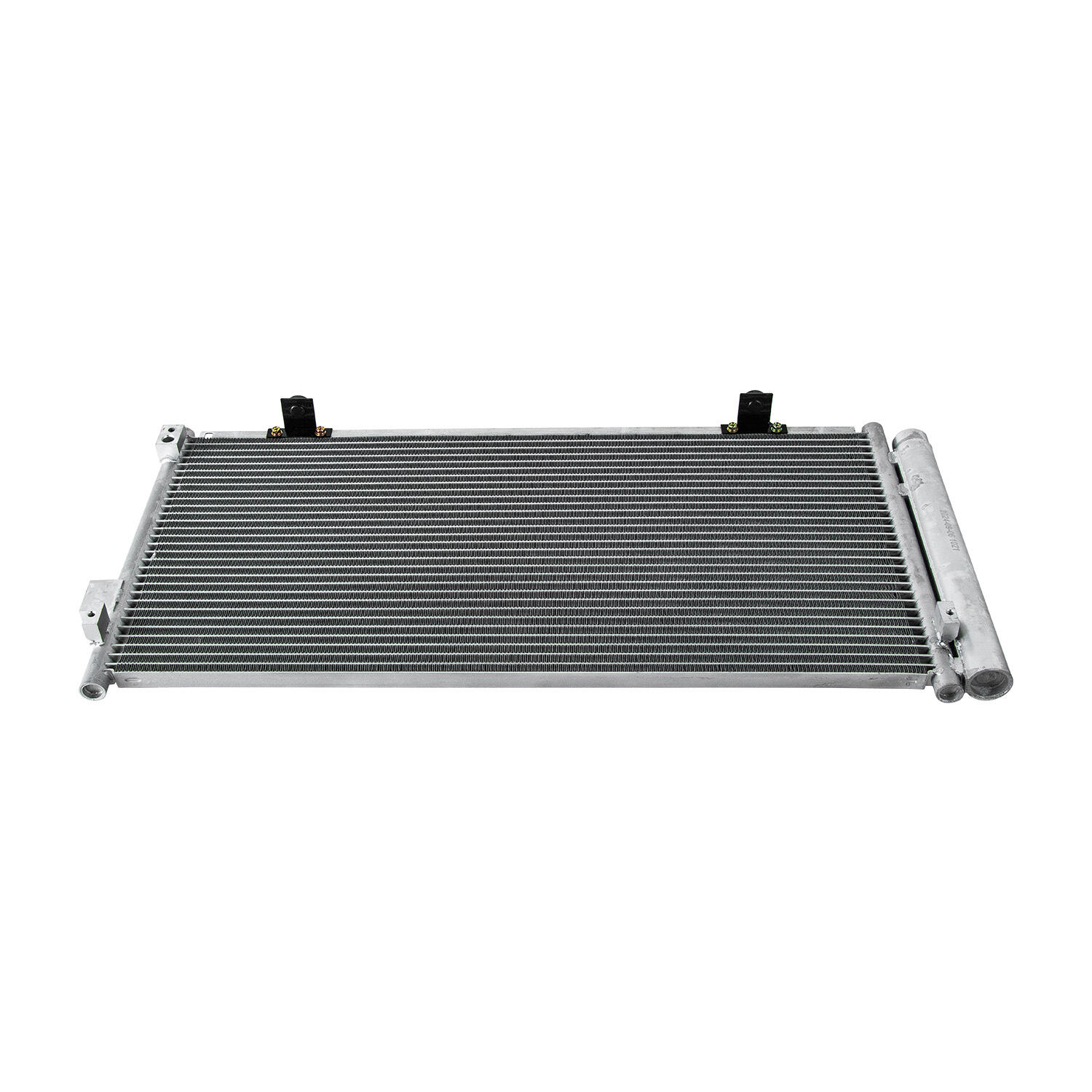
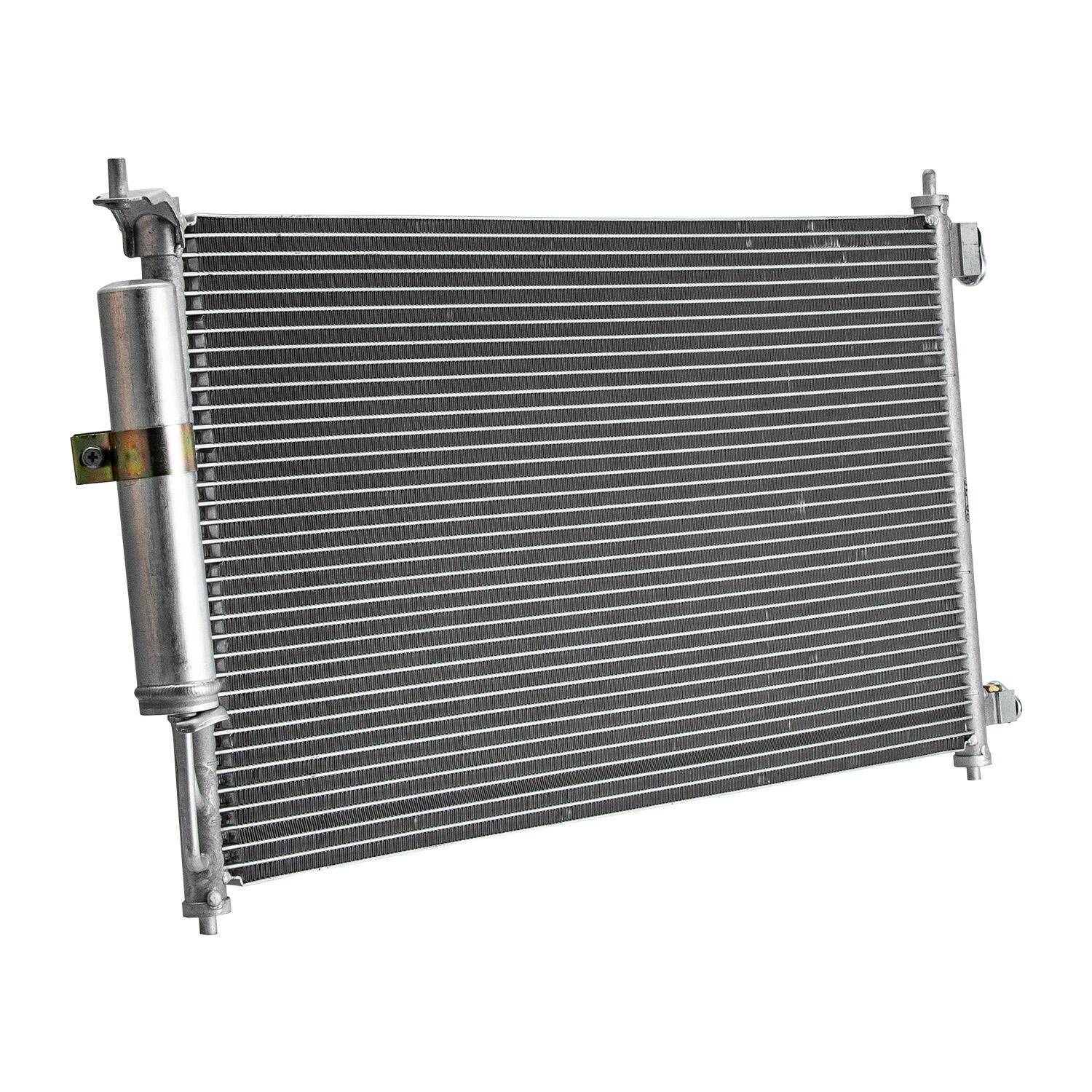
Condenser Radiator: High-Performance Cooling Solutions for Optimal Engine and AC Efficiency

All Categories

Get a Free Quote

Our representative will contact you soon.
Email
Name
Company Name
WhatsApp
Message
0/1000

condenser radiator

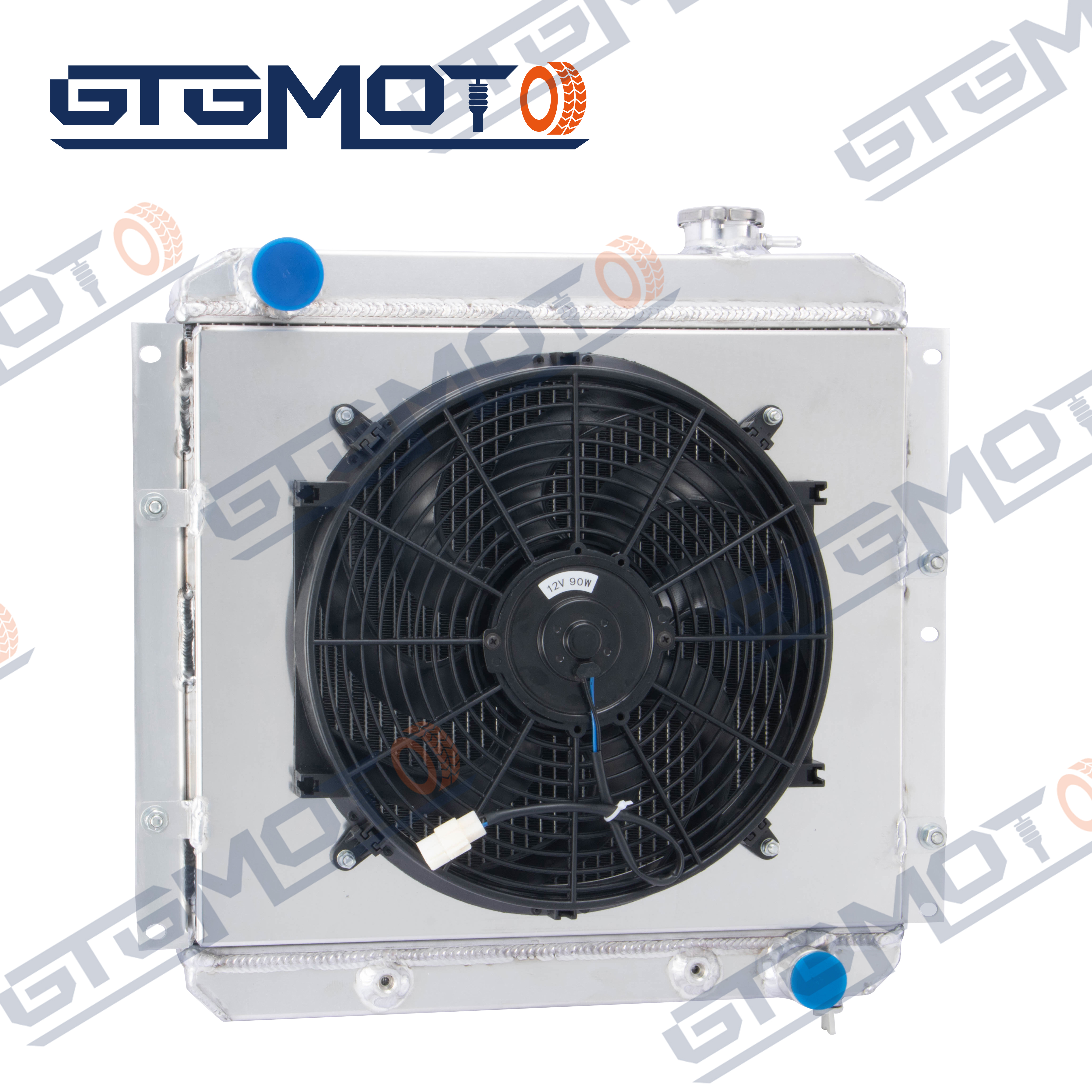
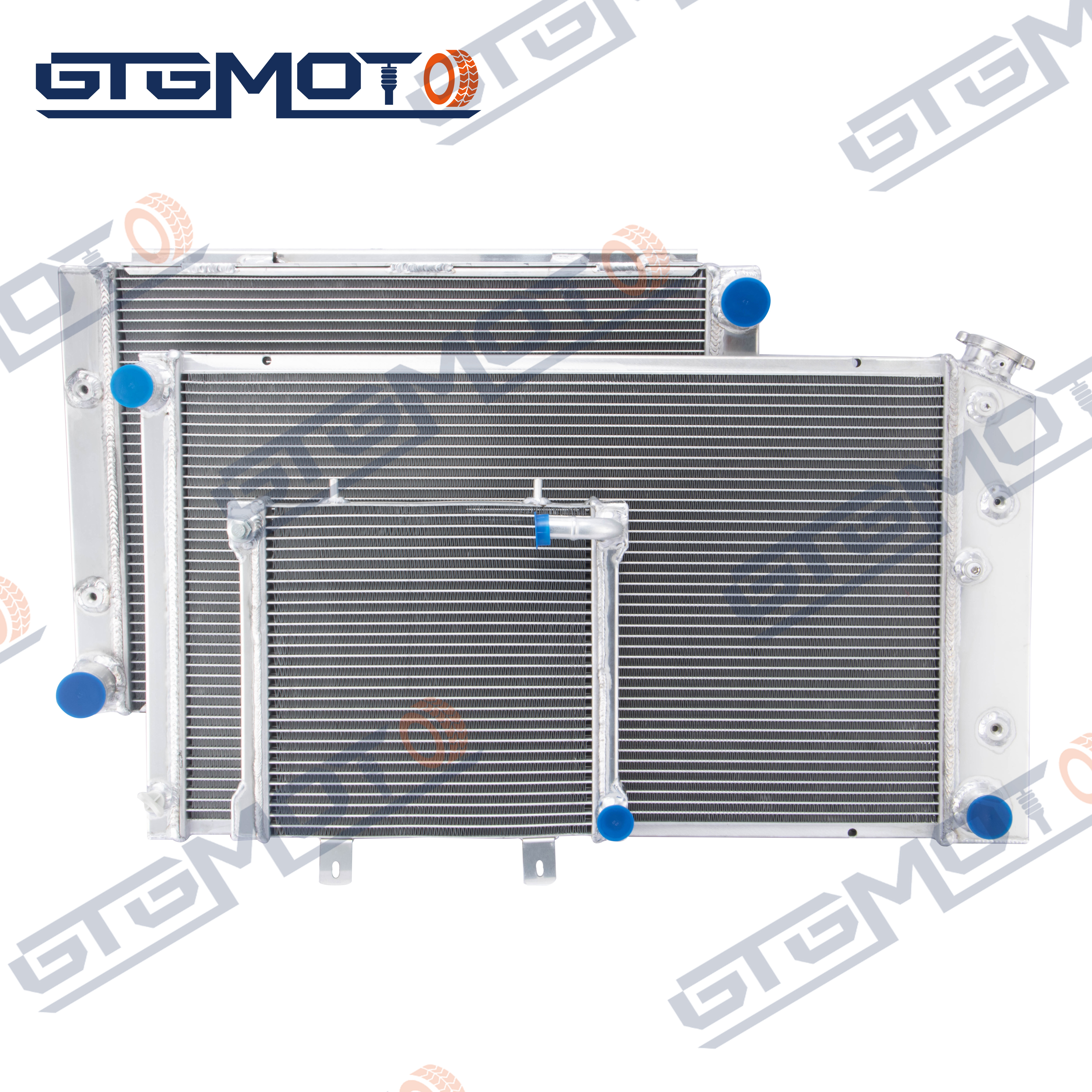
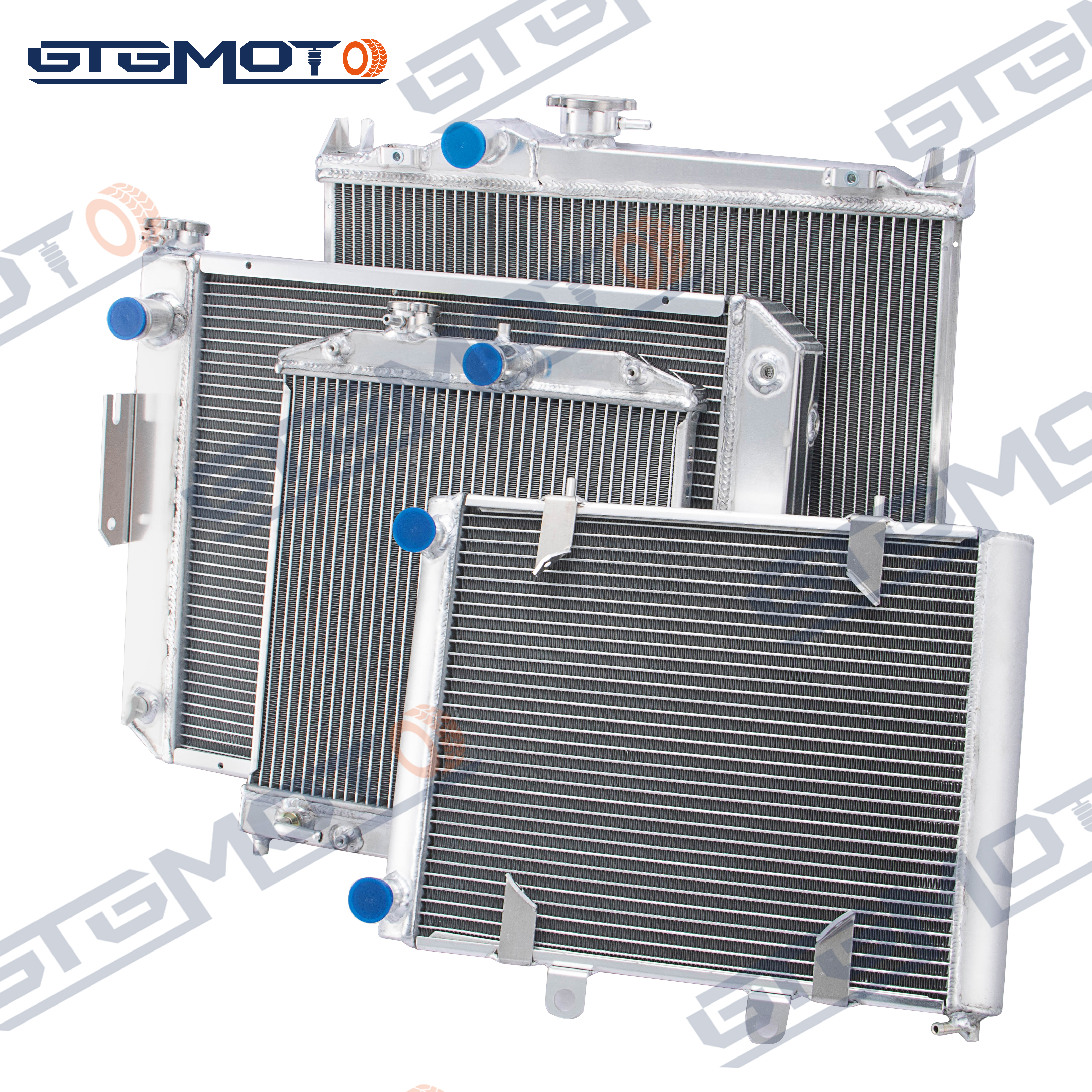
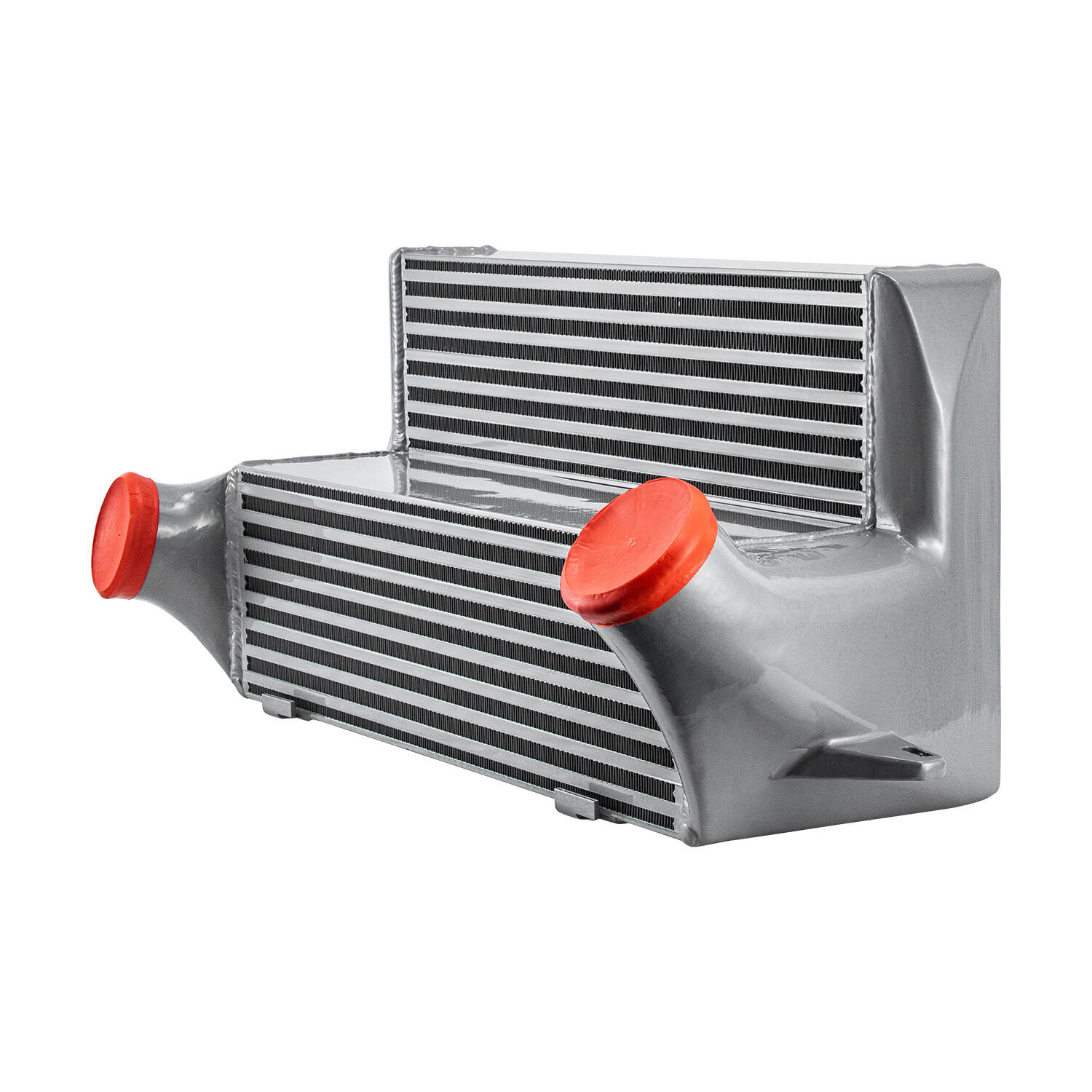
A condenser radiator serves as a critical heat exchange component in automotive cooling systems, working to maintain optimal engine temperatures while supporting air conditioning performance. This dual-purpose unit combines the functionality of a traditional radiator with an integrated condenser, creating an efficient thermal management solution for modern vehicles. The condenser radiator operates by transferring heat from engine coolant to the surrounding air while simultaneously cooling refrigerant from the air conditioning system. As hot coolant flows through the radiator core, ambient air passes over aluminum or copper fins, dissipating thermal energy and returning cooled fluid to the engine block. Meanwhile, the condenser section handles high-pressure refrigerant gas from the AC compressor, converting it to liquid form by removing heat. This integrated design maximizes space efficiency under the hood, particularly valuable in compact vehicle architectures where every inch matters. The condenser radiator typically features aluminum construction with brazed or mechanically bonded tubes and fins, offering excellent thermal conductivity and corrosion resistance. Advanced manufacturing techniques ensure precise fin spacing and tube arrangement, optimizing airflow patterns for maximum heat transfer efficiency. Many units incorporate multiple rows of tubes to increase cooling capacity without expanding physical dimensions. The condenser radiator mounts at the front of the vehicle, directly behind the grille, where it receives maximum airflow during operation. Electric cooling fans supplement natural airflow at low speeds or idle conditions, ensuring consistent performance across all driving scenarios. Modern condenser radiators often include integrated transmission coolers and oil coolers, further consolidating thermal management functions into a single assembly. This consolidation reduces weight, simplifies installation, and improves overall system reliability by minimizing connection points and potential leak sources.

New Product Releases

The condenser radiator delivers substantial benefits that directly impact vehicle performance, longevity, and owner satisfaction. First and foremost, this component prevents engine overheating by continuously removing excess thermal energy generated during combustion. Without effective cooling, engines would quickly reach destructive temperatures, causing warped cylinder heads, blown gaskets, and catastrophic failure. The condenser radiator maintains temperatures within the optimal operating range, ensuring complete fuel combustion, reduced emissions, and maximum power output. This temperature regulation also protects vital engine components from thermal stress, extending service life and reducing maintenance costs over the vehicle's lifetime. Beyond engine cooling, the integrated condenser function enables comfortable cabin climate control by supporting air conditioning operation. The condenser radiator transforms hot, high-pressure refrigerant gas into cool liquid, allowing the AC system to absorb heat from cabin air and provide relief during warm weather. This dual functionality eliminates the need for separate radiator and condenser units, saving installation space and reducing manufacturing complexity. Vehicle owners benefit from simplified maintenance procedures, as a single component replacement addresses both cooling and AC concerns. The consolidated design also reduces vehicle weight compared to separate systems, contributing to improved fuel efficiency and handling characteristics. Modern condenser radiators feature enhanced durability through corrosion-resistant materials and protective coatings that withstand road salt, debris impact, and environmental exposure. Aluminum construction offers an excellent strength-to-weight ratio while providing superior thermal conductivity compared to traditional materials. The brazed tube and fin design creates a robust structure that resists vibration damage and maintains integrity under pressure cycling. Improved manufacturing precision ensures consistent quality and reliable performance across the product's service life. Installation simplicity represents another significant advantage, as condenser radiators typically mount using existing brackets and connect to standard hoses and fittings. This compatibility reduces installation time and labor costs during replacement procedures. The condenser radiator's position at the vehicle's front ensures optimal airflow exposure, maximizing natural cooling efficiency and reducing fan operation requirements. This positioning also facilitates inspection and maintenance access, allowing technicians to quickly assess condition and identify potential issues before they escalate into costly failures. Energy efficiency gains result from optimized fin geometry and tube arrangements that maximize heat transfer while minimizing airflow restriction. Lower restriction reduces the load on cooling fans, decreasing electrical consumption and improving overall vehicle efficiency.

Tips And Tricks

How do buyers verify compatibility when sourcing universal intercoolers?

30

Mar

How do buyers verify compatibility when sourcing universal intercoolers?

When sourcing universal intercoolers for automotive applications, compatibility verification stands as the most critical step that determines project success or failure. Unlike vehicle-specific intercooler units that come with predetermined fitment s...
View More
Which core specifications matter in universal intercooler procurement?

30

Mar

Which core specifications matter in universal intercooler procurement?

When procuring universal intercoolers for automotive applications, understanding the critical specifications that directly impact performance, fitment, and long-term reliability becomes paramount for making informed purchasing decisions. The selectio...
View More
Expert Guide: Installing New Control Arms

26

May

Expert Guide: Installing New Control Arms

Installing new control arms represents one of the most critical suspension repair tasks that directly impacts vehicle handling, tire wear, and overall safety. Whether you're addressing worn bushings, bent components from impact damage, or upgrading t...
View More
2025 Guide: How to Choose the Right Intercooler Tube

26

May

2025 Guide: How to Choose the Right Intercooler Tube

Selecting the right intercooler tube for your vehicle is a critical decision that directly impacts engine performance, fuel efficiency, and long-term reliability. As forced induction systems continue to evolve in 2025, the intercooler tube has become...
View More

Get a Free Quote

Our representative will contact you soon.
Email
Name
Company Name
WhatsApp
Message
0/1000

condenser radiator

Superior Thermal Management Through Integrated Design

Superior Thermal Management Through Integrated Design

The condenser radiator's integrated architecture represents a significant advancement in automotive thermal management technology, combining multiple cooling functions into a single, space-efficient assembly. This integration addresses the increasingly complex thermal demands of modern vehicles while accommodating tighter engine compartment packaging constraints. Traditional cooling systems required separate radiators, condensers, and auxiliary coolers, each occupying valuable space and adding weight to the vehicle. The condenser radiator consolidates these functions, positioning the AC condenser directly in front of or behind the engine cooling core, creating a compact unit that handles both engine coolant and refrigerant cooling simultaneously. This arrangement maximizes the use of available airflow, as air passing through the front grille contacts both heat exchange surfaces in sequence, removing thermal energy from multiple systems in a single pass. The design optimization extends to internal flow paths, where engineers carefully route coolant and refrigerant through strategically positioned tubes to prevent thermal interference while maximizing individual cooling efficiency. Advanced computational fluid dynamics modeling during development ensures optimal fin spacing, tube diameter, and row configuration for each specific application. The result is a condenser radiator that delivers superior cooling performance compared to the combined capacity of separate components, while occupying less space and weighing considerably less. This weight reduction contributes to improved fuel economy, better handling dynamics, and reduced stress on mounting structures. The integrated design also simplifies the vehicle assembly process, as manufacturers install a single unit rather than coordinating the placement and connection of multiple separate components. This streamlined assembly reduces production time and minimizes the potential for installation errors that could compromise system performance. For vehicle owners, the integrated condenser radiator means fewer potential failure points, as consolidated construction eliminates multiple connection interfaces where leaks commonly develop. Maintenance becomes more straightforward, with a single component inspection covering both engine cooling and air conditioning functionality. When replacement becomes necessary, the integrated design often proves more cost-effective than purchasing separate radiator and condenser units, despite the initially higher component cost, because installation labor requirements decrease substantially.
Advanced Materials and Construction for Extended Durability

Advanced Materials and Construction for Extended Durability

Modern condenser radiators utilize cutting-edge materials and manufacturing processes that dramatically improve durability, corrosion resistance, and thermal performance compared to previous generations. Aluminum has become the material of choice for most applications, offering an exceptional combination of light weight, high thermal conductivity, and excellent formability for complex geometries. The aluminum alloys selected for condenser radiator construction undergo specific treatments to enhance corrosion resistance, particularly important given the harsh operating environment these components face. Road salt, moisture, debris impact, and temperature cycling all challenge the structural integrity of cooling system components, but advanced aluminum alloys with protective surface treatments withstand these conditions for extended service intervals. The manufacturing process typically employs controlled atmosphere brazing, where the entire assembly is heated in a furnace under precise atmospheric conditions, causing brazing material to flow and create metallurgical bonds between tubes, fins, and headers. This brazing process produces joints stronger than the base materials themselves, eliminating the weak points common in mechanically assembled designs. The resulting structure exhibits exceptional resistance to vibration fatigue, pressure cycling, and thermal expansion stresses that occur during normal operation. Fin design represents another area where material science and engineering converge to improve performance. Modern condenser radiators feature ultra-thin fins with precise spacing, maximizing surface area for heat transfer while minimizing airflow restriction. These fins often incorporate louvered or corrugated patterns that create turbulence in the air stream, disrupting boundary layers and significantly improving heat transfer coefficients. The fin geometry is optimized through extensive testing to balance cooling efficiency against pressure drop, ensuring maximum performance without creating excessive resistance that would burden cooling fans. Tube design has similarly evolved, with many condenser radiators now employing flat tubes rather than traditional round cross-sections. Flat tubes offer greater internal surface area for a given frontal area, improving heat transfer from coolant or refrigerant to the tube walls. The flattened shape also creates a more aerodynamic profile, reducing air resistance as flow passes over the tubes. Some advanced designs incorporate microchannel tubes with multiple small passages rather than a single large bore, dramatically increasing internal surface area and heat transfer efficiency. Protective coatings applied to finished condenser radiators provide additional defense against corrosion and environmental damage. These coatings, often epoxy-based or incorporating ceramic particles, create a barrier between the aluminum substrate and corrosive elements, extending component life even in severe operating conditions.

Optimized Cooling Efficiency for All Operating Conditions

Optimized Cooling Efficiency for All Operating Conditions

The condenser radiator achieves exceptional cooling efficiency across the full spectrum of vehicle operating conditions through careful engineering of airflow dynamics, heat transfer surfaces, and system integration. This comprehensive approach ensures reliable performance whether the vehicle is idling in traffic, cruising at highway speeds, or operating under heavy load conditions such as towing or climbing grades. At highway speeds, ram air effect drives substantial airflow through the condenser radiator, providing natural convection cooling that efficiently removes heat without requiring fan assistance. The front-mounted position captures this airflow directly, and the optimized fin design extracts maximum thermal energy as air passes through the core. Engineers carefully balance fin density to provide adequate surface area for heat transfer while avoiding excessive restriction that would reduce airflow volume. This balance point varies depending on vehicle application, with performance vehicles often featuring higher fin densities to support increased heat rejection requirements, while economy vehicles optimize for minimal restriction to reduce parasitic losses. During low-speed operation or idle conditions, when natural airflow proves insufficient, electric cooling fans activate to maintain adequate air movement through the condenser radiator. Modern systems employ variable-speed fans controlled by the engine management computer, which monitors coolant temperature, AC system pressure, and other parameters to determine optimal fan speed. This intelligent control minimizes electrical consumption while ensuring sufficient cooling capacity under all conditions. The condenser radiator's design accommodates fan-driven airflow patterns, which differ from natural ram air in terms of velocity distribution and turbulence characteristics. Fin geometry and tube arrangement account for these differences, maintaining high heat transfer efficiency regardless of airflow source. The multi-row tube configuration common in modern condenser radiators provides substantial cooling capacity within a compact frontal area. Each row of tubes adds cooling capacity, with the first row handling the highest temperature differential and subsequent rows continuing the cooling process. This staged approach proves particularly effective for the condenser function, where refrigerant undergoes phase change from gas to liquid as it progresses through the core. The temperature differential between refrigerant and ambient air decreases through the condenser section, but the multi-row design maintains effective heat transfer even as this differential narrows. For engine coolant, the multi-row configuration provides reserve capacity that becomes critical during high-load operation, when heat generation increases substantially. The condenser radiator's integration with the vehicle's overall thermal management system extends its effectiveness beyond the component itself. Coolant flow rates, thermostat operation, and fan control strategies all work in concert with the condenser radiator's physical characteristics to maintain optimal temperatures. Modern vehicles often incorporate sophisticated thermal management algorithms that predict cooling requirements based on driving conditions, ambient temperature, and historical patterns, preemptively adjusting system parameters to prevent temperature excursions before they occur.
Get a Quote Get a Quote Email Email WhatsApp WhatsApp WeChat WeChat
WeChat
TopTop

Get a Free Quote

Our representative will contact you soon.
Email
Name
Company Name
WhatsApp
Message
0/1000

Get a Free Quote

Our representative will contact you soon.
Email
Name
Company Name
WhatsApp
Message
0/1000

Get a Free Quote

Our representative will contact you soon.
Email
Name
Company Name
WhatsApp
Message
0/1000