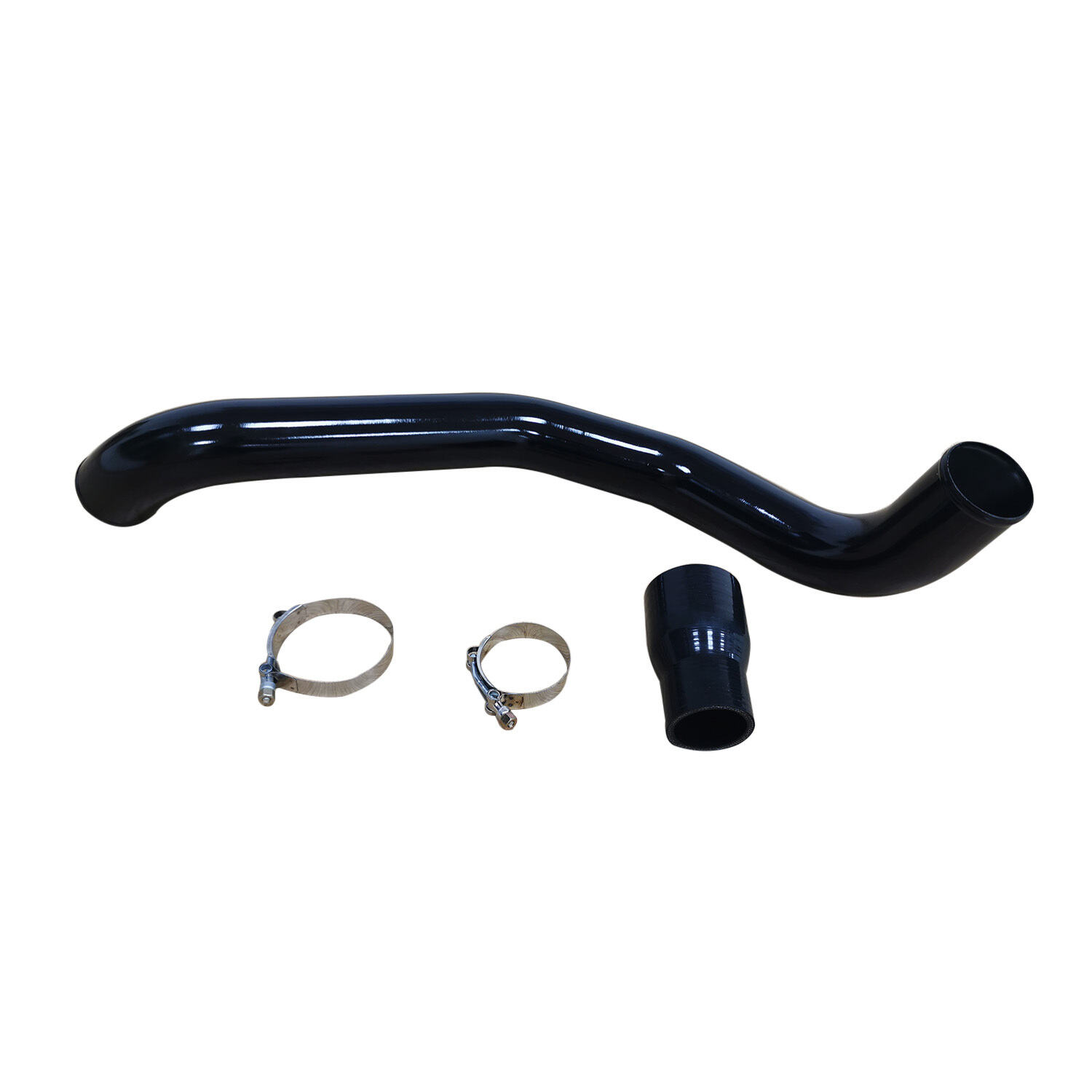
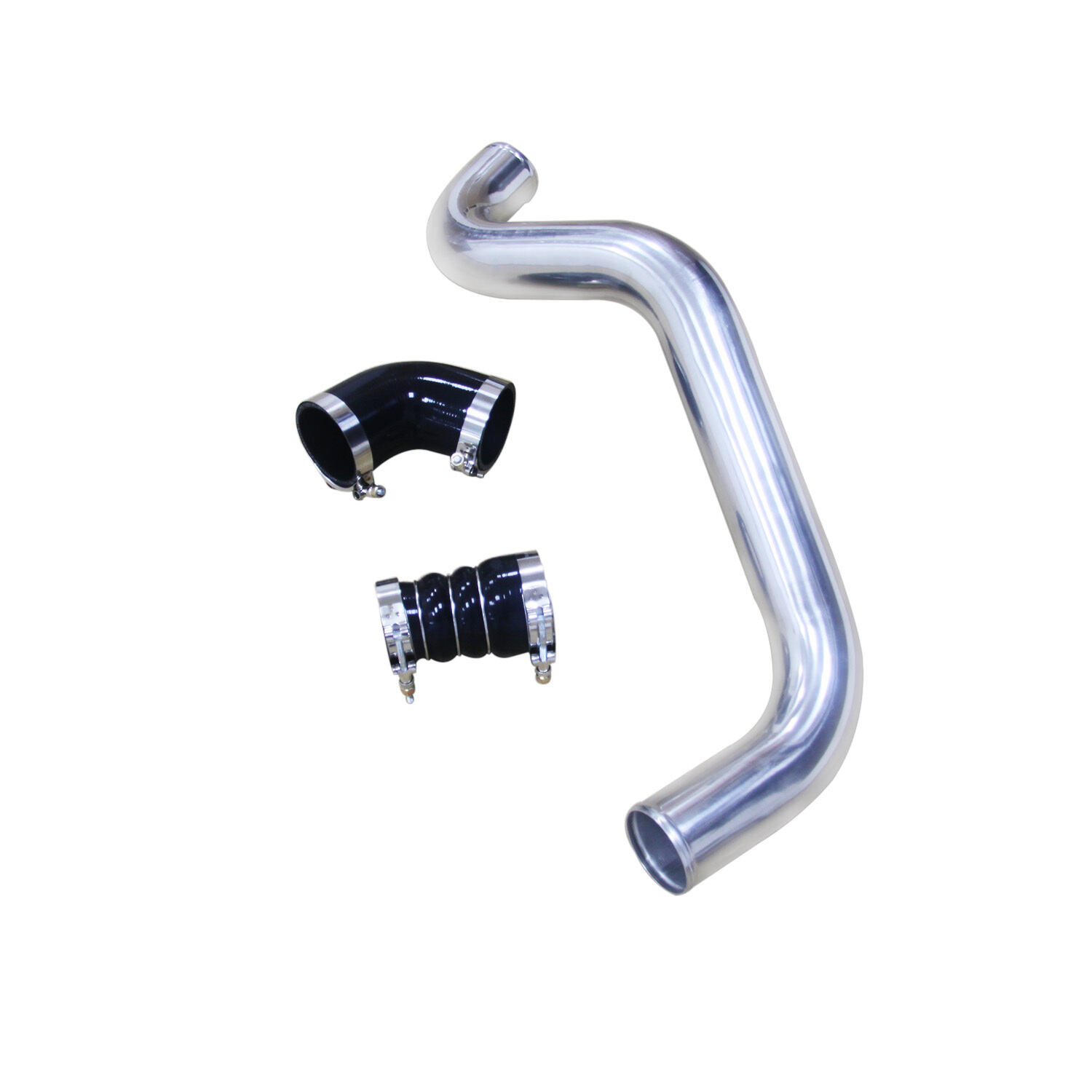
High-Performance Aluminium Intercooler Pipe - Boost Efficiency and Engine Power

All Categories

Get a Free Quote

Our representative will contact you soon.
Email
Name
Company Name
WhatsApp
Message
0/1000

aluminium intercooler pipe

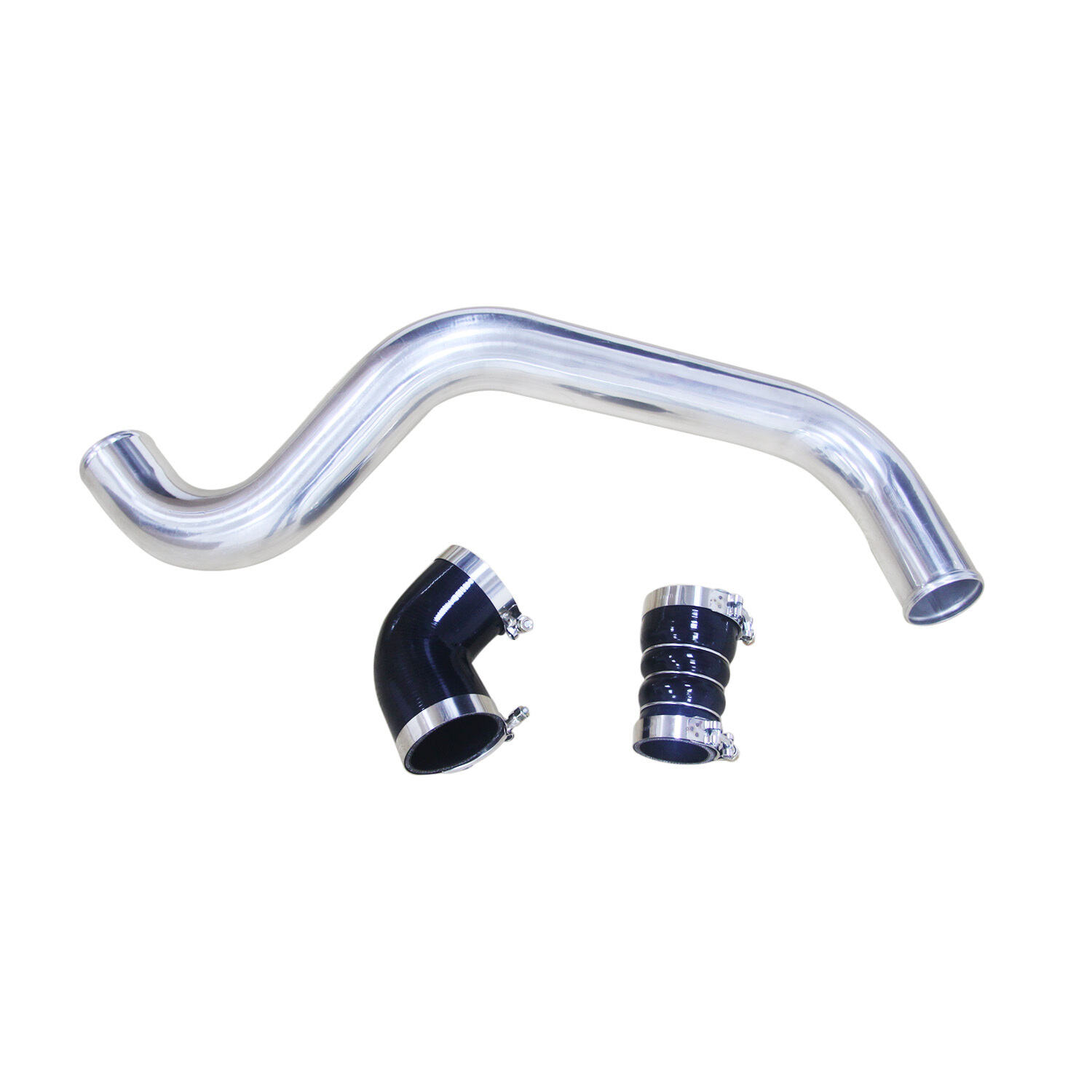
An aluminium intercooler pipe serves as a critical component in turbocharged and supercharged engine systems, designed to transport compressed air between the turbocharger or supercharger and the engine's intake manifold. This essential piece of automotive engineering plays a vital role in maintaining optimal engine performance by ensuring efficient airflow throughout the forced induction system. The primary function of an aluminium intercooler pipe is to create a reliable pathway for pressurized air to travel from the compressor outlet through the intercooler and ultimately into the combustion chamber. During this journey, the pipe must withstand significant pressure fluctuations while maintaining structural integrity and preventing any air leaks that could compromise engine efficiency. The technological features of aluminium intercooler pipes make them superior to traditional rubber or plastic alternatives. Constructed from high-grade aluminium alloys, these pipes offer exceptional strength-to-weight ratios, allowing them to handle boost pressures that would cause softer materials to expand or fail. The smooth interior surface of aluminium intercooler pipes reduces turbulence and pressure drop, enabling air to flow more freely compared to corrugated rubber hoses. This streamlined design minimizes restriction in the intake system, allowing the engine to breathe more efficiently and produce more power. Applications for aluminium intercooler pipes span across various automotive sectors, from performance street vehicles to professional racing applications. Enthusiasts upgrading their turbocharged cars often replace factory rubber hoses with aluminium intercooler pipes to eliminate the expansion issues that occur under high boost conditions. The automotive aftermarket has embraced these components as essential upgrades for anyone seeking reliable performance gains. Commercial vehicles with turbocharged diesel engines also benefit from the durability that aluminium intercooler pipes provide, especially in demanding work environments where consistent performance is crucial for productivity and operational efficiency.

New Products

Choosing an aluminium intercooler pipe for your vehicle brings numerous practical benefits that directly impact performance, reliability, and long-term value. The most immediate advantage is the elimination of boost pressure loss that commonly occurs with rubber hoses. When rubber pipes are subjected to high pressure, they expand like balloons, creating a delay in throttle response and reducing the amount of air reaching your engine. Aluminium intercooler pipes maintain their shape regardless of pressure levels, ensuring that every bit of compressed air generated by your turbocharger reaches the combustion chamber exactly when needed. This translates to sharper acceleration, improved throttle response, and more consistent power delivery across the entire RPM range. The durability factor cannot be overstated when comparing aluminium intercooler pipes to their rubber counterparts. Rubber hoses deteriorate over time due to constant exposure to heat, oil vapors, and pressure cycling. They develop cracks, become brittle, and eventually fail, often at the most inconvenient moments. An aluminium intercooler pipe resists these environmental factors, maintaining its structural integrity for years without degradation. This longevity means fewer replacements, reduced maintenance costs, and greater peace of mind knowing your intake system will not fail unexpectedly. Heat management represents another significant advantage of aluminium intercooler pipes. While some might assume metal conducts heat, the reality is that air spends minimal time inside the pipe, and the aluminium actually dissipates heat more effectively than rubber, which acts as an insulator. The metal construction allows heat to radiate away from the compressed air, contributing to lower intake temperatures and denser air charges entering the engine. Cooler, denser air contains more oxygen molecules, which means better combustion efficiency and increased power output. Installation simplicity makes aluminium intercooler pipes attractive for both professional mechanics and DIY enthusiasts. These pipes typically feature precision-engineered flanges and connection points that align perfectly with factory mounting locations, eliminating the guesswork and frustration often associated with aftermarket modifications. The rigid structure also makes routing cleaner and more professional-looking compared to flexible rubber hoses that can sag or kink. From an aesthetic perspective, aluminium intercooler pipes enhance the visual appeal of your engine bay with their polished or powder-coated finishes, giving your vehicle a more purposeful, performance-oriented appearance. The investment in an aluminium intercooler pipe pays dividends through improved performance metrics, enhanced reliability, and reduced long-term maintenance requirements, making it one of the most cost-effective upgrades available for turbocharged vehicles.

Practical Tips

What should importers check when selecting universal intercooler suppliers?

30

Mar

What should importers check when selecting universal intercooler suppliers?

Selecting the right universal intercooler suppliers is a critical decision that can significantly impact import businesses, product quality, and customer satisfaction. Importers face numerous challenges when evaluating potential suppliers, from verif...
View More
How are aluminium intercoolers customized for different engine setups?

30

Mar

How are aluminium intercoolers customized for different engine setups?

Customizing aluminium intercoolers for different engine setups requires precise engineering to match thermal performance, airflow characteristics, and physical dimensions to specific engine requirements. Modern turbocharged and supercharged engines d...
View More
Top 5 Signs Your Control Arms Need Replacement

26

May

Top 5 Signs Your Control Arms Need Replacement

Control arms are critical suspension components that connect your vehicle's frame to the steering knuckle and wheel assembly, allowing your wheels to move up and down while maintaining proper alignment. These hardworking parts endure constant stress ...
View More
Expert Guide: Installing New Control Arms

26

May

Expert Guide: Installing New Control Arms

Installing new control arms represents one of the most critical suspension repair tasks that directly impacts vehicle handling, tire wear, and overall safety. Whether you're addressing worn bushings, bent components from impact damage, or upgrading t...
View More

Get a Free Quote

Our representative will contact you soon.
Email
Name
Company Name
WhatsApp
Message
0/1000

aluminium intercooler pipe

Superior Pressure Handling and Consistent Performance Delivery

Superior Pressure Handling and Consistent Performance Delivery

The ability of an aluminium intercooler pipe to handle extreme boost pressures without deformation stands as its most critical performance attribute, directly addressing the fundamental weakness of rubber hose systems. When a turbocharger compresses air, it generates substantial pressure that can exceed 20 PSI in modified applications, and even higher in racing scenarios. Traditional rubber hoses, despite being reinforced with fabric layers, still possess inherent flexibility that becomes a liability under these conditions. As pressure builds, rubber expands radially, increasing the internal volume of the intake tract. This expansion creates a compressibility effect where some of the pressurized air is essentially stored in the ballooning hose rather than being delivered to the engine. The result is a noticeable lag in throttle response, where the driver presses the accelerator but experiences a delay before the engine responds with full force. An aluminium intercooler pipe completely eliminates this phenomenon through its rigid construction. The metal walls do not flex or expand regardless of pressure levels, ensuring that compressed air travels directly from the turbocharger to the engine without any volumetric losses. This rigidity creates an immediate connection between throttle input and engine response, giving drivers precise control over power delivery. The performance benefits extend beyond just eliminating lag. Consistent pipe diameter throughout the boost range means that airflow characteristics remain stable, allowing engine management systems to maintain optimal fuel mapping across all operating conditions. Tuners particularly appreciate this consistency because it eliminates variables that can complicate calibration efforts. The structural integrity of an aluminium intercooler pipe also prevents the catastrophic failures that can occur when rubber hoses burst under excessive pressure. A blown intercooler pipe not only results in immediate power loss but can also introduce debris into the intake system or cause the engine to run dangerously lean if the engine management system does not detect the pressure loss quickly enough. The reliability factor becomes especially important in competitive environments where mechanical failures can mean the difference between victory and defeat, or in daily driving situations where unexpected breakdowns create safety hazards and inconvenience.
Enhanced Thermal Efficiency and Air Density Optimization

Enhanced Thermal Efficiency and Air Density Optimization

The thermal management properties of an aluminium intercooler pipe contribute significantly to overall engine efficiency through mechanisms that are often underappreciated in discussions of intake system upgrades. When air is compressed by a turbocharger or supercharger, its temperature increases substantially according to the laws of thermodynamics. This heated, compressed air then travels through the intercooler piping on its way to the heat exchanger. The material properties of the pipe itself play a role in either preserving or dissipating this heat. Rubber, being an excellent insulator, traps heat within the compressed air, maintaining elevated temperatures as the air travels through the intake tract. An aluminium intercooler pipe, conversely, possesses high thermal conductivity, allowing heat to transfer from the compressed air through the pipe walls and dissipate into the surrounding environment. While the air moves quickly through the pipe, even minimal heat reduction contributes to improved air density. Cooler air is denser, meaning it contains more oxygen molecules per unit volume. Since combustion efficiency depends on the oxygen available to burn fuel, denser air charges enable more complete combustion, resulting in increased power output and improved fuel efficiency. The smooth interior surface of an aluminium intercooler pipe further enhances thermal efficiency by promoting laminar airflow. Unlike the corrugated interior of reinforced rubber hoses, which creates turbulence and friction, the polished aluminium surface allows air to flow with minimal resistance. Reduced turbulence means less energy is converted to heat through friction, helping maintain lower intake temperatures. This aerodynamic advantage also reduces pressure drop across the intake system, ensuring that more of the pressure generated by the turbocharger actually reaches the engine rather than being lost to flow restrictions. The combination of thermal conductivity and aerodynamic efficiency makes an aluminium intercooler pipe an integral part of a comprehensive approach to intake temperature management. Enthusiasts who monitor their intake air temperatures often observe measurable reductions after installing aluminium piping, with temperature drops of 5-10 degrees Celsius being common. These temperature reductions might seem modest, but they translate to meaningful performance gains, especially when combined with other cooling modifications like upgraded intercoolers and heat shielding.
Long-Term Durability and Maintenance-Free Operation

Long-Term Durability and Maintenance-Free Operation

The exceptional longevity of an aluminium intercooler pipe represents a compelling value proposition that extends far beyond initial performance improvements, offering owners years of trouble-free operation without the degradation issues that plague rubber components. Rubber intercooler hoses face constant assault from multiple environmental factors that gradually compromise their structural integrity. Engine bay temperatures regularly exceed 200 degrees Fahrenheit, causing rubber compounds to harden and lose elasticity over time. Oil vapors from the crankcase ventilation system, which often routes through the intake tract, attack rubber chemically, causing it to swell, soften, and eventually deteriorate. Ozone exposure, even in small amounts, accelerates rubber aging through oxidation processes that create surface cracks and brittleness. The constant pressure cycling that occurs during normal driving, with boost building and falling thousands of times over the life of the vehicle, fatigues rubber materials, weakening their structure until failure becomes inevitable. An aluminium intercooler pipe is impervious to all these degradation mechanisms. The metal construction maintains its properties indefinitely regardless of temperature extremes, chemical exposure, or pressure cycling. Aluminium does not harden, crack, or become brittle with age. It does not react with oil vapors or other automotive fluids. The material's inherent stability means that an aluminium intercooler pipe installed today will perform identically a decade from now, assuming proper installation and absence of physical damage. This durability translates directly into reduced maintenance costs and improved reliability. Vehicle owners avoid the expense and inconvenience of replacing deteriorated rubber hoses every few years. The risk of unexpected failures that leave drivers stranded or cause engine damage is virtually eliminated. For performance enthusiasts who push their vehicles hard, the peace of mind that comes from knowing the intake system will not fail under stress is invaluable. The corrosion resistance of properly treated aluminium further enhances longevity. Most aluminium intercooler pipes feature either anodized finishes or powder coating that protects the base metal from oxidation and environmental exposure. Even in harsh climates with road salt and moisture, these protective treatments prevent corrosion that could compromise structural integrity. The maintenance-free nature of an aluminium intercooler pipe also simplifies vehicle ownership for those who prefer to focus on driving rather than constant mechanical attention, making it an ideal upgrade for both dedicated enthusiasts and practical-minded owners who simply want reliable performance.

Get a Quote Get a Quote Email Email WhatsApp WhatsApp WeChat WeChat
WeChat
TopTop

Get a Free Quote

Our representative will contact you soon.
Email
Name
Company Name
WhatsApp
Message
0/1000

Get a Free Quote

Our representative will contact you soon.
Email
Name
Company Name
WhatsApp
Message
0/1000

Get a Free Quote

Our representative will contact you soon.
Email
Name
Company Name
WhatsApp
Message
0/1000