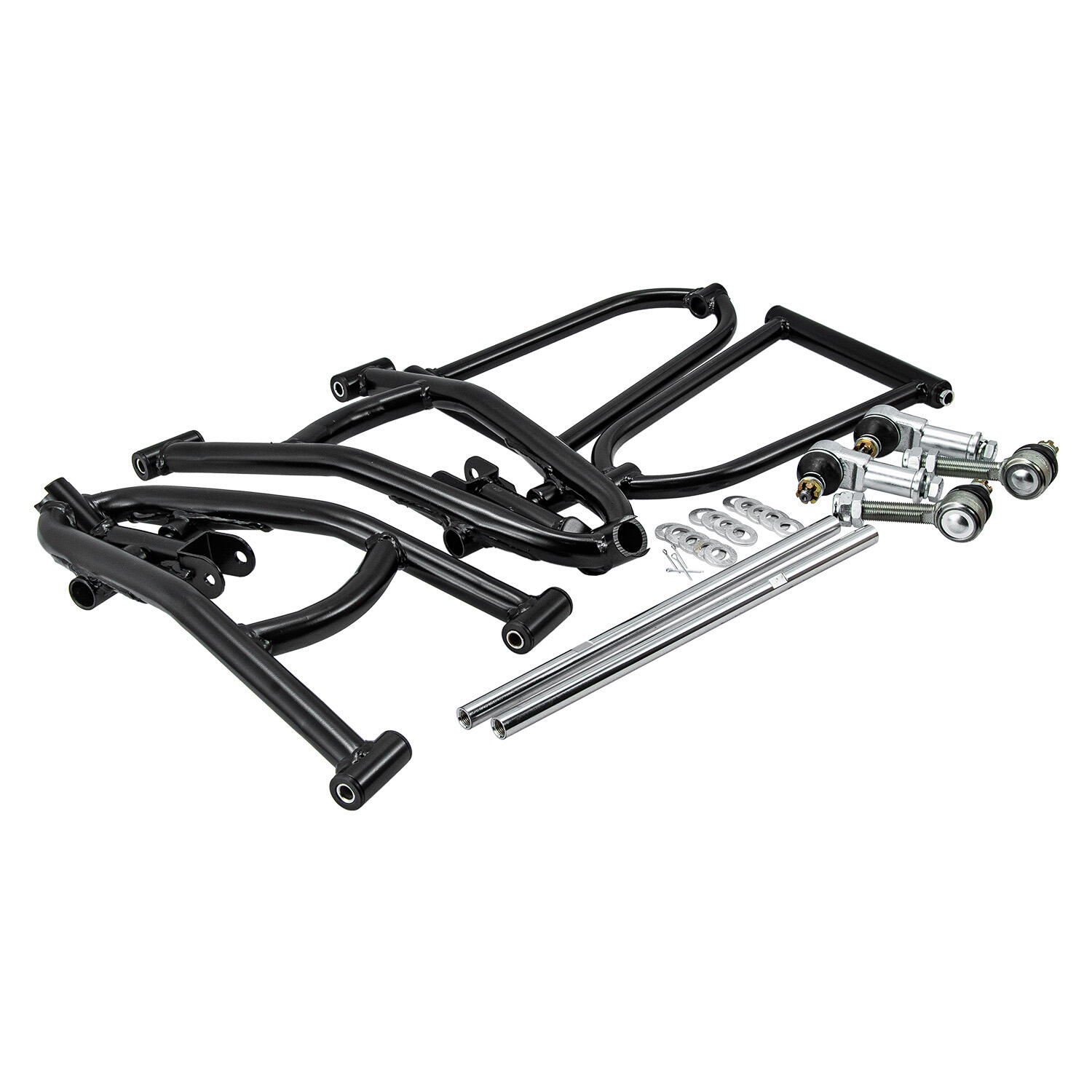
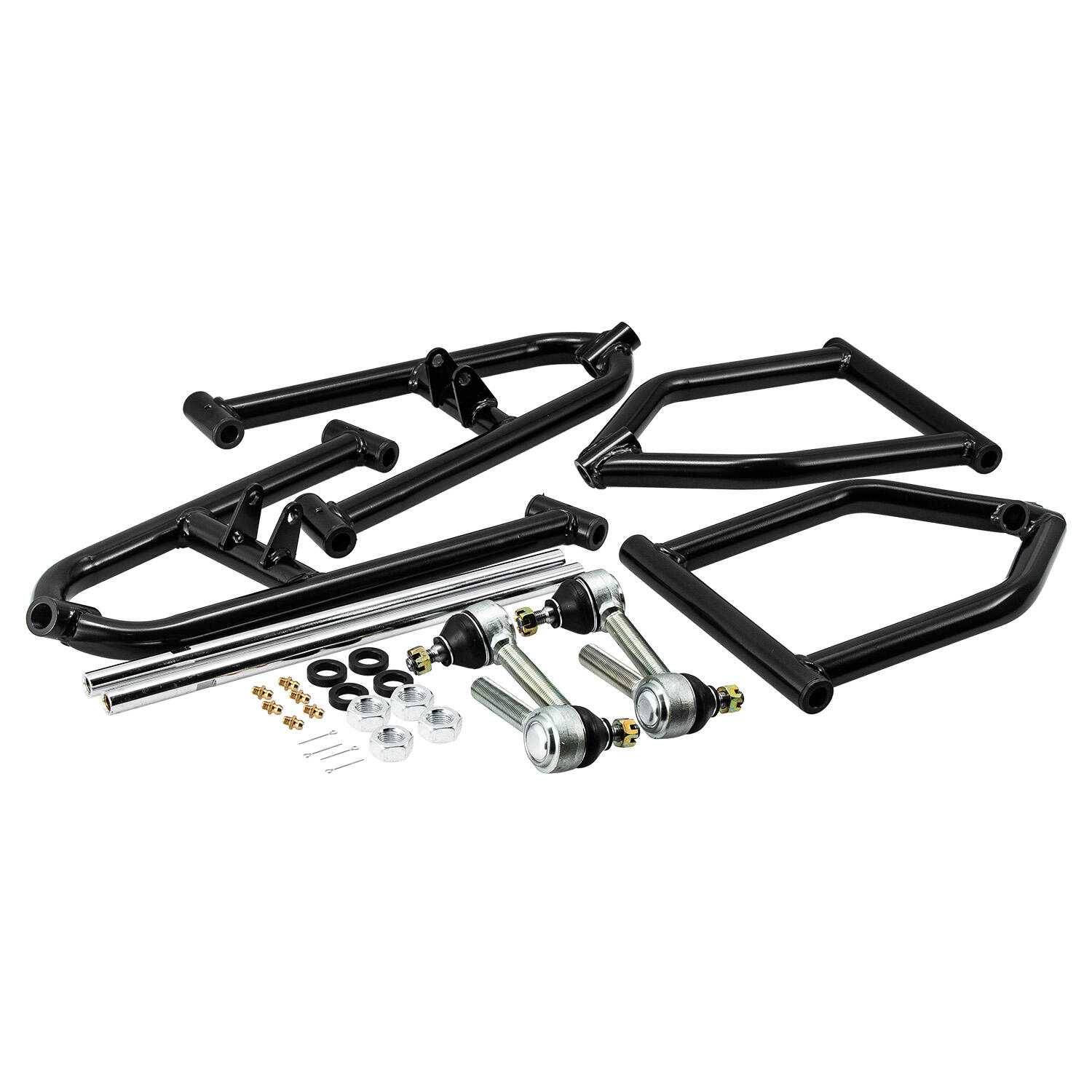
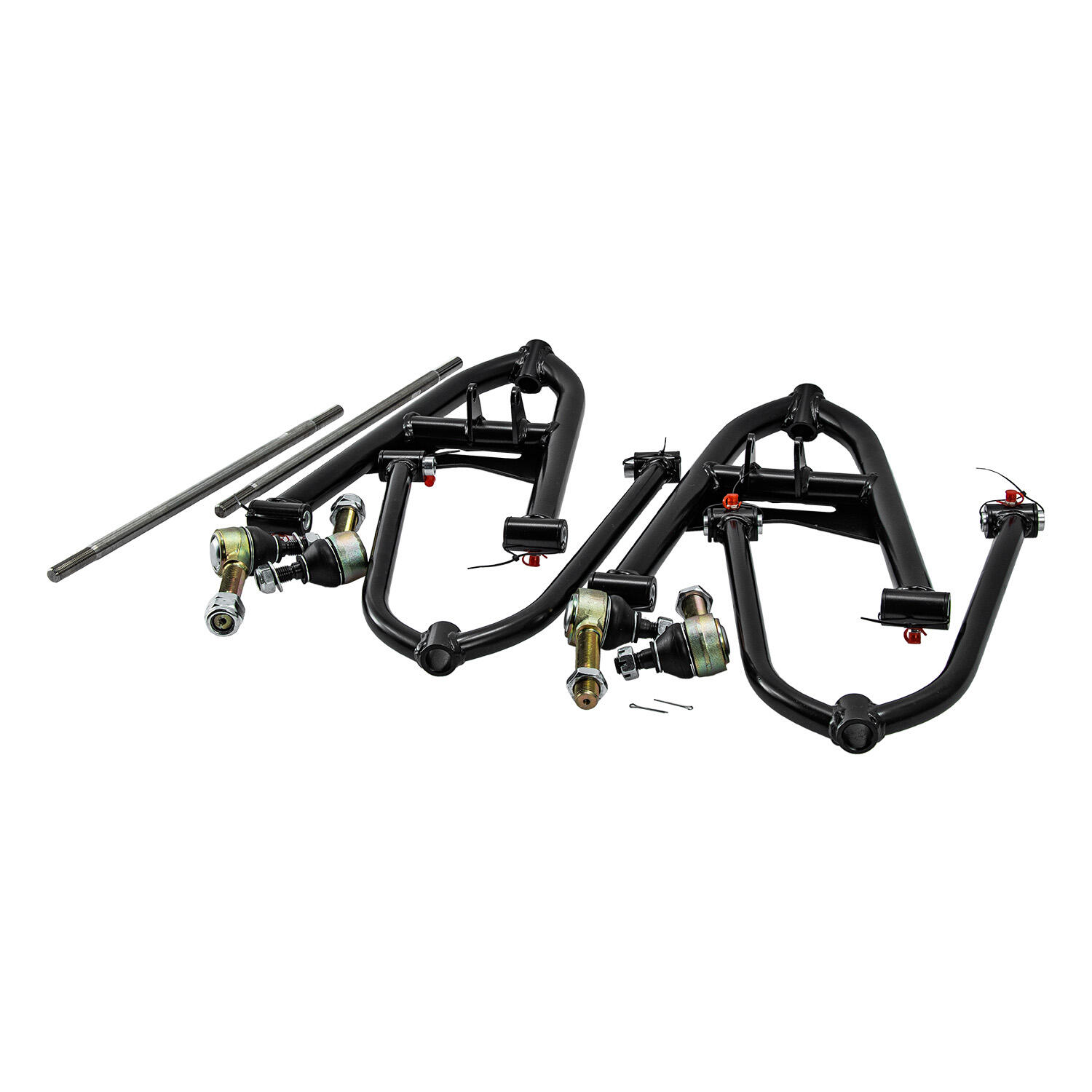
Precision Alignment Control for Optimal Tire Performance
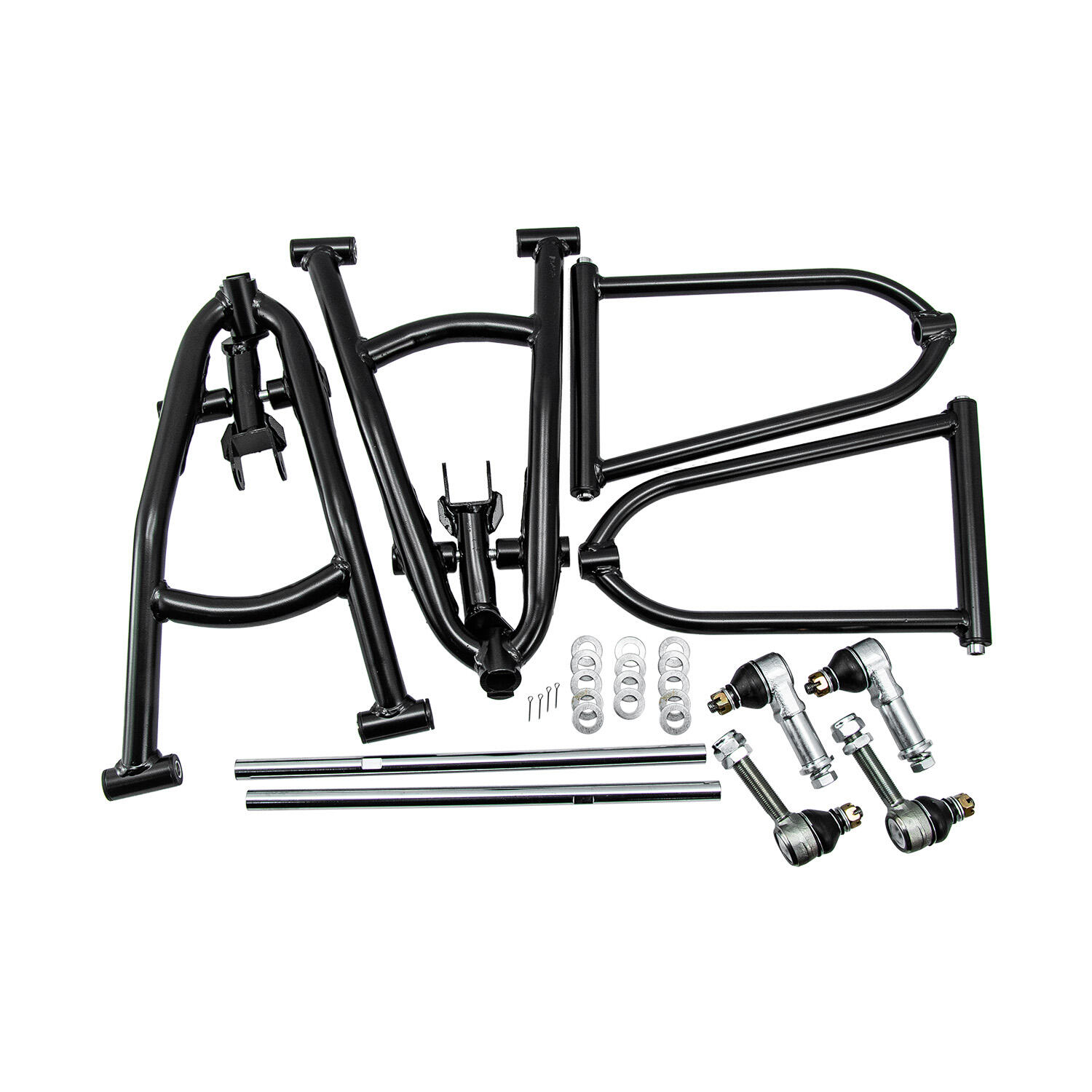
One of the most compelling features of adjustable upper control arms lies in their ability to deliver precision alignment control that directly impacts tire performance and longevity. When you install these components, you gain the power to adjust camber angles with incredible accuracy, typically within one-tenth of a degree increments. This level of precision matters tremendously because even small deviations from ideal alignment specifications can cause accelerated tire wear patterns that cost you money and compromise safety. Factory control arms offer no adjustment capability, meaning that once your vehicle's suspension geometry changes due to wear, modification, or impact damage, you face limited options for correction. Adjustable upper control arms eliminate this constraint by incorporating threaded adjustment mechanisms or eccentric mounting points that allow infinite positioning within their range. The practical benefit becomes immediately apparent when you consider how suspension modifications affect alignment. Lifting a truck by three inches, for example, typically pushes camber into positive territory, causing the tops of your tires to lean outward. This misalignment creates excessive wear on the outer tire edges, potentially destroying a set of expensive all-terrain tires in fifteen thousand miles instead of the fifty thousand miles you expected. With adjustable upper control arms installed, you can bring camber back to factory specifications or even optimize it beyond stock settings for your specific use case. The same principle applies to lowered vehicles, which often suffer from excessive negative camber that wears inner tire edges prematurely. Beyond preventing wear, precision camber control enhances handling dynamics by optimizing the tire contact patch during cornering. When you enter a turn, your vehicle's body rolls, changing the angle at which tires meet the pavement. Properly adjusted camber compensates for this body roll, keeping the tire's tread surface flat against the road throughout the corner. This maximized contact patch translates to higher grip levels, shorter braking distances, and more predictable handling characteristics that inspire confidence during spirited driving. Performance enthusiasts often run slightly negative camber settings that might cause minor inner edge wear during straight-line driving but deliver superior cornering grip that outweighs the trade-off. Adjustable upper control arms make these performance-oriented alignment specs achievable and maintainable. The precision adjustment capability also proves valuable when addressing side-to-side alignment variations that can occur due to manufacturing tolerances or frame damage. You can independently adjust each side of your vehicle to achieve perfectly matched camber readings, eliminating the pull or drift that occurs when one wheel leans differently than its opposite. This bilateral precision ensures your vehicle tracks straight without constant steering correction, reducing driver fatigue during long highway drives.