
 EN
EN
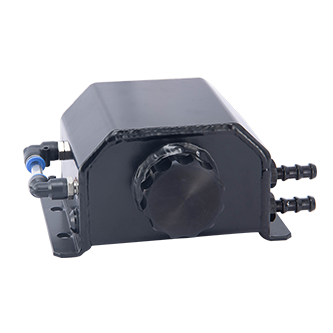
Die Herstellung eines überlaufbehälter ist weitaus stärker reguliert, als viele Einkäufer und Ingenieure zunächst erwarten. Jeder Überlaufbehälter, der in ein Fahrzeug-Kühlsystem oder einen industriellen Flüssigkeitskreislauf eingebaut wird, muss vor dem Verkauf oder der Installation eine festgelegte Reihe von Material-, Konstruktions- und Zertifizierungsstandards erfüllen. Das Verständnis dieser Anforderungen hilft Beschaffungsteams, Ingenieuren und OEM-Zulieferern, bessere Beschaffungsentscheidungen zu treffen und kostspielige Nichteinhaltungen im Einsatz zu vermeiden.
Die Compliance-Landschaft für die Herstellung von Überlaufbehältern umfasst mehrere regulatorische Rahmenbedingungen, die je nach Anwendung, Zielmarkt und verwendeten Materialien variieren. Ein Überlaufbehälter für ein Personenkraftfahrzeug muss andere Anforderungen erfüllen als einer für schwere Maschinen oder maritime Anwendungen. Dieser Artikel erläutert die zentralen Compliance-Bereiche, die Hersteller, Zulieferer und Spezifikationsverantwortliche kennen müssen, wenn sie einen Überlaufbehälter für professionelle Zwecke herstellen oder beschaffen.
Material- und Chemikalien-Compliance für Überlaufbehälter Produktion
Zugelassene Materialien für einen Überlaufbehälter
Jeder Überlaufbehälter muss aus Materialien hergestellt sein, die langfristigen thermischen Wechselbelastungen, chemischer Einwirkung durch Kühlmittelzusätze sowie mechanischen Schwingungen standhalten können. Zu den üblicherweise zugelassenen Materialien zählen Aluminiumlegierungen, hochdichtes Polyethylen, Polypropylen und nylonbasierte Verbundwerkstoffe. Jedes Material für Überlaufbehälter muss anhand anerkannter Normen wie der SAE J30 für Schlauch- und Fluidverträglichkeit oder entsprechender internationaler Normen für thermische Beständigkeit validiert werden. Die Auswahl eines nicht zugelassenen Materials birgt nicht nur Sicherheitsrisiken, sondern führt auch dazu, dass der Überlaufbehälter die erforderlichen Prüfungen nicht besteht.
Aluminium wird häufig für einen Überlaufbehälter mit Leistungsanforderungen gewählt, da es eine hervorragende Wärmeableitung und strukturelle Steifigkeit bietet. Wenn ein Überlaufbehälter aus Aluminium hergestellt wird, muss die Legierungsqualität den Normen ASTM B209 oder gleichwertigen Standards entsprechen, die die Eigenschaften von Blechen und Platten regeln. Die Oberflächenbehandlung eines Aluminium-Überlaufbehälters – beispielsweise durch Eloxieren oder Pulverbeschichten – muss ebenfalls den geltenden Anforderungen an die Korrosionsbeständigkeit entsprechen, um sicherzustellen, dass der Überlaufbehälter über seine vorgesehene Nutzungsdauer hinweg seine Integrität bewahrt.
RoHS- und REACH-Konformität für Komponenten des Überlaufbehälters
Jeder Überlaufbehälter, der auf den Märkten der Europäischen Union verkauft wird, muss der REACH-Verordnung entsprechen, die den Einsatz besonders besorgniserregender Stoffe in Erzeugnissen einschränkt. Der Überlaufbehälter sowie alle seine Komponenten – darunter Dichtungen, Verschlüsse und Armaturen – müssen auf verbotene Chemikalien überprüft werden. Ebenso wird die Einhaltung der RoHS-Richtlinie relevant, wenn der Überlaufbehälter elektronische Überwachungselemente wie Sensoren oder Schwimmerschalter enthält. Die Hersteller müssen für jedes Modell eines Überlaufbehälters eine vollständige Materialdeklaration führen, um die downstream-Konformitätsberichterstattung durch Fahrzeug- oder Gerätehersteller zu unterstützen.
Konstruktive und Druckanforderungen für die Gestaltung von Überlaufbehältern
Druckfestigkeitsanforderungen für einen Überlaufbehälter
Ein ordnungsgemäß konstruierter Überlaufbehälter muss für den Betriebsdruckbereich des von ihm versorgten Kühlsystems ausgelegt sein. In Automobilanwendungen bedeutet dies in der Regel, dass ein Überlaufbehälter inneren Drücken zwischen 0,9 bar und 1,4 bar ohne Verformung oder Versagen standhalten muss. Der Verschlussdeckel des Überlaufbehälters ist eine kritische Komponente; Druckentlastungsdeckel müssen den SAE-J1580-Normen oder gleichwertigen Standards entsprechen, die Toleranzen für den Öffnungsdruck festlegen. Jeder für die Erstausrüstung (OEM) vorgesehene Überlaufbehälter muss einen Berstdrucktest mit einem Vielfachen seines zulässigen Betriebsdrucks bestehen, um eine ausreichende Sicherheitsreserve nachzuweisen.
Die strukturelle Prüfung eines Überlaufbehälters umfasst auch die Vibrationsdauerprüfung, bei der die mechanischen Belastungen simuliert werden, denen der Überlaufbehälter während des Fahrzeugbetriebs ausgesetzt ist. Ein Überlaufbehälter, der die Vibrationsprüfung nicht besteht, kann Mikrorisse entwickeln, was zu langsamen Kühlmittelleckagen führen kann, die sich nur schwer diagnostizieren lassen. Die Hersteller müssen den Nachweis der Vibrationsprüfungsresultate als Teil des Qualifizierungspakets für den Überlaufbehälter dokumentieren, das von den meisten OEM- und Tier-1-Kunden gefordert wird.
Maßliche und Montagevorgaben für einen Überlaufbehälter
Jeder Überlaufbehälter muss die in der Konstruktionszeichnung für die jeweilige Anwendung festgelegten Maßtoleranzen erfüllen. Bei einem fahrzeugspezifischen Überlaufbehälter bedeutet dies, dass die Positionen der Montagehalterungen, die Durchmesser der Schlauchanschlüsse sowie die Geometrie des Einfüllstutzens sämtlich den OEM-Toleranzen entsprechen müssen. Ein Überlaufbehälter, der diese maßlichen Anforderungen nicht erfüllt, erreicht keine ordnungsgemäße Dichtung mit dem Kühlmittelschlauch, was während thermischer Ausdehnungszyklen ein Leckrisiko birgt. Die Einhaltung der Maßtoleranzen bei einem Überlaufbehälter wird üblicherweise mittels Erststückprüfberichten und messmittelgestützten Prüfprogrammen nachgewiesen.
Qualitätszertifizierungsanforderungen für Hersteller von Überlaufbehältern
ISO- und IATF-Normen, die für die Herstellung von Überlaufbehältern gelten
Hersteller von Überlaufbehältern, die Automobil-OEMs beliefern, müssen über die IATF-16949-Zertifizierung verfügen, den internationalen Qualitätsmanagementstandard, der speziell auf die Automobilzulieferkette zugeschnitten ist. Diese Zertifizierung verlangt vom Hersteller von Überlaufbehältern die Implementierung eines fortgeschrittenen Produktqualitätsplans, einer Fehlermöglichkeits- und Einflussanalyse (FMEA) sowie eines Produktfreigabeprozesses für jedes Design eines Überlaufbehälters. Ohne die IATF-16949-Zertifizierung ist ein Lieferant von Überlaufbehältern in der Regel nicht berechtigt, an Automobil-OEM-Beschaffungsprogrammen teilzunehmen. Für nichtautomotive Anwendungen von Überlaufbehältern dient die ISO-9001-Zertifizierung als grundlegende Anforderung an das Qualitätsmanagement.
Die PPAP-Dokumentation ist eine zwingende Einreichung für jeden Überlaufbehälter, der in die Zuliefererkette eines Automobil-OEMs eingeht. Das PPAP-Paket für einen Überlaufbehälter umfasst Ergebnisse von Maßprüfungen, Materialprüfberichte, Prozessfähigkeitsuntersuchungen und Dokumentationen zum Steuerungsplan. Jede Konstruktionsänderung eines Überlaufbehälters – selbst eine geringfügige Modifikation der Position der Befestigungslöcher – löst in der Regel einen neuen PPAP-Einreichungszyklus aus. Einkäufer und Beschaffungsteams sollten stets die PPAP-Dokumentation anfordern, wenn ein neuer Lieferant für Überlaufbehälter qualifiziert wird, um zu verifizieren, dass die Fertigungsprozesse stabil und beherrscht sind.
Unabhängige Prüfungen und Marktzertifizierungen für einen Überlaufbehälter
Je nach Zielmarkt kann für einen Überlaufbehälter eine Zertifizierung durch unabhängige, akkreditierte Prüflabore erforderlich sein. In Nordamerika unterliegt ein Überlaufbehälter, der in emissionsrelevanten Kühlsystemen eingesetzt wird, möglicherweise den Richtlinien der EPA oder des CARB. In bestimmten Märkten muss der Überlaufbehälter Zertifizierungskennzeichen tragen, die die Einhaltung lokaler Sicherheits- und Umweltstandards bestätigen. Die Hersteller sollten eng mit akkreditierten Prüfstellen zusammenarbeiten, um jedes Überlaufbehälterdesign vor dem Markteintritt zu validieren und so das Risiko von Produkt-Rückrufen oder behördlichen Sanktionen zu verringern.
FAQ
Welche Normen regeln die Druckfestigkeit eines Überlaufbehälters?
Die Druckfestigkeit eines Überlaufbehälters in Automobilanwendungen wird hauptsächlich durch die SAE-Norm J1580 für Druckverschlüsse sowie durch die SAE-Richtlinien für Innendruckprüfungen am Überlaufbehälterkörper geregelt. Der Überlaufbehälter muss Druckzerstörungsprüfungen bei einem festgelegten Vielfachen seines Betriebsdrucks bestehen, um seine strukturelle Integrität zu bestätigen.
Benötigt ein Überlaufbehälter eine REACH-Konformitätszertifizierung?
Ja, jeder Überlaufbehälter, der auf den EU-Märkten verkauft wird, muss die REACH-Vorschriften erfüllen. Der Hersteller des Überlaufbehälters muss alle Materialien und Komponenten auf verbotene oder eingeschränkte Stoffe prüfen und eine Materialdeklaration führen, die auf Anfrage Kunden und Aufsichtsbehörden zur Verfügung gestellt werden kann.
Welche Qualifikationszertifizierung sollte ein Lieferant für Überlaufbehälter besitzen?
Ein Lieferant für Überlaufbehälter, der Automobil-OEMs beliefert, sollte mindestens über die IATF-16949-Zertifizierung als Qualitätsmanagementanforderung verfügen. Für den Aftermarket oder industrielle Anwendungen von Überlaufbehältern gilt in der Regel die ISO-9001-Zertifizierung als anerkannter Basistandard für die Konformität des Qualitätsmanagementsystems.