
 EN
EN
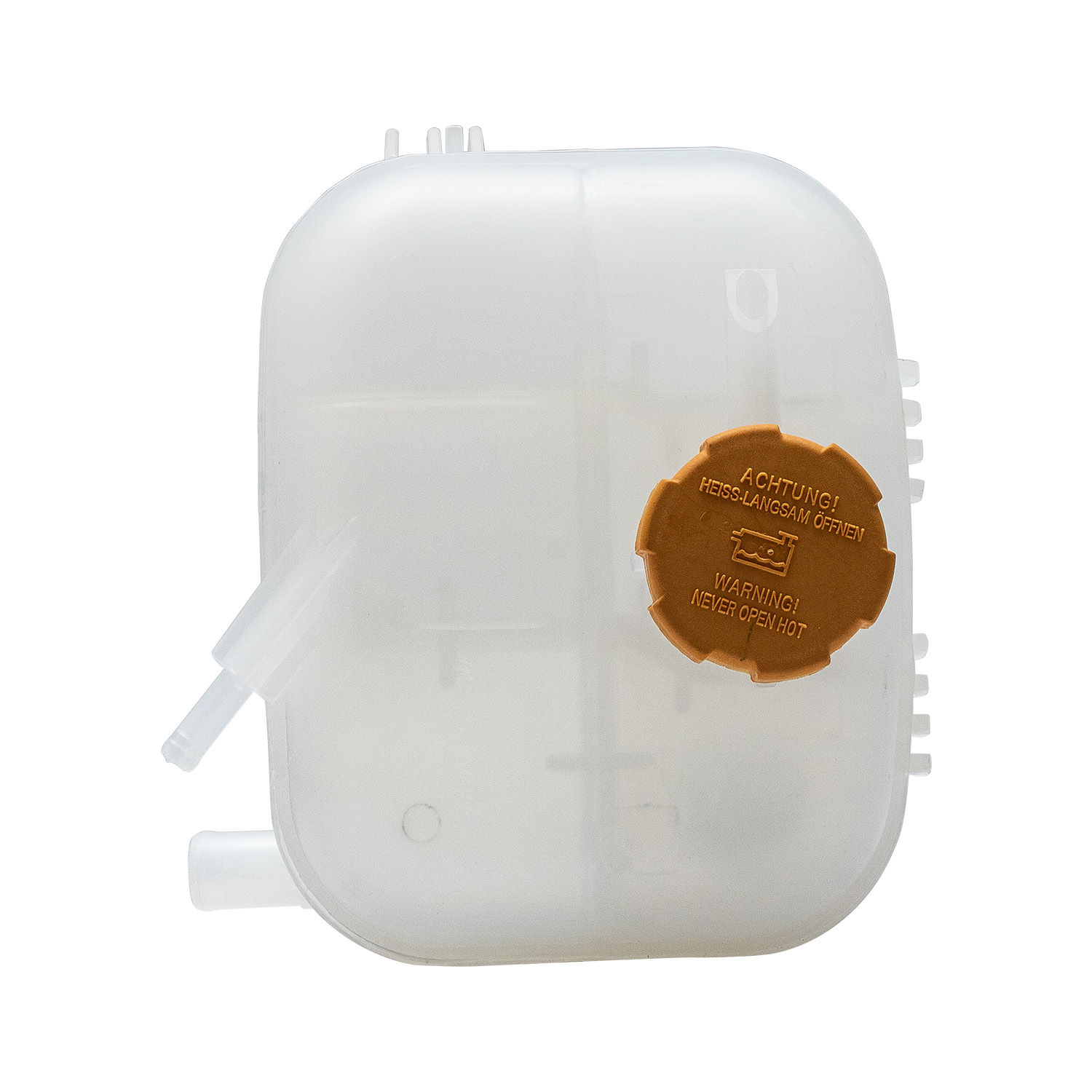
When sourcing an overflow tank in bulk, quality verification is not optional — it is the foundation of a reliable wholesale relationship. Every overflow tank that leaves a production line and enters a wholesale order must meet defined physical, mechanical, and functional standards before it reaches the end user. Without proper testing protocols, a single batch of defective overflow tank units can result in costly returns, warranty claims, and damaged buyer confidence.
Understanding which quality tests apply to each overflow tank type helps wholesale buyers set clear acceptance criteria and hold suppliers accountable. Whether the overflow tank is made from aluminum or high-density polyethylene, whether it serves a passenger vehicle, a commercial truck, or heavy equipment, the testing requirements follow a structured logic. This article explains the key quality tests that every overflow tank must pass before a wholesale order is approved for shipment.
Structural and Dimensional Verification
Dimensional Accuracy of the Overflow Tank
Every overflow tank in a wholesale batch must conform to the agreed dimensional specifications. Inspectors measure the overall height, width, and mounting hole positions of each overflow tank sample against the approved engineering drawing. Even minor dimensional deviations in an overflow tank can prevent proper fitment on the target vehicle platform, which leads to installation failures in the field. For aluminum overflow tank designs, wall thickness uniformity is also verified using calibrated gauges to confirm consistent material distribution.
Dimensional testing of an overflow tank is typically performed on a statistically representative sample size from each production lot. A wholesale buyer who skips dimensional checks on an overflow tank order risks receiving components that do not fit the declared vehicle applications, which is one of the most common and most avoidable causes of wholesale returns.
Visual and Surface Quality Inspection
A visual inspection of each overflow tank checks for surface defects such as cracks, porosity, weld discontinuities, sharp burrs, and coating irregularities. For an aluminum overflow tank, weld seams are scrutinized under bright lighting to detect incomplete fusion or pinholes. For a plastic overflow tank, molding lines and gate marks are evaluated to ensure they do not affect the structural integrity or sealing surfaces. Any overflow tank with visible surface damage is rejected from the wholesale batch before proceeding to functional tests.
Pressure and Leak Performance Tests
Hydraulic Pressure Test for the Overflow Tank
The hydraulic pressure test is one of the most critical evaluations required for any overflow tank intended for coolant system use. During this test, the overflow tank is filled with water and pressurized to a level above its rated operating pressure, typically held for a defined duration. The overflow tank must show no leaks, deformation, or rupture during this period. Wholesale buyers should request documented pressure test results for every overflow tank batch, including the test pressure values and hold time used by the supplier.
An overflow tank that fails the hydraulic pressure test presents a direct safety risk. Coolant leaks caused by a structurally weak overflow tank can lead to engine overheating, which is a serious concern for end users. For this reason, the pressure test is considered a mandatory gate in the quality approval process for any overflow tank wholesale order.
Vacuum and Negative Pressure Test
Beyond positive pressure testing, each overflow tank should also be subjected to a vacuum test that simulates negative pressure conditions within the cooling system. When an engine cools down, the overflow tank experiences partial vacuum as coolant contracts and flows back. A properly designed overflow tank must resist collapse or permanent deformation under this negative pressure. Any overflow tank that deforms under vacuum will fail to return coolant to the radiator correctly, compromising the entire cooling system function.
Material and Cap Functionality Checks
Material Composition and Corrosion Resistance
The material used to manufacture an overflow tank must be verified against the specification for the application. For an aluminum overflow tank, the alloy grade must be confirmed through material certification documents provided by the supplier. Corrosion resistance testing involves exposing the overflow tank surface to salt spray or acidic coolant conditions for a defined period and then evaluating the degree of degradation. An overflow tank that corrodes prematurely will contaminate the coolant system and shorten the service life of connected components.
For wholesale orders that include an overflow tank intended for specific vehicle platforms, such as off-road or commercial applications, thermal cycling tests are also required. In a thermal cycling test, the overflow tank is repeatedly exposed to high and low temperature extremes to simulate real-world engine operating conditions. Any overflow tank that cracks, warps, or loses seal integrity during thermal cycling is disqualified from the approved batch.
Cap and Pressure Relief Valve Function
The cap assembly of an overflow tank contains a pressure relief valve that controls the maximum system pressure and allows coolant to vent when necessary. In a wholesale quality inspection, the cap of each overflow tank is tested for correct opening pressure and resealing function. An overflow tank cap that opens too early will allow coolant loss under normal operating conditions. One that opens too late may cause the overflow tank body to exceed its safe pressure limit. Both failure modes are unacceptable in a wholesale batch and must be caught through cap-specific functional testing.
FAQ
How many overflow tank units should be tested per wholesale batch?
The sample size for overflow tank testing in wholesale orders is typically determined by an AQL (Acceptable Quality Level) sampling plan. Most wholesale buyers apply AQL 2.5 or stricter for critical components like an overflow tank. The exact number of overflow tank units tested depends on the total batch size and the agreed inspection level between buyer and supplier.
Can an overflow tank pass visual inspection but fail pressure testing?
Yes. An overflow tank may appear visually acceptable while still having internal micro-defects or weld weaknesses that only become apparent under pressure. This is why visual inspection of an overflow tank is always a first-pass check and never a substitute for pressure and vacuum testing. A complete overflow tank quality protocol always includes both surface and functional evaluations.
What documentation should suppliers provide for overflow tank wholesale orders?
Suppliers should provide material certification, dimensional inspection reports, pressure test records, and cap function test data for each overflow tank batch. For an aluminum overflow tank, weld inspection records are also expected. Wholesale buyers should request a complete quality dossier for each overflow tank shipment before issuing final payment or releasing the goods for distribution.