
 EN

High-performance automotive applications demand precision engineering in every component, and the intercooler stands as one of the most critical systems determining engine efficiency and power output. An effective intercooler reduces the temperature of compressed air entering the engine, allowing for denser air charge and improved combustion performance. Understanding why intercooler design matters is essential for anyone serious about optimizing turbo or supercharged vehicle performance, as poor intercooler design directly undermines engine reliability, fuel efficiency, and maximum horsepower potential.
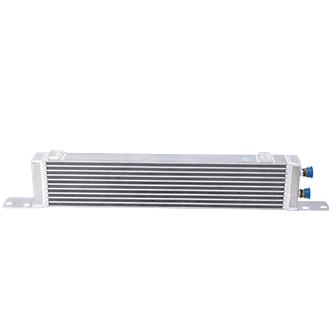
The role of an intercooler in high-performance applications extends beyond simple temperature reduction. When a turbocharger or supercharger compresses incoming air, the compression process generates significant heat, raising air temperature dramatically. Without proper intercooler design, this heated air loses density, reducing oxygen molecules available for combustion. A well-engineered intercooler recovers thermal efficiency losses, maintaining optimal air density throughout the engine's operating range, which translates directly into measurable gains in power delivery and throttle response in high-performance vehicles.
Core Functions of Intercooler Design in Performance Vehicles
Temperature Management and Air Density Control
The primary function of any intercooler is removing excess heat from compressed air before it enters the engine cylinders. In high-performance applications, this intercooler function becomes even more critical because turbocharged and supercharged engines operate at higher boost pressures, generating substantially more heat than naturally aspirated engines. An effective intercooler design maintains lower inlet air temperatures, which increases air density and allows the engine to draw more oxygen molecules per cylinder revolution. This increased oxygen availability enables richer fuel mixtures and more complete combustion, directly supporting higher horsepower and torque outputs in performance-oriented vehicles.
Preventing Thermal Degradation and Engine Knock
High-performance intercooler design prevents thermal degradation of engine components and reduces the risk of engine knock during high-boost conditions. When compressed air remains too warm, it increases combustion chamber temperatures excessively, creating conditions favorable for detonation. A properly designed intercooler maintains safer combustion temperatures, allowing engine tuners to advance ignition timing and increase boost pressure without triggering destructive knock events. This thermal control capability is fundamental to reliable intercooler performance in extreme racing environments, drift competitions, and daily-driven modified vehicles where consistent high boost levels are the norm.
Engineering Factors That Define Intercooler Performance
Core Size and Surface Area Optimization
Effective intercooler design requires careful balance between core size, surface area, and pressure drop characteristics. A larger intercooler core with more aluminum fins increases heat dissipation capability, but excessive size creates higher air flow restriction and pressure losses that ultimately reduce available boost pressure at the intake valves. Advanced intercooler designs employ optimized fin density and tube configurations that maximize heat transfer efficiency while minimizing turbulent flow resistance. High-performance vehicle builders select intercooler units based on specific engine displacement, boost level, and duty cycle, recognizing that an undersized intercooler creates temperature creep during extended acceleration, while an oversized intercooler may introduce unnecessary plumbing complexity and engine bay packaging challenges.
Intercooler Placement and Mounting Strategy
Physical placement of the intercooler significantly influences thermal performance and operational efficiency in high-performance vehicles. Front-mounted intercooler configurations benefit from direct airflow at highway speeds but may suffer from heat soak during low-speed driving or traffic conditions. Top-mounted or side-mounted intercooler installations offer different trade-offs between cooling effectiveness and engine bay integration. The best intercooler placement strategy depends on vehicle geometry, ambient operating conditions, and expected duty cycle. Professional tuners evaluate intercooler positioning within the broader context of air intake design, intercooler piping routing, and overall engine management strategy to achieve consistent performance across diverse driving scenarios.
Practical Impact of Intercooler Design on Vehicle Performance
Horsepower and Torque Delivery
A well-executed intercooler design directly translates into measurable horsepower and torque gains in high-performance applications. Dyno testing consistently demonstrates that vehicles equipped with undersized or poorly designed intercooler systems lose 15 to 30 horsepower compared to vehicles running optimized intercooler configurations at identical boost levels. The intercooler's ability to stabilize inlet air temperatures across the rpm range enables engine management systems to maintain consistent fuel injection timing and spark advance, resulting in predictable power curves and reliable performance. High-performance applications targeting 300 horsepower or above absolutely require premium intercooler design quality, as marginal intercooler performance becomes the limiting factor preventing further power gains.
Reliability and Thermal Cycling Resistance
Superior intercooler design protects engine longevity by reducing thermal stress on pistons, rings, and cylinder walls. High-performance driving generates extreme combustion temperatures, and poor intercooler performance compounds this thermal stress by maintaining excessively high inlet air temperatures. A high-quality intercooler mitigates these thermal loads, allowing engine components to operate within safer temperature windows and extending overall engine service life. This reliability benefit is particularly important in turbocharged applications where repeated high-boost cycles place substantial strain on internal engine components. Vehicles with inadequate intercooler capacity experience accelerated wear, higher piston temperatures, and increased risk of catastrophic engine failure during extended performance driving events.
FAQ
What temperature ranges should an intercooler maintain for optimal high-performance operation?
Optimal intercooler outlet temperatures for high-performance applications typically range from 40 to 60 degrees Celsius above ambient temperature, depending on boost level and engine tune. A properly functioning intercooler should reduce compressed air temperature by 40 to 80 degrees Celsius compared to turbocharger outlet temperatures. If your intercooler is maintaining discharge temperatures above 70 degrees Celsius above ambient in normal driving conditions, the intercooler design may be undersized or airflow may be restricted. Regular temperature monitoring helps identify intercooler performance degradation and guides decisions about intercooler upgrades or maintenance interventions.
How does intercooler design affect fuel economy in turbocharged vehicles?
A well-designed intercooler improves fuel economy by enabling engine management systems to operate at lower boost levels while maintaining target power output. When the intercooler efficiently cools compressed air, the engine achieves higher air density at lower boost pressures, reducing fuel consumption requirements. Additionally, proper intercooler design prevents the excessive inlet air temperatures that force engine computers into rich fuel mapping for knock prevention. This intercooler efficiency benefit means drivers can enjoy satisfying performance while maintaining reasonable fuel consumption during daily commuting, making intercooler quality a practical consideration beyond pure performance metrics.
Can a high-performance intercooler upgrade improve an older turbocharged vehicle's reliability?
Yes, upgrading to a high-quality modern intercooler can substantially improve older turbocharged vehicle reliability by reducing combustion temperatures and thermal stress on engine components. Older intercooler designs often suffered from restricted core designs and inefficient fin geometries that generated excessive heat. A contemporary aftermarket intercooler upgrade reduces inlet air temperatures, stabilizes combustion chamber temperatures, and enables safer ignition timing strategies. This intercooler upgrade is particularly valuable for high-mileage turbocharged vehicles where original intercooler efficiency has degraded over time, providing renewed performance while protecting aging engine internals from thermal damage.