
 EN
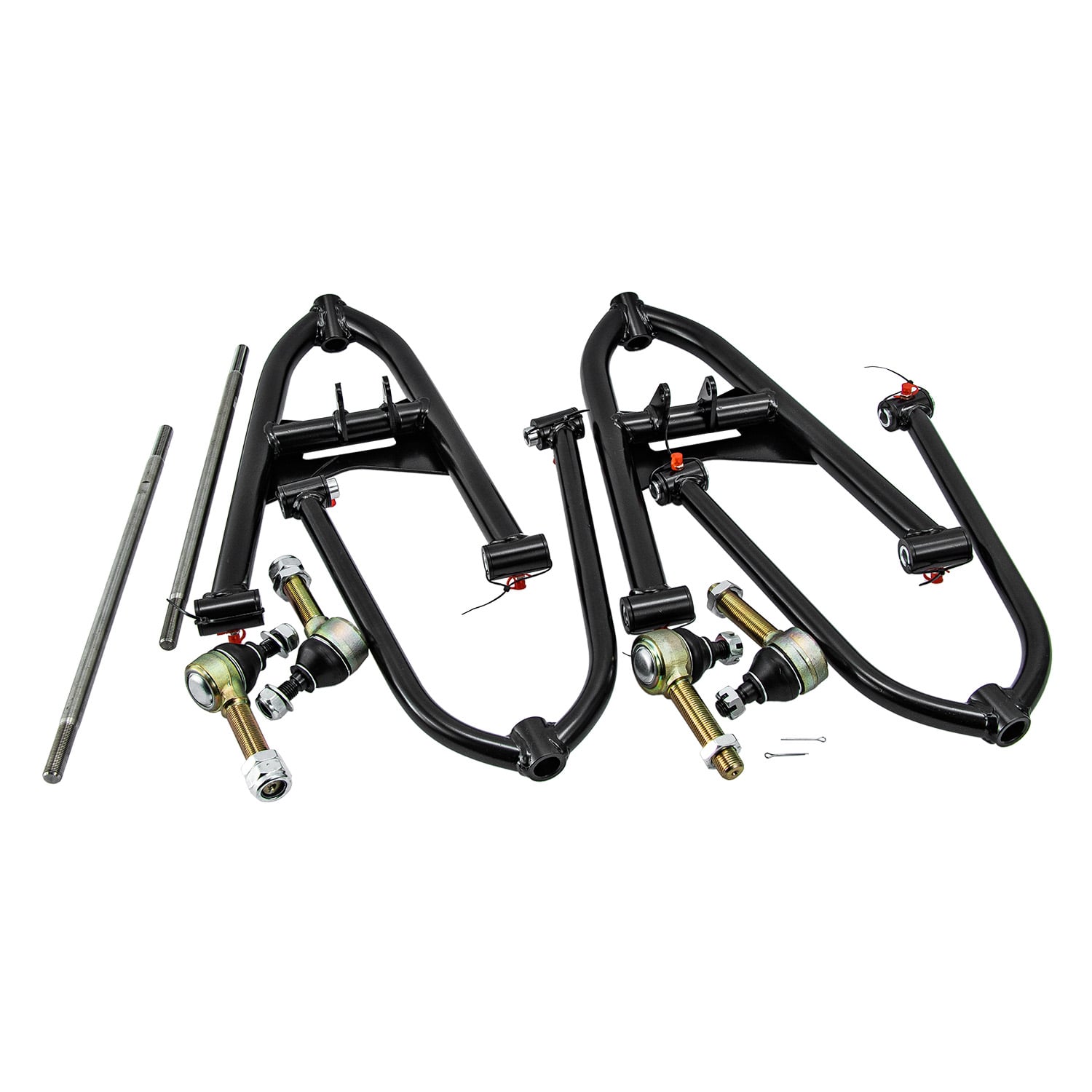
Control arms are fundamental suspension components that directly influence how your vehicle handles, stops, and responds to road conditions. These engineered links connect the steering knuckle to the frame, allowing controlled vertical wheel movement while maintaining steering geometry. The performance of control arms significantly impacts both everyday driving safety and long-term suspension durability, making their function critical to any vehicle's overall stability and handling characteristics.
Understanding how control arms affect vehicle dynamics helps owners maintain their suspension systems properly and recognize warning signs of wear. When control arms begin to deteriorate, the consequences cascade through your suspension geometry, alignment, and overall handling. This article explores the essential role that control arms play in suspension performance and vehicle stability, examining how these components work and why their maintenance matters.
How Control Arms Maintain Suspension Geometry
The Structural Role of Control Arms
Control arms serve as precision linkages that maintain the correct angle and position of your wheels throughout the suspension's travel range. Modern control arms are engineered to preserve wheel camber, caster, and toe angles within tight tolerances, ensuring consistent tire contact and steering response. The geometry created by control arms directly affects how your vehicle's wheels track during acceleration, braking, and cornering. When control arms function properly, they keep wheels parallel to the vehicle's centerline and perpendicular to the road surface, optimizing tire wear and traction. Any deviation from these angles caused by worn or bent control arms compromises both stability and handling predictability.
Upper and Lower Control Arm Functions
Most suspension systems employ both upper and lower control arms, each contributing distinct functions to overall suspension performance. Lower control arms typically carry more vertical load and handle lateral forces during cornering, while upper control arms help maintain camber angles and provide secondary load paths. The relationship between these control arms determines how the wheel moves vertically and laterally relative to the vehicle frame. When either upper or lower control arms wear excessively, the suspension geometry shifts, creating uneven tire wear patterns and unpredictable handling. Properly functioning control arms work in concert to create smooth, predictable suspension articulation that enhances both comfort and control.
Impact of Control Arms on Vehicle Stability
Steering Response and Directional Control
Control arms directly influence steering response and directional stability by maintaining consistent wheel geometry as your vehicle turns and accelerates. Worn control arms introduce looseness into the steering system, reducing driver feedback and creating a mushy, imprecise steering feel. This reduction in steering precision becomes particularly dangerous during emergency maneuvers or high-speed cornering when tight directional control is critical. Healthy control arms transmit steering inputs directly to the wheels without delay or play, allowing drivers to make micro-adjustments and maintain intended line through corners. The stability advantage of good control arms becomes evident when comparing the handling of a well-maintained vehicle to one with deteriorated suspension linkages.
Braking Stability and Nose-Dive Control
During braking events, control arms work with other suspension components to manage weight transfer and prevent excessive nose-dive. Worn or weakened control arms lose their ability to properly control suspension compression during hard braking, allowing the vehicle's front end to dive excessively. This excessive dive reduces weight on the rear tires and diminishes overall braking effectiveness, potentially extending stopping distances in emergency situations. Quality control arms maintain consistent suspension stiffness during braking cycles, preserving tire grip and braking performance. The stability benefit of functional control arms becomes most apparent when comparing emergency braking characteristics between vehicles with fresh suspensions and those with worn linkages.
Control Arms and Suspension Performance Optimization
Load Distribution and Tire Contact
Control arms are responsible for maintaining even tire contact pressure as your vehicle encounters road irregularities and dynamic forces. When control arms maintain correct geometry, tire contact patches remain consistent, distributing vehicle weight evenly across all four contact points. This even distribution maximizes tire grip, improves traction in wet conditions, and optimizes acceleration and cornering capabilities. Bent or excessively worn control arms cause wheels to shift into negative or positive camber extremes, concentrating tire loads on one edge of the tread. This uneven loading accelerates tire wear, reduces cornering grip, and compromises overall suspension performance across all driving scenarios. Maintaining control arms in their original specifications ensures optimal load distribution and extended tire service life.
Ride Quality and Comfort Integration
Beyond stability and handling, control arms significantly influence ride quality and occupant comfort over various road surfaces. Properly tuned control arms work with springs and dampers to absorb road imperfections without transmitting harsh impacts to the cabin. When control arms wear, they lose their ability to maintain consistent damping characteristics, resulting in either harsh, jolting impacts or excessive bouncing depending on the wear pattern. The suspension system's ability to isolate vibrations and impacts depends heavily on control arms maintaining correct geometry and providing smooth articulation. Drivers immediately notice improvements in comfort and refinement when control arms are replaced as part of comprehensive suspension maintenance, alongside springs and shock absorbers.
FAQ
What are the primary warning signs that control arms need replacement?
Common warning signs of failing control arms include clunking noises during turns or over bumps, wandering or pulling steering that requires constant correction, and uneven tire wear patterns that develop within relatively short timeframes. Many drivers notice increased vibration in the steering wheel during braking or acceleration when control arms become excessively worn. If your vehicle exhibits any combination of these symptoms, have your control arms inspected immediately by a qualified technician, as worn control arms compromise both safety and performance. Professional inspection using a vehicle lift is necessary to properly diagnose control arm condition since wear isn't always visible during routine checks.
How frequently should control arms be inspected?
Manufacturers typically recommend inspecting control arms as part of routine suspension maintenance during every other oil change or at least annually for vehicles in regular use. Vehicles driven on rough roads, over potholes frequently, or those carrying heavy loads may require more frequent control arm inspections since these conditions accelerate wear rates. Inspection intervals also depend on your vehicle's age and existing mileage, with older vehicles benefiting from more frequent suspension checks. Many experienced technicians recommend inspecting control arms whenever other suspension work is performed, ensuring comprehensive evaluation of your suspension system's overall health.
Can worn control arms affect fuel economy?
Yes, deteriorated control arms indirectly impact fuel economy by compromising suspension geometry and increasing rolling resistance. When control arms allow excessive wheel misalignment or camber deviation, tires develop uneven wear patterns and increased drag against the road surface. This increased rolling resistance forces your engine to work harder to maintain speed, reducing fuel efficiency across all driving conditions. Additionally, the negative steering feedback and directional instability created by worn control arms often causes drivers to make constant steering corrections, increasing tire scrubbing and fuel consumption. Maintaining control arms in proper working condition helps preserve optimal alignment and fuel economy throughout your vehicle's service life.