
 EN
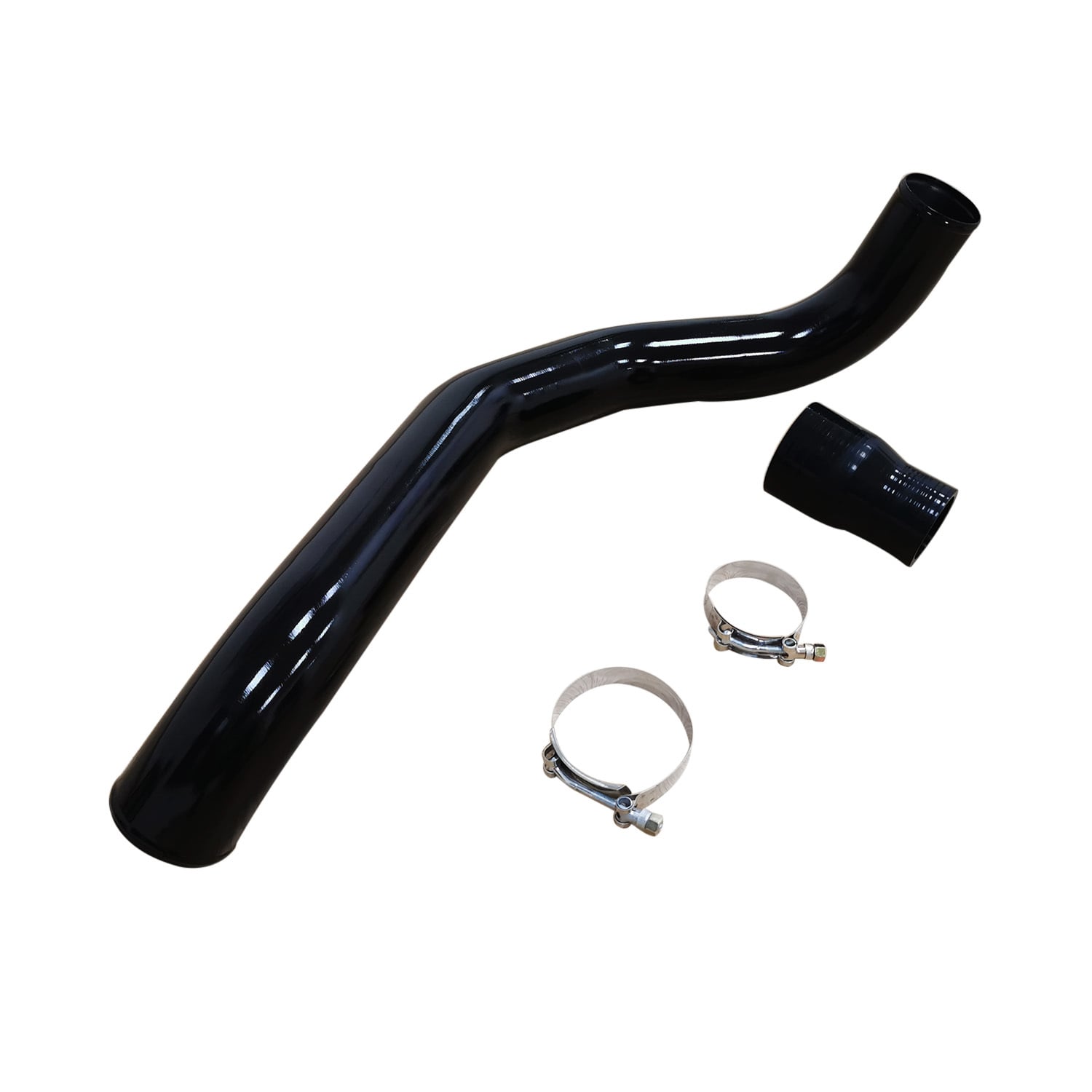
Selecting the right intercooler tube is a critical decision for manufacturers seeking to optimize engine performance and thermal efficiency. The intercooler tube serves as a vital component in turbocharged and supercharged engines, directing compressed air through cooling pathways to reduce intake temperatures before combustion. Choosing an appropriate intercooler tube directly impacts engine reliability, fuel efficiency, and overall power output, making the selection process essential for achieving competitive performance standards.
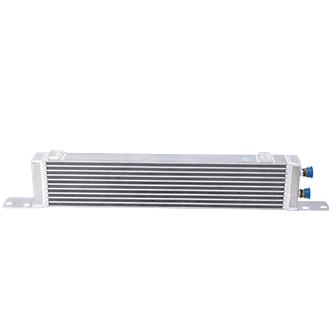
Manufacturers operating in automotive, industrial, and power generation sectors must evaluate multiple technical and operational factors before committing to an intercooler tube specification. The decision involves balancing thermal efficiency, material compatibility, pressure handling capacity, and cost considerations against long-term reliability requirements. This guide explores the essential selection criteria that should inform your intercooler tube procurement strategy.
Material Composition and Thermal Performance
Aluminum versus Alternative Materials for Intercooler Tube Design
The material selection for an intercooler tube fundamentally determines its thermal conductivity, weight, and durability characteristics. Aluminum remains the dominant choice for most intercooler tube applications due to its superior heat dissipation properties, lightweight construction, and cost-effectiveness. However, manufacturers must verify that the specific aluminum alloy used in your intercooler tube meets pressure ratings and temperature tolerances relevant to your engine specification. Copper-nickel composites and stainless steel variants offer alternative intercooler tube solutions for specialized applications requiring enhanced corrosion resistance or extreme temperature performance.
Heat Transfer Efficiency and Core Fin Configuration
An intercooler tube's ability to transfer heat depends significantly on its internal fin geometry and surface area design. The optimal intercooler tube configuration balances fin density with airflow dynamics to maximize cooling without creating excessive backpressure. Manufacturers should assess whether the intercooler tube design accommodates your target pressure differential and airflow volume. Advanced intercooler tube designs incorporate variable fin spacing and turbulence-inducing internal structures to enhance heat rejection efficiency while maintaining reasonable flow rates through the system.
Pressure Rating and Structural Integrity
Burst Pressure and Operating Limits for Intercooler Tube Selection
Selecting an intercooler tube with an appropriate pressure rating is non-negotiable for system safety and longevity. The burst pressure specification of your chosen intercooler tube must exceed peak boost pressure by a substantial safety margin, typically 150 to 200 percent. Manufacturers should verify test certifications and pressure validation data for the intercooler tube before integration. An undersized intercooler tube pressure rating risks catastrophic failure, coolant loss, and engine damage, while an oversized intercooler tube may introduce unnecessary weight and cost without functional benefit.
Connection Port Design and Compatibility Standards
The intercooler tube connection ports must align precisely with your engine block inlet and outlet configurations to prevent leakage and vibration-induced failures. Standard intercooler tube port sizes vary across engine families, requiring careful specification matching during procurement. Verify that the intercooler tube flanges, threads, or quick-disconnect fittings integrate seamlessly with your existing cooling circuit architecture. Mismatched intercooler tube connection points introduce leak risks, pressure drops, and potential warranty complications that compromise system reliability.
Installation, Maintenance, and Total Cost Considerations
Accessibility and Service Requirements for Intercooler Tube Maintenance
Manufacturers must evaluate how easily technicians can access, inspect, and service the intercooler tube within their engine compartment layout. An intercooler tube positioned in confined spaces may require disassembly of surrounding components for routine cleaning or repairs, increasing maintenance labor costs. The preferred intercooler tube design incorporates modular connections and accessible mounting points that simplify future inspections without extensive engine teardown. Consider whether your chosen intercooler tube configuration accommodates scheduled cleaning intervals required by your operational environment, particularly in dusty or high-contaminant industrial settings.
Long-Term Cost of Ownership and Performance Degradation
While initial purchase price influences intercooler tube selection, the total cost of ownership encompasses durability, replacement frequency, and performance retention over the component's service life. A premium intercooler tube engineered for extended service intervals and resistance to scaling or fouling often delivers superior economic value compared to budget alternatives requiring frequent replacement. Manufacturers should project how thermal efficiency degradation in your selected intercooler tube affects fuel consumption, emissions compliance, and power output over extended operating periods. Selecting a robust intercooler tube specification upfront minimizes unplanned downtime and warranty claims that undermine profitability.
FAQ
What are the primary failure modes for intercooler tube systems in demanding industrial applications?
The most common intercooler tube failures include internal corrosion from coolant contamination, fin blockage from dust or debris accumulation, pressure-induced rupture from oversized boost levels, and connection port leakage from vibration fatigue. Manufacturers can mitigate these risks by specifying an intercooler tube with appropriate burst pressure ratings, implementing effective filtration upstream of the intercooler tube inlet, and scheduling preventive maintenance to clear accumulations. Regular pressure testing and thermal imaging inspections detect degrading intercooler tube performance before catastrophic failure occurs.
How does the intercooler tube size affect engine boost levels and overall system design?
The intercooler tube volume and cross-sectional area directly influence system pressure drop, turbocharger lag response, and maximum achievable boost levels. A larger intercooler tube diameter reduces backpressure but increases system response time, while a smaller intercooler tube improves throttle response at the cost of higher pressure losses. Manufacturers must balance these competing priorities by selecting an intercooler tube specification aligned with their target boost pressure, engine displacement, and desired performance characteristics. Simulation and dyno testing validate whether your chosen intercooler tube dimensions deliver the intended performance envelope.
Can an intercooler tube designed for one engine platform be adapted for different engine configurations?
Adapting an intercooler tube from one engine platform to another requires careful engineering analysis because pressure ratings, flow characteristics, and connection port geometries typically differ across engine families. While modifications to mounting brackets and connection adapters may enable an intercooler tube retrofit in some cases, such adaptations risk mismatched thermal performance, pressure handling compromises, and reliability concerns. Manufacturers should prioritize intercooler tube specifications engineered specifically for their target engine to ensure optimal performance, warranty compliance, and long-term durability without costly trial-and-error development.